Think a cat can’t be a therapy animal? Think again! While dogs often steal the spotlight in therapy, cats have a special way of comforting people, too. Training your furry friend to be a therapy cat is not only rewarding but also creates a strong bond between you and your pet.
This blog post will guide you through the steps needed to transform your cat into a calm and comforting presence. With patience and positivity, you can introduce your cat to this meaningful role and change lives together.
Steps to Train a Cat to Be a Therapy Cat
Training a cat to be a therapy cat requires patience and consistency. Obedience and socialization are key factors. Cats need to be friendly and comfortable around people. They must also respond well to basic commands.
- Start Socialization Early
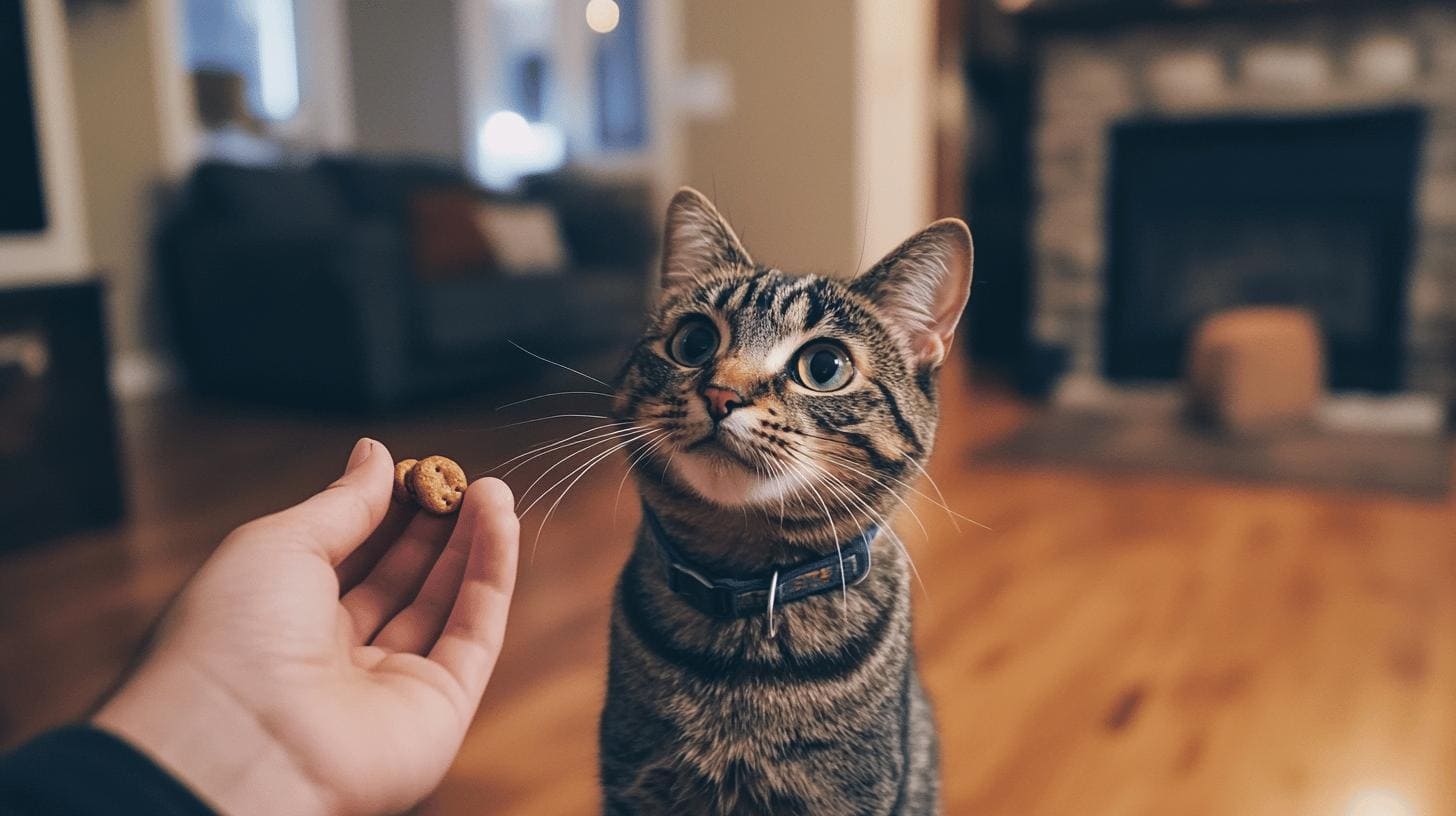
Introduce your cat to new people and environments while they’re young. Use treats and gentle interactions to make new experiences positive. - Use Positive Reinforcement
Reward your cat with treats or affection when they display the desired behavior. This reinforces good habits and makes training enjoyable for them. - Introduce Basic Commands
Teach simple commands like “sit” or “stay basic training.” Consistently practice these commands in short sessions to build your cat’s understanding.
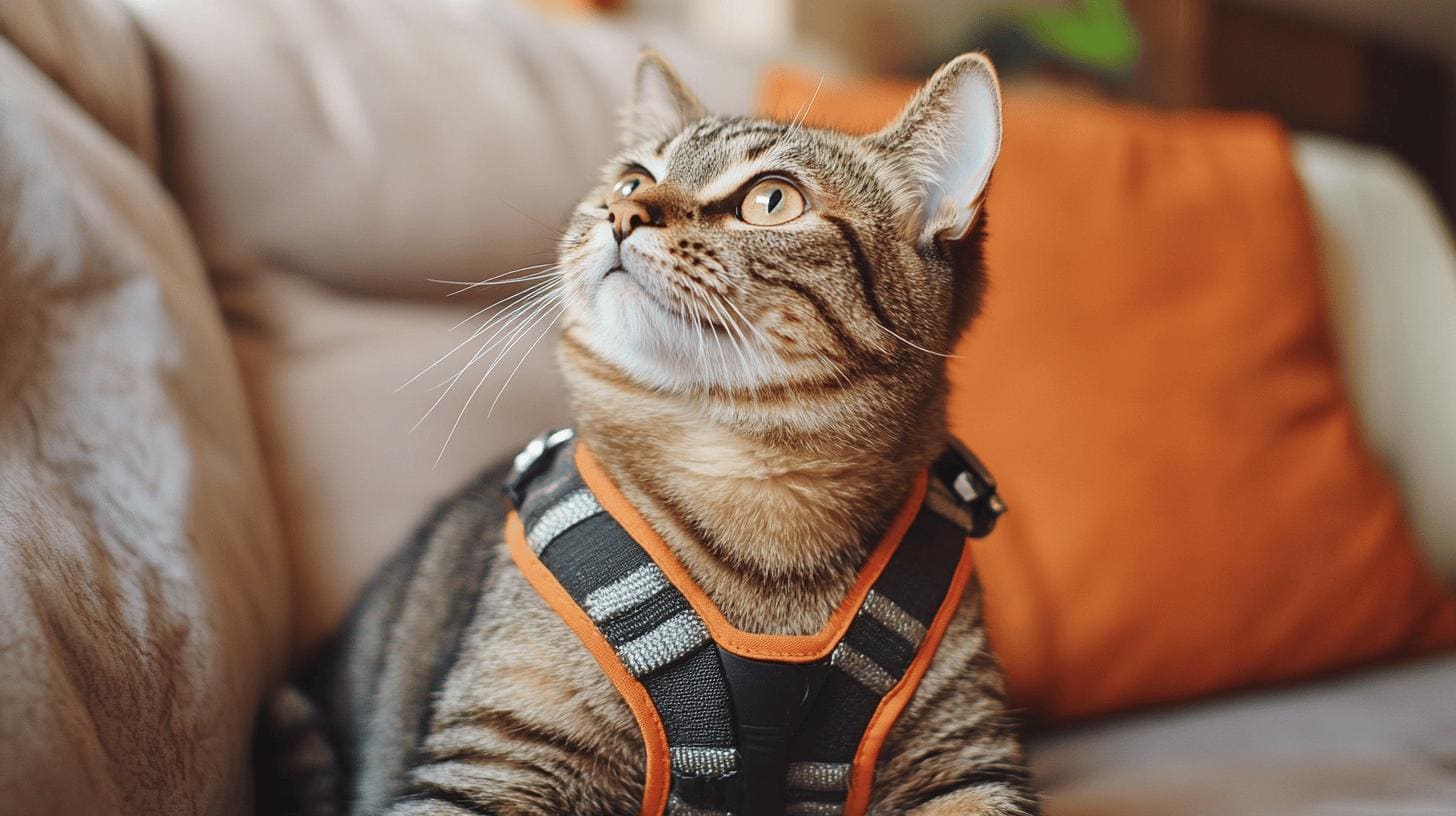
- Familiarize with Harness and Leash
Slowly get your cat used to wearing a harness and walking on a leash. Use high-value treats, like bits of chicken, to encourage them as they learn. - Practice Calm Interactions
Expose your cat to different noises and movements. Reward them for staying calm to prepare them for therapy environments. - Encourage Play with Purpose
Use toys to teach your cat to focus and follow your lead. This helps in developing their ability to engage positively with people.
Consistent rewards and positive experiences are essential. They help form a strong bond between you and your cat. This connection is crucial for therapy work. It ensures your cat feels secure and happy in any setting.
Therapy Cat Certification Process

Certification is a crucial step in transforming your cat into a therapy animal. This process ensures that your cat meets the necessary standards to provide therapeutic benefits to individuals in need.
Certification involves meeting organizational standards and paying fees for official documentation. These standards are designed to ensure that your cat is well-suited for therapy work and can handle diverse environments.
| Organization | Certification Steps | Fees |
|---|---|---|
| Pet Partners | Online course, in-person evaluation, background check | $95 |
| Love on a Leash | Evaluation, 10 supervised visits, membership application | $30 |
| Therapy Cats United | Behavioral assessment, training class, supervised visits | $40 |
| Alliance of Therapy Cats | Webinar, temperament assessment, practical test | $60 |
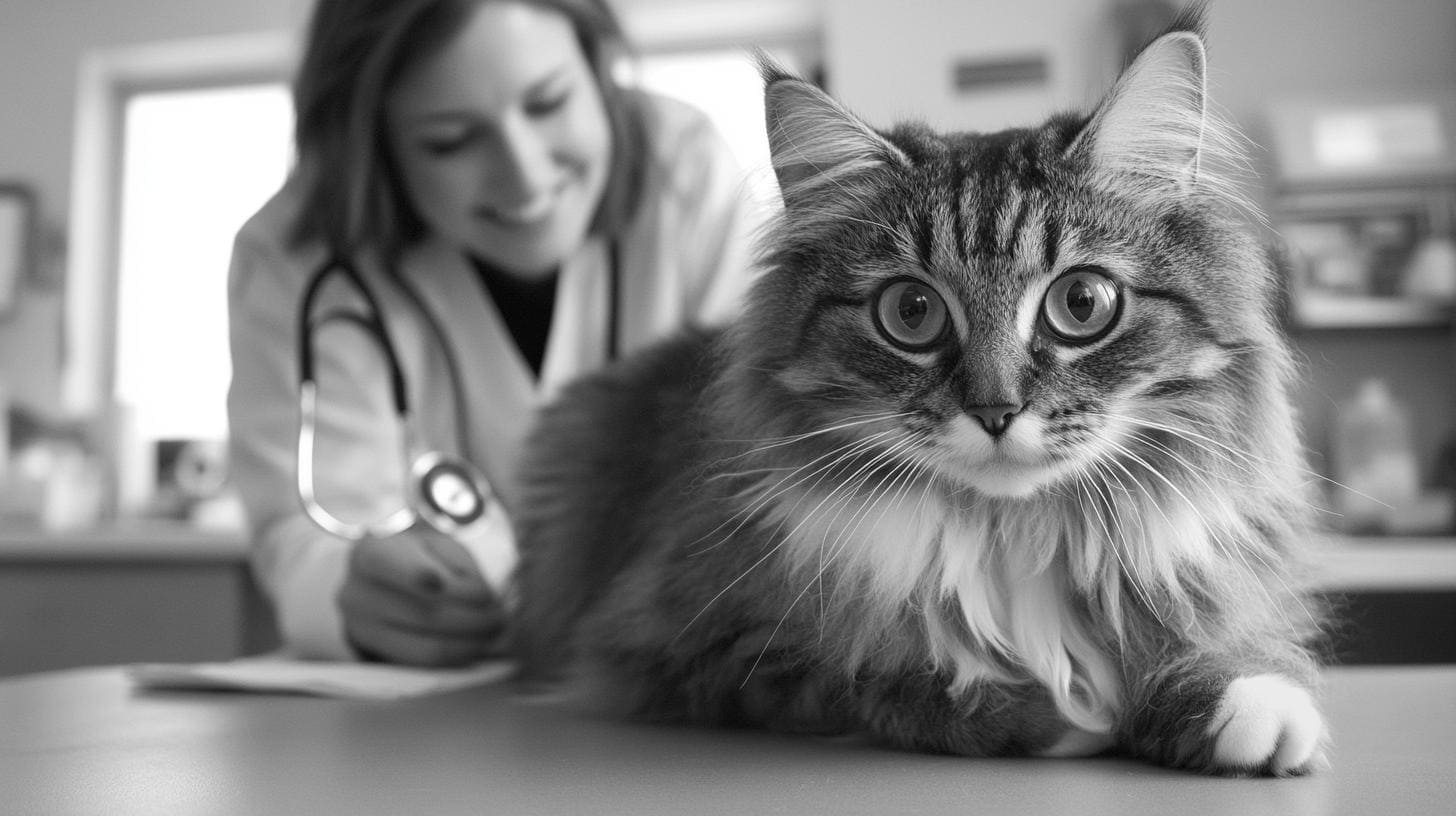
An important part of the certification process is assessing your cat’s temperament. Cats need to exhibit friendliness, calmness, and patience. Suitability assessments evaluate these traits to determine if your cat is fit for therapy work.
Organizations often require ongoing evaluations to maintain certification. This ensures your cat continues to meet the necessary standards and remains well-prepared for the challenges of therapy environments. Regular checks help identify and address any changes in behavior, keeping both your cat and those they help safe and happy.
Behavior Conditioning Tips for Therapy Cats
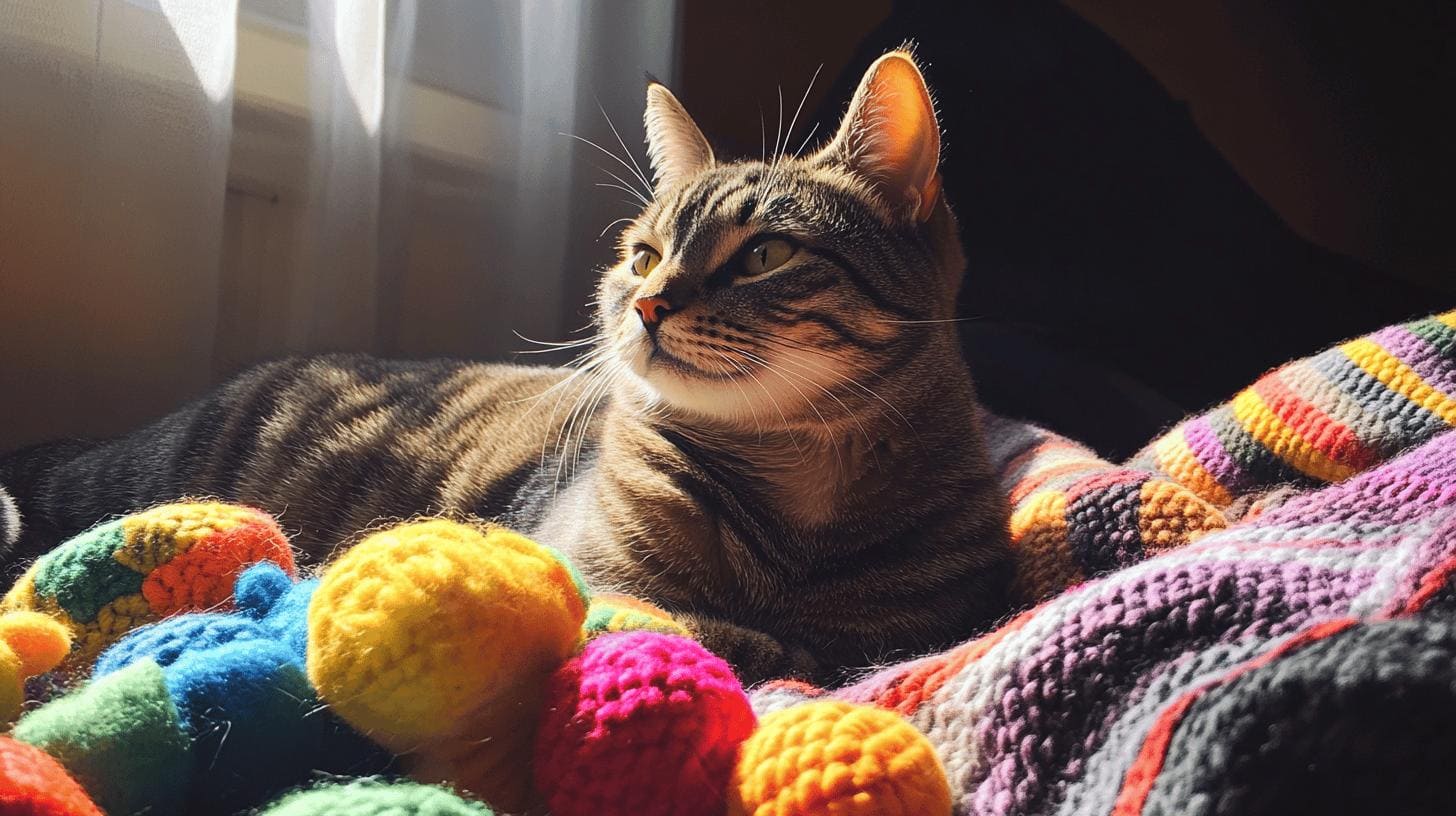
Therapy cats should be calm, patient, and friendly. These traits help them interact well with people who need comfort. Training focuses on promoting these behaviors and redirecting any unwanted actions.
- Use Treats for Encouragement
Reward your cat with treats when they display calm and friendly behavior. This makes them more likely to repeat these actions. - Redirect with Toys
If your cat shows unwanted behavior, gently guide them to play with a toy. This helps shift their focus to something positive. - Short Training Sessions
Keep sessions brief to maintain your cat’s interest. Short bursts of training are more effective and less stressful for your cat.
- Provide a Quiet Space
Create a calm environment where your cat can retreat. This teaches them to seek out quiet when feeling overwhelmed. - Consistent Commands
Use the same commands and rewards each time. Consistency helps your cat understand what is expected of them training techniques.
Consistency in behavior training is vital. Cats learn best when they know what to expect. By maintaining a steady routine, your cat will develop the traits needed for therapy work. This approach ensures they remain confident and composed in various situations.