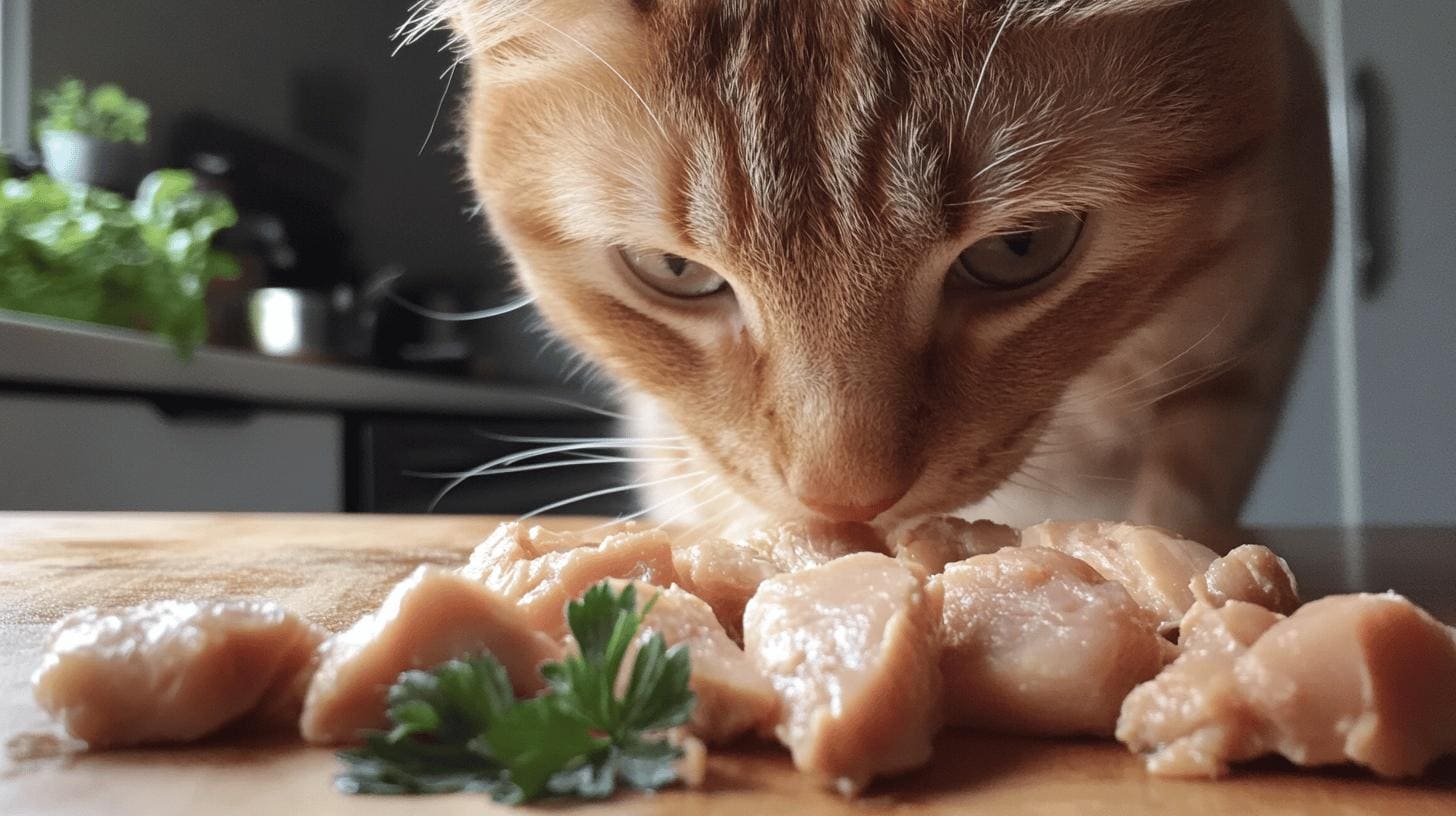
Can cats feast on pizza, or is it a recipe for disaster? While your feline friend may look longingly at that cheesy slice, it's essential to keep their health in mind. Pizza is full of ingredients harmful to cats, making it a risky choice. You probably think one tiny bite won't hurt, but for your cat, it could lead to digestive troubles or worse. In this article, we'll uncover the risks of feeding your cat pizza and explore safe alternatives for satisfying their cravings. Let's ensure your cat's playtime stays fun and healthy!
Can Cats Eat Pizza? Understanding the Risks and Harmful Ingredients
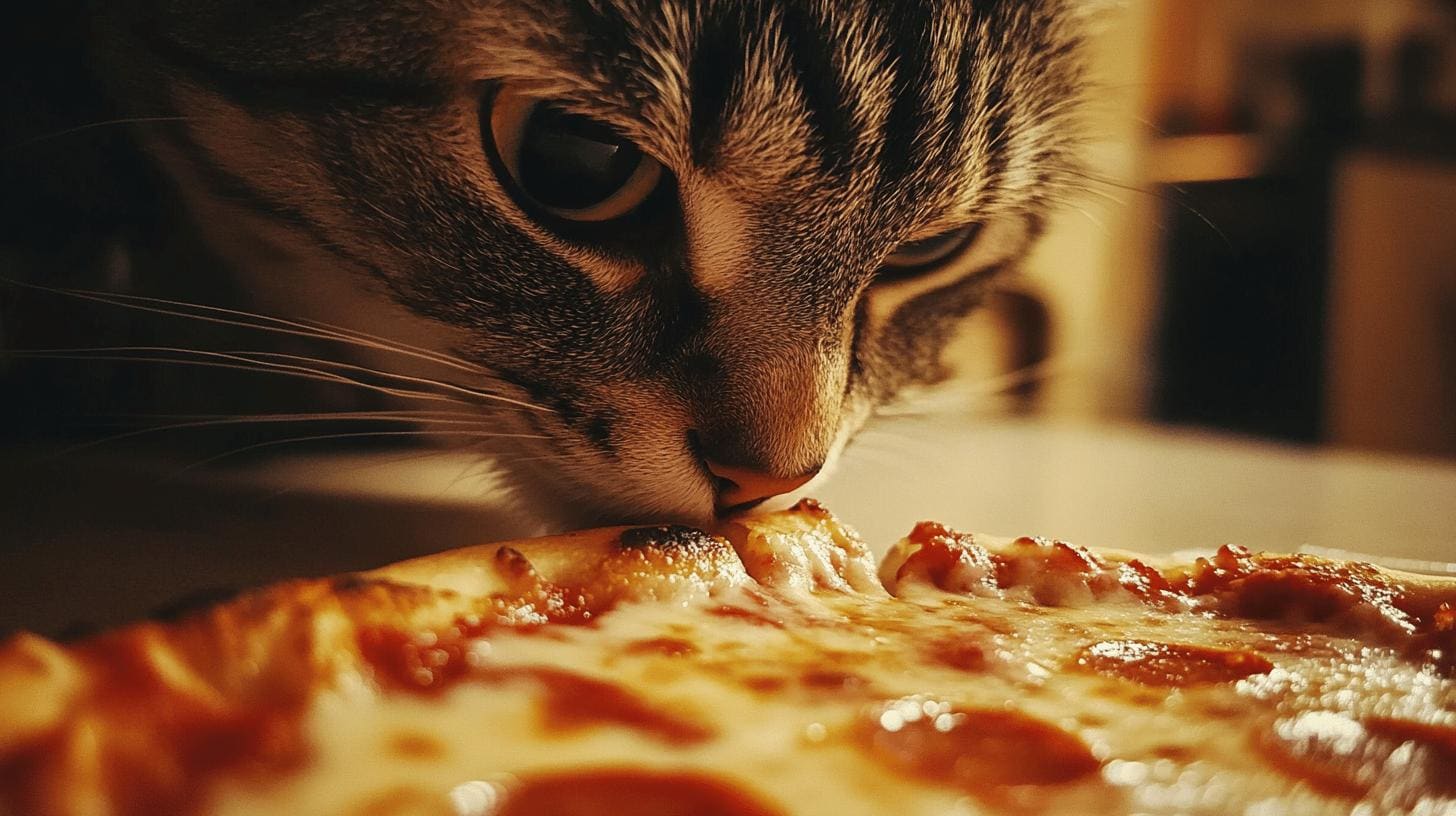
Cats shouldn't eat pizza. It's packed with ingredients that can be harmful to them. Even though the occasional sneaky bite might not seem like a big deal, the risks are significant. Cats are obligate carnivores, meaning they need a diet high in protein and fat from animal sources. Pizza doesn't fit this need, and the ingredients can cause digestive issues or worse.
- Cheese: Most cats are lactose intolerant, and cheese can upset their stomachs. It also contributes to obesity due to its high-fat content.
- Tomato Sauce: Often loaded with salt, tomato sauce can have garlic and onion, both of which are toxic to cats.
- Processed Meats: Pepperoni, sausage, and other meats are high in salt, fat, and preservatives, making them unsuitable for feline consumption.
- Mushrooms: While not typical on every pizza, mushrooms can be a concern. Cats should get their protein from animal meat, not fungi.
- Spices and Seasonings: Many spices used in pizza are not safe for cats, potentially leading to gastrointestinal distress.
When it comes to pizza crust, a small amount of cooked crust is generally harmless. But it offers no nutritional benefits and can contribute to weight gain if consumed regularly. Raw dough, however, should be avoided at all costs, as it can expand in the stomach and produce alcohol, leading to dangerous health issues. Always prioritize your cat's health by keeping pizza out of their reach and opting for safer, cat-friendly treats.
What to Do If Your Cat Eats Pizza
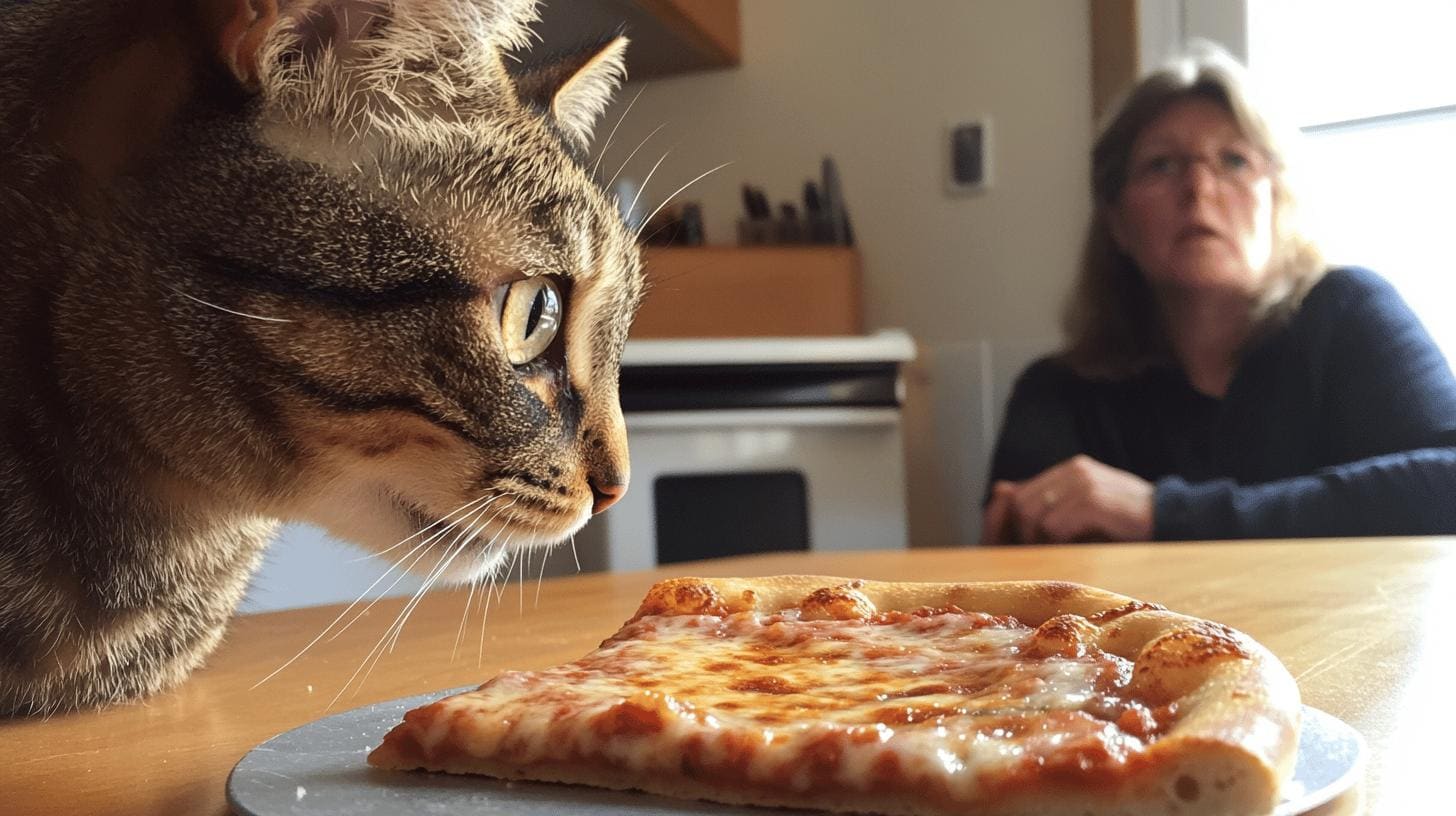
If your cat sneaks a bite of pizza, start by monitoring for any signs of distress or illness. Common symptoms of food poisoning in cats include vomiting, diarrhea, lethargy, and unusual behavior. Keep an eye on your feline friend's health and ensure they have access to fresh water to stay hydrated.
Consult a veterinarian if you notice any concerning symptoms or if your cat has consumed toxic toppings such as garlic, onion, or processed meats. A vet can provide valuable advice and treatment if needed. Be ready to share details about what your cat ate, including the specific ingredients involved.
Feeding pizza to cats can have financial and health implications. Pet insurance claims related to dietary indiscretions average $642, highlighting the potential costs of these situations. It's a reminder to be cautious with human food and always opt for cat-friendly treats to maintain your pet's health and avoid unexpected expenses.