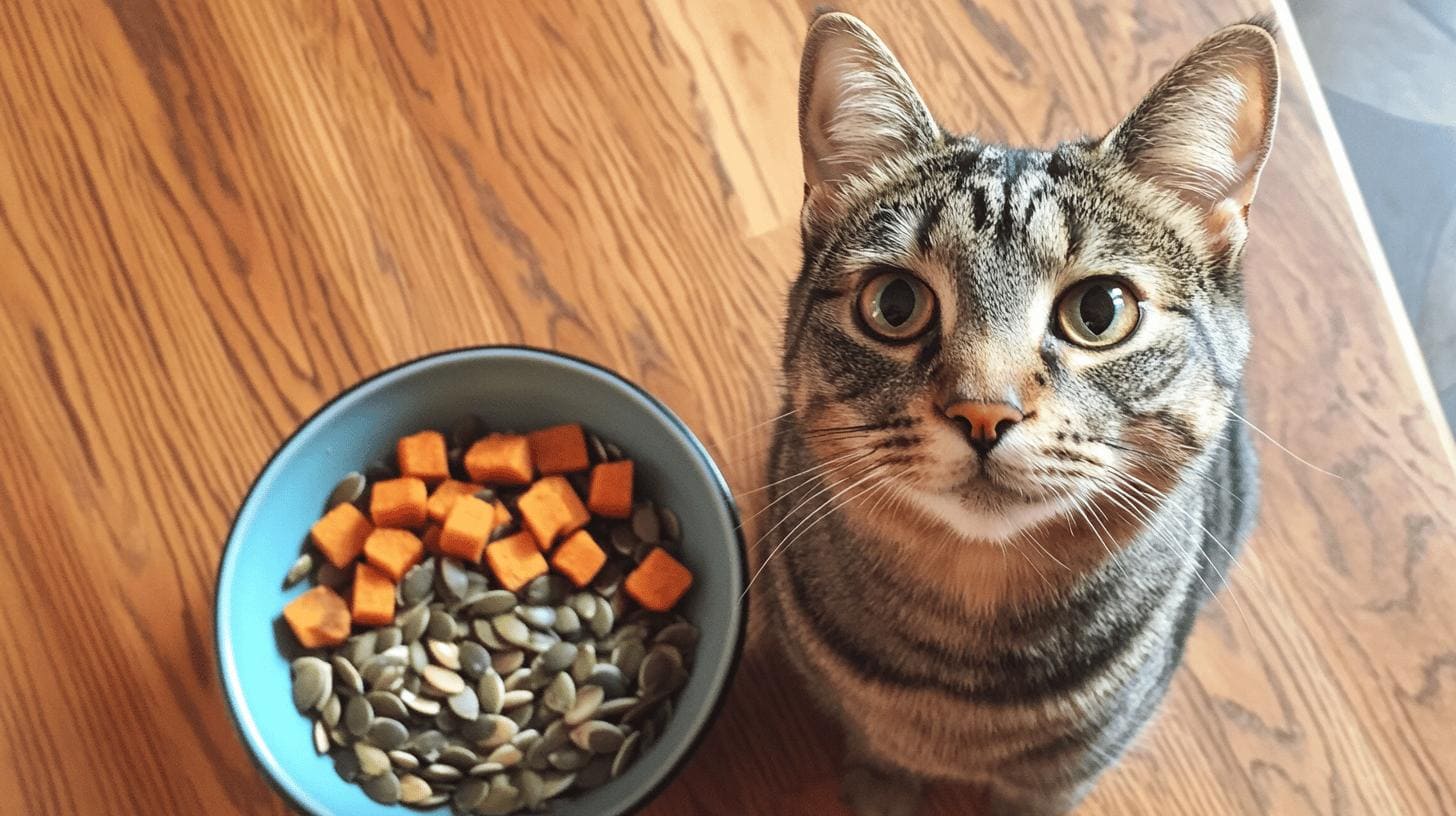
Ever caught your cat eyeing your snack bowl, filled with tasty nuts? Many cat owners wonder if these crunchy treats are okay to share. The short answer is: proceed with caution. While some nuts aren't toxic, they aren't natural for cats and could cause health issues. Macadamia nuts are especially harmful, causing symptoms like lethargy and vomiting. Understanding which nuts pose risks can guide you in making the safest choices for your kitty's nutrition. Let's dive into the details of nut safety for our feline friends.
Can Cats Eat Nuts? Understanding the Basics
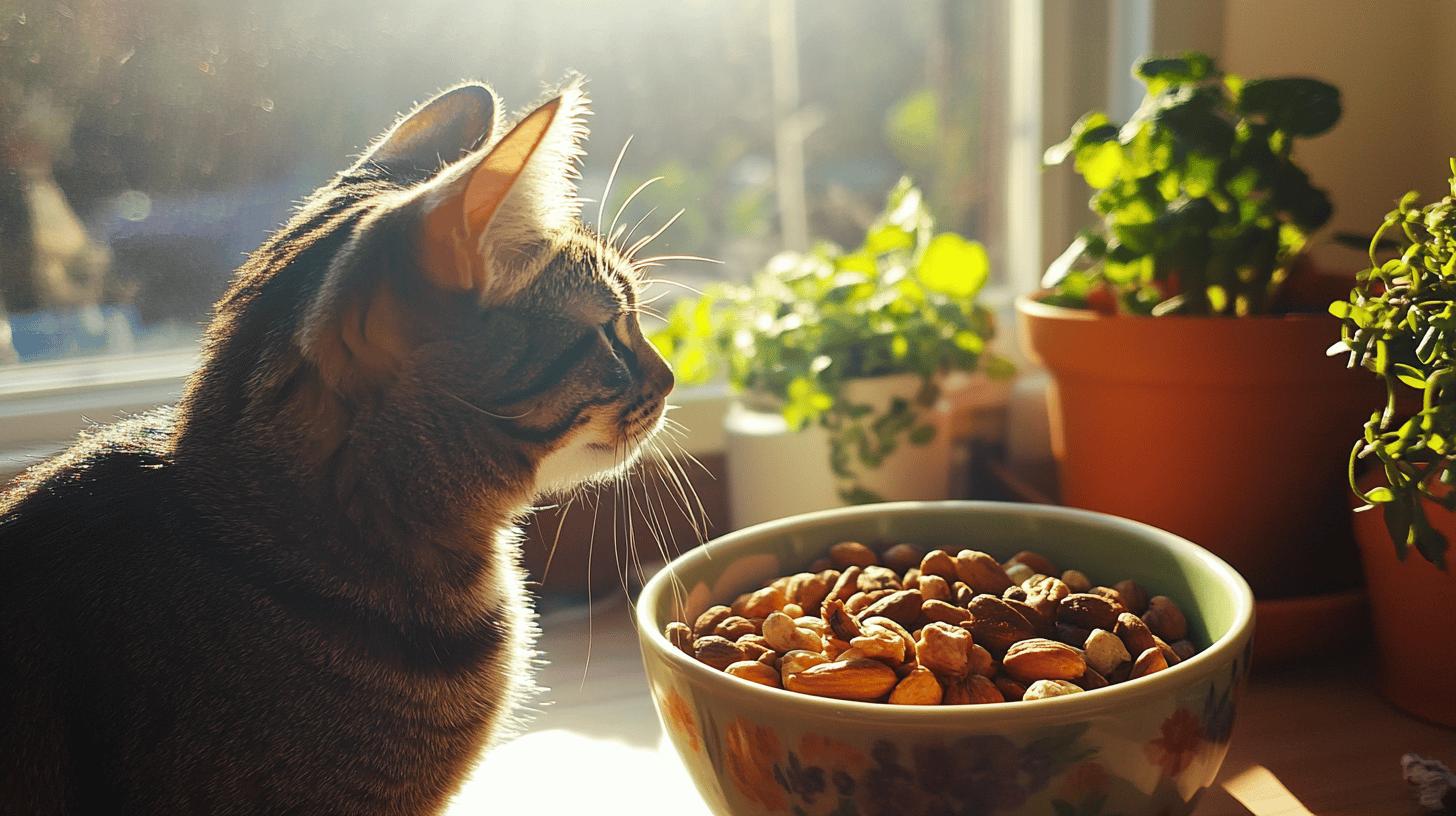
Cats are curious creatures, and if you've ever wondered if nuts can be a safe snack for your feline friend, it's important to know that nuts are generally not recommended for cats. While some nuts aren't directly toxic, they aren't a natural part of a cat's diet and can lead to potential health issues. Macadamia nuts, in particular, are known to be toxic to cats, causing symptoms such as lethargy and vomiting. Nuts in general pose a risk because they can be a choking hazard and lead to gastrointestinal blockages.
Nuts are packed with nutrients beneficial to humans, like protein and essential fatty acids, but for cats, their high-fat content is a concern. Cats have different dietary needs, and their bodies are not designed to handle the rich, fatty nature of most nuts. Consuming nuts can lead to weight gain, digestive issues, and even pancreatitis in cats. Nut allergies, though rare, can occur and manifest as vomiting or diarrhea. Therefore, it's best to avoid giving nuts to your cat and instead focus on feline-specific nutrition that meets their unique dietary requirements.
Evaluating Specific Nuts for Cats: Safe or Unsafe?
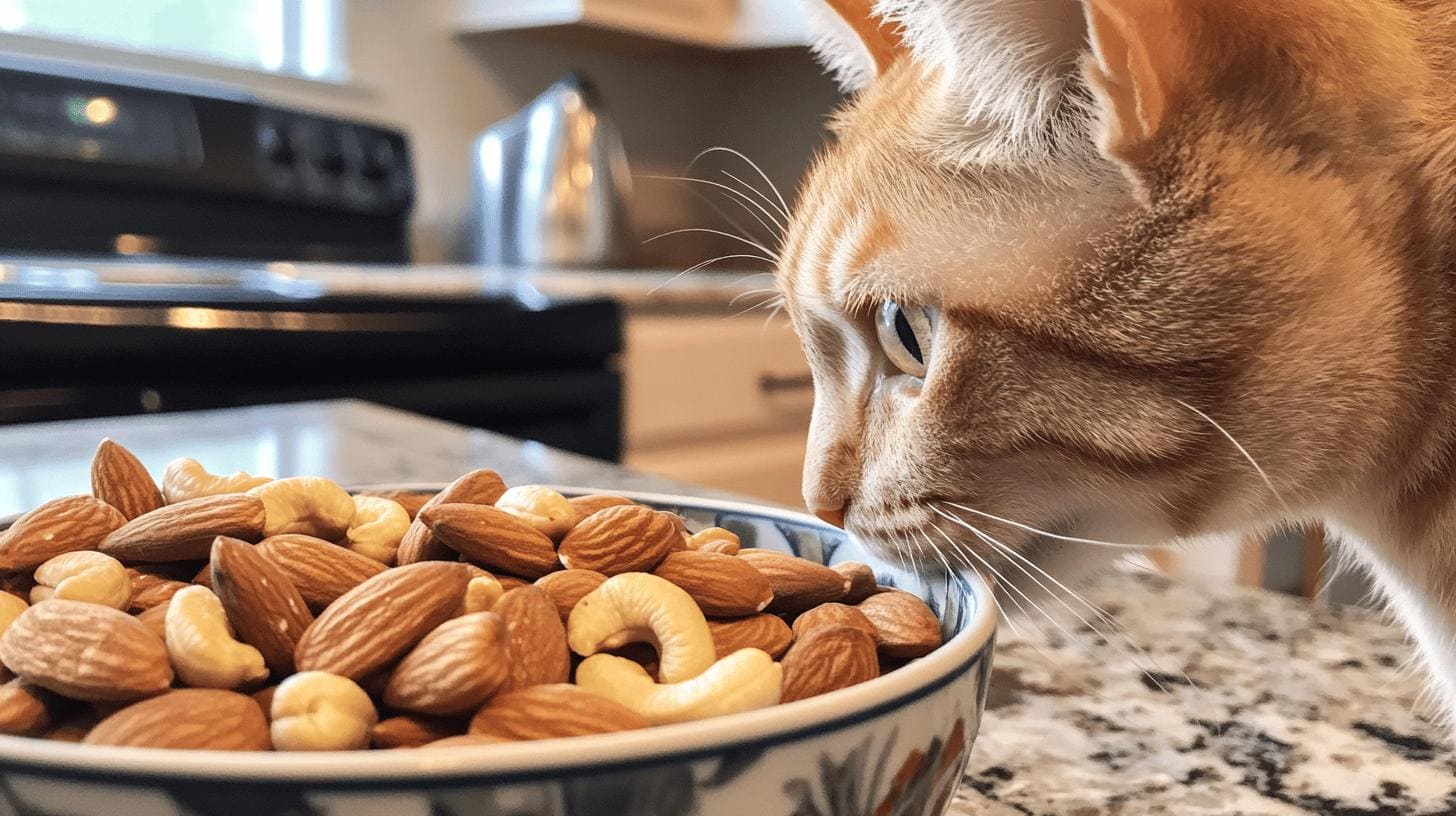
Understanding which nuts are safe for cats is crucial for pet owners who might think about sharing snacks with their feline companions. While some nuts may not be immediately toxic, they aren't necessarily beneficial for cats either. Let's take a closer look at specific types of nuts and their safety for cats.
Cashews
- Safe in small amounts
- High-fat content may lead to diarrhea
- Not a necessary part of a cat's diet
Almonds
- Safe but with little nutritional value
- Risk of choking
- Not ideal as a regular treat
Walnuts
- Not toxic but not beneficial
- Can cause digestive issues
- Better avoided in a cat's diet
Each nut type presents different considerations for cat owners. While almonds and cashews may be safe in tiny amounts, they offer little to no nutritional value and can cause discomfort. Walnuts, though not toxic, can also be problematic, making them less suitable as a treat. Always prioritize your cat's health by selecting food that aligns with their dietary needs.
Potential Dangers and Health Risks of Feeding Nuts to Cats
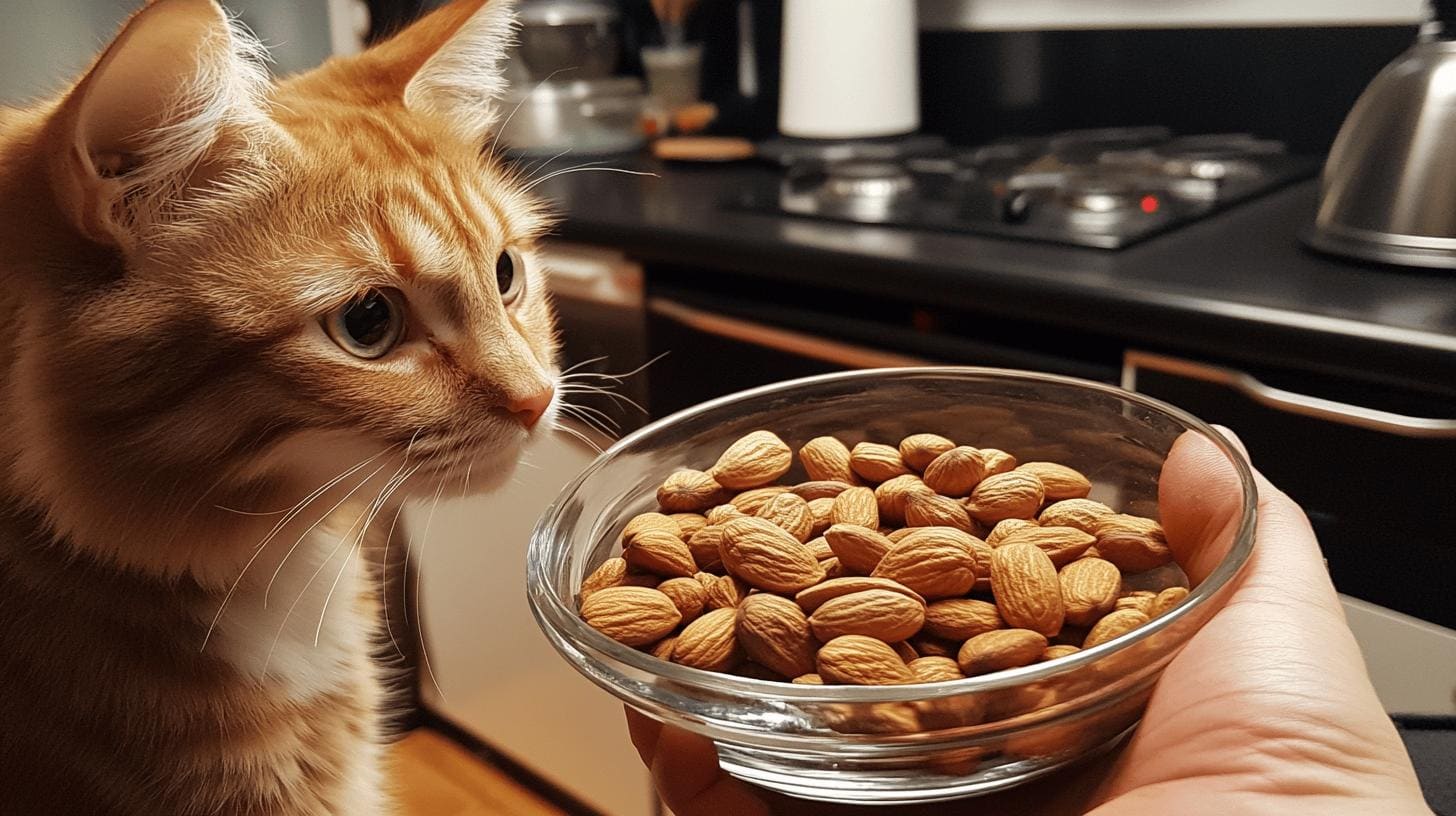
Feeding nuts to cats poses several health risks. High-fat content in nuts can lead to obesity and pancreatitis. Cats don’t require the amount of fat found in nuts, making them unsuitable for their diet. Digestive issues can arise as cats aren't naturally equipped to process nuts efficiently, and the risk of choking or gastrointestinal blockages is significant.
Allergic reactions to nuts, though rare, can still occur in cats and present as vomiting, diarrhea, or severe gastrointestinal distress. It's crucial to monitor for these symptoms, as they indicate an allergic response. Reactions can vary in severity and might need veterinary care if they persist.
Awareness of nut toxicity symptoms is key in keeping your cat healthy. If your cat consumes nuts, watch for:
- Vomiting and diarrhea
- Lethargy or unusual behavior
- Loss of appetite
- Digestive distress
Avoid giving your cat nuts to prevent these health issues and focus on a diet suitable for their needs.