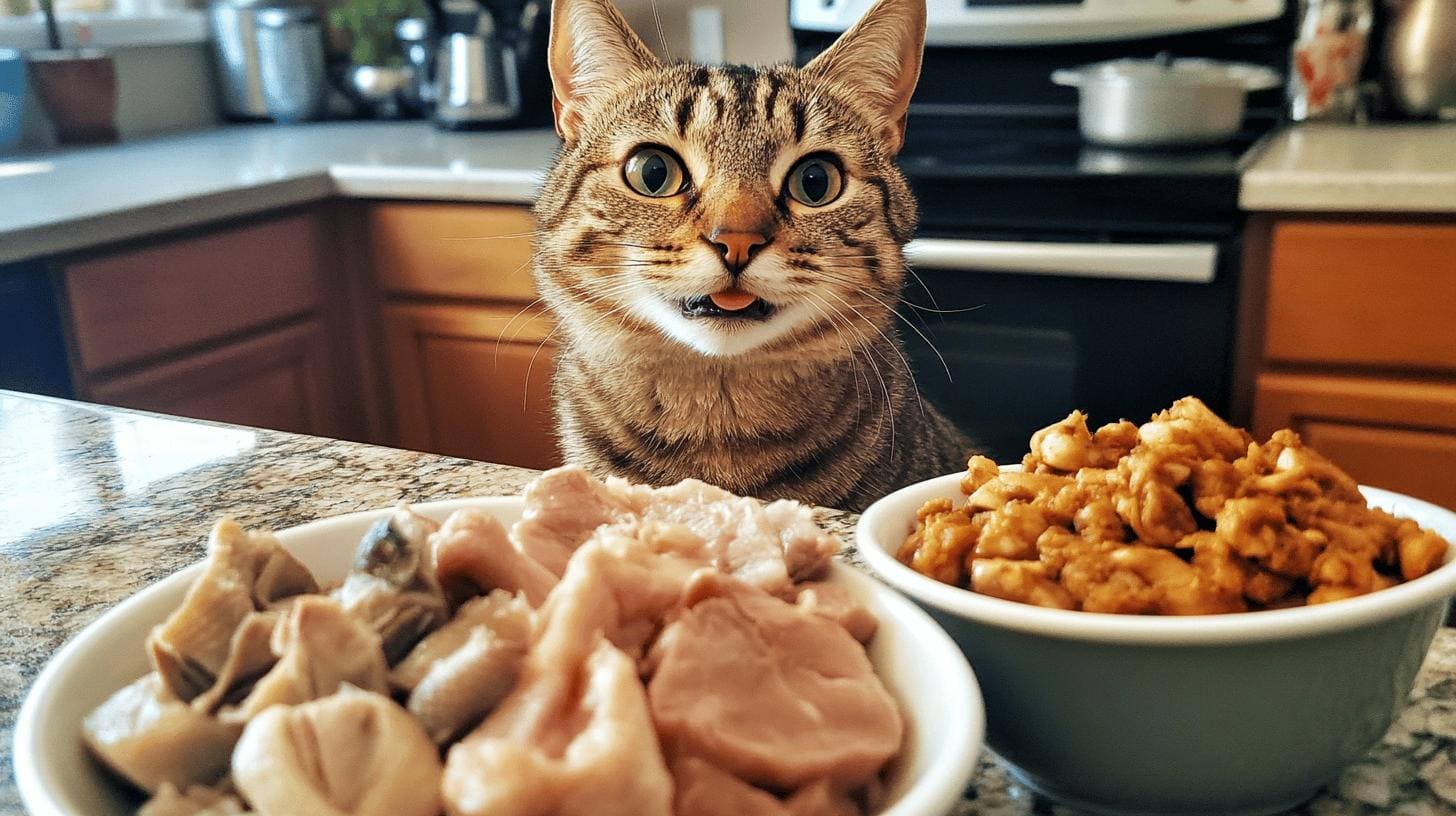
Is raw pork the new tempting treat for your cat, or a ticking time bomb? It might seem natural to offer your feline friend a bit of raw pork, but understanding the risks could save you a world of trouble. Raw pork can harbor nasty parasites and bacteria like Trichinella spiralis and Salmonella, lurking like shadows waiting to pounce. These dangers aren't just scary—they can lead to painful illnesses. To keep your cat safe, it's smart to know the facts and explore safer alternatives. Dive in to learn how to protect your kitty from these hidden threats.
Can Cats Eat Raw Pork? Understanding the Risks and Safety
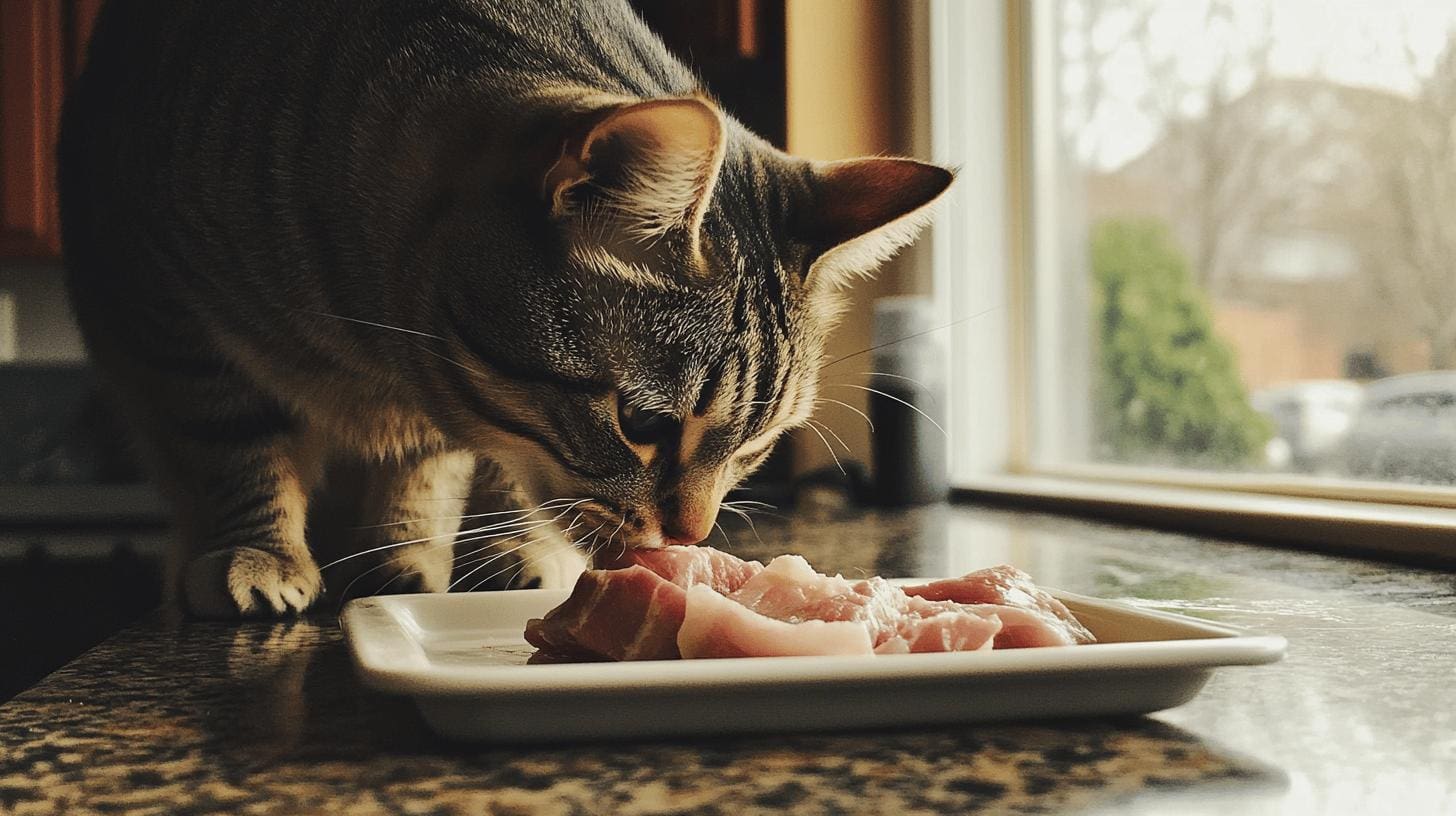
Feeding raw pork to cats comes with significant dangers. One of the main risks is the presence of parasites such as Trichinella spiralis, which can lead to serious health issues. Bacteria like Salmonella and E. coli further heighten the risk, posing potential threats to your cat's health. These pathogens can lead to severe infections that are challenging to treat in cats. When considering if cats can eat raw pork, it's crucial to understand these inherent dangers.
Trichinosis is a condition caused by the Trichinella parasite that can severely impact cats. This illness results in symptoms ranging from muscle pain to gastrointestinal distress, which can be quite debilitating for your feline friend. Infected cats may experience symptoms like vomiting, diarrhea, and fatigue. Trichinosis can be difficult to diagnose and requires immediate veterinary attention, highlighting why feeding raw pork is risky.
Modern farming techniques have managed to reduce the prevalence of some parasites in pork. Despite these advancements, raw pork still poses a substantial health risk to cats. While the threat of parasites and bacteria might be lower than in the past, the potential danger remains significant. Therefore, it's best to prioritize your cat's safety by avoiding raw pork and considering safer alternatives.
Nutritional Value and Implications of Feeding Pork to Cats
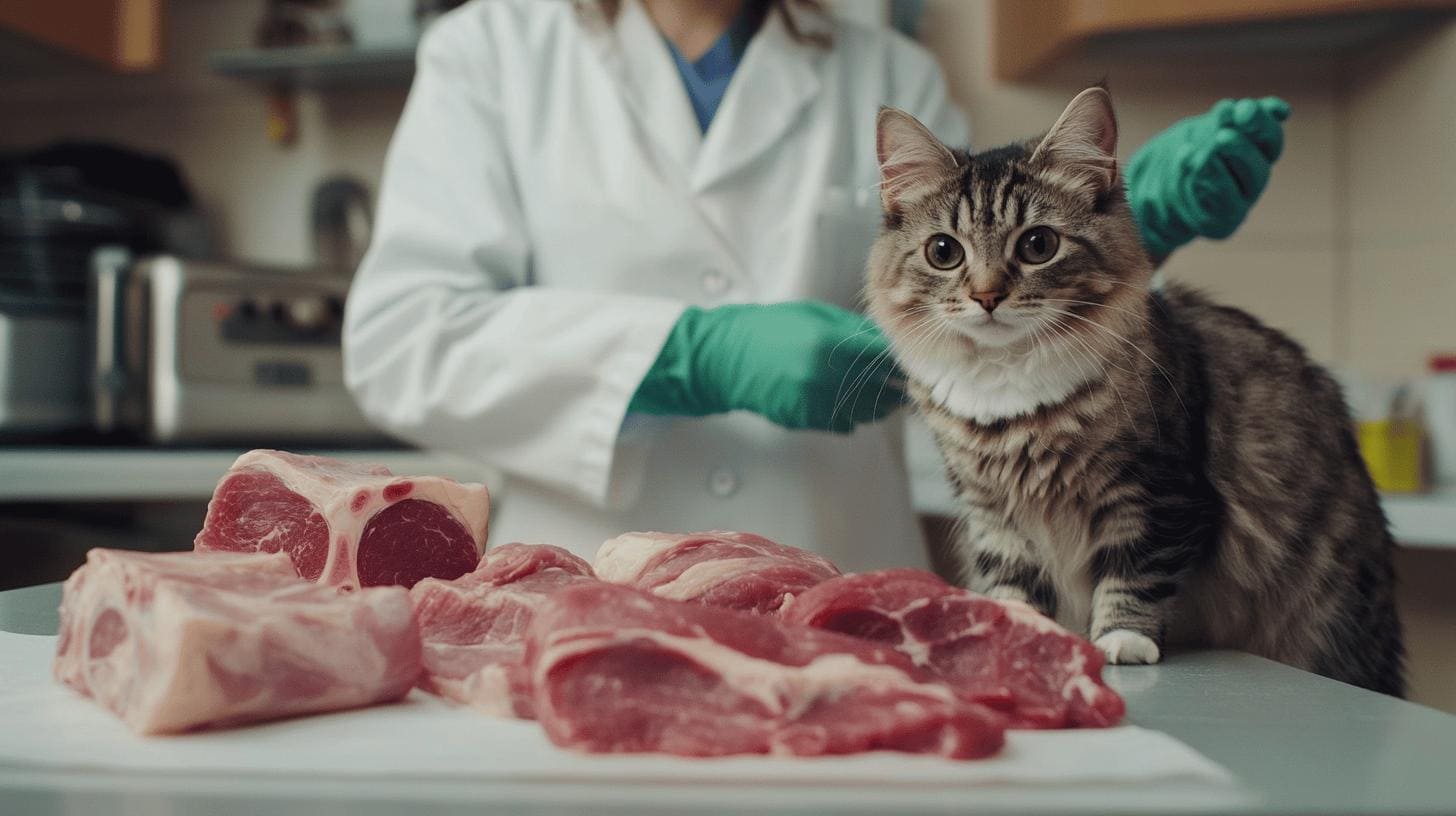
Pork is a high-protein meat that can provide essential nutrients to a cat’s diet when prepared properly. With its rich protein content, pork offers a valuable source of energy and supports muscle development in cats. While pork is nutritious, its fat content can vary significantly depending on the cut. This variability means that not all pork cuts are equally beneficial for cats, especially those needing a lower-fat diet.
Here's a quick look at different pork cuts and their typical protein and fat content:
| Pork Cut | Protein Content (per 100g) | Fat Content (per 100g) |
|---|---|---|
| Pork Loin | 24g | 5g |
| Pork Tenderloin | 26g | 3g |
| Pork Shoulder | 21g | 12g |
| Pork Sirloin | 23g | 6g |
| Pork Belly | 15g | 30g |
Choosing lean cuts like pork loin and sirloin is crucial for minimizing fat intake in a cat’s diet. These cuts offer the protein benefits without the excessive fat, making them more suitable for maintaining a healthy weight. By carefully selecting pork cuts, you can balance nutritional benefits while keeping fat levels in check for your feline friend.
How to Safely Prepare Pork for Cats
Freezing pork is a crucial step in preparing it safely for your cat. This method helps to eliminate parasites that can be harmful to your pet. To effectively kill off parasites such as Trichinella spiralis, you should freeze the pork at a temperature of -15°C (5°F) for at least three weeks. This extended freezing period ensures that any parasites present in the raw meat are neutralized, significantly reducing the risk of your cat contracting illnesses like trichinosis.
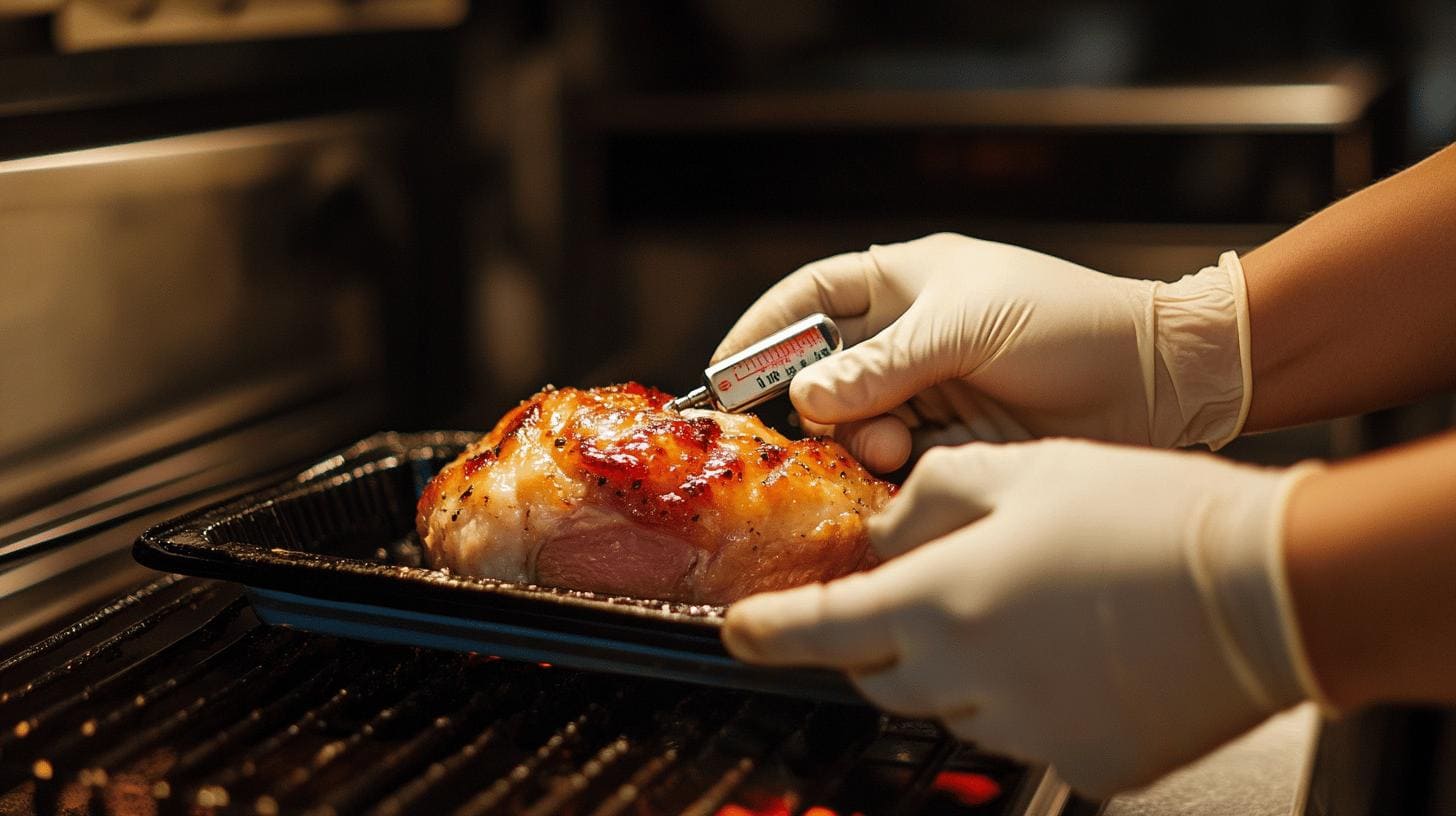
Cooking pork to the right temperature is another essential step in ensuring its safety for cats. To eliminate bacterial risks such as Salmonella and E. coli, it's recommended to cook pork to an internal temperature of 145°F (63°C). Using a meat thermometer can help you accurately measure this temperature, ensuring that the meat is cooked thoroughly. Cooking not only makes the pork safe but also enhances its digestibility for cats, providing them with a nutritious meal without the danger of bacterial infection.
When handling raw meat, maintaining proper hygiene practices is vital to prevent contamination:
- Always wash your hands thoroughly with soap and water before and after handling raw pork.
- Use separate cutting boards and utensils for raw meat to avoid cross-contamination.
- Clean all surfaces and tools immediately after use with hot, soapy water.
- Store raw pork in sealed containers to prevent exposure to other foods in the fridge.
- Avoid refreezing meat that has been previously thawed to maintain quality and safety.
- Dispose of any meat that's been left out at room temperature for more than two hours.
By following these preparation and hygiene practices, you can ensure that the pork you serve to your cat is both safe and nutritious. These steps are vital in protecting your pet from potential health risks associated with raw pork. Prioritizing safety in pork preparation not only keeps your cat healthy but also allows you to confidently include this protein source in their diet.