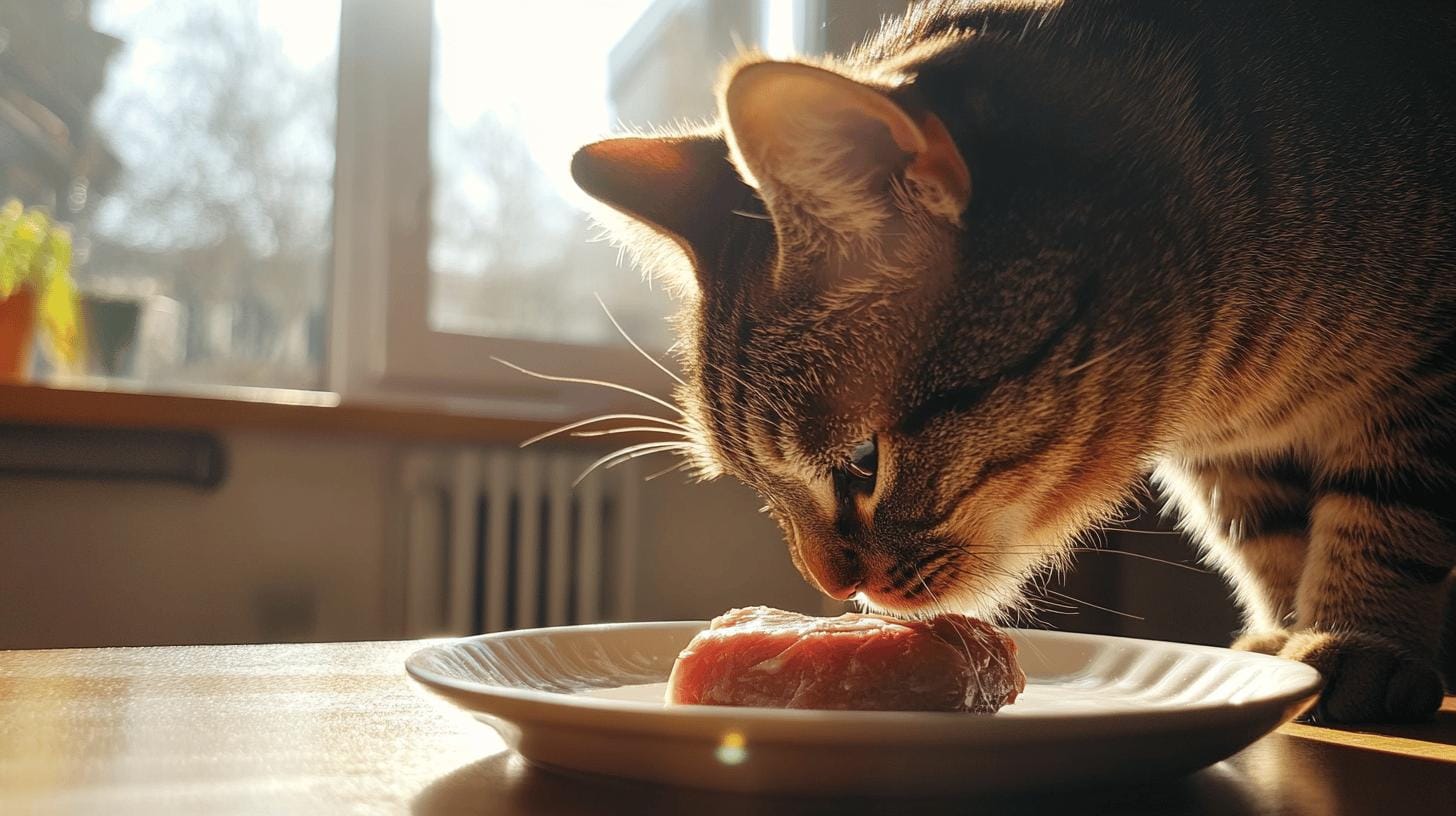
Ever wondered if Fluffy can munch on raw steak like a wild feline? Many cat owners toy with the idea, considering the benefits of a protein-packed diet that seems natural for their meat-loving pets. But is it safe for your whiskered friend? In this blog post, we'll dive into the health risks and benefits of raw steak for cats. We'll explore the potential dangers lurking in uncooked meat and why some experts are divided on this raw food craze. Let's uncover if this tempting treat is a purr-fect choice or a risky gamble.
Can Cats Safely Eat Raw Steak?
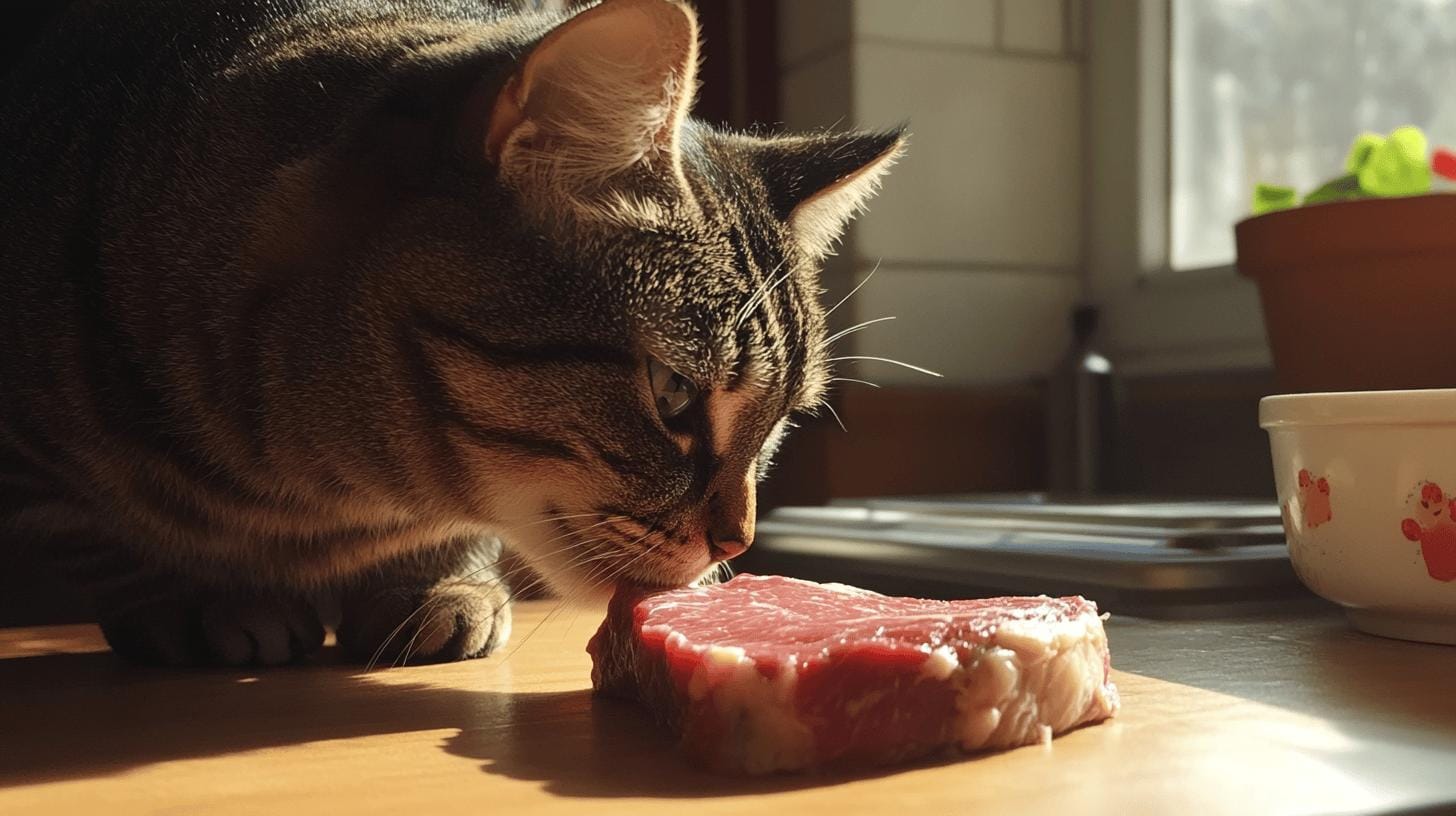
Cats, being obligate carnivores, naturally gravitate towards meat, making raw steak an appealing option for their diet. The taste and texture of raw meat can be enticing for many cats, and some pet owners believe it aligns closely with a cat's ancestral eating habits. The idea is that raw steak might provide the protein and nutrients cats need, but caution is essential.
Feeding raw steak carries significant bacterial risks that can jeopardize your feline friend's health. Raw meat can harbor harmful bacteria such as Salmonella, E. coli, and Listeria. These pathogens can cause severe illnesses in cats, leading to gastrointestinal distress and other health complications. Additionally, parasites like Toxoplasma gondii, which can be present in raw meat, pose a threat, especially to kittens, elderly cats, and those with weakened immune systems.
Veterinary experts have mixed views on feeding raw steak. While some observe benefits in pets on raw meat-based diets (RMBDs), such as improved coat quality and higher energy levels, the risks associated with bacterial contamination and nutritional imbalances can't be ignored. Dr. Jane Smith, a renowned veterinarian, notes, "While raw diets are popular, the potential for harmful bacteria makes it crucial to approach with caution, especially for indoor cats."
Symptoms that may indicate a cat is suffering from a bacterial infection due to consuming raw meat include:
- Vomiting
- Diarrhea
- Lethargy
- Dehydration
- Loss of appetite
It's crucial to consult a veterinarian before introducing raw steak into your cat's diet. A vet can help tailor a dietary plan that meets your cat's nutritional needs while minimizing health risks. Personalized guidance ensures that any dietary changes are safe and beneficial for your cat's overall well-being.
Nutritional Value of Raw Steak for Cats
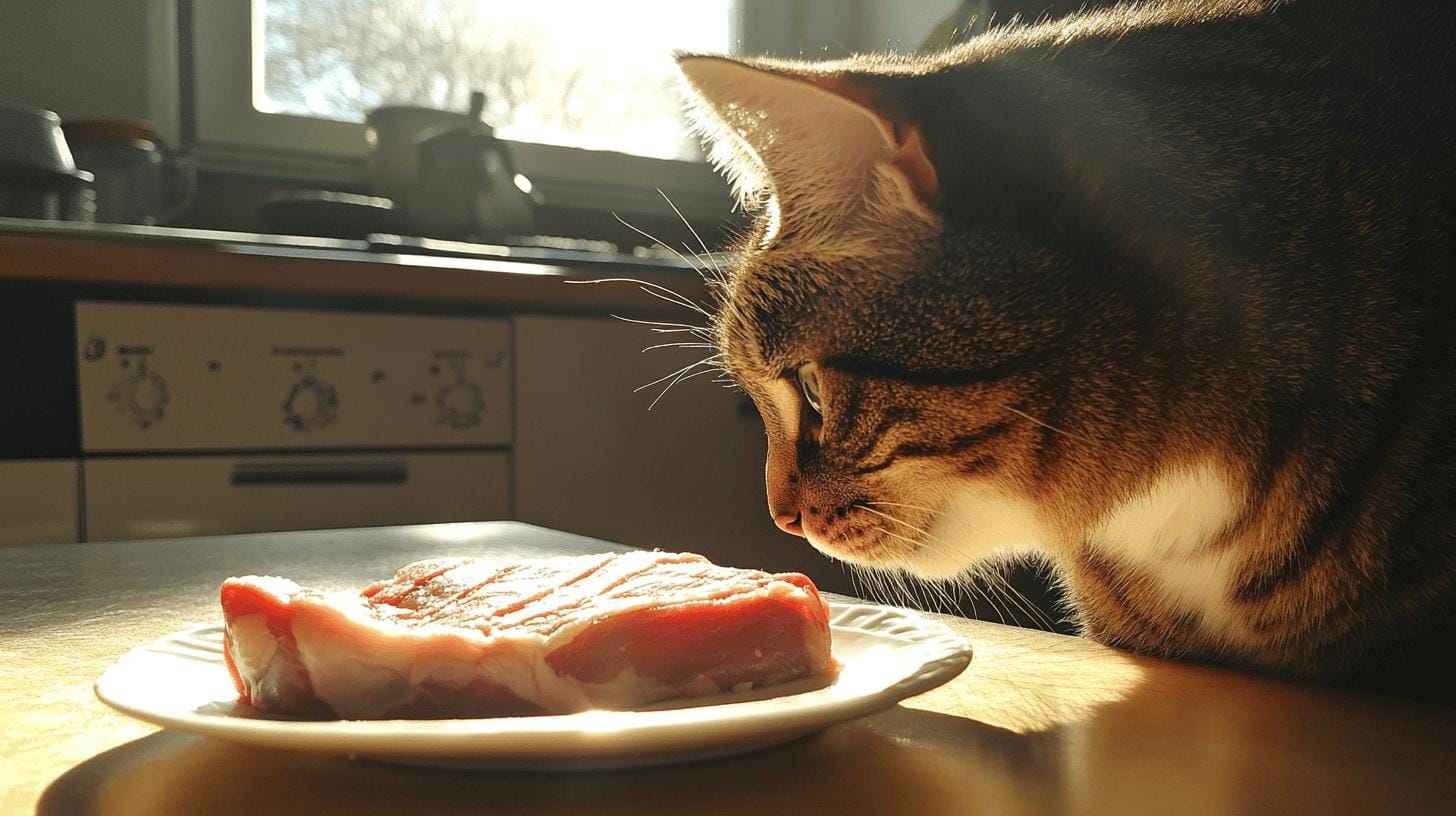
Steak is an excellent source of high-quality protein, which is essential for cats. As obligate carnivores, cats rely heavily on protein for the development and maintenance of their muscles and organs. Protein from steak provides the amino acids necessary for various bodily functions, supporting overall health and vitality.
Beyond protein, steak is packed with other crucial nutrients that contribute to a balanced feline diet. It contains iron, which is vital for oxygen transport in the blood, and zinc, which supports immune function and skin health. Phosphorus plays a role in bone health, while B vitamins found in steak help with energy metabolism and maintaining a healthy nervous system.
Taurine, an essential amino acid for cats, is not adequately supplied by steak alone. While steak does contribute some amino acids, cats require taurine for vision, heart function, and reproductive health. Without sufficient taurine, cats can experience serious health issues, underscoring the importance of a diet that includes a variety of amino acids.
However, relying solely on raw steak can lead to nutritional shortfalls:
- Lack of taurine: Essential for heart and eye health.
- Insufficient calcium: Needed for bone health.
- Vitamin deficiencies: Such as vitamin A and E, crucial for overall health.
- Imbalanced fatty acids: Leading to poor coat quality and skin issues.
Ensuring your cat receives a balanced diet is key to preventing these deficiencies and maintaining their health.
Alternatives to Raw Steak for Cats
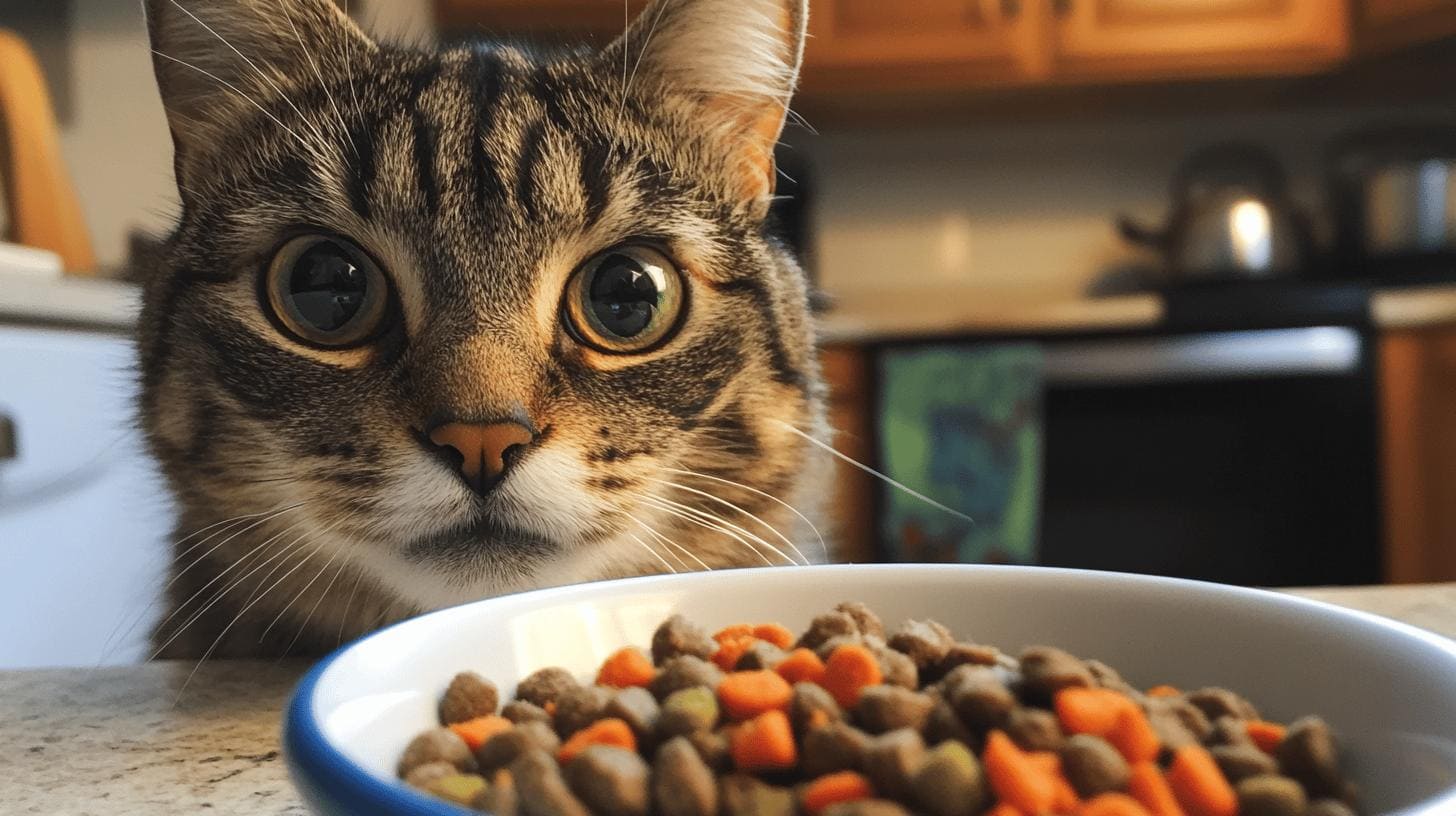
Commercial cat foods offer a practical and safe alternative to raw steak, crafted to mirror the nutrient profile of a cat's natural diet while eliminating the risks associated with bacterial contamination. These formulated foods ensure your cat receives a balanced intake of proteins, vitamins, and minerals without the safety concerns of raw meat. Many of these products are designed to meet all of a cat's nutritional needs, providing peace of mind for pet owners.
Here are some alternative protein sources and feeding methods to consider:
- High-quality commercial cat food: These products are specifically designed to deliver complete nutrition and often include ingredients that mimic a cat's natural diet.
- Gently cooked homemade meals: Cooking meat slightly can eliminate bacteria while maintaining nutrient content, offering a safe way to feed your cat.
- Freeze-dried or dehydrated raw foods: These options preserve the nutritional benefits of raw meat while reducing bacterial risks through the drying process.
- Supplementing with other proteins like rabbit or poultry: Diversifying protein sources can ensure a balanced diet and reduce the reliance on steak.
Safe food handling and storage are crucial in maintaining your cat's health. Always wash your hands thoroughly after handling raw meat, and ensure that any surfaces or utensils used are properly cleaned. Store meat at the correct temperature to prevent spoilage, and be cautious about cross-contamination with other foods. By following these practices, you can keep your cat safe and healthy while exploring various dietary options.