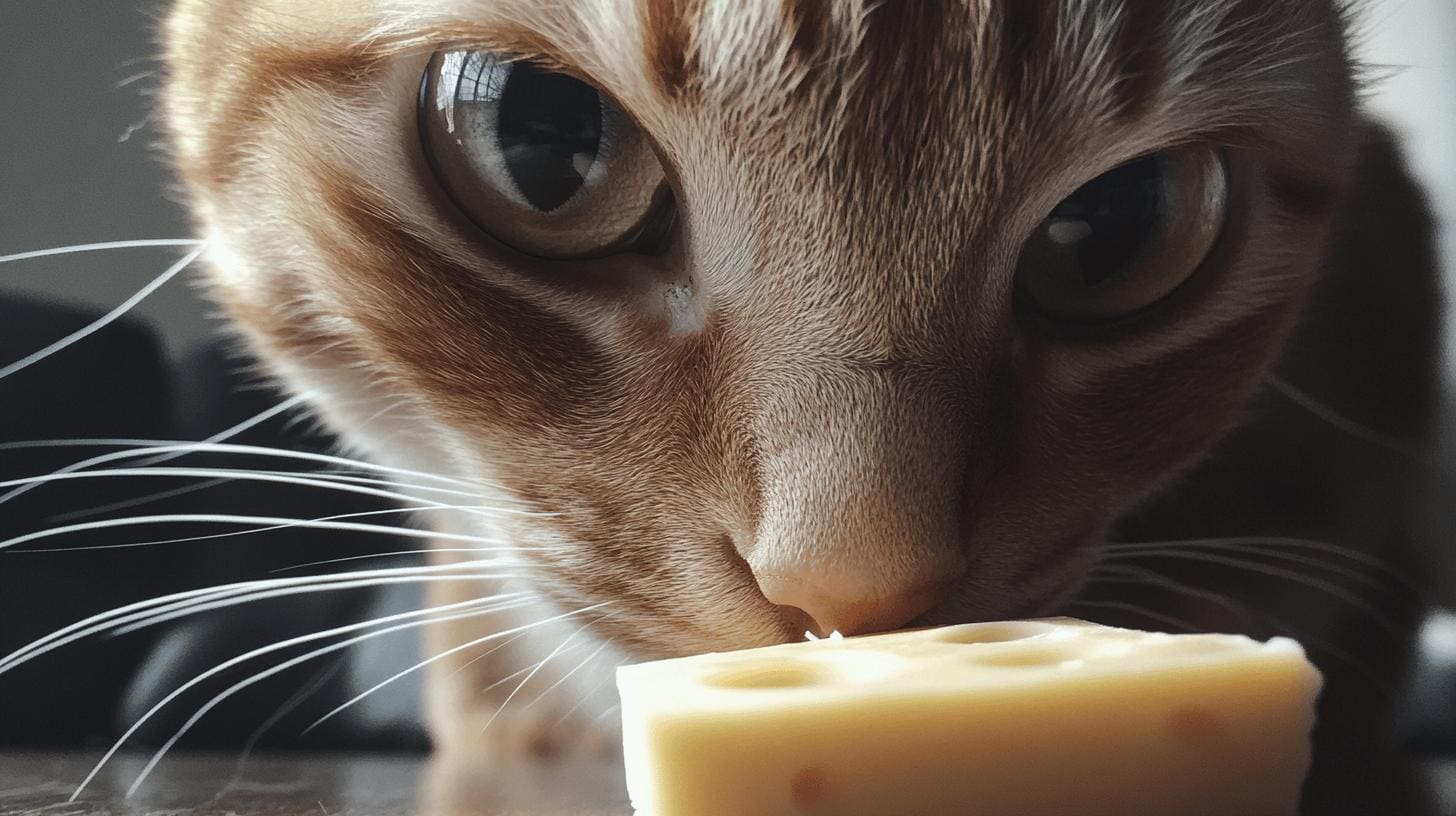
Is your feline friend eyeing your string cheese snack? It might seem harmless to share a bite, but there's more to consider. Many cats enjoy the tasty appeal of cheese, yet this dairy delight might lead to digestive troubles.
While string cheese might seem like a safe treat, its high lactose content can be a problem for lactose-intolerant cats. In this article, I'll explain the health risks of cheese and why it might not be the best snack for your cat. Let's dive into the details.
Can Cats Safely Eat Cheese and Understanding Health Risks
Cats are naturally drawn to cheese because of its rich fat and protein content, which appeals to their carnivorous instincts. The creamy texture and savory flavor might tempt them, making it an easy snack for curious felines.
Yet, despite its allure, cheese, including string cheese, doesn't offer significant nutritional benefits for cats. String cheese, often made from mozzarella, is high in lactose, which can pose digestive challenges for our furry friends.
Most cats are lactose intolerant, which means they lack the enzyme lactase needed to digest lactose found in dairy products. This intolerance stems from a natural decrease in lactase production as cats age, especially after weaning.
When lactose isn't properly digested, it can ferment in the intestines, leading to uncomfortable symptoms and digestive upset. Thus, cheese ingestion by cats can result in gastrointestinal discomfort.
Here are some potential risks and symptoms associated with feeding cheese to cats:
- High lactose content leading to digestive upset: Cats may experience stomach pain and bloating.
- Potential allergic reactions such as skin rashes: Some cats may be sensitive to dairy proteins.
- Risk of obesity if consumed frequently: Cheese is calorie-dense and can contribute to weight gain.
- Symptoms like diarrhea, vomiting, and bloating: These indicate digestive distress and should be monitored closely.
Due to these risks, veterinarians generally advise against offering cheese as a treat. While not toxic, cheese does not cater to the dietary needs of obligate carnivores like cats. It's crucial to monitor for any adverse reactions if cheese is consumed and consult a vet if symptoms arise.
The lack of substantial nutritional benefits further reinforces why cheese is not recommended. Cats thrive on animal-based proteins and nutrients, which cheese cannot adequately provide. Veterinarians suggest opting for more appropriate snacks that align better with a cat's nutritional requirements, ensuring their health and well-being.
Alternatives to Cheese for Cats
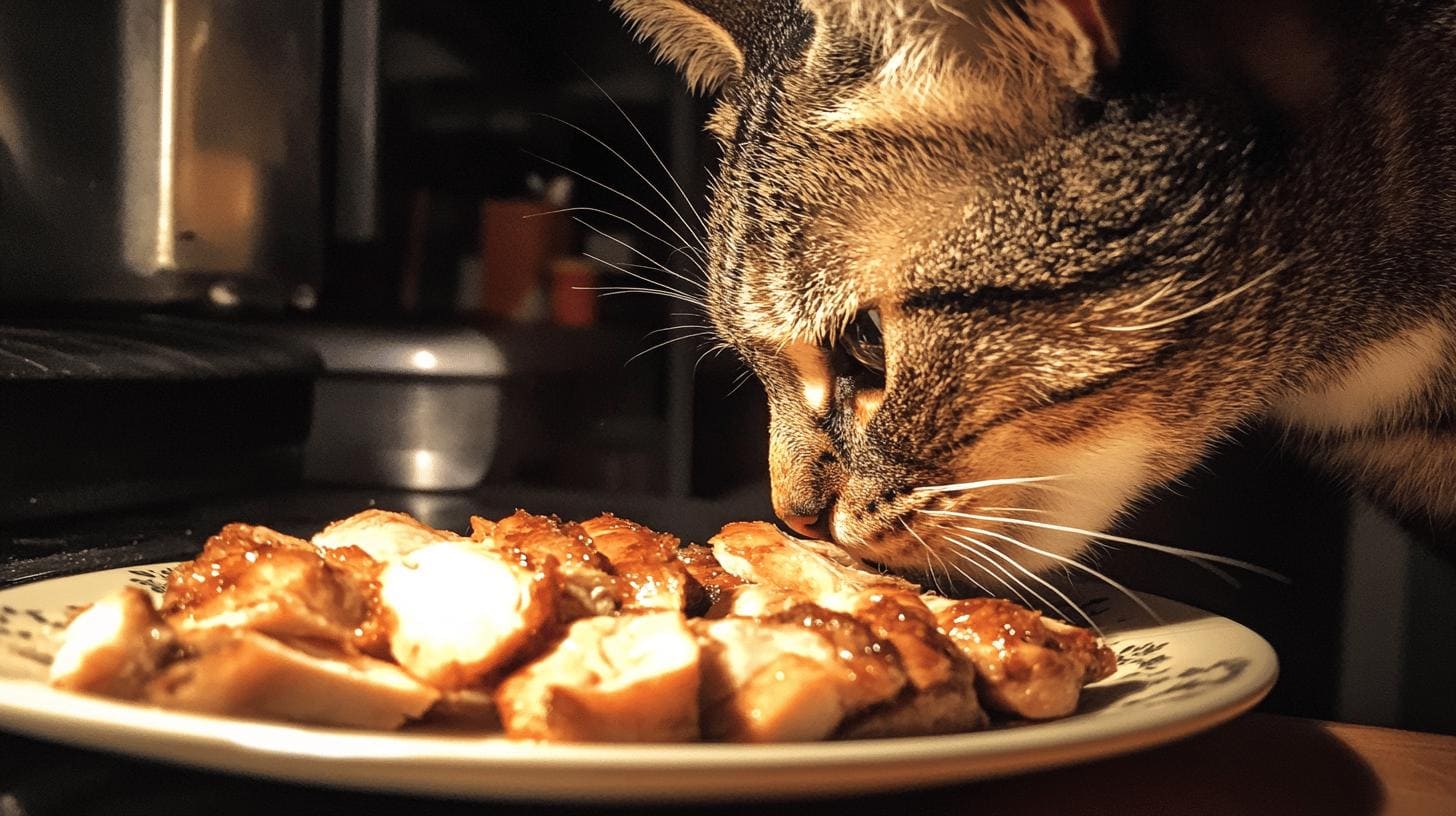
Offering cats non-dairy treats can be a smarter choice for their health. Cheese, especially string cheese, can be hard for cats to digest due to high lactose levels, potentially leading to digestive issues. Non-dairy treats, on the other hand, are easier on a cat's stomach and align better with their natural dietary needs.
Cats are obligate carnivores, which means their bodies thrive on meat-based proteins. By choosing alternatives to cheese, you can avoid the risks of lactose intolerance and offer snacks that are more suitable for your feline's nutritional requirements.
Here are some recommended treats that are safer and healthier for cats:
- Plain cooked poultry or beef
- Commercial cheese-flavored cat treats
- Grain-free cheese-infused options like Inaba Chicken Stew
These alternatives provide the protein and nutrients cats crave without the digestive upset cheese might cause. Meat-based treats like plain cooked poultry or beef are closer to what cats would naturally eat, offering essential nutrients without unnecessary additives.
Cheese-flavored cat treats deliver the taste cats love while being formulated to avoid the lactose problem. By opting for these alternatives, you ensure your cat gets the best nutrition and enjoyment from their snacks.