Can cats eat tuna safely, or are we unknowingly putting our furry friends at risk? This question has stirred debates among cat lovers everywhere. Tuna has long been a favorite treat for many cats, but is it actually healthy for them?
While high in protein and omega-3 fatty acids, providing a glossy coat and muscle strength, tuna should not be a dietary staple. In this post, we'll explore how often you can safely treat your cat to tuna without risking their health, ensuring a joyful and safe snack for your feline friend.
Can Cats Eat Tuna Safely?
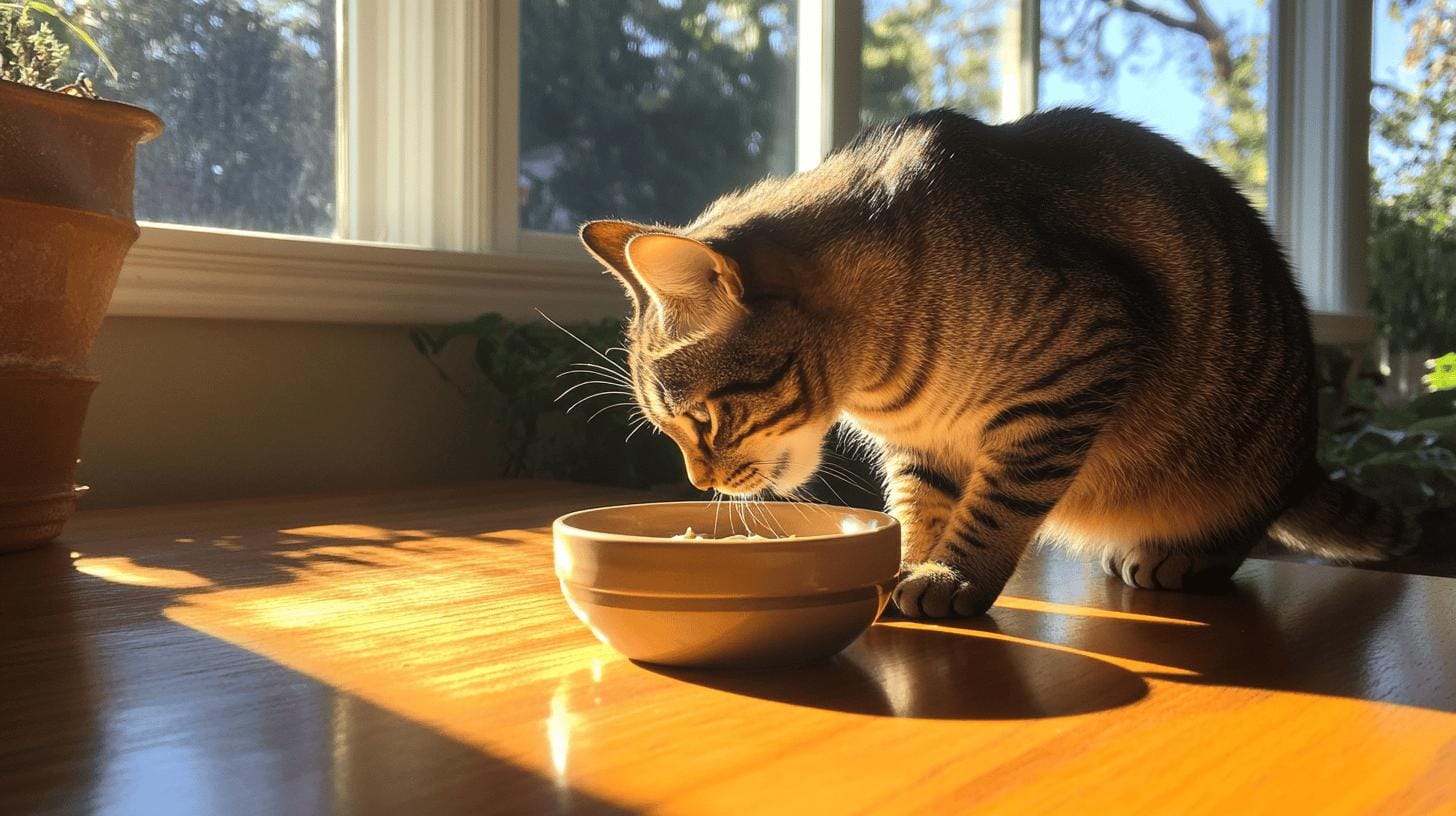
Cats can enjoy tuna, but it should be offered with caution. Tuna can be part of a cat's diet, but it must not replace their regular, balanced meals. Tuna is high in protein and offers omega-3 fatty acids, which are beneficial for a cat's skin and coat.
However, tuna should only be an occasional treat, making up no more than 10% of a cat’s daily caloric intake. This ensures that your feline friend receives all the necessary nutrients they need from their primary diet—high-quality cat food.
Feeding too much tuna can pose health risks due to its mercury content. Mercury is more harmful to cats because of their smaller body size, potentially leading to kidney failure or neurological issues.
Tuna also lacks certain essential nutrients that cats require, such as taurine, which is crucial for their heart and vision health. Therefore, while tuna can be a tasty treat, it should never be the main component of a cat's diet.
-
Mercury Risk: High levels can lead to kidney failure and neurological issues.
-
Nutritional Imbalance: Lacks essential nutrients like taurine.
-
High in Protein: Beneficial for muscle health.
-
Omega-3 Fatty Acids: Supports skin and coat health.
-
Caloric Intake: Helps prevent overfeeding by taking up only 10% of daily intake.
To safely offer tuna to your cat, opt for canned tuna packed in water without added salt or flavorings. Stick to small portions and avoid making it a regular habit. Always monitor your cat for any unusual symptoms after eating tuna and consult your vet if you notice any changes in behavior or health.
Understanding the Health Risks of Feeding Tuna to Cats
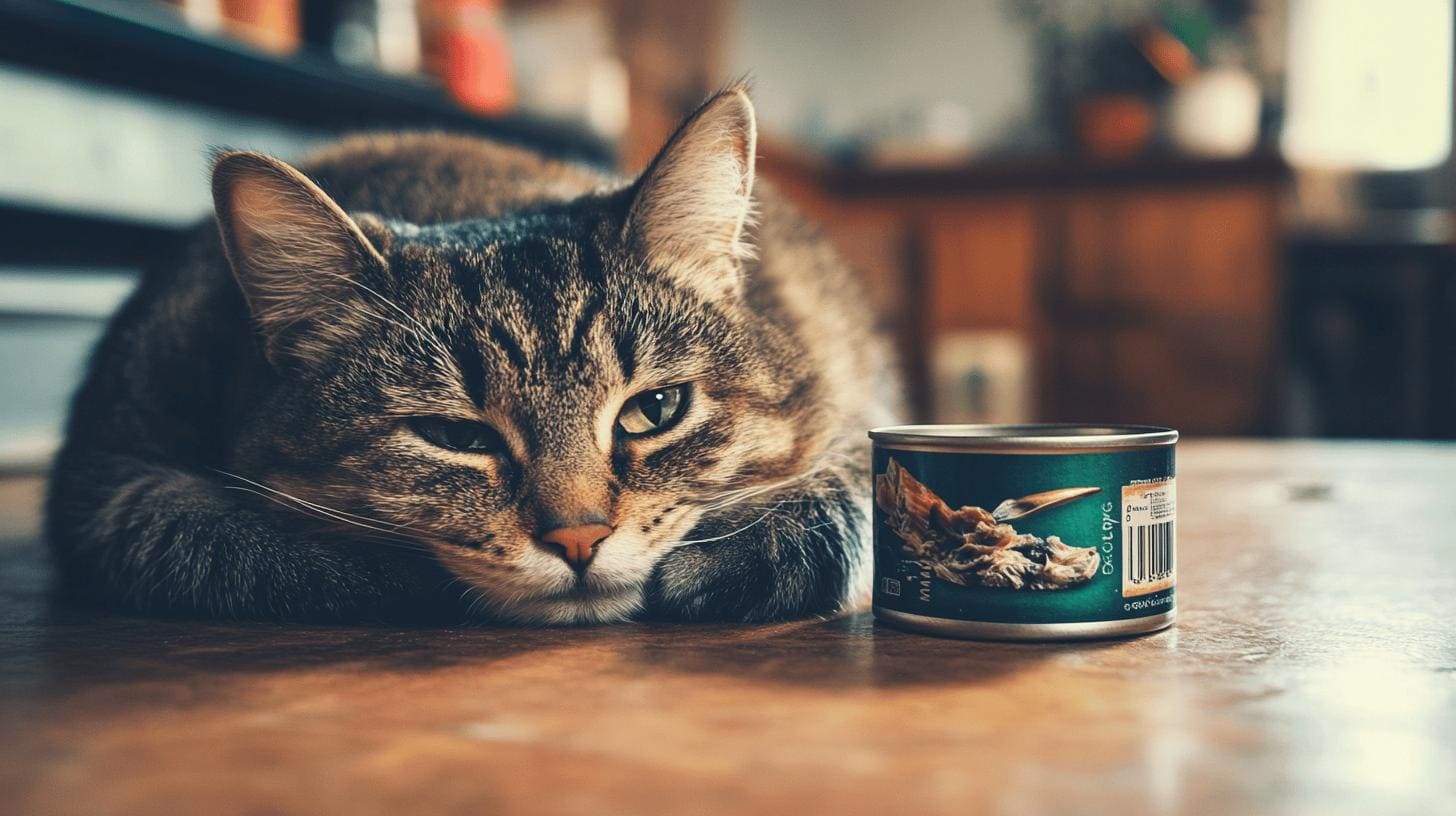
Overfeeding tuna can present significant health risks for our feline companions. While tuna can be a delicious treat, it doesn't provide the complete balance of nutrients that cats need. A diet overly reliant on tuna may lead to nutritional deficiencies, as it lacks essential nutrients like taurine and certain vitamins.
High mercury content in tuna is another concern. Cats, being smaller in size, are more susceptible to mercury poisoning, which can lead to serious health conditions such as kidney damage and neurological issues.
Symptoms of Mercury Poisoning in Cats
-
Loss of Coordination: Cats may appear unsteady or have difficulty walking.
-
Seizures: Sudden and uncontrollable movements can occur.
-
Gastrointestinal Upset: Symptoms might include vomiting or diarrhea.
- Behavioral Changes: Unusual aggression or lethargy can be indicators.
To ensure your cat's health, it's crucial to practice moderation when feeding tuna. Keep track of how much tuna your cat consumes and remain vigilant for any unusual symptoms. I
f your cat exhibits any symptoms associated with mercury poisoning or other health issues, consult your veterinarian immediately. While tuna can be an occasional treat, it should never replace a balanced diet specifically designed for feline nutritional needs.
Types of Tuna and How to Prepare Them for Cats
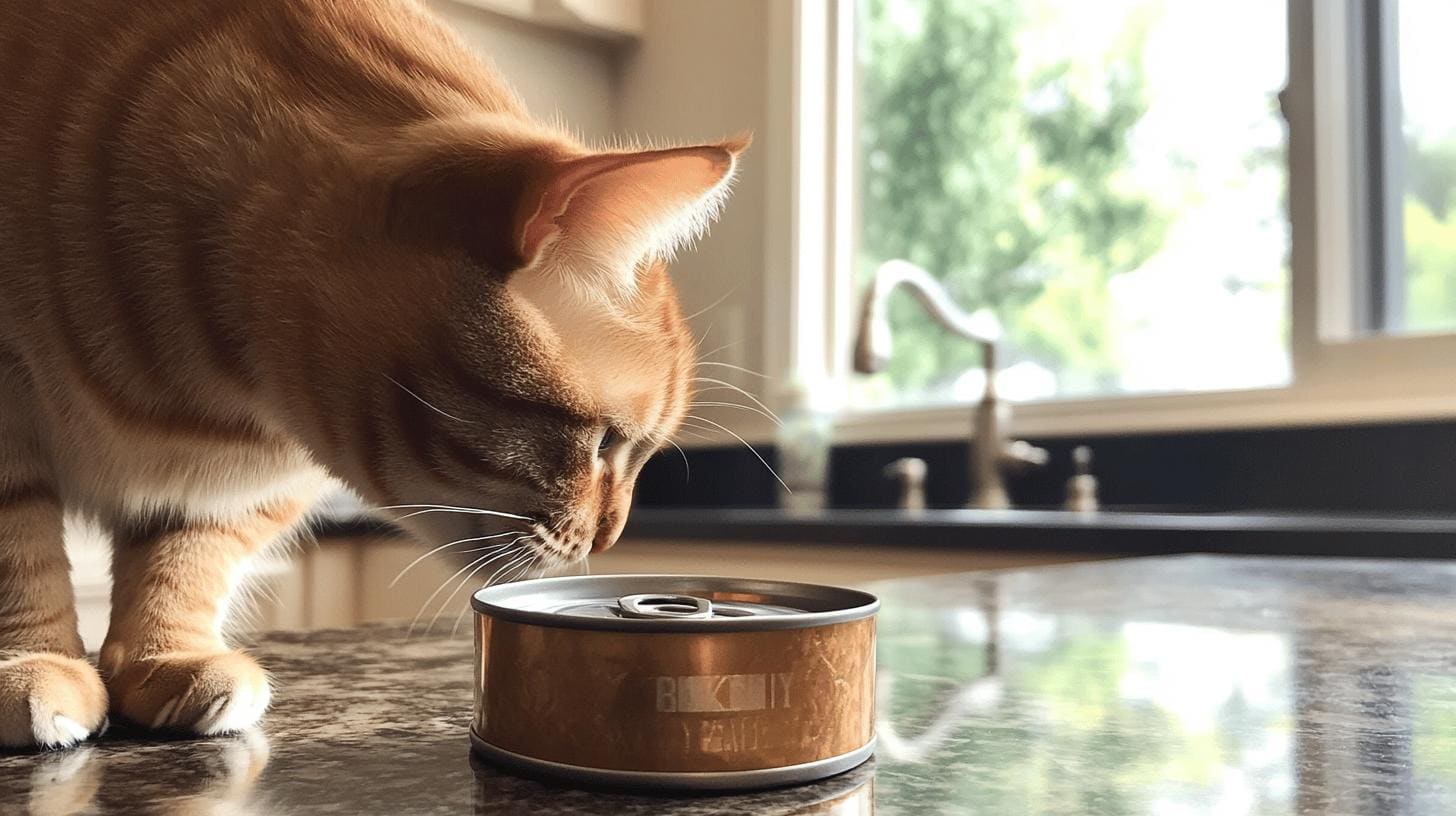
Choosing the right type of tuna is essential for your cat's health. Not all tuna is created equal, and some types can pose risks due to high mercury levels or added ingredients. When feeding tuna to cats, considering its preparation and type ensures they get a safe and tasty treat without compromising their health.
Canned Tuna
Canned tuna is a popular choice among cat owners. It's important to select tuna packed in water rather than oil, which can add unnecessary fats and calories to your cat's diet.
Tuna in water is a leaner option and doesn't have the added sodium and flavorings that can be harmful. Chunk-light tuna is also preferred over albacore tuna, as it contains less mercury, making it a safer choice for your feline friend.
Raw vs Cooked Tuna
Raw tuna might seem like a natural choice, but it can harbor bacteria and parasites harmful to cats. Cooking tuna eliminates these risks, making it a safer option.
Cooked tuna should be prepared without salt, seasonings, or oil to avoid any digestive issues or health risks. By cooking tuna, you provide a safer treat that reduces the risk of bacterial infections.
Tuna in Oil vs Tuna in Water
Tuna packed in oil is not recommended for cats as it can lead to digestive problems and unnecessary weight gain. The oil can also contain added sodium and other seasonings that are not beneficial for cats.
On the other hand, tuna in water is a much healthier option. It provides a protein-rich treat without the additional fats and salts that could be harmful to your pet.
-
Opt for tuna packed in water to avoid added sodium and oils.
-
Always cook tuna to eliminate bacteria and parasites.
-
Serve tuna in small portions to prevent overconsumption.