
Can cats safely eat turmeric? As cat owners, we often search for ways to enhance our feline friends' health. Turmeric, a bright yellow spice packed with potential benefits, might just be the answer. Known for its anti-inflammatory and antioxidant properties, turmeric can offer health advantages when used properly.
But here's the catch: while it can be beneficial, understanding the right dosage and possible risks is crucial. In this article, we'll explore if turmeric can be a safe and effective addition to your cat's diet.
Can Cats Eat Turmeric? Safety and Risks
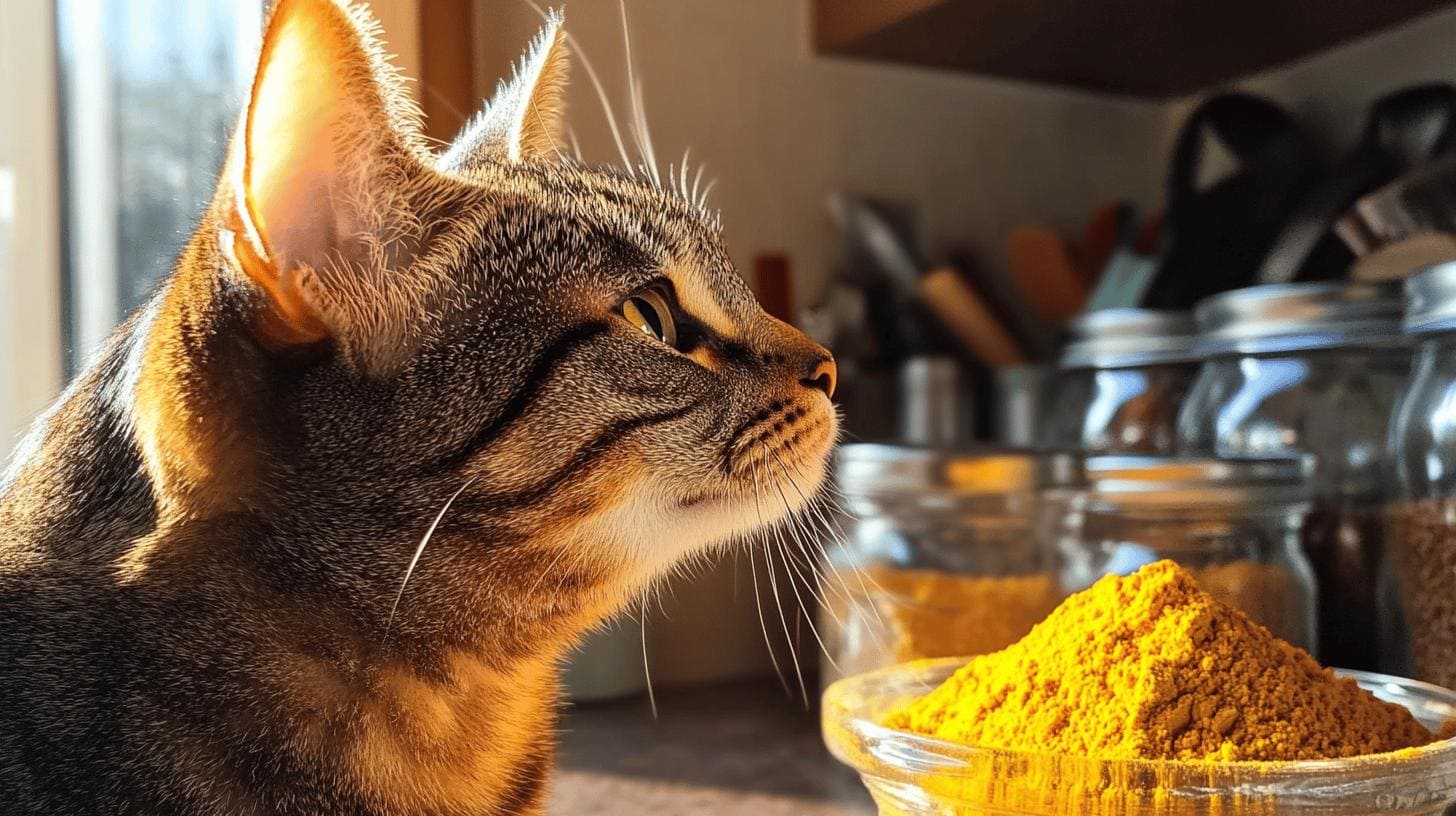
Turmeric can be a safe addition to a cat's diet when given in the right amounts. This golden spice, known for its anti-inflammatory and antioxidant properties, is generally safe for cats. It's crucial, though, to start with small doses and consult with a veterinarian to ensure it's suitable for your feline friend.
Cats have unique metabolic systems, and what works for one might not work for another. A veterinarian can help tailor the amount to your cat's specific needs and health conditions. Moderation is key; while turmeric can offer health benefits, overuse can lead to unwanted side effects.
Potential side effects of turmeric in cats include:
- Stomach upset or diarrhea
- Allergic reactions, such as itching or swelling
- Changes in appetite or lethargy
- Increased bleeding risk due to turmeric's blood-thinning effects
Once you've introduced turmeric into your cat's diet, it's important to observe any changes in their behavior or health. This will help you determine if the spice is having a positive effect or if adjustments are needed. If your cat shows signs of discomfort or adverse reactions, adjusting the dosage or discontinuing use might be necessary.
Keep in mind that turmeric should complement, not replace, standard veterinary care. Regular check-ins with your vet can ensure your cat continues to benefit from turmeric without any negative impacts.
Health Benefits of Turmeric for Cats

Turmeric is packed with anti-inflammatory and antioxidant properties that can be a boon for your cat's health. The active compound, curcumin, helps reduce inflammation, making it particularly useful for cats suffering from arthritis or inflammatory bowel disease.
These conditions can significantly affect a cat's quality of life, and turmeric's ability to alleviate inflammation can provide relief and enhance mobility. Its antioxidant properties also help neutralize harmful free radicals, protecting your cat’s cells from damage and supporting overall immune health.
Beyond its anti-inflammatory prowess, turmeric plays a vital role in supporting liver and digestive health. It aids in detoxifying the liver, which is crucial for cats exposed to various toxins. A healthy liver is essential for processing nutrients and keeping your cat’s metabolism in check.
Additionally, turmeric can promote better digestion by soothing the gastrointestinal tract, which might benefit cats with sensitive stomachs or those experiencing digestive issues.
Turmeric also offers cardiovascular benefits by boosting blood flow and reducing inflammation in blood vessels. This can help maintain healthy circulation and potentially regulate cholesterol levels, supporting your cat’s heart health. With these cardiovascular benefits, turmeric acts as a natural remedy to improve your cat's overall well-being, making it a valuable addition to their health regimen.
Dosage and Forms of Turmeric for Cats

Getting the right dosage of turmeric for your cat is crucial to ensure they reap the health benefits without any adverse effects. Typically, the recommended amount is between ⅛ to ¼ teaspoon of turmeric powder, but this can vary based on your cat's weight, age, and specific health needs.
It's always a good idea to start on the lower end and gradually increase, monitoring your cat's response. Small doses can help avoid stomach upset, a common side effect when introducing new supplements. Consulting with your vet can help tailor the dosage to your cat's individual requirements and keep their health on track.
There are several forms of turmeric you can introduce into your cat's diet. Turmeric powder is the most straightforward option and can be easily mixed with your cat's food. If you're looking for something a bit more potent, turmeric paste might be more suitable.
It's often made by combining turmeric powder with coconut oil or water, which can enhance absorption. Turmeric supplements designed for pets are another option, offering a more convenient way to ensure your cat receives the right dosage. Each form has its own benefits, and choosing the right one depends on your cat's preferences and health goals.
| Form | Recommended Dosage |
|---|---|
| Turmeric Powder | ⅛ to ¼ teaspoon per meal |
| Turmeric Paste | ¼ teaspoon mixed with food |
| Turmeric Supplements | Follow product instructions |

