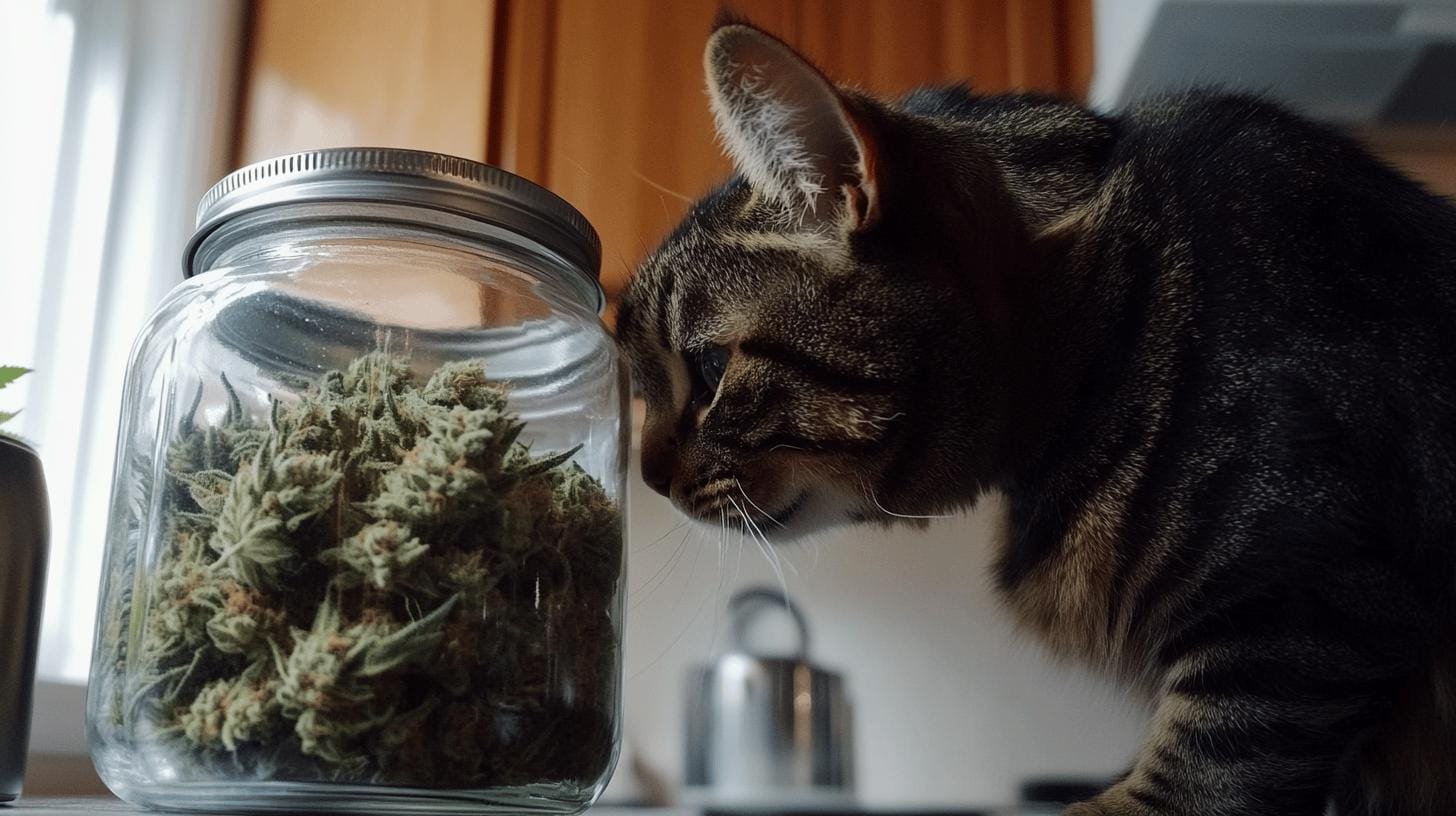
Ever wondered if a curious nibble on a weed leaf could harm your cat? The thought of a pet ingesting something potentially harmful can be unsettling. Cats are naturally inquisitive, and with the growing presence of marijuana in households, the risk of unintentional ingestion is real. The truth is, cannabis plants contain Delta-9-THC, a toxic compound for cats that can severely affect their nervous system. This article dives deep into the risks and safety concerns, so you can keep your furry friend safe and sound.
Can Cats Safely Consume Weed Leaves?
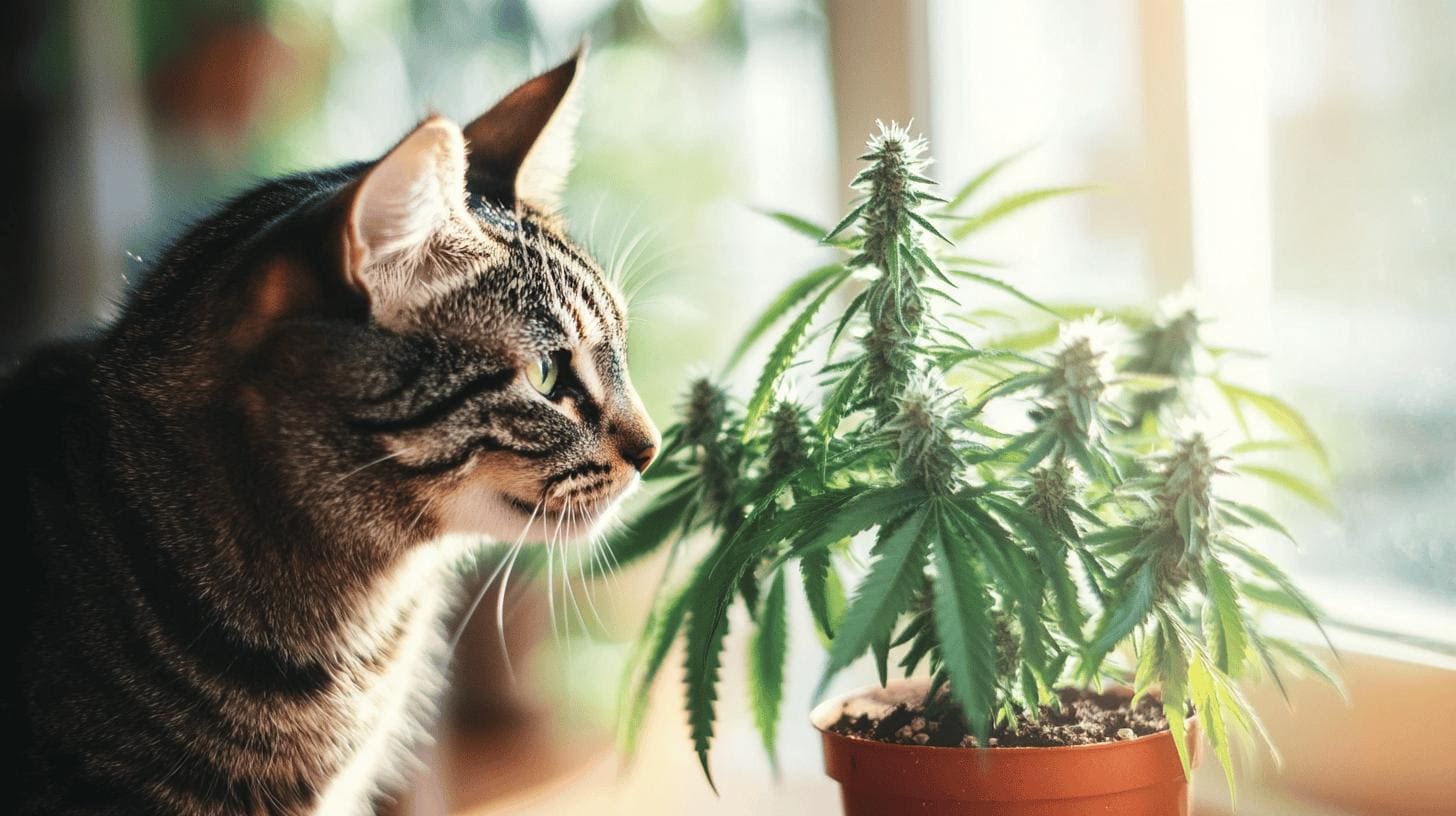
Marijuana is not safe for cats. Cannabis plants contain Delta-9-THC, a compound toxic to cats. THC affects their nervous system, potentially leading to severe health issues. Cats are extremely sensitive to THC, so even a small amount can be dangerous. If a cat ingests weed leaves, it’s crucial to seek veterinary care immediately.
Symptoms of marijuana toxicity in cats include:
- Sleepiness
- Vomiting
- Diarrhea
- Convulsions
- Coma
If you suspect your cat has consumed weed leaves, prompt veterinary intervention is critical. The symptoms can escalate quickly, and professional care is essential to manage the situation effectively. Quick action can make a significant difference in your cat's health and recovery.
Effects of Marijuana on Cat Behavior

Marijuana can significantly alter a cat's behavior due to its THC content. When cats ingest or are exposed to marijuana, they may experience various behavioral changes. These changes can be concerning for pet owners as they indicate the cat's neurological and physical distress.
Here are five specific signs of cannabis exposure in cats:
- Dizziness – Affected cats may appear unsteady and have difficulty walking.
- Disorientation – Cats might seem confused or unable to recognize their surroundings.
- Hyperactivity – Some cats may exhibit increased energy levels or erratic movements.
- Depression – Oppositely, they could become unusually quiet or withdrawn.
- Restlessness – Affected cats may not be able to settle or find comfort.
The duration of these symptoms can vary widely. Effects might begin within five minutes of exposure and could last over a day. Several factors influence this, including the THC concentration and the cat's size. Smaller cats and those exposed to higher THC levels tend to show more prolonged and severe symptoms. Monitoring and understanding these behavioral changes is crucial for assessing the potential risks and taking appropriate action.
Recognizing and Responding to Cannabis Toxicity in Cats

Cannabis toxicity in cats can show up quickly or take longer, with symptoms appearing from five minutes to twelve hours after exposure. This wide range requires cat owners to be watchful if they suspect their pet has ingested cannabis. Symptoms can last from 30 minutes to several days, depending on the amount consumed and the cat's sensitivity to THC.
| Symptom | Onset Time | Duration |
|---|---|---|
| Sleepiness | 5-30 minutes | 6-24 hours |
| Vomiting | 30 minutes – 2 hours | 1-6 hours |
| Disorientation | 10-60 minutes | 12-48 hours |
| Convulsions | 30 minutes – 4 hours | Variable, depending on treatment |
| Coma | 1-12 hours | Until treated |
Focus on early intervention and specific veterinary treatments. If you notice any symptoms, contact your veterinarian immediately. They might suggest inducing vomiting if the ingestion was recent, usually within 30 minutes, to remove the toxin. Supportive care like fluids and medications to manage symptoms could be necessary. In severe cases, hospitalization ensures your cat receives the right care and monitoring.
Early recognition and prompt veterinary care are crucial for managing cannabis toxicity and safeguarding your cat's health.