Is your curious kitty eyeing your baking spree, wondering if wheat flour is a treat fit for feline royalty? While wheat flour is common in many kitchens, it's essential to understand how safe it is for your cat's consumption. Cats are obligate carnivores, thriving best on a meat-based diet. Consuming wheat flour, though not toxic, doesn't offer the nutritional benefits your cat needs. In this blog post, we explore the impacts of wheat flour on cats' health and provide guidance on safe feeding practices to keep your furry friend healthy and happy.
Can Cats Safely Consume Wheat Flour?
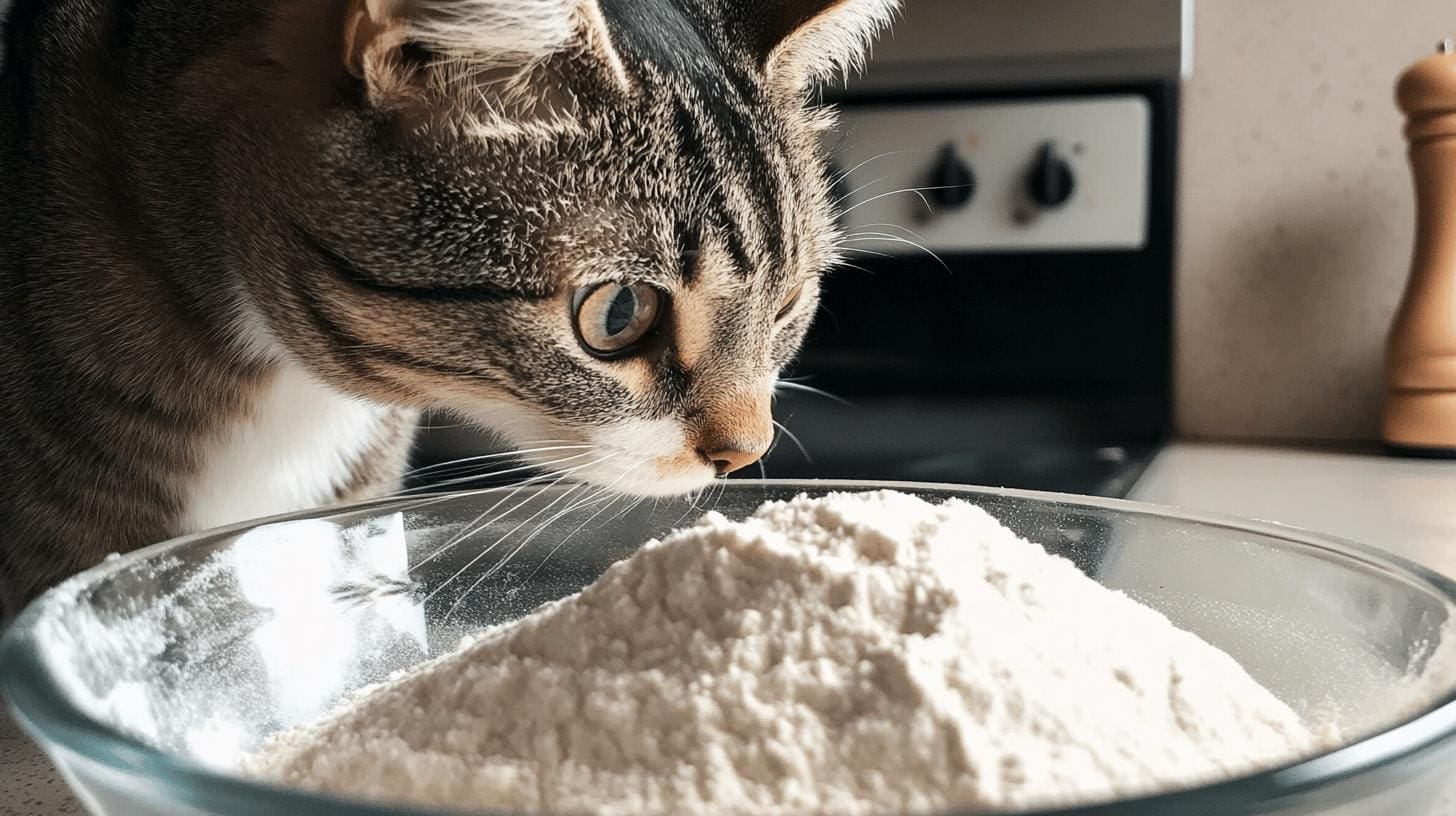
Cats are obligate carnivores, which means their diet should mainly consist of meat. They thrive on animal-based proteins, not grains or carbohydrates. Wheat flour is not toxic to cats but doesn't provide the essential nutrients they need. It's often used as a filler in some pet foods but should not be a significant part of a cat's diet.
While wheat flour itself isn't harmful in small amounts, consuming it in larger quantities can lead to digestive issues. Cats might experience vomiting or diarrhea if they eat too much wheat flour. It's crucial to watch for signs of digestive upset, as they can indicate that your cat's system is struggling to process the flour. The symptoms to look out for include:
- Vomiting
- Diarrhea
- Lethargy
- Lack of appetite
- Abdominal discomfort
Monitoring your cat's reaction to any new food is vital. If symptoms persist, it's best to consult a veterinarian to ensure your cat remains healthy and comfortable.
Health Implications of Wheat Flour in a Cat's Diet
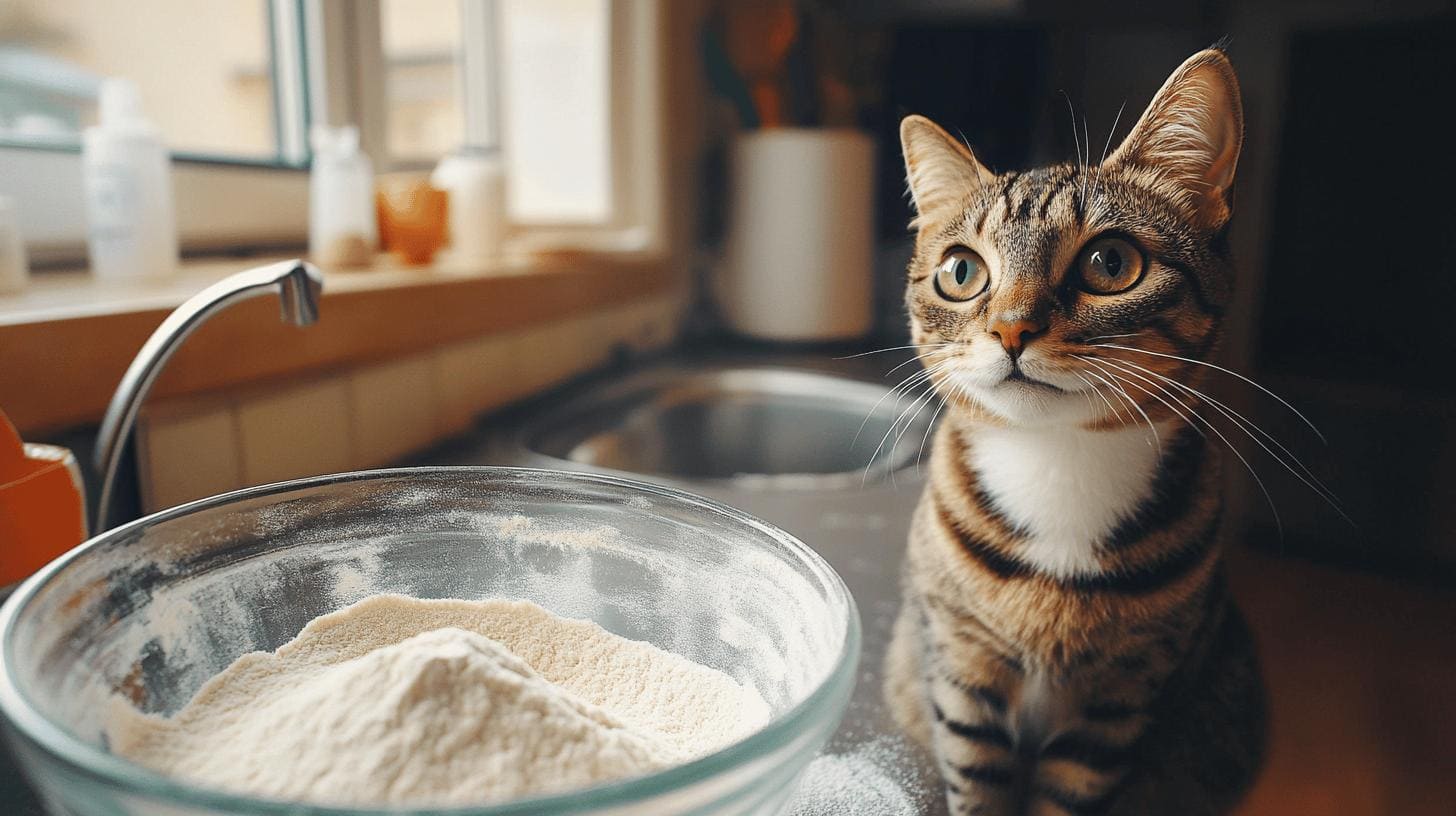
Wheat flour can contribute fiber and vitamins to a cat's diet, but it is not a source of essential nutrients like taurine. Taurine is vital for a cat’s heart and vision health. While wheat flour might be included as a minor component in commercial cat foods, it should never be a primary ingredient. Cats are obligate carnivores, requiring diets rich in animal-based proteins. Over-reliance on wheat flour could deprive them of necessary nutrients.
Wheat allergies, although uncommon, can occur in cats. Symptoms include skin irritation, such as excessive itching and redness, or gastrointestinal distress. These allergies can develop suddenly, even if the cat has previously consumed wheat without issue. It’s crucial to watch for signs of intolerance or allergies, including vomiting or diarrhea, which indicate digestive distress.
If adverse reactions occur after introducing wheat flour, consult a veterinarian. They can determine if the symptoms are due to a wheat allergy or intolerance and recommend dietary changes to maintain your cat's health.
| Nutrient | Effect on Cats |
|---|---|
| Fiber | Can help with digestion but is not essential |
| Vitamins | Present but not sufficient for dietary needs |
| Protein | Digestible but lacks essential amino acids like taurine |
Alternatives to Wheat Flour for Cats

While wheat flour is not toxic to cats, it lacks the essential nutrients they need. Consider other grains like rice or oats, which might be safer if you're looking for alternatives. These grains can offer some nutritional benefits without posing the digestive issues that might arise from wheat flour. Cooked rice and oats are generally easier for cats to digest and can be incorporated into their diet in small amounts. However, it's crucial to ensure these grains do not replace the primary source of nutrition, which should come from animal-based proteins.
Here are some cat-friendly treats and foods you should consider:
- Cooked chicken
- Commercial cat treats
- Cooked rice
- Cooked oats
- Specially formulated grain-free cat food
It's essential to remember that a cat's diet should be primarily meat-based. Cats are obligate carnivores and rely heavily on animal proteins for their health and well-being. Any grains or alternative foods should only be supplementary and not replace the necessary protein sources in their diet. Prioritizing meat-based foods ensures that your cat receives all the vital nutrients they need to thrive.