Ever watched your kitty eyeing that grain of rice on your plate and wondered if it’s safe for them? Cats can safely eat rice, but it doesn’t pack the nutrients their little bodies crave. Being obligate carnivores, their diet should mostly be meat.
Rice lacks vital proteins necessary for their health, so it shouldn’t replace their meat meals. But with the right preparation, rice can be an occasional treat or digestive aid. Stick around to learn the best tips for introducing rice safely into your cat’s diet.
Can Cats Eat Rice Safely and Guidelines for Feeding
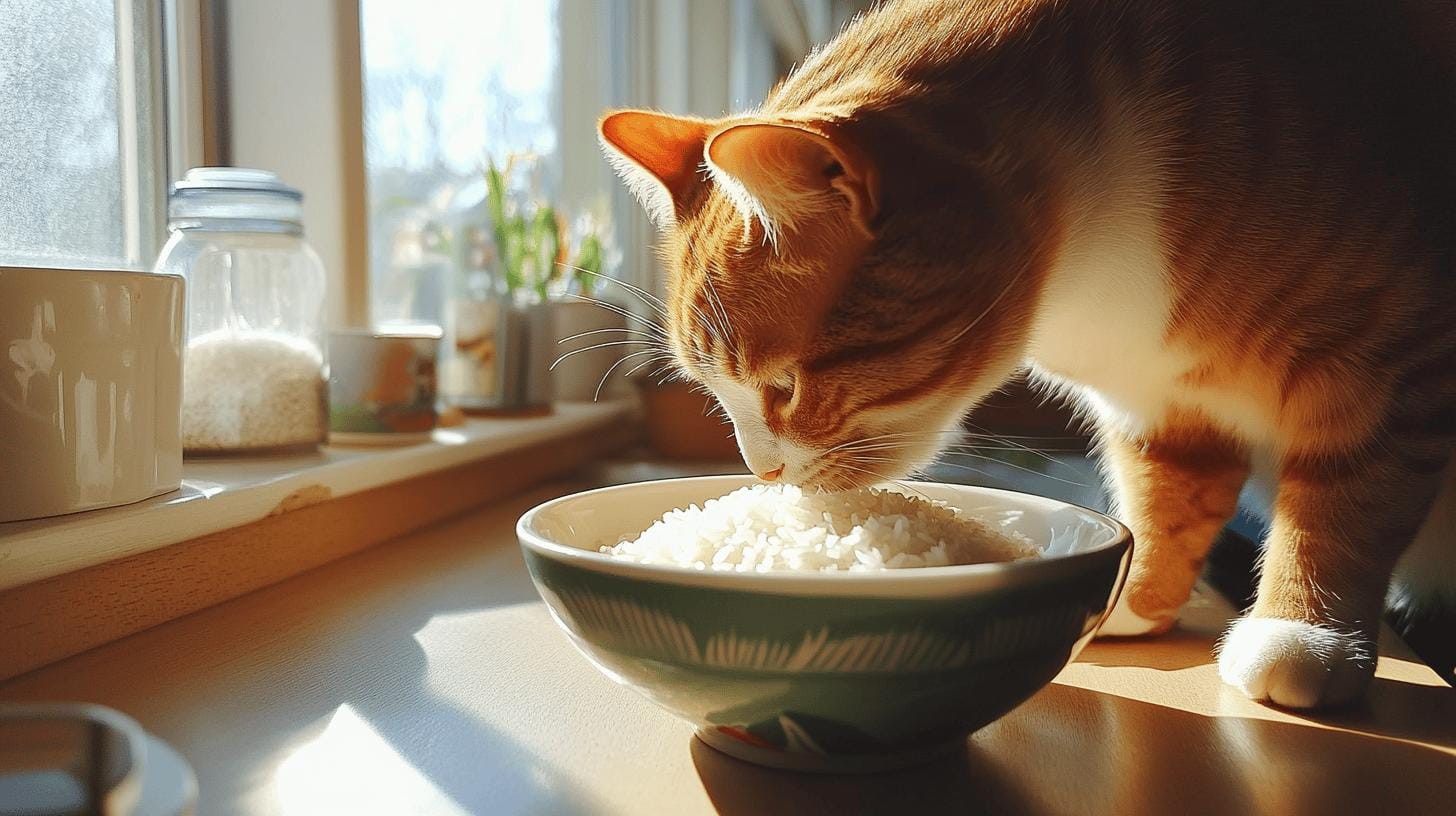
Cats can eat rice, but it should be given in moderation. Rice is non-toxic to cats, which means it’s safe for them to consume in small amounts. However, rice is not particularly nutritious for our feline friends.
Cats are obligate carnivores, meaning their natural diet consists mainly of meat. Rice lacks the essential protein and nutrients that cats need to thrive. Therefore, rice should never replace a meat-based diet in a cat’s meal plan. It can be used as an occasional treat or to help with digestive issues like mild diarrhea, but only in minimal portions.
Here’s a list of safety and preparation tips to keep in mind when feeding rice to your cat:
- Avoid using rice as a meal replacement.
- Ensure rice is fully cooked and plain.
- Monitor for any allergic reactions.
- Consult a vet for dietary advice.
- Introduce rice in small quantities and gradually.
When preparing rice for your cat, it’s important to cook it thoroughly until it’s soft. This makes it easier for them to digest. Always serve the rice plain, without any added seasonings, butter, or salt. The goal is to provide a simple, bland food item that won’t upset their stomach. A small amount, around 10 grams, is sufficient to see how your cat handles it.
A balanced diet is crucial for a cat’s health. Cats require specific nutrients found in meat to support their overall well-being, such as a strong heart, good vision, and a healthy reproductive system.
If you choose to give rice, observe your cat’s reaction. While rice can be a safe, occasional snack, it should always be secondary to a diet rich in animal proteins. Consulting with a veterinarian can provide further guidance tailored to your individual cat’s needs.
Nutritional Value of Rice for Cats
Rice isn’t a significant nutrient source for cats. As obligate carnivores, cats thrive on diets rich in animal proteins and fats. Rice lacks the essential amino acids and nutrients that cats derive from meat. While it’s not toxic, rice doesn’t contribute much to their nutritional needs. Instead, it can act as a filler without offering the benefits that a meat-based diet provides.
White rice is easier for cats to digest due to its low fiber content. It’s processed with the bran and germ removed, making it softer and less complex for their digestive system. Brown rice, on the other hand, retains more nutrients like B vitamins, but these are difficult for cats to absorb. The extra fiber in brown rice can also be harder on their stomachs.
| Rice Type | Digestibility | Nutrients |
|---|---|---|
| White Rice | High | Low |
| Brown Rice | Low | Moderate |
Feeding rice to cats can lead to digestive issues if not given appropriately. Too much rice can cause bloating due to its carbohydrate content. This can interfere with their regular digestion, leading to discomfort. Rice should only be an occasional treat, not a regular part of their diet. It’s vital to ensure rice is plain and thoroughly cooked to avoid potential stomach upset.
Alternative Foods to Rice for Cats
Finding alternatives to rice is crucial for maintaining a balanced diet for our feline companions. Since rice doesn’t provide the essential nutrients cats need, it’s beneficial to incorporate other foods that can contribute to their health.
Cats are obligate carnivores, meaning they thrive on meat-based diets. Including protein-rich foods and certain vegetables can ensure they receive the necessary nutrients. These alternatives can serve as healthy snacks or additions to their regular meals.
Here’s a list of recommended alternatives to rice:
- Cooked chicken or turkey
- Plain pumpkin or zucchini
- Small portions of lean fish
- Commercial cat treats
When considering what to feed your cat, it’s important to avoid foods with potentially harmful ingredients. Ingredients such as sugar, salt, spices, onions, or garlic can be toxic to cats and should be strictly avoided.
Always consult with a veterinarian to ensure that the foods you choose are safe and suitable for your cat’s dietary needs. A vet can provide personalized advice to help you maintain a nutritious and balanced diet for your beloved pet.