Is it safe for cats to snack on egg yolk, or is it a risky treat? It's a question that sparks curiosity among many cat owners. Egg yolks are packed with nutrients that can benefit your furry friend's health, but how can you serve them safely? In this article, we will dive into the pros and cons of adding egg yolks to your cat's diet. You'll learn tips on how to navigate potential risks, provide a nutritious treat, and boost your cat's wellbeing. Let's explore the yolk debate and unlock its nutritional potential for your kitty.
Can Cats Safely Eat Egg Yolk and Its Nutritional Benefits?
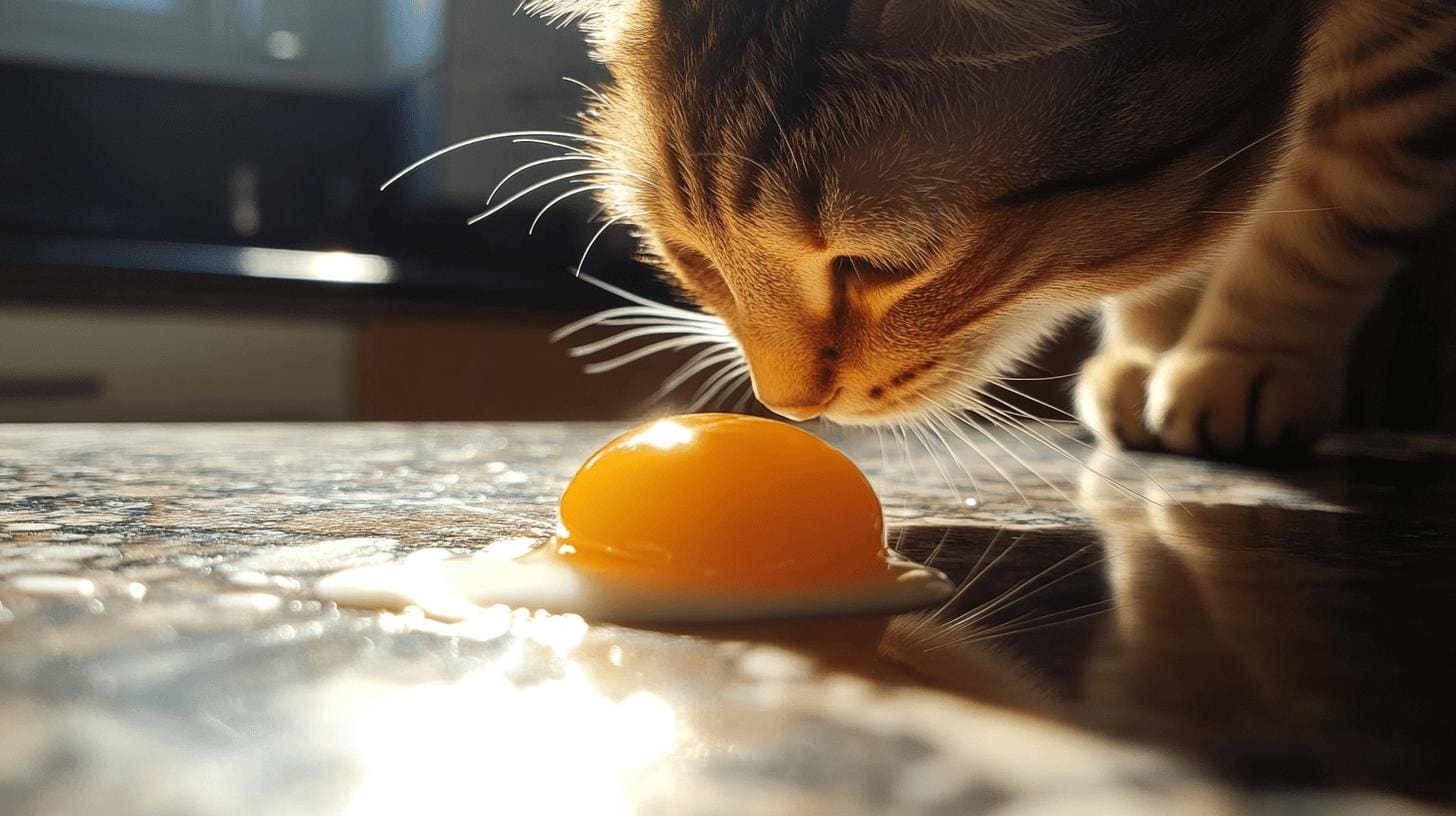
Cats can enjoy egg yolks as part of their diet, but it's crucial to handle them properly to ensure safety. Both cooked and raw egg yolks can pose health risks if not managed correctly. Raw egg yolks might carry bacteria like Salmonella and E. coli, which could harm cats. Cooking the yolks not only makes them safer by killing these bacteria but also neutralizes enzymes such as avidin that can interfere with nutrient absorption. Ensure that the yolks are fresh and cooked thoroughly to an internal temperature of 160°F to keep your feline friend safe.
Egg yolks are a powerhouse of nutrition, providing essential nutrients that are beneficial for a cat's health. They are rich in proteins and fats, which are key components of a cat's diet. Proteins support muscle maintenance, while fats offer a concentrated source of energy. These nutrients are vital for sustaining a cat's active lifestyle and promoting overall well-being. Incorporating egg yolks occasionally into a cat's meals can enhance their nutritional intake when balanced properly with other dietary components.
Some key nutrients found in egg yolks include:
- High-quality proteins
- Healthy fats
- Vitamins A, D, and E
- B-complex vitamins
- Minerals such as iron and selenium
These nutrients each play a role in supporting a cat's health. For instance, the vitamins found in egg yolks contribute to a cat's vision, skin health, and immune system. Meanwhile, the minerals like iron and selenium help in blood formation and antioxidant defense. While egg yolks are nutritious, they should complement a balanced diet rather than serve as a primary food source. Feeding them in moderation ensures your cat receives a wide range of nutrients necessary for a healthy and happy life.
Feeding Egg Yolk to Cats: Guidelines and Potential Risks
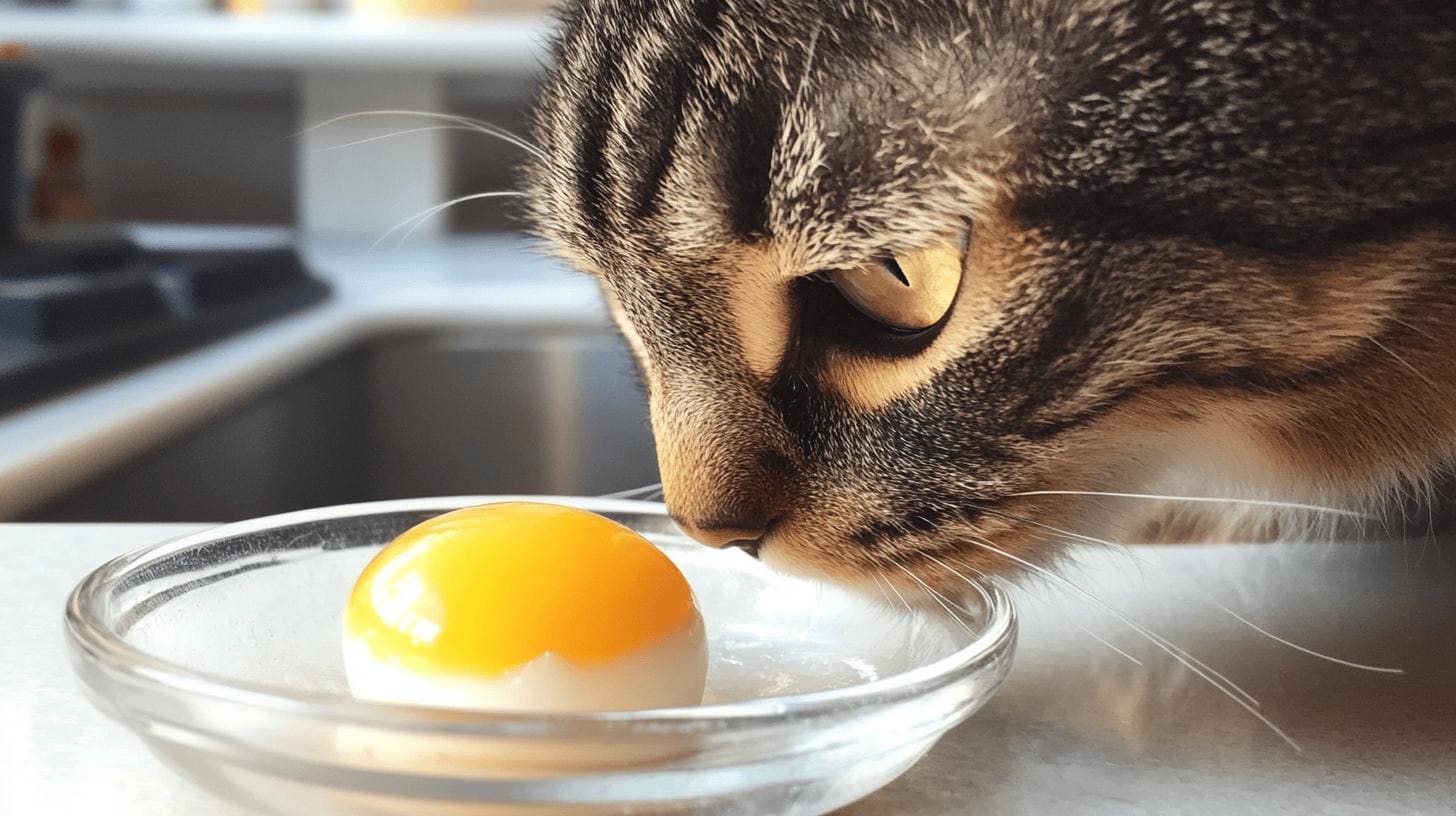
When it comes to feeding your cat egg yolks, moderation is key. Treats, including egg yolks, should not exceed 10% of your cat's daily calorie intake. Overfeeding can lead to weight gain and disrupt their balanced diet. By keeping portion sizes small and infrequent, you can avoid potential nutritional imbalances. This approach ensures that your cat enjoys the benefits of egg yolks without compromising their overall health.
Introducing egg yolk into your cat's diet gradually is essential, especially if they haven't tried it before. Start by offering a tiny amount mixed into their regular food. Observe their reaction closely over a few days to ensure they tolerate it well. If your cat shows no signs of digestive upset or allergies, you can occasionally increase the portion size. This gradual approach helps your cat adjust to new foods and reduces the risk of adverse reactions.
| Portion Size | Frequency |
|---|---|
| Adult Cats: 1 tsp | Once a week |
| Kittens: 1/2 tsp | Once a week |
Egg yolks can pose risks, including allergies. Some cats may react to eggs with symptoms such as digestive upset, itching, or vomiting. Keep an eye out for these signs, especially when introducing egg yolks for the first time. Allergic reactions can vary in severity, so it's crucial to address them promptly to prevent further issues.
- Vomiting
- Diarrhea
- Itching or skin irritation
Monitoring your cat for any adverse reactions is crucial. If you notice any signs of allergy or digestive issues, stop feeding them egg yolks and consult your veterinarian. They can provide personalized advice and determine whether egg yolks can be safely included in your cat's diet. Prioritizing your cat's health ensures they enjoy the benefits of egg yolks without unnecessary risks.