
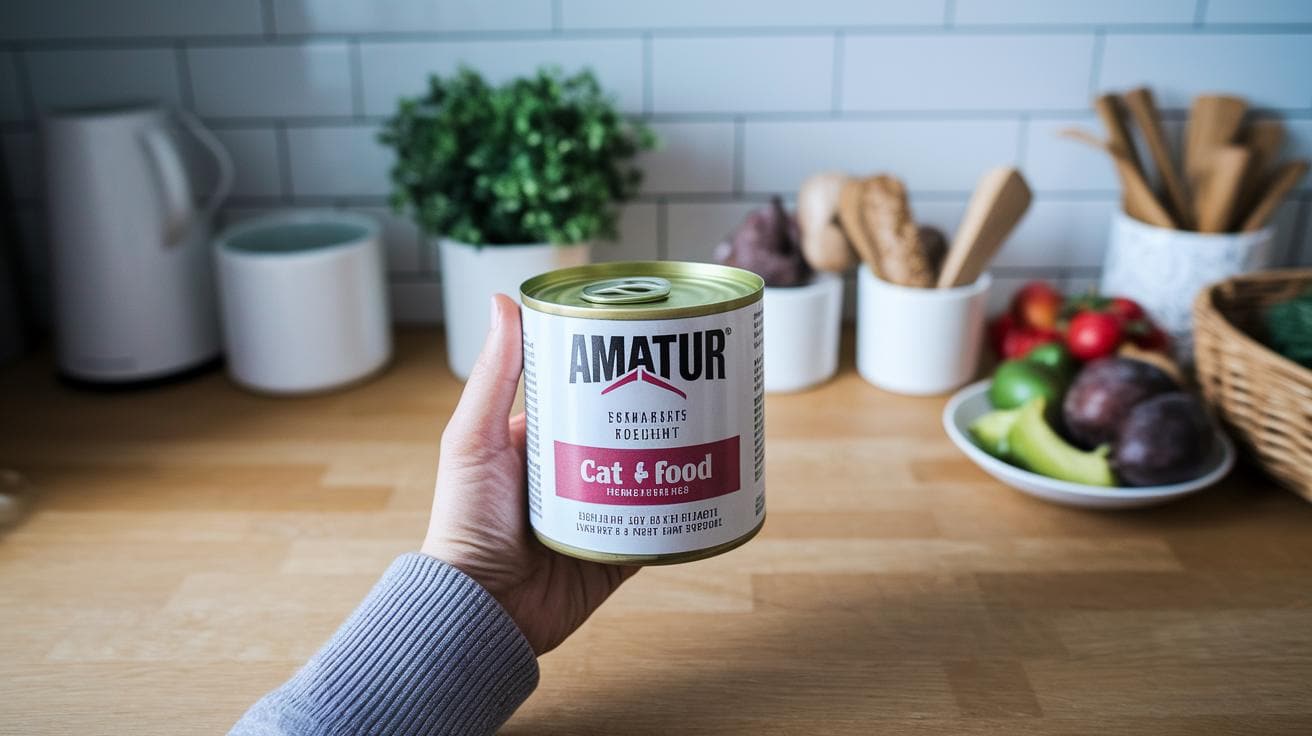
Think canned cat food is just fancy gravy in a can to spoil your kitty? Think again. Hear that satisfying pop when you open the lid? That’s the start of a paw-some meal.
Each serving has 75 to 85 percent water (like a mini water bowl). And when you see names like chicken or salmon, you know your cat is getting real meat to build strong muscles and a shiny coat. Really.
Hunting for real protein and balanced fats on a label? It’s like solving a mystery, right? You’re not the only one who’s squinted at those tiny words.
Next, I’ll share five claw-tastic tips to help you pick tasty, nutrient-rich cans that keep your kitty hydrated and your wallet happy. Let’s dive in.
Quick Start: 5 Key Factors for Buying Canned Cat Food
Hey cat pals, let’s talk about canned food – your kitty’s secret to staying hydrated and happy. Every bite is about 75-85% water (like a mini water bowl), so your furball sips while they snack. Fill the plate with real meat (no mystery fillers) to fuel strong muscles and keep that coat glossy. And the right recipe can help with your cat’s urinary health too – win-win.
Ready to pick the purrfect can?
- Protein Source (named meats like chicken or salmon vs byproducts) – see Ingredients & Nutrition
- Moisture Content (75-85% water, ideal for hydration) – see Ingredients & Nutrition
- Price Tier (from budget to premium) – see Purchase Options & Value Analysis
- AAFCO Compliance (meets all nutrition rules set by the Association of American Feed Control Officials) – see Reading Labels & Avoiding Fillers
- Special Formulations (recipes for urinary health, weight control, or limited-ingredient diets) – see Special Canned Formulations
Ingredients and Nutritional Analysis of Canned Cat Food
Ever twist open a pop-top and hear that little pop? Your cat’s whiskers will twitch at the smell (yum!). Scan the label and you’ll see named meats, like chicken, turkey, or fish, right up front instead of mystery byproducts. Aim for a protein level around 8–12 percent on a wet basis (that’s the food as is, with water). It helps your kitty’s muscles stay strong and ready for play.
Fat is the energy booster and keeps fur feeling soft. Look for 4–8 percent fat, ideally from chicken fat or fish oil, never a vague “animal fat blend.” Your cat will reward you with extra zoomies and happy purrs.
Moisture is a hydration hero. With 75–85 percent water, wet food mimics real prey (little rodents are mostly water too!). Plus it helps flush the urinary tract by keeping urine dilute, which can help prevent crystal formation.
What about carbs? Cats are obligate carnivores, they don’t need much starch or sugar. Shoot for under 10 percent carbs on a dry matter basis (food after it’s dried). Higher levels usually mean cheap fillers that add bulk without real benefit.
Don’t forget the special extras: taurine (an amino acid essential for heart and eye health) and omega-3s like DHA and EPA (good for brain development and joint comfort). These nutrients help wet food earn an AAFCO “complete and balanced” seal of approval.
If your cat has a sensitive tummy, steer clear of synthetic preservatives and go light on gums. A simple, natural recipe can make all the difference, your feline friend will thank you with every contented purr.
Top Canned Cat Food Brands Comparison Table
| Brand | Origin | Protein (%) | Calories per oz | Cost per day | Why we love it |
|---|---|---|---|---|---|
| Smalls | Proudly made in the USA | 13% | 40 | $4.00 | Savory chicken and liver bites (tender pieces), low-carb (few carbs to keep blood sugar steady), shipped frozen for fresh flavor |
| Open Farm | From family farms in the USA | 7% | 30 | $3.60 | Human-grade ingredients (good enough for us), responsibly sourced, moderate protein (~39% on a dry-matter basis) |
| Dave’s Pet Food | Made in the USA | 10% | 33 | $1.64 | Lean turkey muscle (like a mini turkey dinner), no peas or legumes (beans and peas), budget-friendly |
| Tiki Cat | Crafted in Thailand | 10% | 23 | $3.50 | Shredded chicken stew (brothy texture), very high moisture (extra hydration), no thickeners (no gums) |
| Feline Natural | Born in New Zealand | 9.6% | 25 | $6.31 | Organ-rich blend (heart, liver), green-lipped mussel (sea mollusk for joints), no gums or fillers |
| Ziwi Peak | From New Zealand | 10% | 34 | $7.00 | 92% venison muscle/organs/bone (wild game mix), low-carb, no additives (nothing artificial) |
Feeding Guidelines and Portion Sizes for Canned Cat Food
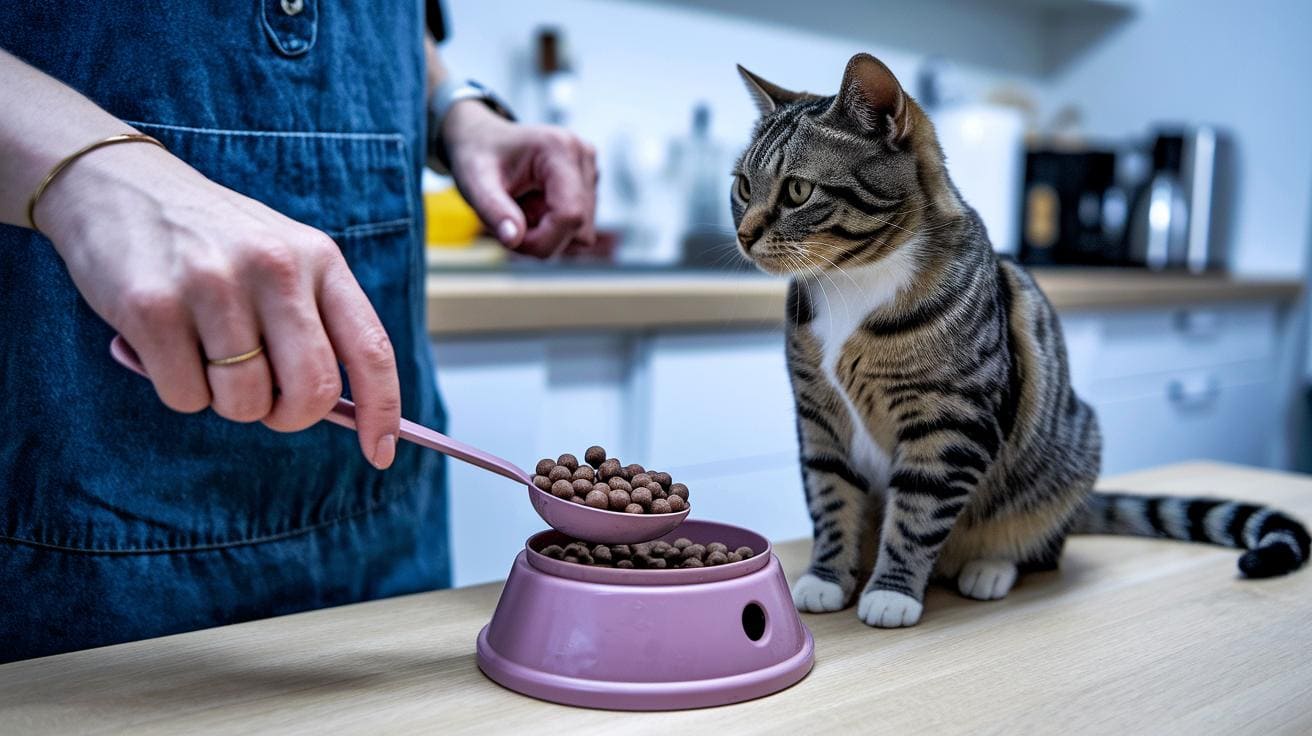
Ever wondered how much canned food to scoop into your kitty’s bowl? Imagine your cat’s whiskers twitching as that savory scent drifts in. A typical adult cat weighs around 10 pounds and needs roughly 200 calories a day. Most wet food clocks in between 23 and 40 calories per ounce (about two tablespoons). Do the math and you’re looking at 5 to 9 ounces of canned food every day.
I split my Luna’s meals into two servings, 3 to 4 ounces each time. It’s like giving her little feast breaks. Younger furballs or energetic breeds might need a bit more. Senior or indoor cats usually need less to dodge extra weight. So adjust for your cat’s lifestyle. Uh, and don’t stress too much.
For picky eaters or tight budgets, try a mix. Start with a 25/75 ratio of wet food to kibble. That means one part canned goodness to three parts crunchy bites. It stretches your portions and adds fun texture. Think of it as snack-time variety, your cat won’t get bored.
Keep tabs on your cat’s shape. Weigh them or feel their ribs once a month. If they’re looking a tad round, shave off an ounce from daily meals. If they seem too slim, add a bit more. Adjust every two to four weeks until you hit that sweet spot.
Regular check-ins help you fine-tune each scoop. That way your feline friend stays fit, healthy, and purring. Worth every paw-print.
Transitioning to Canned Cat Food Safely
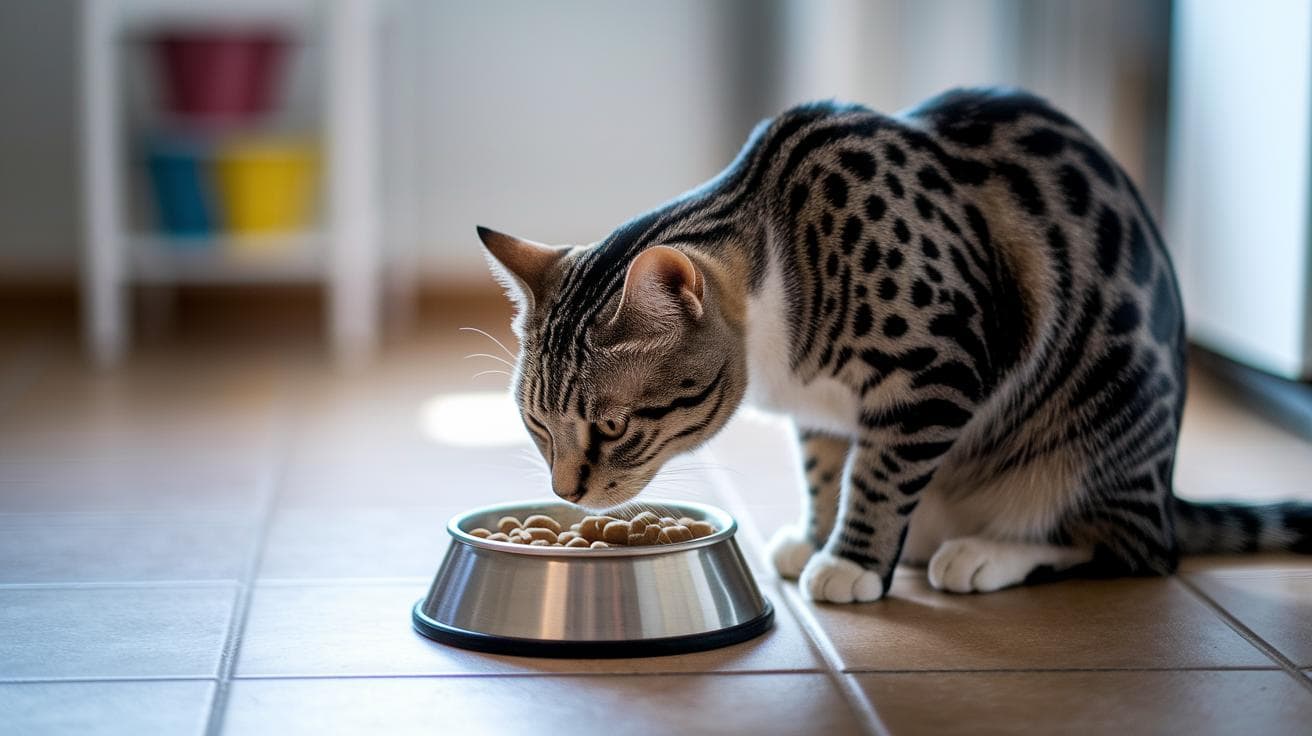
So you’re ready to swap your cat’s dry kibble (dry pellet food) for canned food? It’s a big change for their tummy (stomach). Wet food has more moisture (water content) and protein, so we need a gentle transition to avoid upset tummies, vomit or diarrhea.
- Days 1-2: Mix 25% new wet food with 75% old diet.
- Days 3-4: Mix 50% new and 50% old.
- Days 5-6: Mix 75% new with 25% old.
- Days 7-10: Serve 100% new canned food.
Need to tempt a picky whisker? Try a dash of tuna juice or a teaspoon of low-sodium broth on top. Warm the food slightly so it smells irresistible, kitty can’t resist that steam! Ever watched your cat dive right in? Claw-tastic!
In truth, only switch brands once they settle on one formula. That way you’ll dodge surprise tummy troubles and keep meal-time stress-free. Worth every paw-print.
Storage and Shelf Life of Opened Canned Cat Food
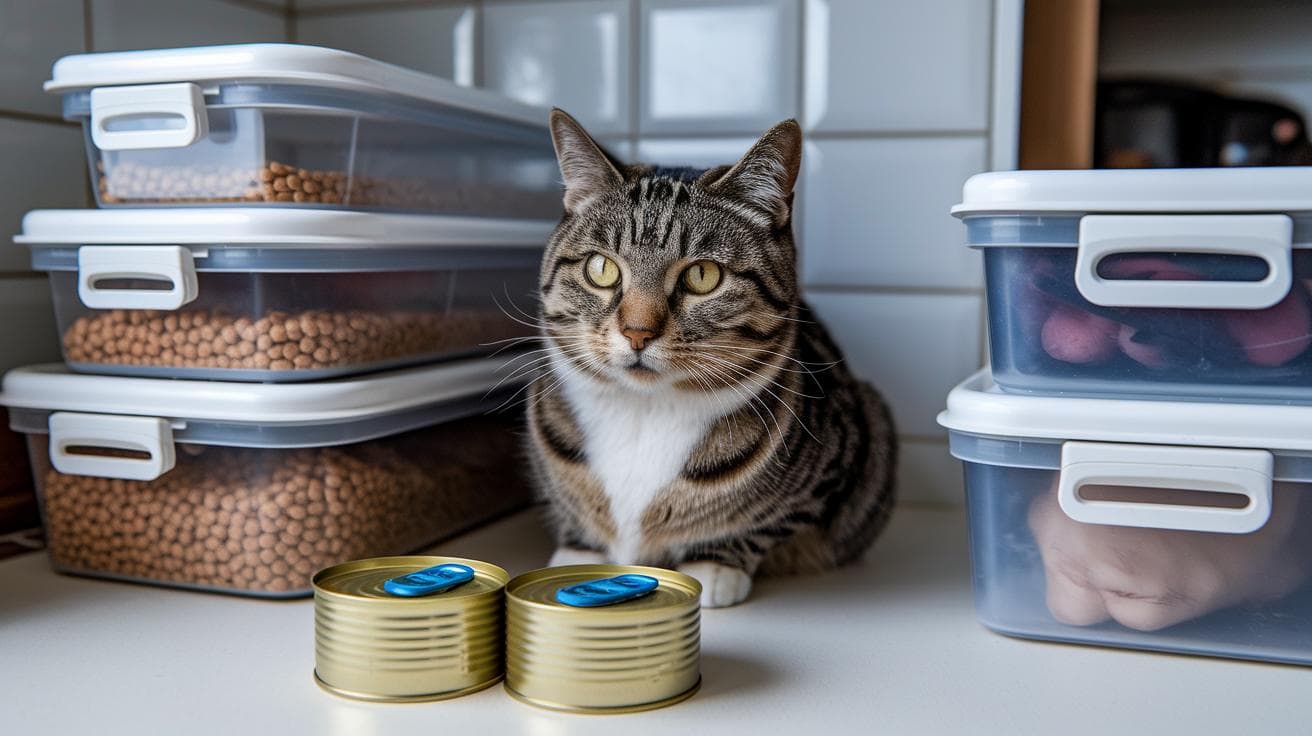
Ever crack open a can of cat food and wonder how to stash the rest so it’s still purr-fect? I’ve got you covered. Scoop leftover food into a BPA-free (free of Bisphenol A) container with an air-tight seal (imagine zipping it shut). Make sure the lid never touches the food.
Next, slide that container into your fridge at 40 °F or below (cold stops bacterial growth). Your cat’s whiskers might twitch at the fresh chill. Use the leftovers within 48 to 72 hours for the best taste and safety.
Unopened cans stay stable at room temp (around 68–77 °F) for 2 to 5 years, just check the stamped date. Single-serve cups are paw-some for cutting down waste, pop one open per meal and tuck the rest in your pantry.
Always peek at the label for brand-specific advice on shelf life and storage. That way every bite stays tasty, nutritious, and never ends up in the trash.
Worth every scoop.
Special Canned Cat Food Formulations
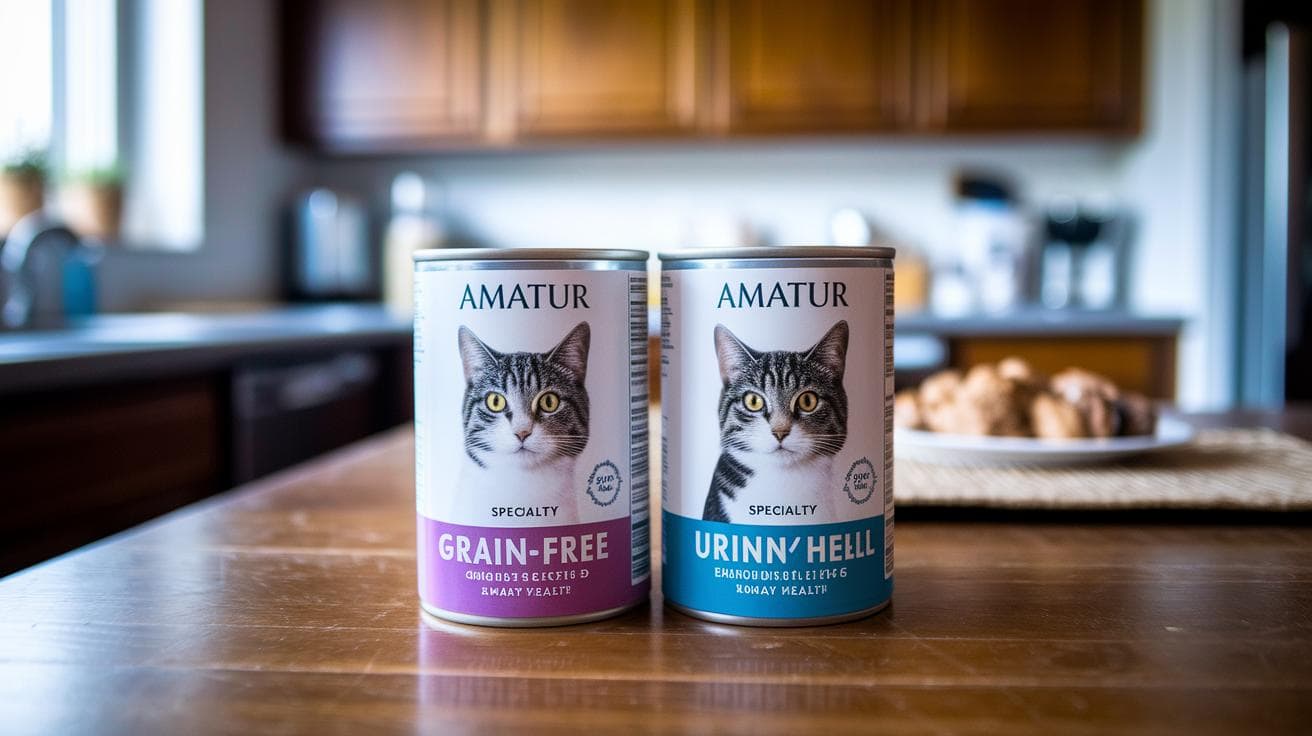
Ever watch your kitty scratch after dinner? Grain-free wet cat food skips corn, wheat, and soy so sensitive cats don’t get itchy or bloated. It sticks to one named meat, turkey or salmon, for a meaty aroma that has them purring. Yum.
Limited ingredient canned food goes even simpler. Imagine just chicken and water (and a pinch of taurine (an amino acid that keeps the heart happy)). Fewer ingredients mean fewer tummy surprises. Perfect for cats who flare up at peas or legumes.
Urinary health formulas add extra moisture, like a light broth, to dilute urine and help prevent bladder crystals. Every slurp gives your cat’s urinary tract a little rinse. For felines prone to urinary issues, it’s a must-have.
Hairball control wet food blends savory meat with a bit of plant-based roughage (fiber that nudges fur through the gut). It’s like a gentle broom sweeping furballs away. No more “hocks” in the hallway. Really.
Weight management cans aim for about 23 to 25 calories per ounce and high protein to preserve lean muscle. It fills small tummies without extra calories, so your indoor pal stays trim, and still begs for seconds. Oops, did I say seconds?
Worth every paw-print.
Canned Cat Food for Life Stages and Health Conditions
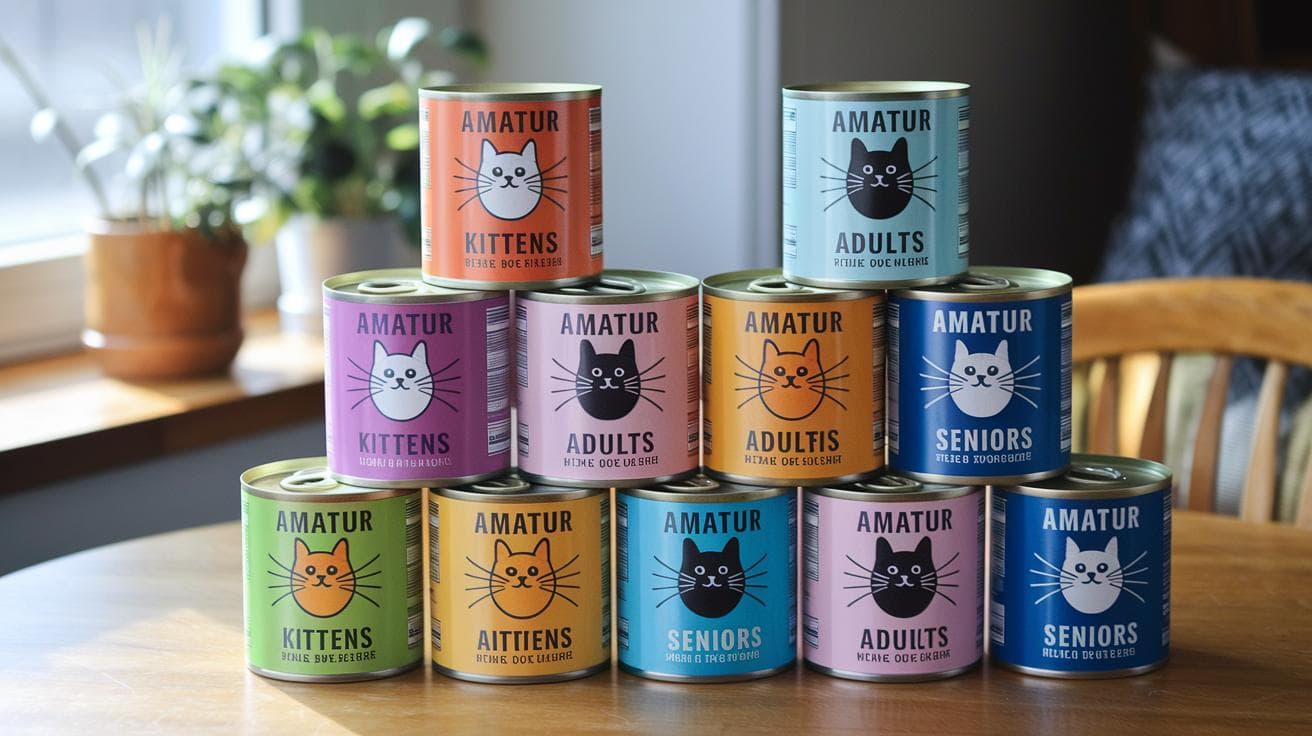
Kitten formulas come in at about 40 calories per ounce, just right for growing furballs. They’re loaded with DHA (a fat that helps brain growth) so wobbling little legs turn into springy jumps and bright eyes stay curious. Picture tiny paws batting at tender morsels and slurping every last bite. Ever watched your kitten chase its own tail? They need that fuel.
Adult maintenance recipes balance protein and fat to keep your cat lean, energetic, and ready for zoomies. It’s like a steady snack station that fuels play without tipping the scales. Your kitty might even improvise backflips (okay, maybe back-tumbles) at mealtime.
Senior canned food usually has around 23 to 28 calories in each ounce, just enough to keep older paws moving. Many recipes add joint-support goodies like fish oil rich in omega-3s (a healthy fat) so stiff joints can glide through every gentle stretch. No more creaky-cat sounds echoing through the house.
Indoor formulas keep energy in check and toss in a bit of fiber (plant bits that help digestion). This helps nix hairballs and keeps couch potatoes from getting pudgy. Perfect for bird-TV watchers who bask in window-seat naps.
For cats with diabetes, look for wet food with under 10 percent carbs and lower phosphorus (a mineral that can tax the kidneys). This mix helps keep blood sugar steady and kidneys purring happily. Think of it like a gentle diet shift that’s still full of flavor.
Renal support canned food trims down protein and phosphorus to give tired kidneys a rest. It still tastes good so your kitty stays curious about every scoop. A little relief goes a long way.
Arthritis-friendly blends are packed with omega-3s (fatty acids that soothe achy joints) to help older kitties play again. You might see your cat stretch with purrs of relief. Uh, it’s adorable.
Hypoallergenic wet food uses novel proteins like venison or rabbit (new meats your cat hasn’t tried) so sensitive tummies and itchy skin can chill out. No bland boredom here, just fresh flavors that feel like a treat.
Who is the ABC Platform for?
Our ABC Platform is built for small to mid-size businesses (SMBs) and agencies that know their way around tech and automation but don’t have hours to code everything themselves. Agencies in particular get a serious return on investment (ROI – extra bang for your buck) thanks to the built-in client and multi-site management.
