Cat Feeding Stations: Designs and Safety Tips

Think your cat’s food bowl is harmless? Think again. A good feeding station keeps kibble dry, cuts down on midnight raccoon visits, controls portions, and makes cleanup a breeze , a mini dining room for your cat. Ever watched your kitty sniff the air like a food critic? It’s kind of adorable.

Let’s compare a few styles. Wooden units (wood, like sturdy furniture-grade material) look nice and hide messes, but they can be heavy. Enclosed shelters with a microchip option (microchip, a tiny pet ID chip that lets only your cat in) stop nosy critters and picky housemates. Portable DIY options (easy to carry or build at home) are great if you move things around or want something cheap and replaceable.

Keep safety simple. Put bowls on raised platforms (keeps food off damp floors), use ground anchors (stakes or ties that stop tipping or dragging), measure meals with portion scoops, and pick washable non-porous bowls (smooth, won’t soak up bacteria). Do that and mealtime stays tidy, safe, and stress-free. Worth every paw-print.

Cat Feeding Stations: Designs and Safety Tips
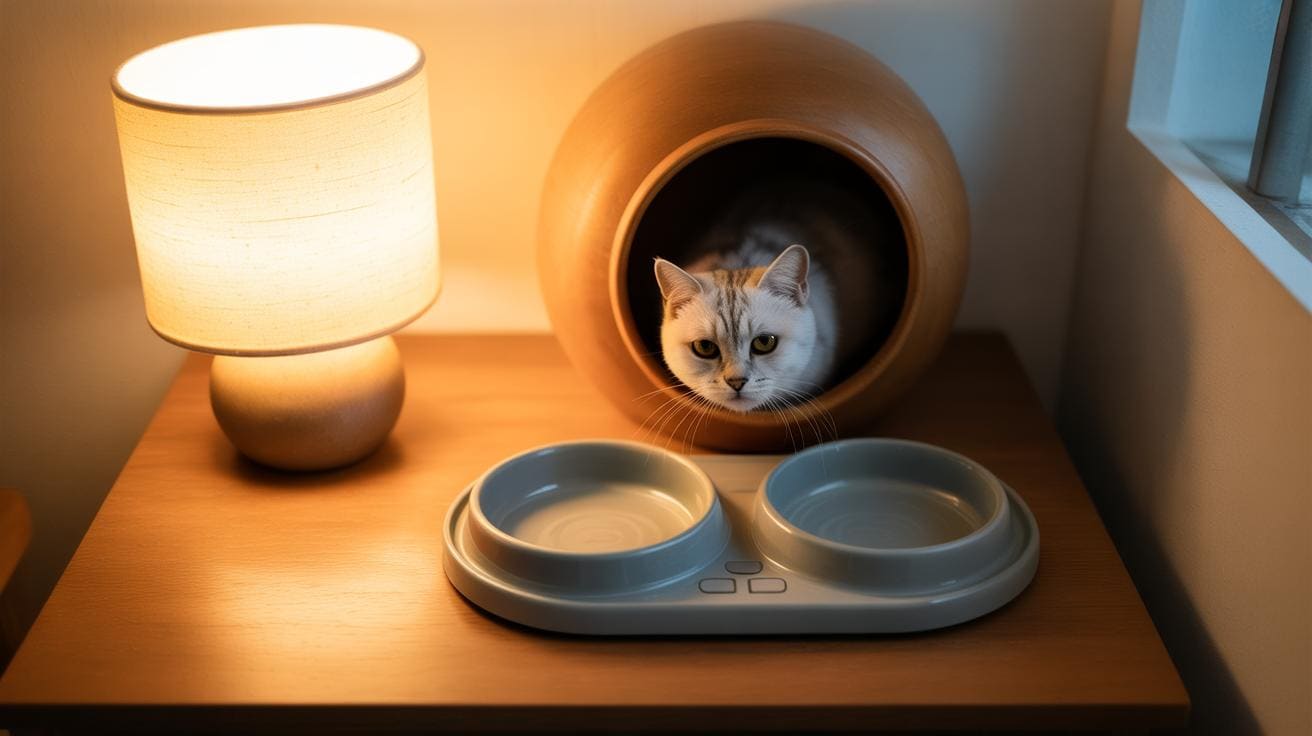
- Top practical feeding-station choices and immediate safety rules.jpg

A cat feeding station is a little sheltered spot that keeps food dry from rain and wind, helps you control portions, keeps out unwanted visitors, and makes cleanup easier. Think of it as a tiny dining room for your cat, no soggy kibble, no surprise wildlife buffet, and less mess on the porch. Ever watch your cat sniff the air like a food critic? This helps.

Action-first: if your yard has big predators, go with an elevated unit (a raised platform that keeps bowls off the ground). Where raccoons or opossums are common, pick an enclosed shelter with a small entry or a microchip-activated flap (microchip = the pet ID chip that can open the door for your cat only). For short-term needs, a portable DIY tote or a folding-table shelter works great and packs away when you don’t need it.

For safety, serve scheduled, measured meals to cut down on nighttime wildlife visits, small portions, set times, fewer midnight scavengers. Add weight or use ground anchors (stakes or screw-in anchors that hold things down) so the station won’t tip or get carried off. Keep dry food locked in sealed containers so critters and moisture can’t get at it.

Quick feeder tips: use washable, non-porous bowls (non-porous means they won’t soak up smells or germs) with removable inserts so cleanup is fast. Stainless steel or ceramic work well and they don’t hold odors. Little things like that save you time and keep food fresher.

If you want the research numbers and tradeoffs, check the Pest/Wildlife and Multi-cat sections for more detail. Worth every paw-print.

Design families and a single comparison table for cat feeding stations
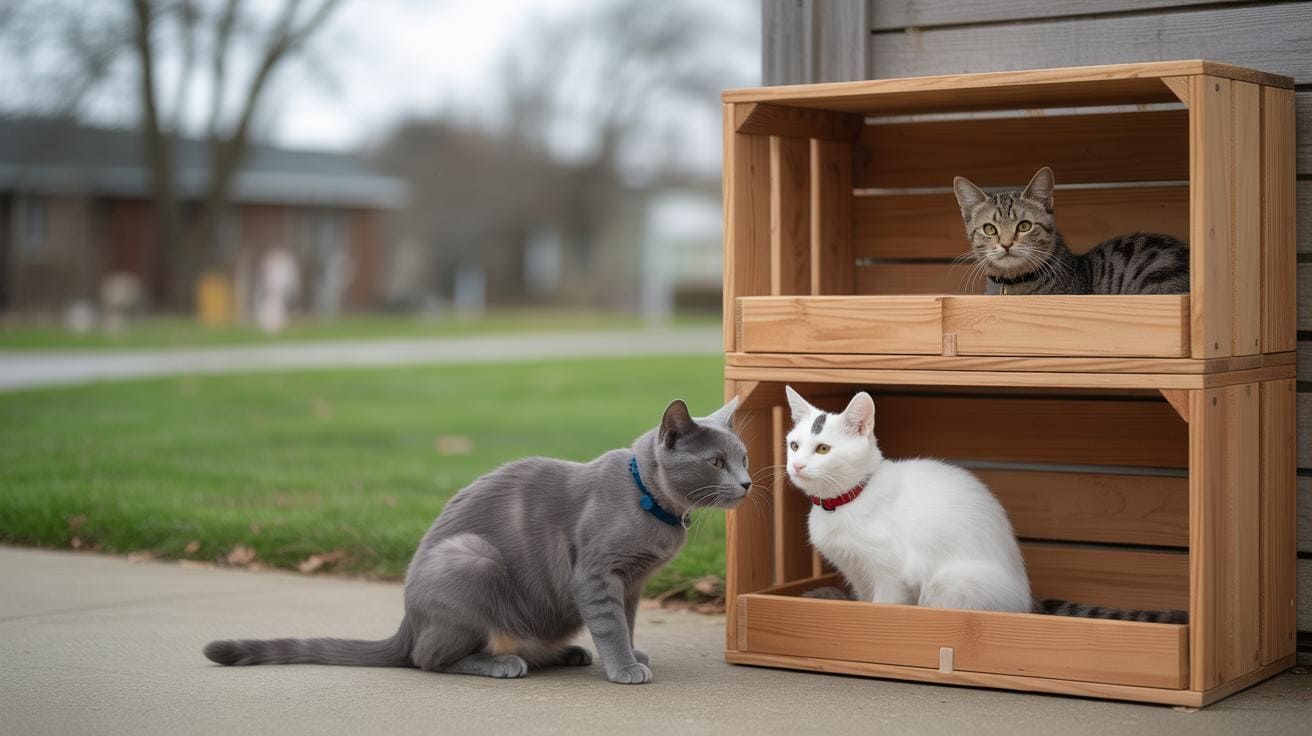
- Design families and a single comparison table for cat feeding stations.jpg

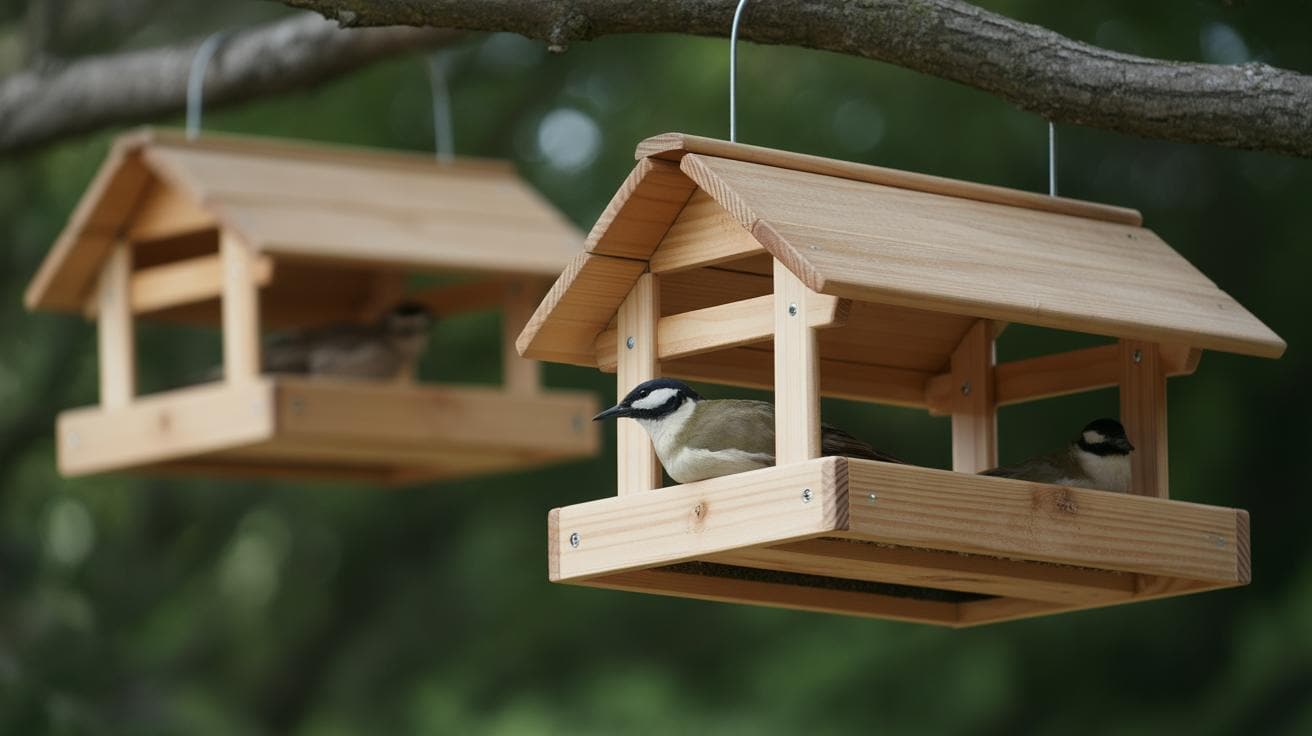
Feeding stations usually land in three simple groups: wooden/cedar units, enclosed shelters (some with microchip-activated flaps), and portable budget or DIY options like plastic totes, folding-table shelters, or gravity-feeder platforms. This quick guide helps you match cost, how permanent it is, and how much wildlife it keeps out so you can choose faster. Think of it as a friendly nudge toward the style that fits your yard, schedule, and feline crew.

The table below is a short cheat-sheet: pick wooden for looks and permanence, choose enclosed shelters for selectivity and weather protection, or go DIY for low cost and easy moving.

Wooden / cedar feeding stations

Cedar units look lovely in a yard and feel solid under paw. Cedar (aromatic, rot-resistant wood) naturally resists decay and gives a nice smell, and builders usually use rustproof fasteners like stainless steel (an iron alloy that resists rust). Prices run mid to high depending on size and finish. Great for homeowners who want something that blends with the landscape and lasts a long time.

Enclosed feeding shelters and microchip access

Enclosed shelters have small-entry designs and optional microchip-activated flaps (microchip = the pet ID chip many pets already have). Those small openings and chip doors keep out raccoons and other visitors while keeping food dry. They’re a favorite for city cat groups, rescues, or anyone feeding multiple cats and needing controlled access. Pair with a weatherproof roof and some insulation and your bowls stay cozy even in nasty weather.

Portable and budget DIY builds

Budget builds include Rubbermaid-style plastic totes (plastic tote = inexpensive hard plastic), folding-table shelters that pop up fast, and gravity-feeder platforms that sit on a small table. These are cheap, light, and easy to move, perfect for short-term feeding, lost-cat stakeouts, or when you’re trying out a spot. They’re usually less durable and less hidden than purpose-built units, but they get the job done.

Materials & finishes (quick notes)

Use low-VOC sealers (low-VOC = paints or sealers with fewer volatile compounds) and non-toxic paints so fumes won’t bother cats. Pick rustproof stainless hardware and weather-rated fasteners for joints, and avoid interior finishes that chip or flake. Basic waterproofing goes a long way: raise the base so wood stays off wet ground, add a sloped roof to shed rain, and use removable inserts for easy cleaning. These small choices keep food dry, reduce mold, and make maintenance faster. Worth every paw-print.

Design Type Typical Cost Range Wildlife Resistance Best Use
Wooden / Cedar $200–$800+ Moderate Permanent yard setup, blends with landscaping
Enclosed shelters (microchip options) $150–$600 High (with small entry or chip flap) Urban clusters, rescues, multi-cat control
Portable / DIY (totes, folding tables) $10–$100 Low to Moderate Short-term use, lost-cat searches, tight budgets
Built-in pet feeder cabinet $300–$1,000 Moderate Indoor or sheltered porch, integrated storage

Materials, finishes, and waterproofing (consolidated under Designs)
 those belong exclusively in the DIY section.jpg

We moved material and finish notes into Designs -> H3 Materials & Finishes so the pros and cons, pet-safe finish picks, and waterproofing basics live in one place. That way we don’t repeat info and you can find testing tips in one spot.

  • Wood – cedar (a rot-resistant wood with a noticeable scent; mid to high cost; needs a sealant). Cedar smells nice, and it helps keep pests away. Add a light sealer and it will last longer. My cat can’t resist rubbing against cedar posts.

  • Plastic – hard polymer (a tough, moldable plastic made from long-chain molecules; lightweight and low-cost; can fade in strong sun). Great for easy-clean feeders and toys. Just know UV can dull the color over time.

  • Metal – stainless steel (an iron alloy with chromium that resists rust; very durable; use marine-grade near the coast). Sturdy and sleek. Near salt spray, pick marine-grade metal to avoid corrosion.

Finish picks: go water-based and low-VOC. Water-based polyurethane (a clear, low-odor protective coat) or acrylic sealers give protection without heavy fumes. Cleaner smell. Safer for curious noses and paws.

Simple waterproofing tips:

  • Flashing at roof seams (thin metal strips that keep water out). Cheap, quick, and very effective.
  • Exterior-grade caulk for joints (sealant that stays flexible outdoors). A single bead seals gaps and stops leaks.
  • Short gravel/drainage pads under raised bases (a shallow rock bed to lift wood off wet soil). Helps wood stay dry and keeps pests away. For busy days, a gravel pad is an easy one-time fix.

Want details and testing notes? See Designs -> H3 Materials & Finishes for the full quick-notes and testing tips.

Ergonomic feeding station setup: bowl selection and height guidance

- Materials, finishes, and waterproofing (consolidated under Designs).jpg

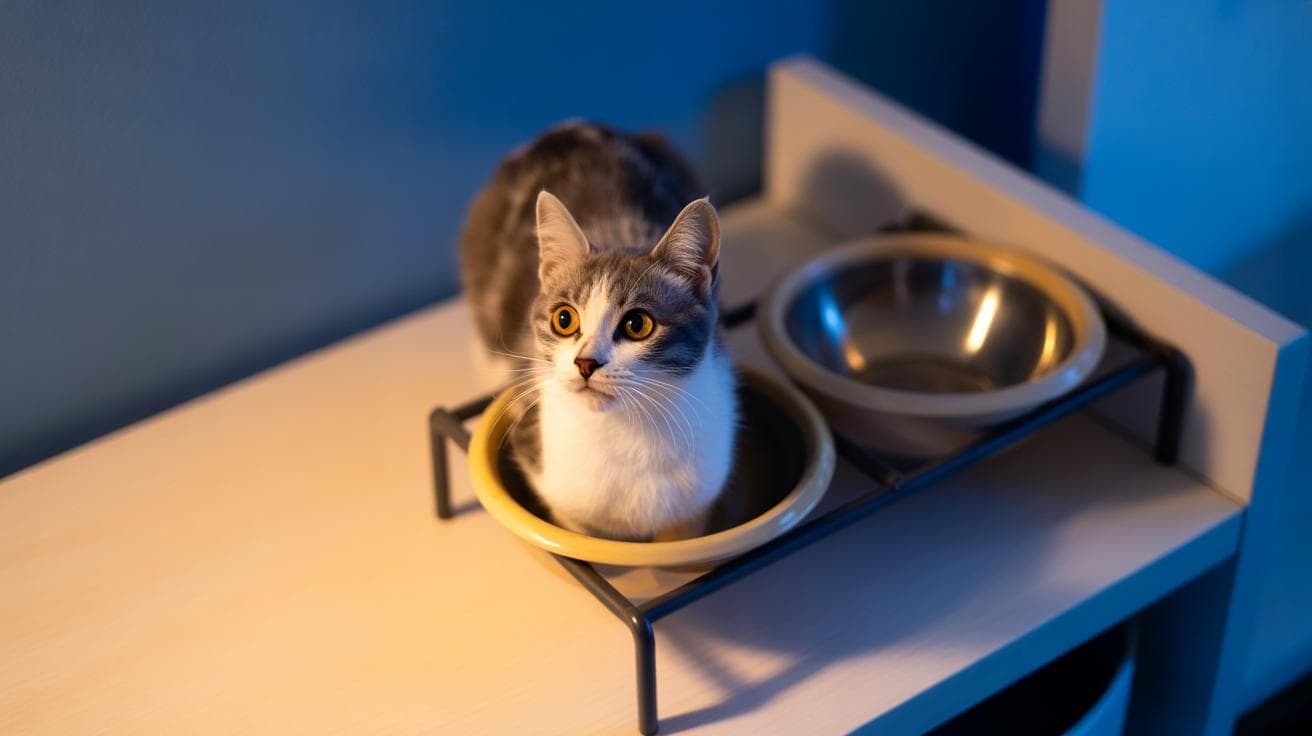
Measure from the floor up to your cat's shoulder, then add a couple inches for comfort. That simple trick gets the bowl at a natural reach so your cat does not have to bend too far. Small cats usually like bowls raised about 4 to 6 inches, medium cats about 6 to 8 inches, and large or senior cats about 8 to 10 inches. For arthritic kitties or very tall breeds, nudge the bowl a bit higher so they do not stoop; elevated bowls help the neck relax and make meals less of a stretch.

Ever watched your cat eat with a hunched back? Not fun. Raising the bowl slightly can turn mealtime into a relaxed, dignified moment, less strain on the neck and shoulders, and fewer awkward paw adjustments. It helps digestion too, oddly enough.

Pick shallow, wide dishes to cut down on whisker fatigue; think plates rather than deep cups. Whisker fatigue happens when whiskers keep brushing hard sides, and that can make your cat fussy or stressed. Look for whisker-friendly designs with low walls and wide rims so whiskers can spread comfortably. Removable inserts are great, you can swap sizes or clean easily without rebuilding the whole station.

Material matters for durability and cleaning. Stainless steel (an iron alloy with chromium that resists rust) is tough and usually dishwasher-safe. Ceramic (fired clay with a glassy glaze) is heavy and stable, so it stays put. BPA-free plastic (plastic made without a chemical called BPA) is lightweight and budget-friendly, though it may scratch over time. Choose anti-skid bases or a spillproof tray to catch messes, and go for dishwasher-safe, removable inserts so cleanup is fast and your elevated feeding station stays tidy. Worth every paw-print.

Multi-cat feeding station layouts, portion control, and monitoring
- Ergonomic feeding station setup bowl selection and height guidance.jpg

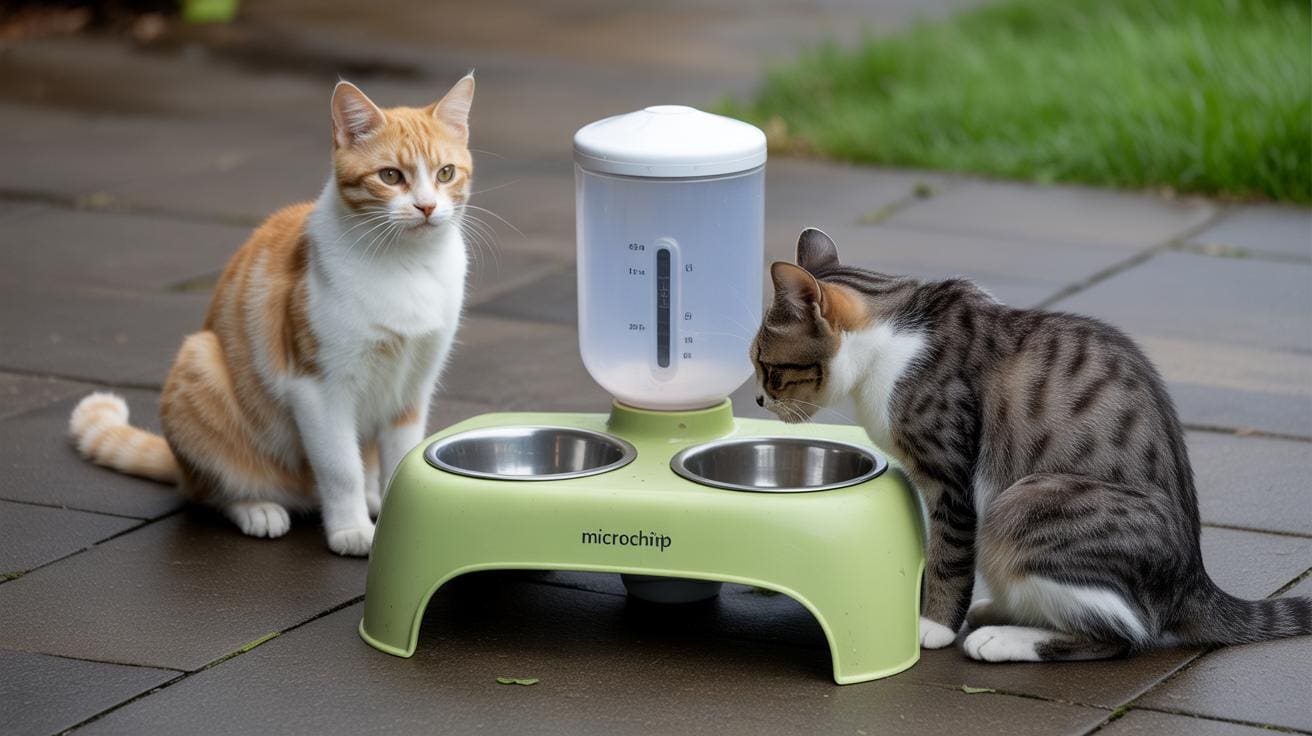
Give each cat a little nook when you can. Quiet spots help nervous eaters relax, and they stop the bold ones from bossing the buffet. Multi-bowl islands work great if floor space is tight. Just space the bowls so whiskers don’t mash together.

Try staggered timing if mealtime gets rowdy. Feed one or two cats first, then open access to the rest so the food guarding cools down. Little tweaks like that cut hissy fits and make dinners calmer and faster. Worth every paw-print.

Tech can save the day in tense homes. Microchip-activated feeders (microchip means the pet ID chip that tells a chip-reading flap to open) let only the right cat in. Timed dispensers (units that release measured portions on a schedule) and portion bowls (bowls set for single servings) keep calories in check and stop one greedy cat from eating everyone’s share. Mix methods: ID control for who can eat, timers for exact portions, and shallow, wide bowls so whiskers stay comfy.

Watch and count. Cameras are handy to learn who shows up and when, just like the study used. If you leave big piles of food out, you can get a decent head count in about 3-5 days. With small measured meals on a schedule it takes longer, about 8-11 days, to see who really came by. That matters when you’re tracking a lost cat or sizing up a colony.

Bring cats along slowly. Start with supervised trials so each cat learns the routine, then open short, staged access windows before full freedom. Let them sniff a new feeder, swap a towel with a familiar scent, and do a few dry runs while you watch. Calm introductions cut stress. Speaking of towels, my cat once decided the towel smelled like victory, um, and claimed the whole station for a week.

If one cat still guards, split locations for a while and use cameras to check who tolerates whom. Small changes, patient steps, and a bit of tech make feeding time peaceful. Isn’t it nice when everyone can eat without a drama?
Pest, wildlife, and outdoor security for feeding stations

- Multi-cat feeding station layouts, portion control, and monitoring.jpg

Pick a spot where your cat can eat and bolt to safety in a heartbeat. Put feeders near a sturdy shelter or under a porch overhang so a startled cat can dash and hide; picture whiskers twitching as they scoot away. Keep stations out of obvious wildlife routes like fence lines, creek edges, or open fields where coyotes roam. A simple escape idea: bury or secure a 12-inch diameter, 6-foot long PVC pipe (plastic plumbing pipe) or add a low ramp so cats can slip under or over a feeding platform if something scary shows up. Test it with a flashlight and a treat to make sure the path works.

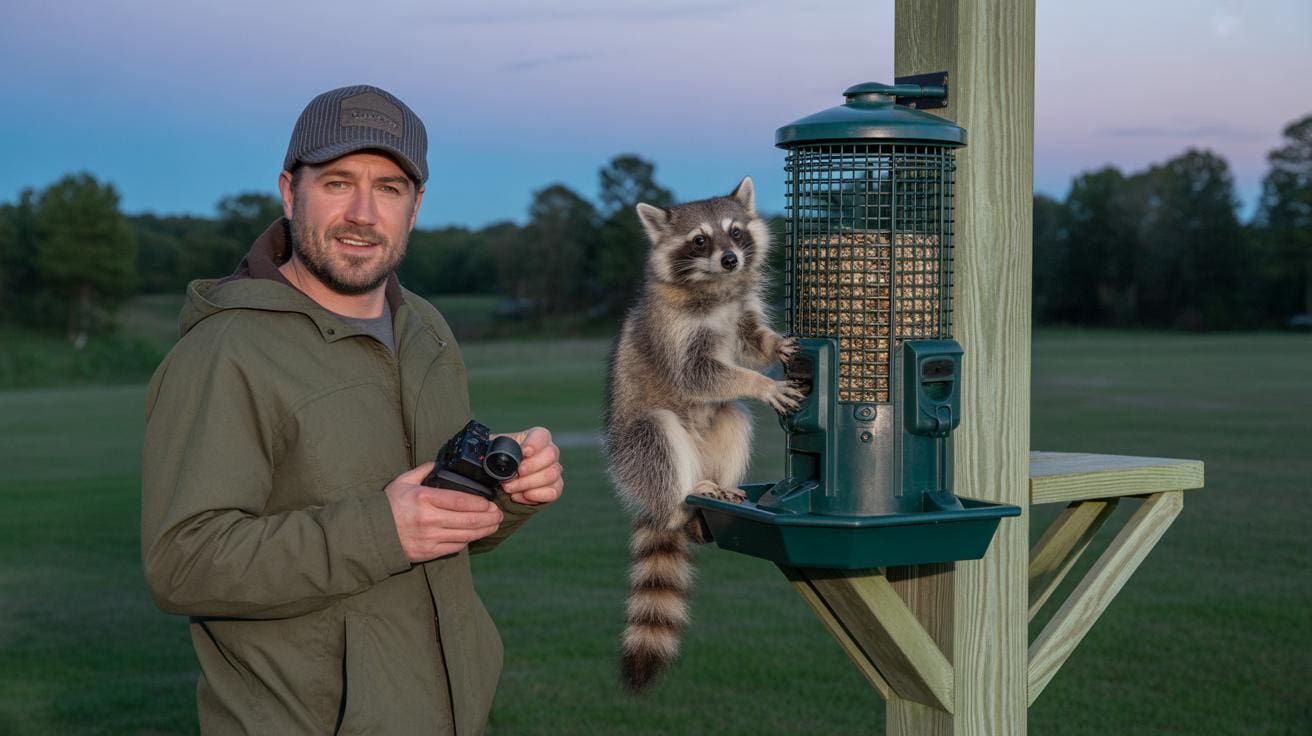
Field data helps shape what to try. In one study, cats made 64% of visits, raccoons 22%, coyotes 9%, and skunks 5%. Raising food off the ground tended to reduce coyote visits. Serving small, scheduled ground portions during the day cut down on night-time raccoon and coyote activity because the food was gone before dark. Elevation keeps food out of paw reach for some predators, but crafty raccoons and bold opossums can still climb or manipulate simple setups. Also, theft happened with camouflaged stations, so assume a light unit could be carried off and plan for that.

Make tipping and theft difficult and make access picky. Use heavy bases or screw-in ground anchors (metal rods that twist into the soil) so a crate or cabinet stays put. Choose tamper-resistant fasteners that need special bits to remove. Microchip-activated flaps (they open only for pets with registered microchips) or small-entry openings help keep non-target animals out. A locked, sealed food box keeps kibble dry and out of sight. Check the Buying Checklist for anti-tip ratings and lock options before you buy, and stash extra food in sealed containers out of view. Worth every paw-print.

  • Screw-in ground anchors or concrete footings (solid poured base) for permanent units
  • Weighted bases (concrete pavers, sandbags) for quick retrofit
  • Microchip-activated flap or small-entry door to limit non-targets
  • Locked, sealed food box for dry food storage and theft deterrence
  • Nighttime removal or indoor storage of dispensers when not in use
  • Camera monitoring for evidence, theft prevention, and behavior checks

Electrical, cord, and powered feeder safety for indoor and outdoor stations

- Pest, wildlife, and outdoor security for feeding stations.jpg

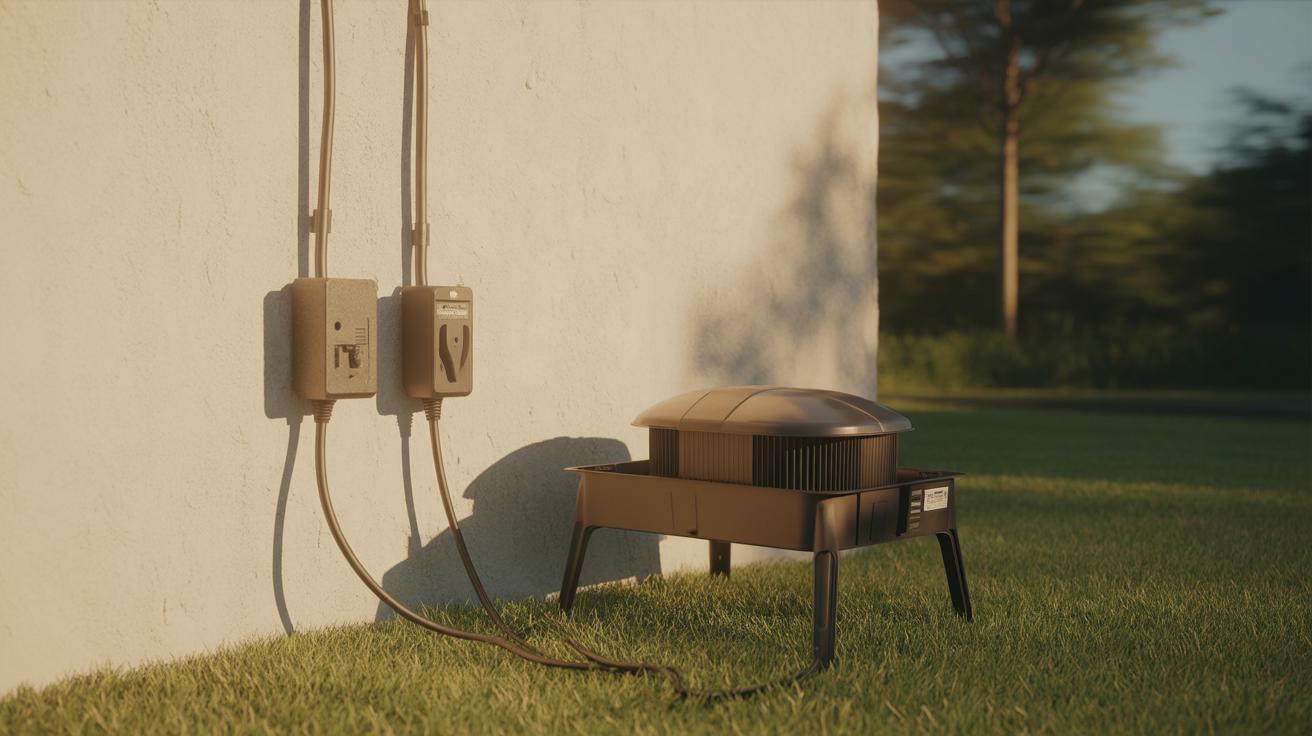
Put powered feeders on dry, level spots away from puddles, sprinklers, and damp corners so motors and electronics don’t get soggy. Think about the whirr of a motor and how sad it sounds when water makes it quit. Use a GFCI outlet (ground-fault circuit interrupter, a device that quickly cuts power if it senses water or a short) for outdoor circuits , it’s an easy, cheap safety win for automatic feeders.

Tame cords like you would tame a playful kitten. Run them along walls or under trim so they’re out of paw and jaw reach. Bury or clip cords where you can; they’re less tempting to gnawers and less likely to snag. Protect lines with split-loom tubing (flexible plastic conduit) or flat adhesive cord channels (stick-on covers that hide cords) to keep things tidy and trip-free. Mount plugs up off the ground and don’t run cords across walkways where a curious cat or raccoon might pull on them.

Pick feeders with battery backup and quiet mechanisms so meals stay on time without the thunderous clacks that stress cats. Your cat will notice that noise and might bail. For theft or tampering, keep powered units inside a secured enclosure or shelter (see Pest/Wildlife for anchoring and theft-prevention details) so the electronics stay put and safe. Worth every paw-print.

Cleaning, maintenance, and hygiene schedule for feeding stations

- Electrical, cord, and powered feeder safety for indoor and outdoor stations.jpg

Wipe bowls and removable inserts after each meal. Toss any wet food that's been sitting out, because that smell gets… uh, intense fast and your cat will notice. Rinse and refill water bowls every day so water stays fresh and inviting.

Once a week, pull out inserts or trays and give them a good scrub. Grease and grime build up slowly, and a weekly wash helps prevent spoilage and keeps other animals from sniffing around. Worth every paw-print.

Use mild dish soap for regular washing and a diluted vinegar rinse for stubborn smells. White vinegar (diluted) is a natural odor remover and is safe for cats when you rinse well. If your bowls are dishwasher-safe, put stainless-steel or ceramic inserts on the top rack (stainless-steel is a rust-resistant metal; ceramic is glazed pottery) and use a high-heat dry cycle when possible. High heat helps kill microbes.

For tougher jobs, use a vet-approved disinfectant and follow the product directions. Let everything air dry completely before putting food back. Replace plastic bowls as soon as you see deep scratches or grooves where bacteria can hide. Your cat will thank you with a cleaner nose.

Monthly checks keep the whole station working right. After storms or heavy weather, inspect seals, roof flashing (flashing is thin metal that directs water away), and raised bases for gaps, rot, or mold. Tighten rustproof fasteners and reseal small cracks with exterior-grade sealant (sealant is a waterproof filler). If the base sits on soggy ground, lift the station with a gravel pad or small risers so it stays dry.

Store extra kibble in sealed containers indoors so critters don't sniff out dinner. For busy days, give your cat an unbreakable toy or a hurried puzzle feeder before you leave, ten minutes of play and they settle right down.

Oops, one more tip: check for mildew and sticky residues; a quick clean now saves a big scrub later.

Task Frequency Tools / Notes
Wipe and rinse bowls, remove wet food Daily Mild dish soap, soft sponge, fresh water. Note: wipe inserts before replacing.
Deep clean bowls and removable inserts Weekly Dishwasher (top rack), diluted white vinegar rinse (diluted), scrub brush. Note: use sanitizing cycle and high-heat dry when possible.
Inspect hardware, seals, and drainage Monthly Screwdriver, rustproof fasteners, silicone caulk (silicone caulk – flexible waterproof sealant). Note: tighten loose screws and reseal small gaps.
Sealant touch-up and roof check Seasonal Exterior-grade sealant (waterproof), flashing (thin metal strips), small brush. Note: check seams after heavy rain or snow.
Replace scratched plastic bowls or damaged inserts As needed Stainless-steel or ceramic bowls, replacement inserts. Note: swap at first deep scratches or persistent stains.

Cat Feeding Stations: Designs and Safety Tips

- Cleaning, maintenance, and hygiene schedule for feeding stations.jpg

If you’re building a single-cat nook, aim for an interior floor about 18" x 12" with 12" of headroom so your cat can step in, turn, and eat without feeling cramped. Pick a ground-level build for yards with low predator risk. For areas with coyotes or bold wildlife, use a 36" high gravity feeder platform (36" = 3 feet) to keep bowls out of easy reach and give space underneath for a weighted base.

Keep three simple rules in mind: ventilate the space so moisture doesn’t hang around, slope the roof so rain runs off, and use removable bowl inserts for quick cleaning. Add a hidden food-storage compartment (sealed tote or small cabinet shelf) that latches shut so kibble stays dry and out of sight. Choose materials that stand up to weather and wipe clean; finish with a low-VOC sealer (low volatile organic compound protective coat) and use rustproof stainless hardware.

DIY plan (single-cat tote/box + optional gravity platform)

  1. Parts list

    • 1 sheet exterior-grade plywood 3/4" (4' x 8') or two 2' x 4' cedar panels. Plywood is wood made from glued layers for strength, and cedar is naturally rot-resistant.
    • 1 small Rubbermaid-style tote (for hidden dry-food storage). That’s just a sturdy plastic bin with a lid.
    • 2 stainless-steel bowls (dishwasher-safe) with removable inserts. Stainless steel resists rust and is easy to sanitize.
    • 4 exterior hinges and one hasp with padlock option.
    • Screws: #8 or #10 stainless exterior screws, 1 1/4" and 2 1/2" lengths (rustproof fasteners).
    • Roof flashing, exterior-grade caulk (flexible sealant), low-VOC exterior sealer.
    • Optional: folding table or 36" steel platform legs for an elevated build (gravity feeder platform is a raised table-style stand for bowls).
  2. Cut list (single-cat box)

    • Floor: 18" x 12"
    • Back wall: 18" x 12"
    • Side walls: 12" x 12" (two pieces)
    • Roof: 20" x 14" with 2" overhang at front
    • Front panel: cut entry hole 6" wide x 7" tall (or smaller for shy cats)
  3. Assembly steps

    • Fasten the sides to the floor with 1 1/4" screws, then attach the back and front panels. It’s straightforward and nice to see it take shape.
    • Mount the roof with hinges so it opens for cleaning. Add flashing at seams and run a bead of exterior caulk along joints to keep water out.
    • Cut holes for the removable inserts and fit the bowls; add a towel or rubber gasket to reduce wobble. Your cat will appreciate steady bowls when pouncing.
    • Mount the Rubbermaid tote inside the base or under the platform as hidden food storage and latch it closed. Keeps critters and noses away.
    • Sand edges, apply two coats of low-VOC sealer, and let cure per product directions.
  4. Finishing notes

    • Raise the box on small risers or a gravel pad to keep wood off wet ground. Moisture is a slow enemy.
    • If you use the 36" gravity platform, secure legs and add a weighted base or screw-in ground anchors (see Pest/Wildlife for anchors). Stability matters if you’ve got curious raccoons or a determined neighborhood dog.

Test and tune: run supervised trials so each cat learns the routine and you can spot problems early. Watch behavior on camera for a few days and open staged access windows to fix guarding or fear. If a cat avoids the nook, try familiar bedding, sprinkle a little treats, or shrink the entry by an inch and test again. It often just takes small changes for big comfort wins.

Buying checklist

  • Anti-tip stability or clear anchoring points on the unit
  • Removable, washable bowl inserts and dishwasher-safe parts
  • Stainless-steel bowls included or recommended (easy to clean, rust-resistant)
  • Rustproof hardware and weather-rated fasteners
  • Locking or microchip-access options for multi-cat homes or wildlife-prone sites
  • Hidden food storage or a sealed tote for dry kibble
  • Clear cleaning instructions and replacement-part availability
  • Warranty or part-replacement policy for peace of mind

Worth every paw-print.

Final Words

In the action, pick elevated or enclosed feeding stations, serve scheduled small measured meals, anchor or weight feeders, and use washable, non-porous bowls with removable inserts.

We walked through design families (wood (cedar)), enclosed shelters, and DIY options, plus bowl height, whisker-friendly shapes, multi-cat tech like microchip-activated feeders (tiny ID chip) and simple monitoring, with outdoor placement and anchoring tips to keep wildlife away.

Use these cat feeding stations: designs and safety tips to choose a setup that lasts, reduces stress, and protects your home. It's worth every paw-print.

FAQ

FAQ — Outdoor Cat Feeding Stations

What are the best outdoor cat feeding station designs and safety tips?
The best designs pair weatherproof shelters, elevated or small-entry enclosures, and scheduled small meals to limit predators and keep food clean. Anchor units and use washable, non-porous bowls for hygiene.
<dt>How do I make a feral cat feeding station raccoon-proof?</dt>
<dd>
  Use small-entry shelters, microchip-activated flaps (reading the cat’s implanted ID), timed portions, elevated platforms, heavy anchors, and locked dry-food boxes to reduce nocturnal raccoon visits.
</dd>

<dt>What design works best for small versus large cats?</dt>
<dd>
  Adjust bowl height and interior space to the cat’s shoulder: small 4–6 in, medium 6–8 in, large/senior 8–10 in. Use wider, shallow bowls for whisker comfort.
</dd>

<dt>What are simple DIY feeding station ideas and safety tips?</dt>
<dd>
  Simple DIY options include plastic-tote shelters, folding-table canopies, and gravity-fed platforms (food flows by weight). Use removable dishwasher-safe inserts, sealable food storage, and add weight or anchors to stop tipping.
</dd>

<dt>What features should the best cat feeding stations have?</dt>
<dd>
  Look for removable dishwasher-safe inserts, stainless-steel bowls, rustproof hardware, anti-tip anchor points, microchip or timed access, and smooth, easy-clean surfaces to reduce mess and increase safety.
</dd>

<dt>How can I reduce wildlife visits and predator risks at an outdoor feeder?</dt>
<dd>
  Use elevated platforms to deter coyotes and scheduled small ground meals to cut nocturnal raccoon activity; site feeders near shelter, avoid open corridors, and allow escape routes. One study observed cats 64%, raccoons 22%, coyotes 9%, skunks 5%.
</dd>

<dt>How should I anchor or protect a feeder from tipping and theft?</dt>
<dd>
  Use heavy bases, ground anchors, tamper-resistant fasteners, concealed locked food boxes, and check anti-tip ratings or mounting points regularly.
</dd>

<dt>Are microchip-activated feeders worth it for multi-cat or feral feeding?</dt>
<dd>
  Yes—microchip-activated feeders that read implanted IDs can limit access to target cats, control portions, and reduce non-target visits when used with enclosed shelters.
</dd>

Author

  • Nathaniel Price is a retired construction manager turned LLM writer, where he combines his years of experience managing complex projects with his love for crafting precise, engaging content.

    His work thrives on meticulously researching and writing about all things related to cats, from behavior to care, ensuring that every piece is informative and well-researched.

    When he’s not writing, Nathaniel enjoys fishing, which offers him a peaceful escape. He also has a deep appreciation for nature, often reflecting on his belief that “happiness is found in the quiet moments.”

    View all posts

Similar Posts