
Can a cat really learn to defend itself against a dog? It might sound strange, but training your cat to fend off dogs can be a game-changer for their safety hunting instincts.com/how-to-train-a-cat-to-swim/”>aquatic training.com/how-to-stop-play-aggression-in-cats/”>play aggression. In a world where cats and dogs often cross paths, being prepared is not just smart—it's crucial.
Defensive training not only helps keep your feline friend safe but also boosts their confidence and reduces anxiety. In this article, we'll explore the steps to teach your cat defensive skills, ensuring they stay secure and thrive in any environment.
Understanding the Need for Defensive Training in Cats
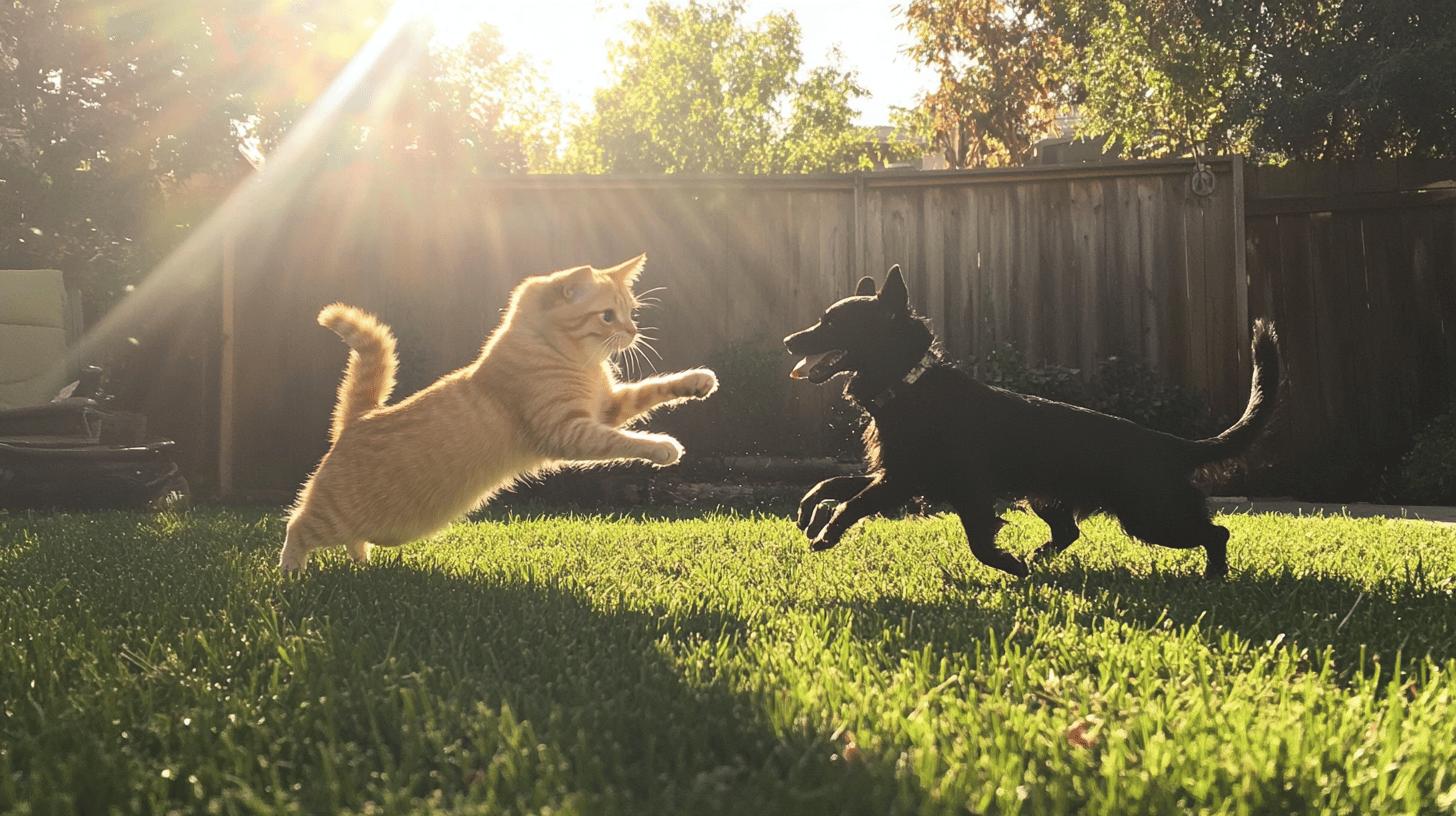
Cats can face threats from dogs, making defensive training essential for their safety. While cats and dogs might adjust to each other over time, it’s not always the case. Sometimes, dogs’ natural instincts can pose a risk to cats. Defensive training prepares cats for potential encounters, helping them feel more secure and confident in their environment.
Defensive training not only enhances cat safety but also contributes to their overall well-being. It stimulates them both mentally and physically, providing a beneficial outlet for their energy. This training can also improve social interactions, especially for cats that are shy or fearful. By learning defensive techniques, cats can better communicate their boundaries, reducing the chance of aggressive encounters with dogs.
Benefits of Defensive Training for Cats
- Increased Confidence: Cats become more self-assured when facing potential threats.
- Improved Reflexes: Training sharpens a cat's reflexes, enabling quicker responses.
- Better Communication: Cats learn to use body language effectively.
- Reduced Anxiety: Knowing they can protect themselves diminishes stress.
- Enhanced Social Skills: Cats interact more positively with other pets.
When training cats defensively, using ethical and positive reinforcement methods is crucial. Negative reinforcement can lead to aggression and mistrust, which is counterproductive. Positive techniques encourage cats to adopt and retain beneficial behaviors. This approach ensures the training is a rewarding experience, fostering a safe and positive relationship between cats and their environment.
Defensive Techniques for Cats in Dog Encounters
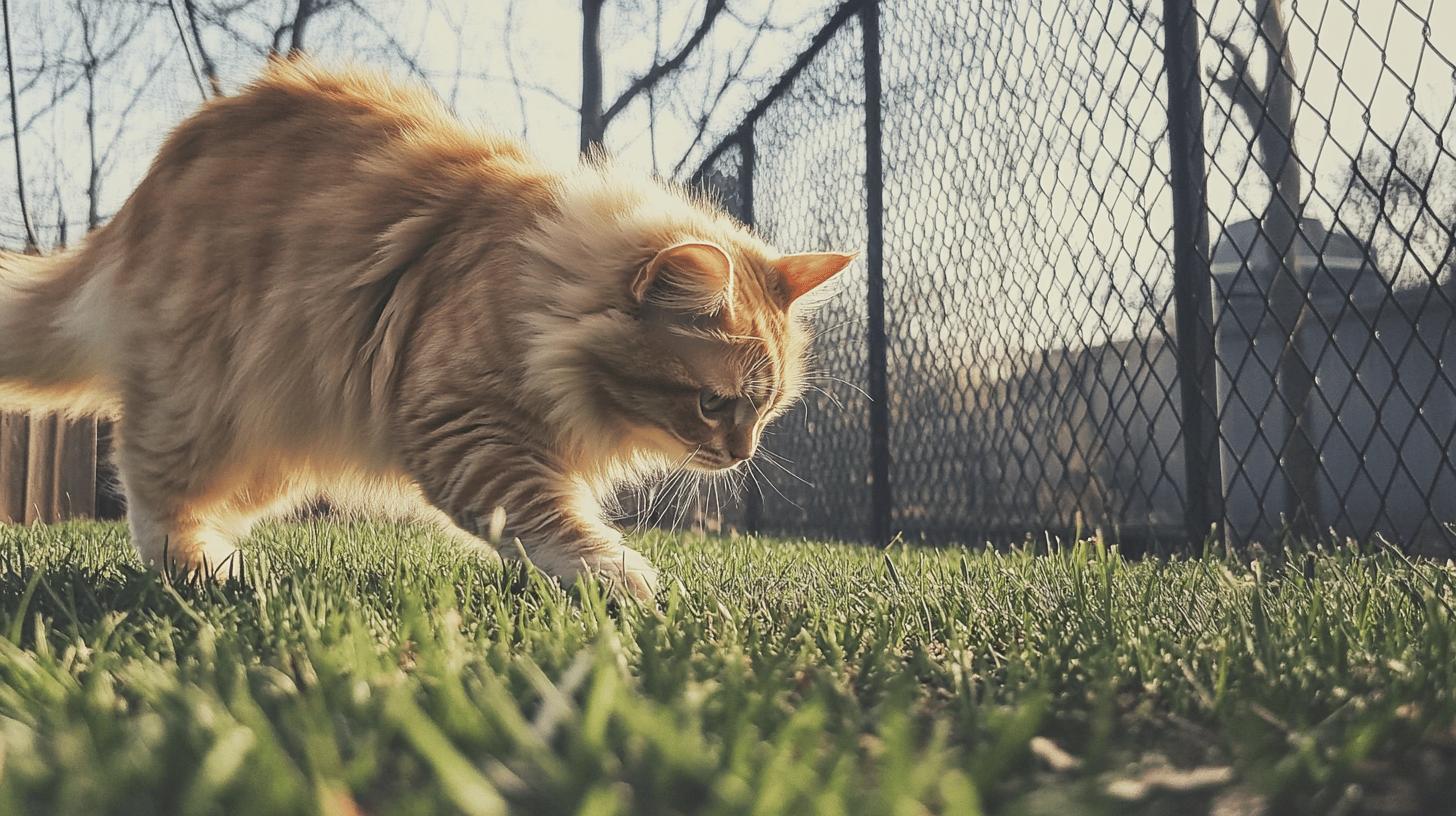
Teaching cats specific defensive techniques is key to keeping them safe during encounters with dogs. By equipping cats with self-defense skills, we ensure they can handle potential threats confidently. These techniques focus on non-aggressive methods that help cats communicate their boundaries effectively and avoid conflicts.
Teaching Cats Defensive Posturing
How can you teach your cat to appear more intimidating to dogs?
By using body language. Cats can learn to make themselves appear larger and more intimidating. Start by encouraging your cat to stand tall and arch its back when feeling threatened. This posture signals to dogs that the cat is not to be messed with.
Use a toy or a treat as a reward when your cat naturally takes on this posture during play. Over time, your cat will associate this stance with positive outcomes, making it more likely to use it during actual encounters.
Enhancing Cat Reflexes
How can you improve your cat's reflexes for defensive scenarios?
Through play. Engage your cat in games that enhance its speed and agility. Use feather toys or laser pointers to encourage quick movements and reactions.
Regular play sessions help strengthen muscles and improve coordination, making your cat quicker on its feet. This training is vital for evasive maneuvers, allowing your cat to escape quickly if necessary.
| Technique | Intended Outcome |
|---|---|
| Defensive Posturing | Makes cats appear larger and more intimidating |
| Reflex Training | Improves speed and agility for quick escapes |
| Positive Reinforcement | Encourages adoption of defensive behaviors |
| Non-aggressive Signals | Reduces likelihood of conflict through effective signaling |
Creating Safe Environments for Cats

A secure environment is crucial for promoting feline safety and minimizing conflicts with dogs. Cats need spaces where they feel safe and can retreat when necessary. Stress from potential dog encounters can cause anxiety and lead to aggressive behavior in cats. By setting up a cat-friendly environment, you provide them with the confidence to explore their surroundings while minimizing the risk of negative interactions with dogs.
Creating safe spaces for cats involves incorporating several elements. Here are four effective ways to establish these environments:
- Use Barriers: Install baby gates to separate cats and dogs during introductions or when unsupervised.
- Provide High Perches: Cats feel secure when they have elevated vantage points to observe their surroundings.
- Ensure Separate Feeding Areas: Keep cat and dog feeding spaces distinct to prevent territorial disputes.
- Designate Quiet Zones: Have specific areas where cats can retreat without being disturbed by dogs.
A stress-free environment benefits both cats and dogs by reducing tension and the likelihood of aggressive encounters. Cats become more relaxed and confident, while dogs learn to respect boundaries. This harmony fosters a peaceful coexistence, making the home a safer and more comfortable place for all pets.


