Ever seen your fluff ball brave a 45°F chill without batting an eye? Cold cat-titude? Think they’re feline fine?
They hail from desert roots, so even a plush coat with guard hairs (the stiff outer fur) and undercoat (the soft fuzzy layer) can’t block every chill.
When temps dip below 45°F, you’ll see whiskers twitch and tiny hairs stand up to trap what little warmth is left.
Here are five cozy tips to keep your outdoor explorer snug and safe when cold winds roll in.
Cats Feel Cold Outdoors Quickly: Thresholds & Action Steps
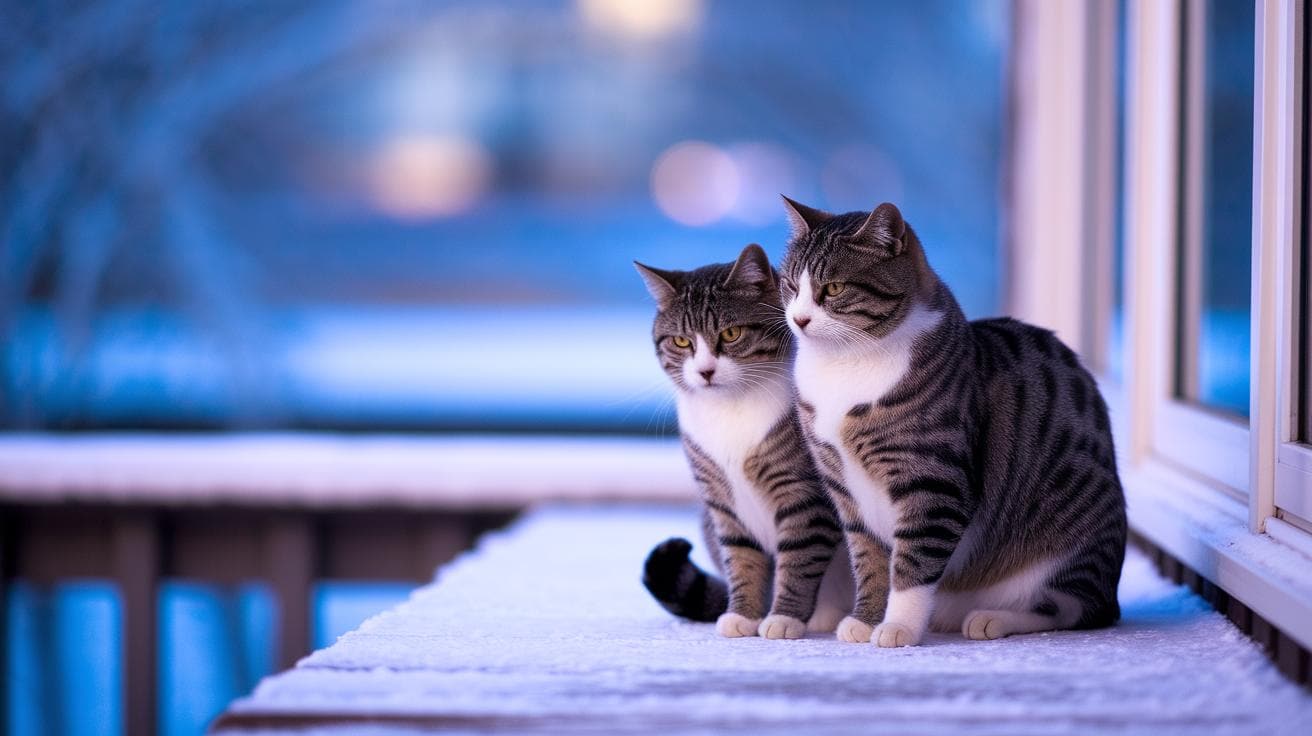
Your cat’s normal body temp is around 99 to 102 °F. Coming from desert ancestors, they don’t pack the same cold tolerance we do. One chilly wind and their whiskers start twitching! Even that plush coat (guard hairs, the stiff outer fur, plus undercoat, the soft fuzzy layer) can only do so much.
Here’s a quick look at how temps feel to kitties:
| Feeling | Temp (°F) |
|---|---|
| Cozy | 45 – 77 |
| Be Careful | 32 – 45 |
| Danger Zone | Below 32 |
If the temp dips under 45 °F or your kitty looks chilled, bring them inside. You know, wind chill that strips warmth fast. Rain or snow can soak their fur and break down insulation. High humidity steals heat too by dampening their hair.
Leaving your cat out too long in freezing weather can cause frostbite on ears, paw pads, and tail tips. Hypothermia isn’t far behind, heart rate and breathing slow, muscles stiffen, and they could lose consciousness if you don’t help. Ever seen a cat shiver? It’s a clear “get me inside” plea.
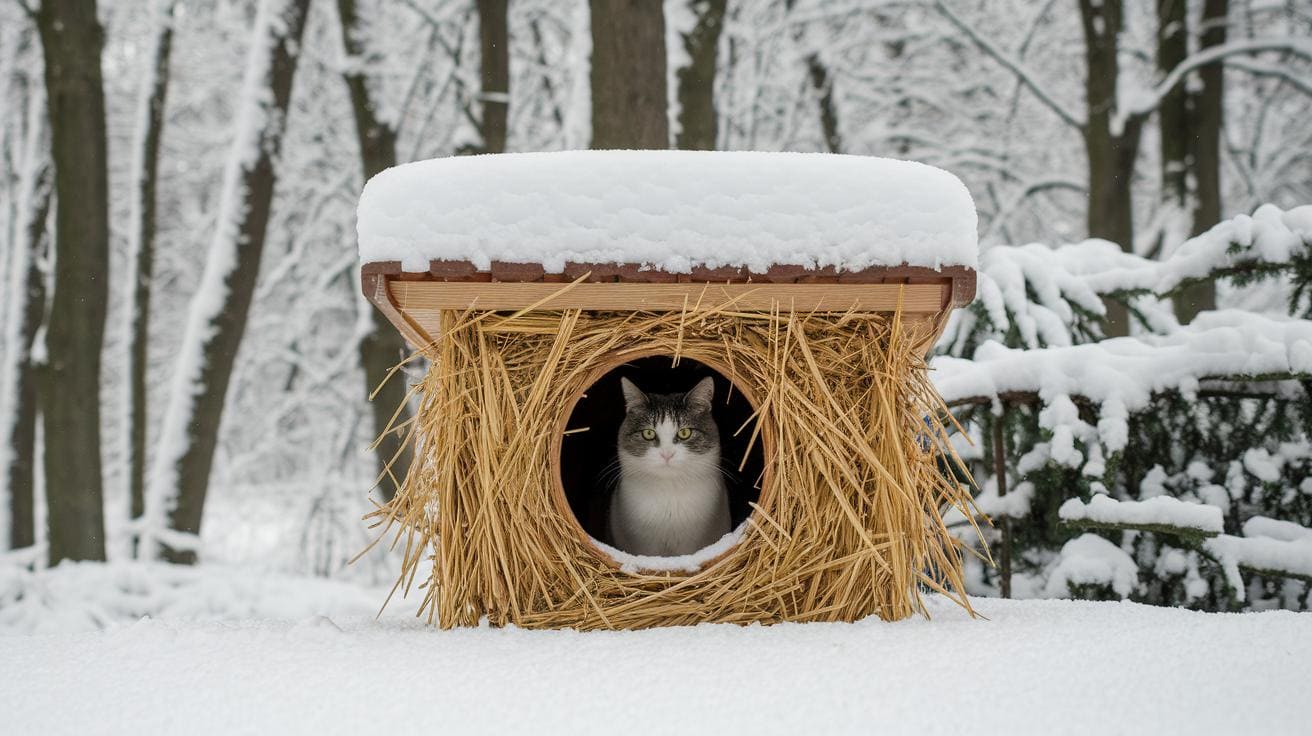
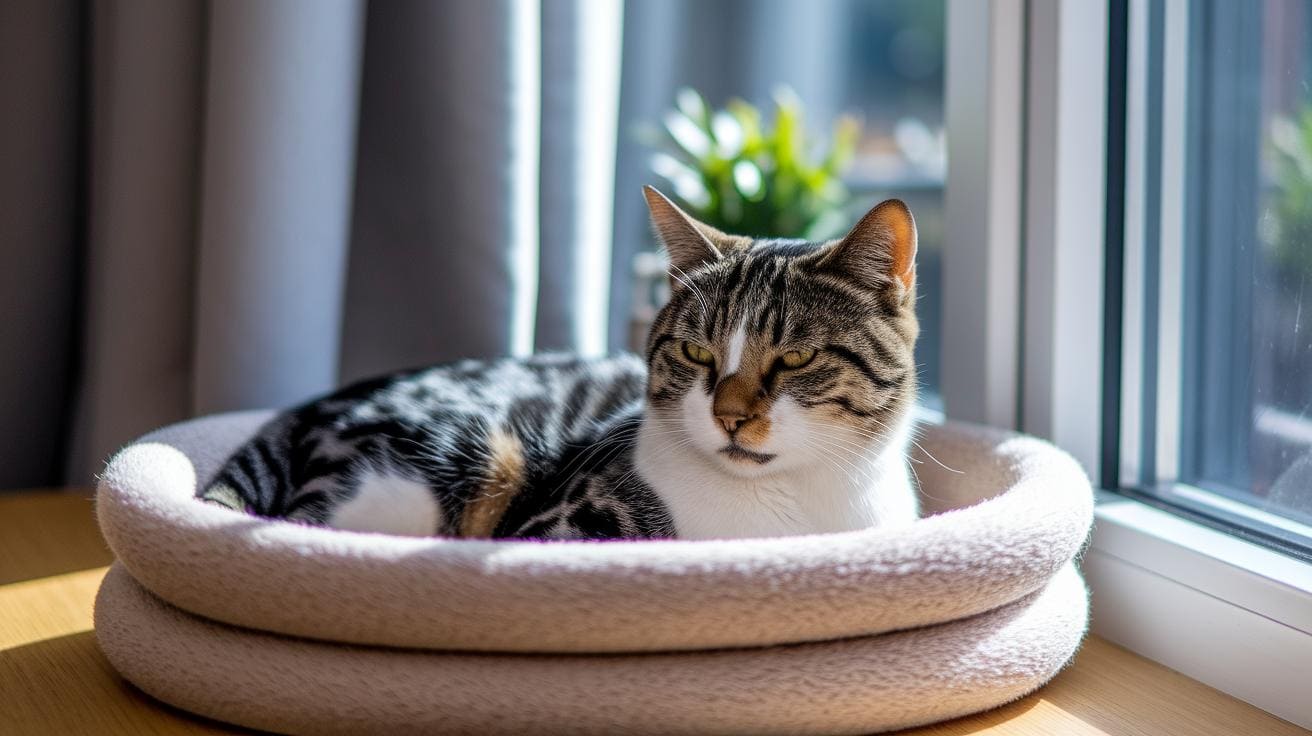
A cozy hideaway or a heated bed (like a plug-in pet pad) can save their life when old man winter rolls in. Worth every paw-print.
Feline Thermoregulation and Cat Fur Insulation Outdoors
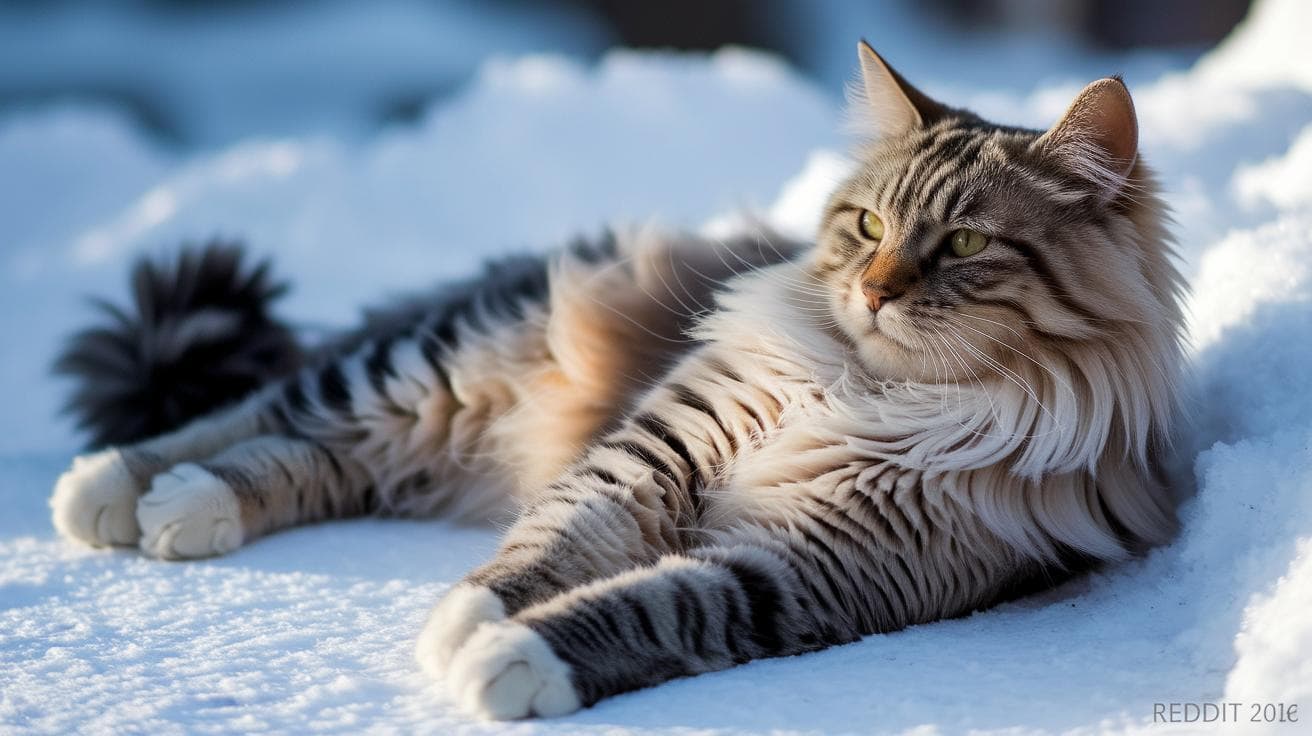
Cats are built to stay warm on crisp days. Their guard hairs (long stiff hairs) block wind and light dampness while a thick undercoat (soft dense hairs) traps body heat close to their skin. This two-layer coat helps keep their body temperature around 100 to 102 °F (about 38 to 39 °C). Um, if you’ve ever felt your kitty after a sniff of fresh air, you know they’re extra toasty.
When the air cools down, cats use piloerection (a reflex that makes each hair stand up). Those tiny hairs trap little pockets of warm air next to their skin. At the same time, a slight muscle shiver adds extra heat. It’s like their own fur-powered radiator. Pretty neat, right?
Cats also have cozy tricks up their paws. You might catch yours stretching in a sunny patch on the porch to soak up warmth without burning energy. Then they curl into a tight doughnut, hiding every bit of heat. Next they slip behind a sheltered wall or hop into a snug cat house. And before you know it, they’re living in their own fur-lined fortress!
Worth every paw-print.
Key Factors Affecting Cat Cold Sensitivity Outside
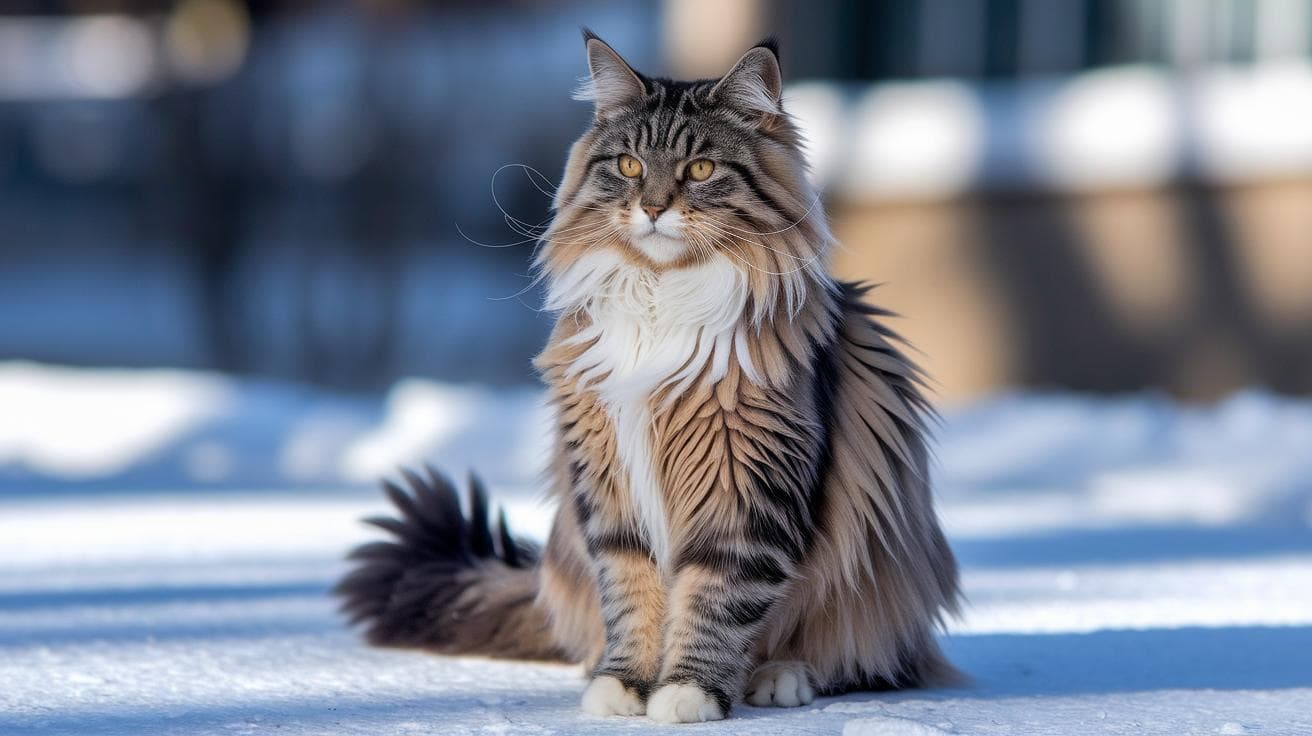
Ever watched your kitty’s whiskers twitch at frosty air? Not all cats are built for frozen noses. Your cat’s fluff level, age, and health decide when it starts to shiver.
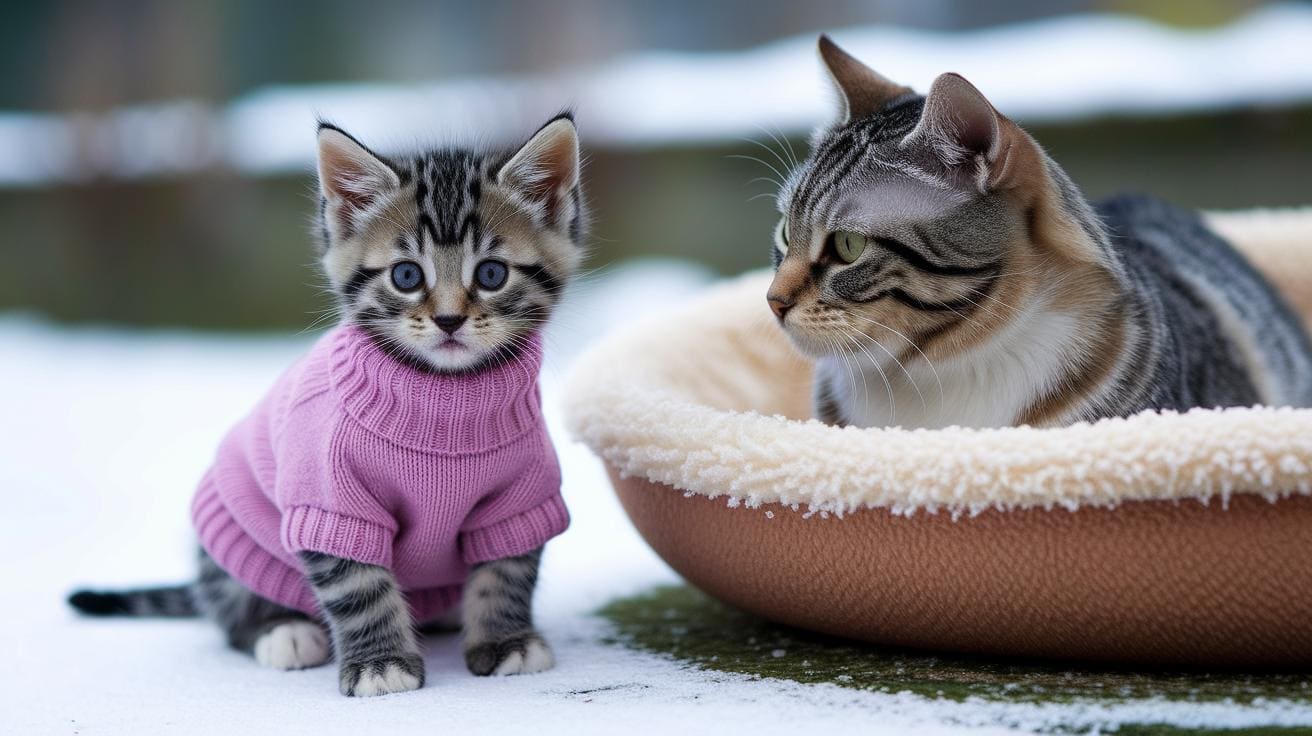
Long-haired breeds like Maine Coons and Siberians have a thick undercoat (soft, warm hairs under their top fur) plus guard hairs (outer, stiff hairs that block wind). So they stay snug when temps dip. Short-haired cats lose heat fast because their coats can’t trap enough warm air. Hairless kitties, um, they need all the help they can get, sweaters, heated pads, or a cozy spot outside.
Kittens and seniors both struggle to make body heat, tiny bodies or tired muscles don’t shiver well. Underweight cats lose warmth in a flash, while a plump score of 5 or 6 on a 9-point scale helps keep them toasty. Cats with arthritis or hyperthyroidism need extra TLC since sore joints or a fast metabolism can zap their warmth even if their fur looks full.
One cat can curl up on a frosty patch with a purr. Another bolts inside at the slightest breeze. Watch your cat’s chilly limits and you’ll keep them purring instead of shivering.
But wait, bonus tip: toss a fuzzy blanket or heated bed out there for quick, warm breaks during playtime. Worth every paw-print.
Signs of Cold Stress and Hypothermia in Outdoor Cats
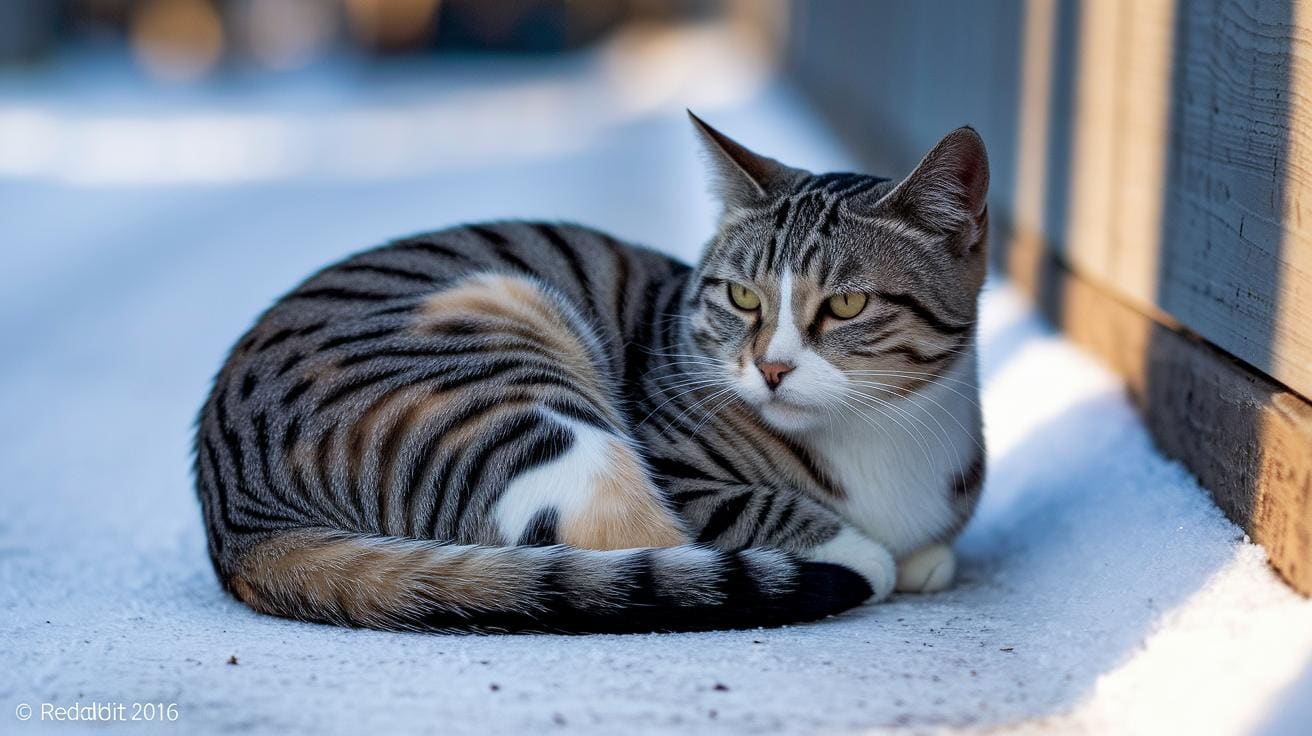
Ever caught your cat shivering like a leaf in a cold wind? That’s mild cold stress kicking in. You might see trembling or slow movement. Cats often curl up tight to hide their chilly ears and paws. Sometimes their fur puffs up (piloerection, when tiny hairs stand up to trap heat) but it still feels icy outside.
When chill digs deeper you’ll spot muscle stiffness and pale or bluish gums as blood slows. Breaths get heavy and each inhale sounds labored. Frostbite (skin damage from freezing) can show up as gray or black spots on ear tips or paw pads. I once watched Luna tiptoe around the porch like it was a skating rink.
In severe hypothermia (when the body is too cold to work right) your cat’s pupils may widen and the heartbeat slows to a crawl. They might go limp and slip into unconsciousness. This is life or death.
| Stage | Symptoms |
|---|---|
| Mild | Shivering, lethargy, cold ears/paws, tight curling |
| Moderate | Muscle stiffness, pale gums, labored breathing, frostbite spots |
| Severe | Dilated pupils, slow heartbeat, unconsciousness |
If you spot moderate or severe signs, you’ve got to move fast. Bring your cat indoors and wrap it in warm towels or blankets. Tuck a hot-water bottle (wrapped in a cloth) next to its belly but never use direct heat like a hair dryer. Check its breathing and pulse and call your vet on the way. Every second counts when you’re dealing with feline hypothermia.