
Wondering how to help your cat pack on healthy weight? Serving plain store kibble is like feeding toast to a sprinter. It just won’t cut it.
Here’s the scoop: mix lean poultry or rabbit (protein source) with healthy fats (quick energy boost) and a bit of organ meat (rich in vitamin A and taurine) for homemade meals that smell like heaven to your kitty. Picture juicy chicken browning in the pan and rabbit meat you can shred with ease. Your cat’s whiskers will twitch as it sniffs each bite. It’s a fun way to fatten up your furball safely and slowly.
We’ll show you how to check calories, master simple portion hacks, and pick flavors even the shyest kitten can’t resist. Ready to see those paws leaving satisfied paw prints all around?
Safe Homemade Cat Food to Gain Weight: Overview and Key Principles
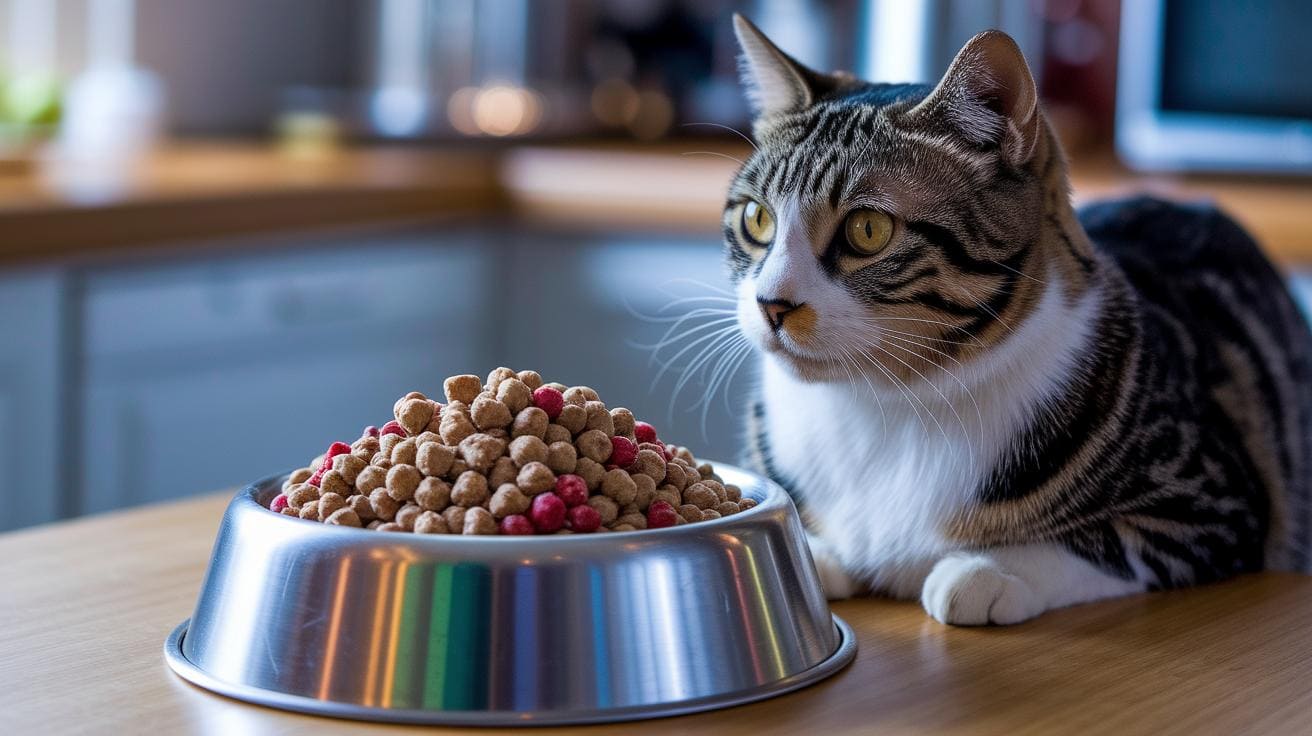
Is your kitty on the slim side? Let’s whip up homemade meals that help your cat pack on healthy pounds while keeping playtime purr-fectly fun.
Aim for about 200 calories a day, split into six mini meals. Each bowl should hit at least 30% protein (muscle builder) and 20% fat (energy fuel). This steady feed helps your cat grow lean muscle and keep energy up. Really.
| Nutrient | Target % |
|---|---|
| Protein (muscle builder) | 30% |
| Fat (energy fuel) | 20% |
| Organ Meat (vitamin A & taurine) | 5–10% |
Cats are obligate carnivores, which means meat is non-negotiable. Use lean poultry or rabbit as your protein base. Drizzle in salmon oil (fish-based healthy fat) or flaxseed oil (plant-based healthy fat). Don’t skip on moisture, stir in about 3.5 ounces of water or low-sodium broth per 5 pounds of body weight. Serving meals at room temperature makes that first sniff extra inviting. Ever watched your kitty’s whiskers twitch when something smells just right?
Next, toss in 5–10% organ meat like liver or heart for a boost of vitamin A and taurine (an essential cat nutrient). Oops, make that closer to 10% if your cat is super picky or needs an extra flavor punch.
Worth every paw-print. Homemade diets often lead to livelier play sessions, smaller stools you can scoop in a flash, and way less litter-box odor. You can even jazz things up with a swirl of pureed pumpkin for fiber, a splash of broth for slurpy fun, or a dash of fish oil for a glossy coat.
Serving fresh, just-warm meals invites even the fussiest eaters to dive right in. For step-by-step tips on mixing balanced, weight-gaining recipes, check out how to make homemade cat food.
Ingredients & Supplements for Homemade Cat Food to Gain Weight
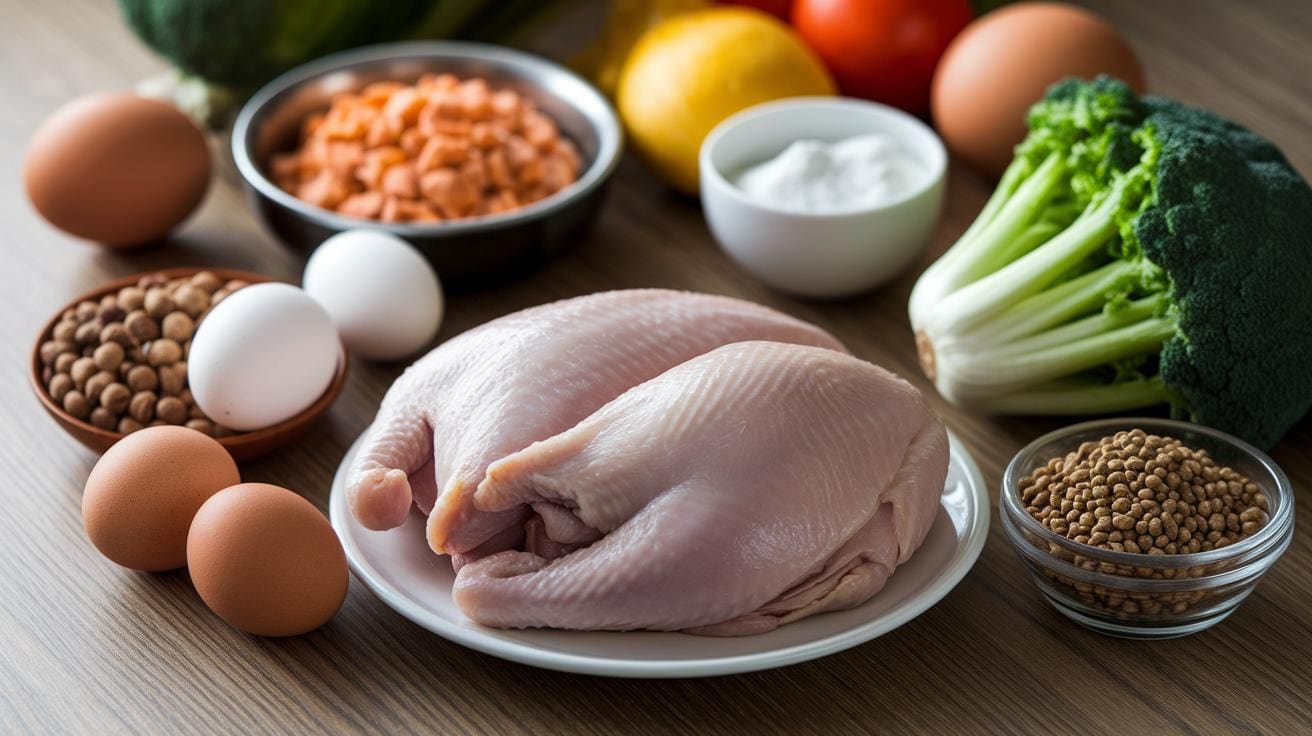
So you’re ready to help your kitty pack on some healthy pounds? Try folding in one or two cooked eggs (protein-packed) each time you whip up a batch. Or stir in about ¼ cup of mashed sweet potato (soft orange root veggie) for extra calories and a change of taste. It’s an easy tweak, and your feline friend might purr with delight.
Here’s a quick supplement cheat sheet:
| Supplement | Recommended Dosage | Primary Benefit |
|---|---|---|
| Taurine (essential amino acid) | 2,000 mg/day | Supports heart and vision health |
| Fish oil (omega-3 fatty acids) | 5,000–10,000 mg EPA/DHA | Helps skin, coat, and fights inflammation |
| Vitamin E (fat-soluble antioxidant) | 200–400 IU | Offers antioxidant support |
| B-Complex (group of B vitamins) | 50–200 mg | Boosts energy metabolism |
| Potassium gluconate (mineral supplement) | 14 × 99 mg tablets | Maintains electrolyte balance |
| Iodized salt (source of iodine) | Use sparingly | Helps with calcium-phosphorus balance |
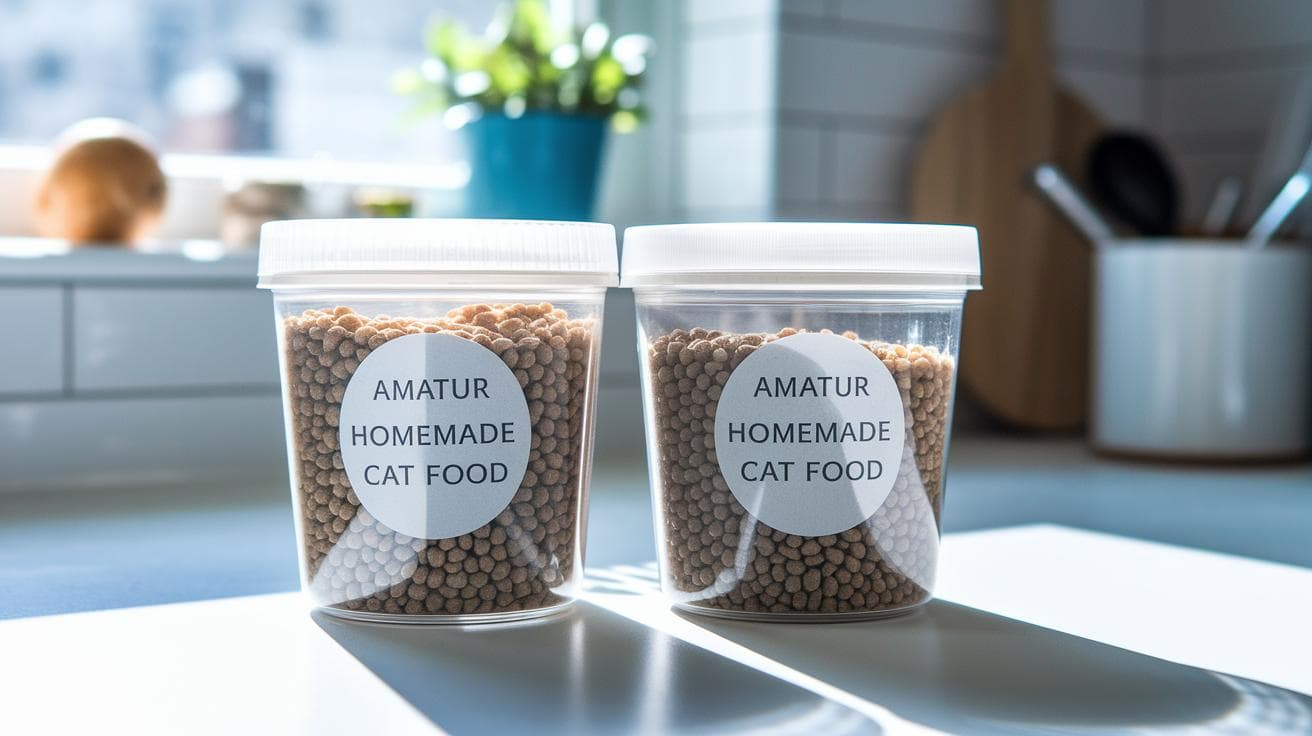
Once your mix is ready, store fresh portions in the fridge for up to three days. Actually, you can freeze individual servings in labeled containers, perfect for busy mornings. Keep all your bowls, spoons, and counters clean because raw poultry and organ meats can carry bacteria.
Before you dive into homemade meals full-time, check in with your veterinarian to make sure your cat’s nutrition stays on target.
Homemade Cat Weight Gain Recipes: High-Calorie and Protein-Rich Options
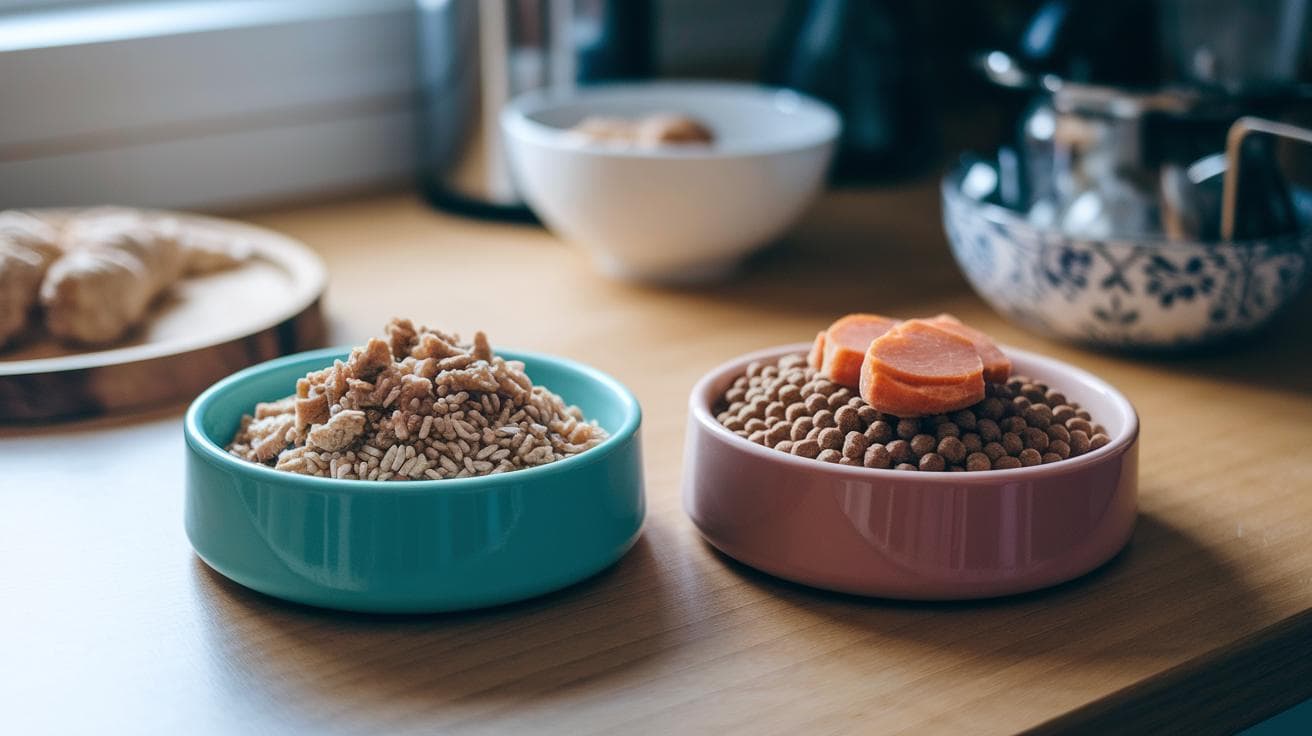
Ready to help your kitty pack on some healthy pounds? These four playful recipes are loaded with protein, healthy fats, and a touch of yum. Your cat’s whiskers will twitch at the aroma, and you’ll love seeing them pounce. Let’s dive in!
Recipe 1: Chicken, Rice & Fish Oil Blend
Ingredients:
- 1 cup boiled chicken (finely chopped)
- ¼ cup cooked white rice (gentle on tummies)
- ¼ cup low-sodium chicken broth (adds moisture)
- ½ teaspoon fish oil (rich in omega-3 for a glossy coat)
Preparation:
Boil the chicken until there’s no pink left. Chop or shred into bite-size pieces. Mix chicken, rice, and warm broth in a bowl. That steamy scent will make your cat’s whiskers twitch! Stir in fish oil right before serving.
Supplements:
- 500 mg taurine powder (an amino acid for heart health)
Serving Size:
Offer about ¼ cup per meal, six times a day. Room temperature wins extra purrs.
Recipe 2: Tuna & Sweet Potato Pâté
Ingredients:
- ½ cup canned tuna in water (drained)
- ¼ cup mashed sweet potato (smooth)
- ¼ teaspoon fish oil (omega-3 boost)
Preparation:
Blend tuna and sweet potato until it’s chunky-smooth. Soft and creamy, perfect for gentle nibbles. Fold in fish oil with a gentle stir.
Supplements:
- 200 mg vitamin B-complex powder (for energy metabolism)
Serving Size:
Scoop out 2–3 tablespoons per meal, four times a day. Soft texture = happy little nuzzles.
Recipe 3: Salmon & Egg Protein Mix
Ingredients:
- 1 salmon fillet (4 oz), baked at 350°F for about 15 minutes
- 2 boiled eggs (whites chopped, yolks flaked)
Preparation:
Flake the salmon into tiny bites. Chop egg whites into pea-size bits and sprinkle yolks on top. Fold gently so it stays light and fluffy, um, think cloud-like.
Supplements:
- ¼ teaspoon vitamin E powder (antioxidant support)
Serving Size:
Serve roughly 3 tablespoons per meal, five times a day. Your cat will leap for this mix. Really.
Recipe 4: Raw Poultry & Supplement Fusion
Ingredients:
- 3 lbs poultry mix (rabbit and chicken meat)
- 1 cup water
- 2 eggs (raw yolks, cooked whites)
- 10,000 mg fish oil capsules (opened)
- 2,000 mg taurine powder
- 200 IU vitamin E
Preparation:
Grind the meat and cooked whites in a heavy-duty grinder. Add raw yolks and mix until the color is even. Dissolve the fish oil, taurine, and vitamin E in water, then stir into the meat blend. Keep it chilled so it stays fresh.
Serving Size:
Portion about ⅓ cup per meal, four to six meals a day. Worth every paw-print.
Portion Sizes and Feeding Schedule for Homemade Cat Food to Gain Weight
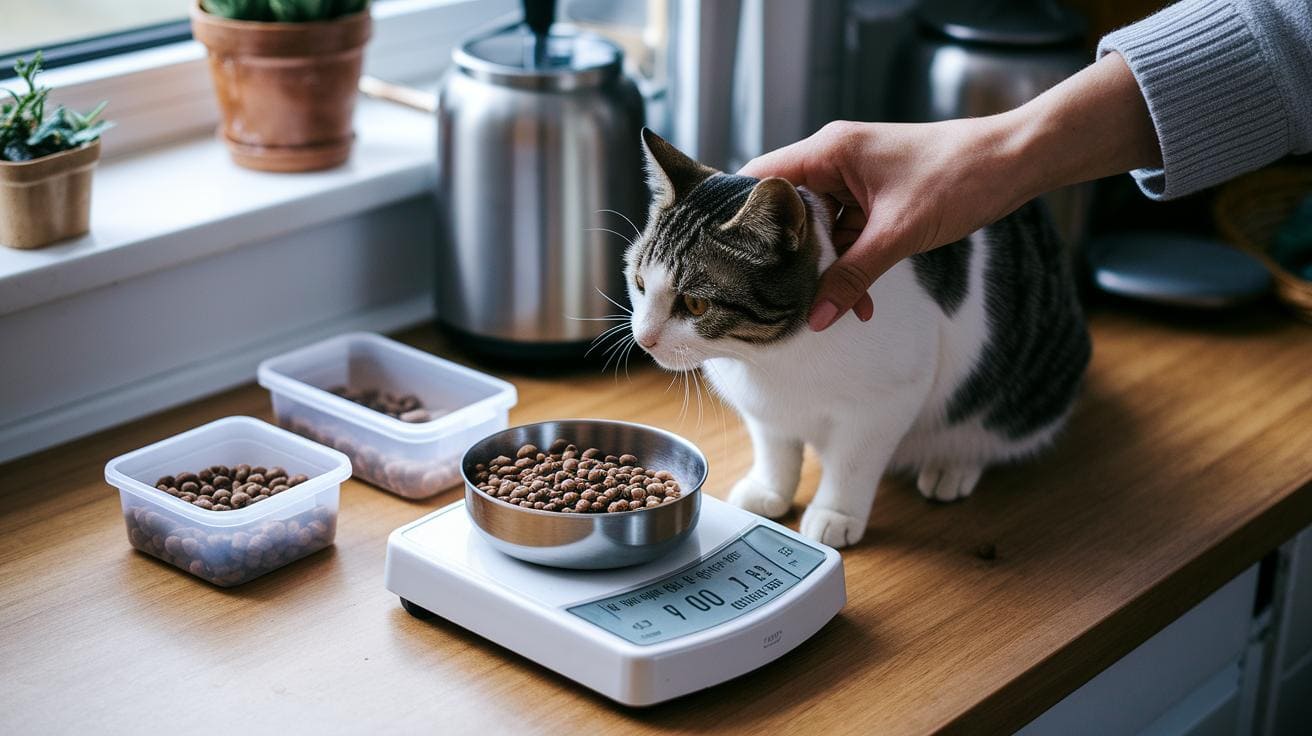
Did you know an adult cat needs about 200 calories a day? That’s almost 6 ounces of homemade food. Weigh each portion on a digital scale (the small kitchen kind) or scoop it into a standard 5.5 ounce container. Label every dish with its weight and date, no guessing required. Pick one scale and stick with it, then jot down the numbers in a simple log. If you skip measuring, you might miss protein (the muscle builder) or fat (your kitty’s energy fuel) targets, or accidentally overfeed, which can stall healthy weight gain.
Ever watched your kitty’s whiskers twitch at the smell of a warm bowl? Aim for four to six small meals each day to keep that appetite buzzing. Spread meals every three to four hours and serve at room temperature so your cat stays curious. Switch to your new recipe slowly: start with 25 percent new food mixed with 75 percent old, then ramp up the new stuff over seven to ten days. Keep an eye on stool quality and energy levels. Weigh your cat once a week and tweak portions as needed. A simple feeding tracker, just a notebook or plain spreadsheet, makes spotting patterns purr-fectly easy.
Worth every paw-print.
Preparation and Storage Guidelines for Homemade Cat Food to Gain Weight
Ever seen your cat’s whiskers dance? That happens when they taste a creamy blend. To whip it up, grab a heavy-duty meat grinder like the Weston #12. It mashes muscle meat, organs, and bones into a silky puree.
Next, measure supplements: taurine (an amino acid cats need), fish oil, and vitamin E. Mix them in a splash of water until they dissolve. Then stir that into your meat puree. This step locks in safety and spreads every nutrient evenly.
Scoop the food into single-serve portions and label each pack with the recipe name and date, no guessing later. Fresh meals live in airtight containers (think Tupperware) for up to three days. Planning ahead? Slide extra trays or sealed boxes into the freezer. They’ll keep for about three months. To thaw, move a pack to the fridge overnight. No microwaves, really, just don’t do it.
Safety first. Scrub grinder parts, cutting boards, bowls, and counters with hot, soapy water after each prep session. Wash your hands before and after handling raw meat. Yep, that’s a must. These simple steps stop bad germs and keep your kitchen, and kitty, feeling fine.
Monitoring Cat Weight Gain and Vet Advice for Homemade Diets
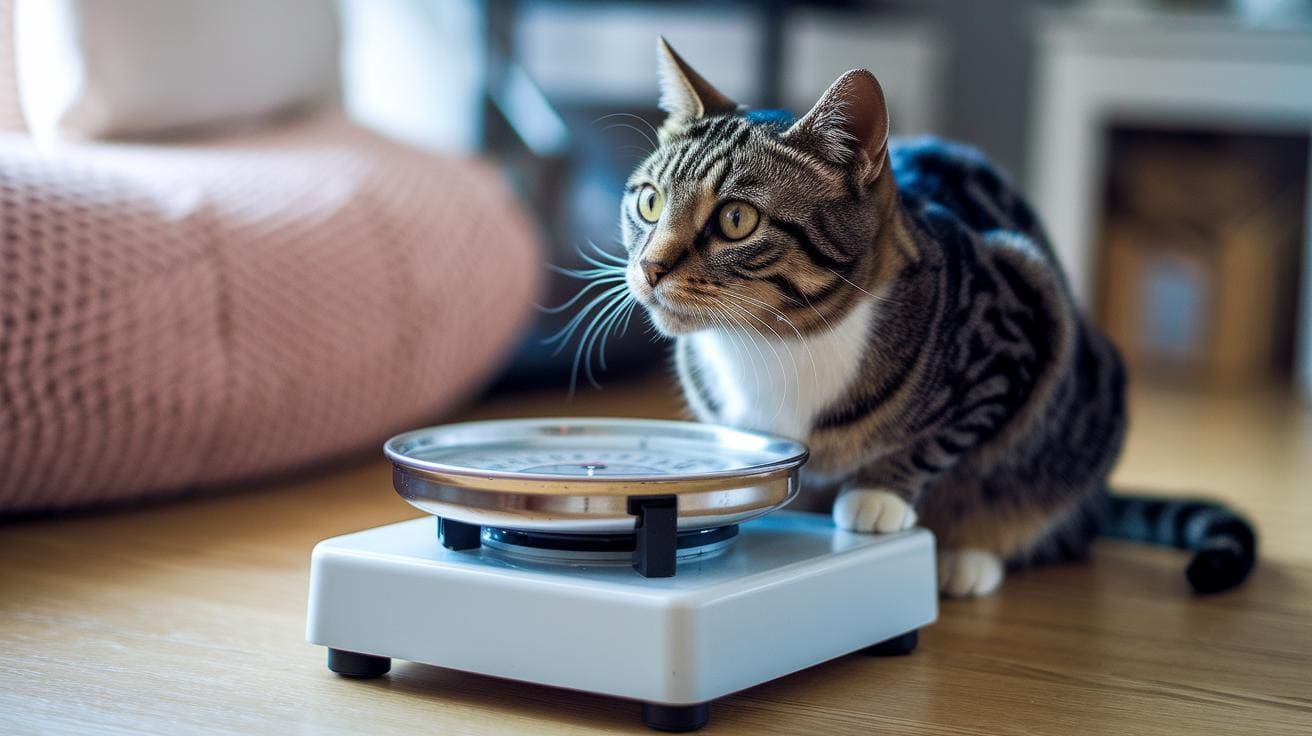
Keep doing weekly weigh-ins. Do stool checks (just a peek at your cat’s litter to catch clues) and note their energy level – are they zooming around or snoozing all day? Sometimes tiny worms (parasites that steal nutrients), an overactive thyroid (hyperthyroidism that speeds up their engine), or a painful tooth (dental disease that makes chewing ouch) can stall progress. And most of these hide until you run bloodwork (a lab test checking organ function and cell counts).
Parasites sap energy so your kitty may move in slow motion. Hyperthyroidism feels like your cat is on a hamster wheel – always hungry but still not gaining. A sore tooth can turn dinner into a no-go zone. Seriously.
So plan a vet check every 4 to 6 weeks while you swap diets. Before each visit, jot down appetite changes (eating more or suddenly less), behavior notes (new hiding spots or extra meows), coat condition (dull spots or matted fur) and litter-box output (constipation, diarrhea or extra trips). Share those details with your vet so any hidden snags get caught early and healthy weight gain stays on track.
Worth every paw-print.