Isn't it tempting to give your cat a taste of everything you enjoy? Before sharing beef liver with your furry friend, let's consider if it's truly safe. While beef liver is loaded with nutrients that can boost your cat's well-being, too much of it can spell trouble.
It's a fine line between health boost and health risk. In this blog, I'll guide you through what makes beef liver a potential treat and the right way to include it in your cat's diet. This ensures your pet can enjoy the benefits without any worries.
Can Cats Safely Eat Beef Liver?
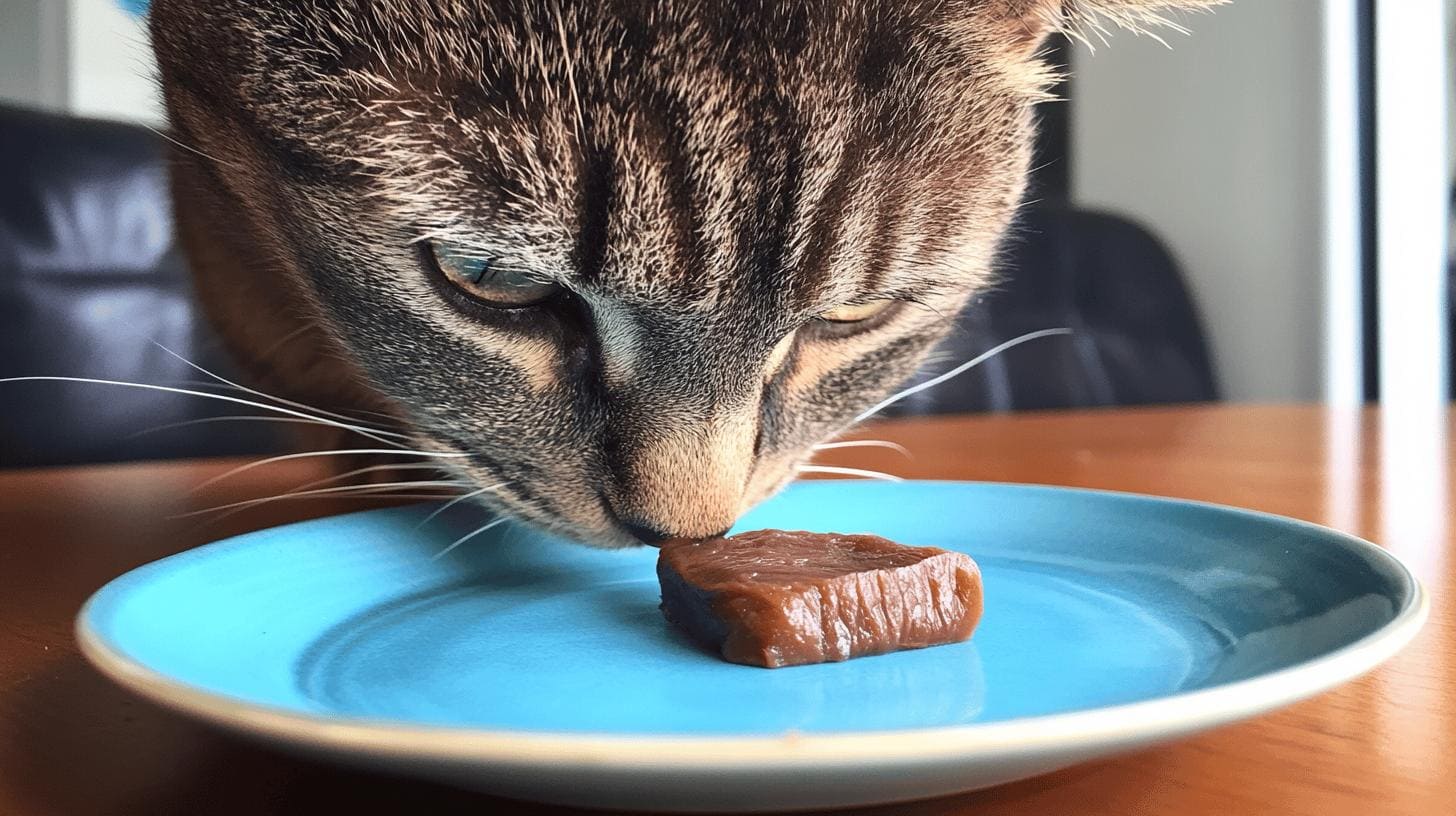
Cats can indeed eat beef liver, but it's crucial to do so with caution. Beef liver is packed with beneficial nutrients like vitamins A and B, iron, and copper, which can support a cat's health.
However, feeding too much can lead to health issues. To keep things safe, the liver should only make up about 5%–7% of their regular meals. This helps prevent nutrient overdose and keeps their diet balanced.
-
Vitamin A Toxicity: Too much vitamin A can cause serious health issues like lethargy and bone malformations.
-
Nutrient Overdose: Overconsumption of liver can lead to excess levels of certain nutrients, impacting overall health.
-
Weight Gain: Liver is rich and fatty, so excessive feeding can contribute to obesity.
-
Digestive Upset: Sudden introduction or overfeeding might cause vomiting or diarrhea.
-
Bone Health Risks: Long-term excessive intake may affect bone development and strength.
In summary, beef liver is safe for cats when fed in moderation. Prioritize safety by sticking to recommended portion sizes and ensuring it remains an occasional treat rather than a dietary staple.
Nutritional Benefits and Risks of Beef Liver for Cats
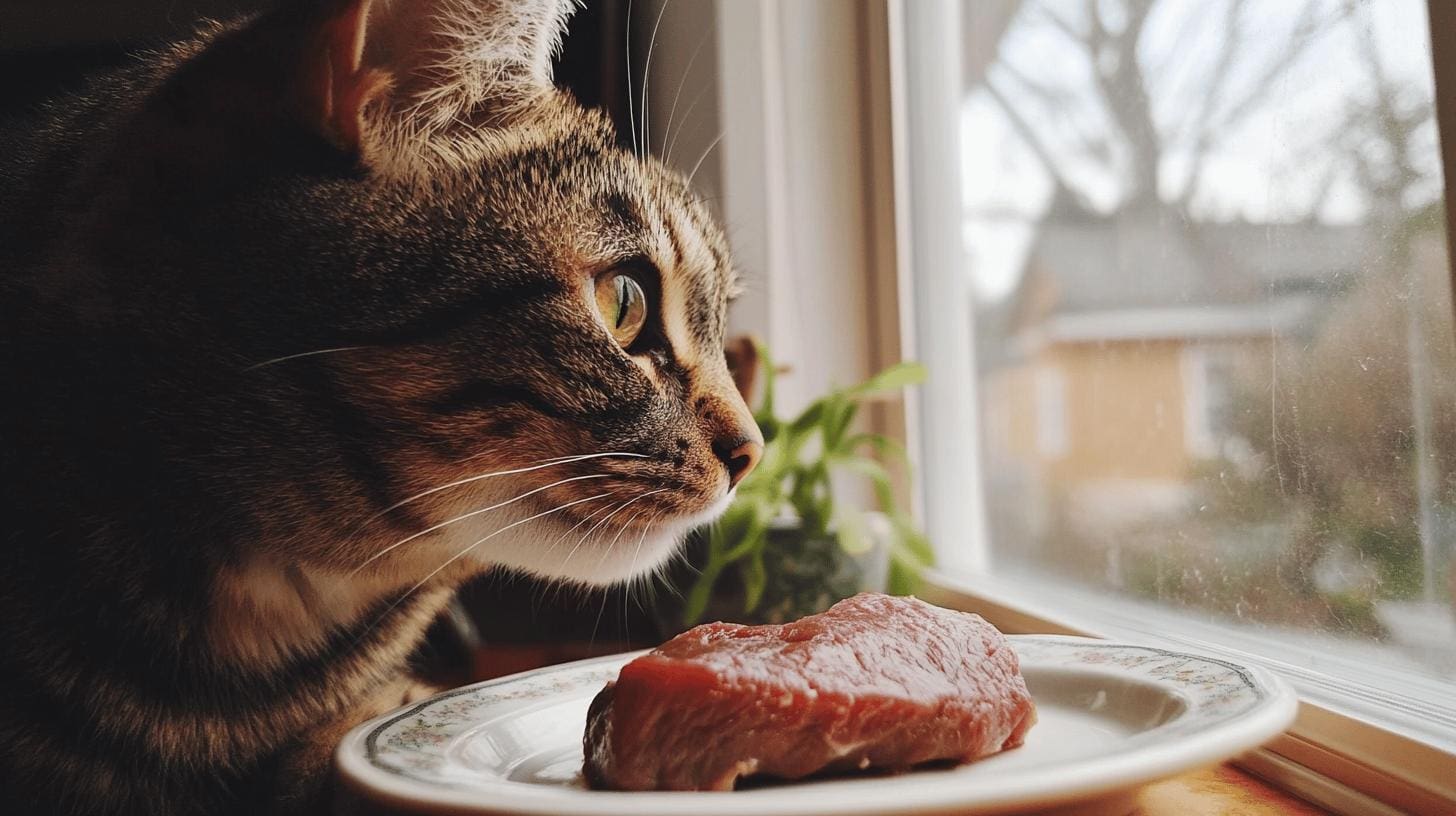
Feeding beef liver to cats offers nutritional perks, mainly due to its rich nutrient profile. It provides essential vitamins and minerals like omega-3 fatty acids and taurine, which haven't been emphasized previously.
-
Omega-3 Fatty Acids: Promote a shiny coat and healthy skin.
-
Taurine: Supports heart health, crucial for overall vitality.
The main risk with beef liver is vitamin A toxicity, which is covered well in the article already. To recap briefly, overconsumption can lead to symptoms like lethargy, weight loss, and skin issues.
Moderation is key. Small, infrequent servings help your cat gain benefits without the risks.
How to Prepare Beef Liver for Cats
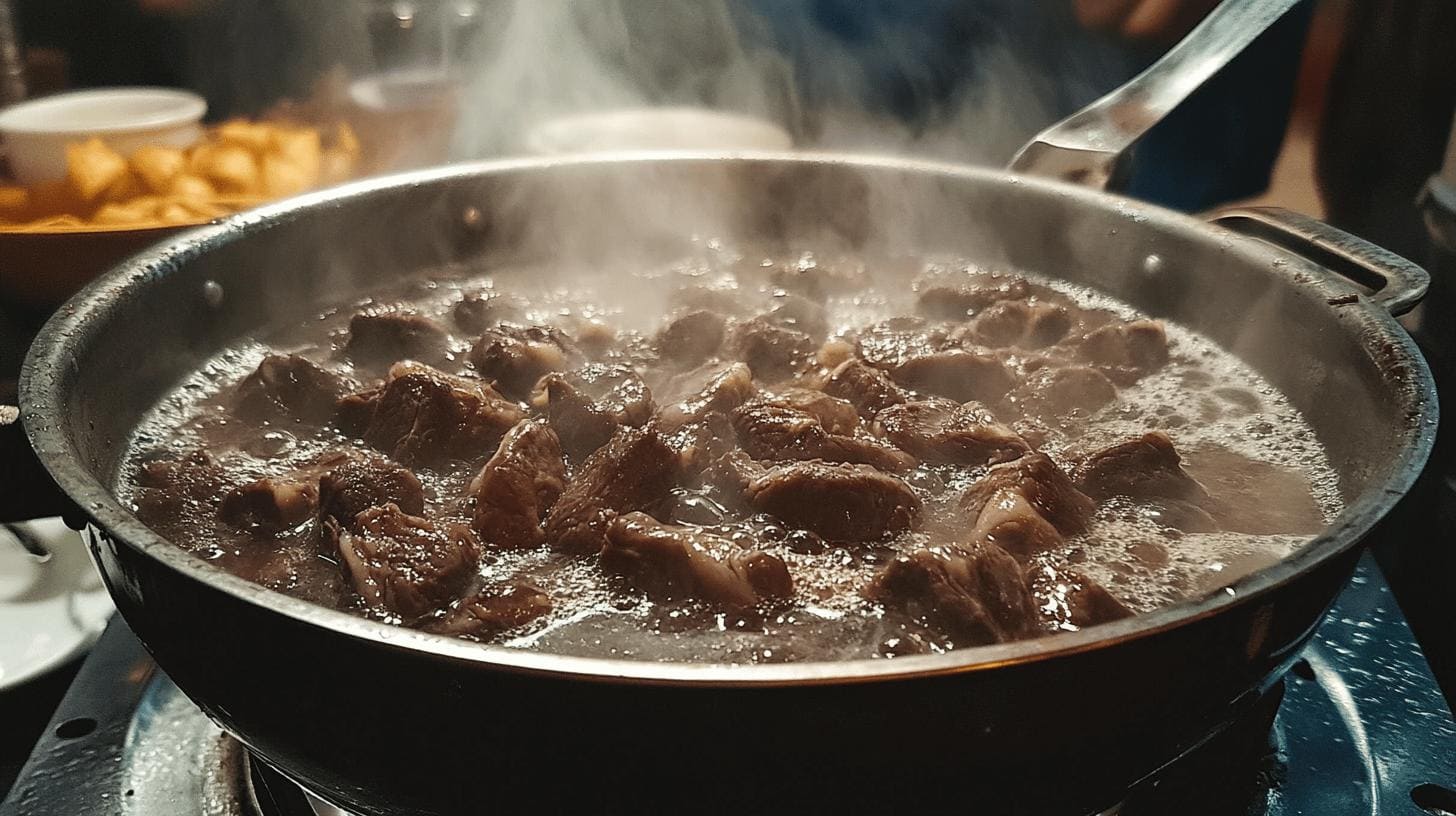
When preparing beef liver for your feline friend, proper preparation is key to minimizing health risks. Cooking the liver not only makes it more digestible for cats but also reduces the risk of contamination from harmful parasites or bacteria. Boiling is a simple and effective cooking method that keeps the liver safe for your pet.
-
Remove Fat: Trim off excess fat from the liver to prevent unnecessary calorie intake.
-
Boil the Liver: Cook the liver in boiling water without any seasoning or additives.
-
Cut into Small Pieces: Once cooked, chop the liver into small, manageable pieces for easier consumption.
-
Grind if Necessary: For cats with difficulty chewing, consider grinding the liver.
-
Cool Before Serving: Ensure the liver is at room temperature before serving to avoid burns.
Cooking beef liver is generally preferred over serving it raw, as it significantly decreases the risk of foodborne illnesses. Raw meat can carry pathogens like Salmonella, which pose a risk to both cats and humans. By cooking the liver, you ensure a safer and more nutritious treat for your cat.