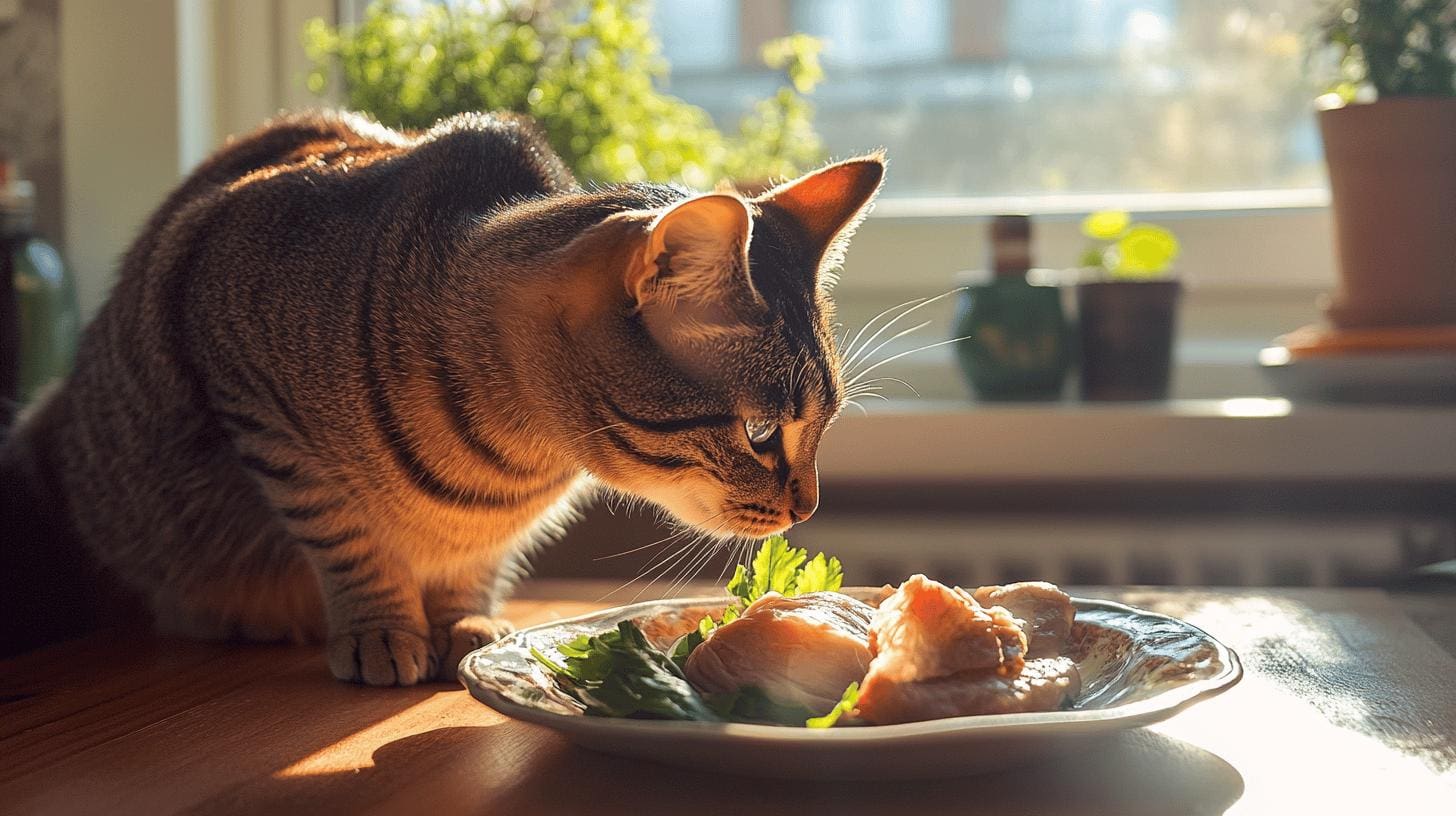
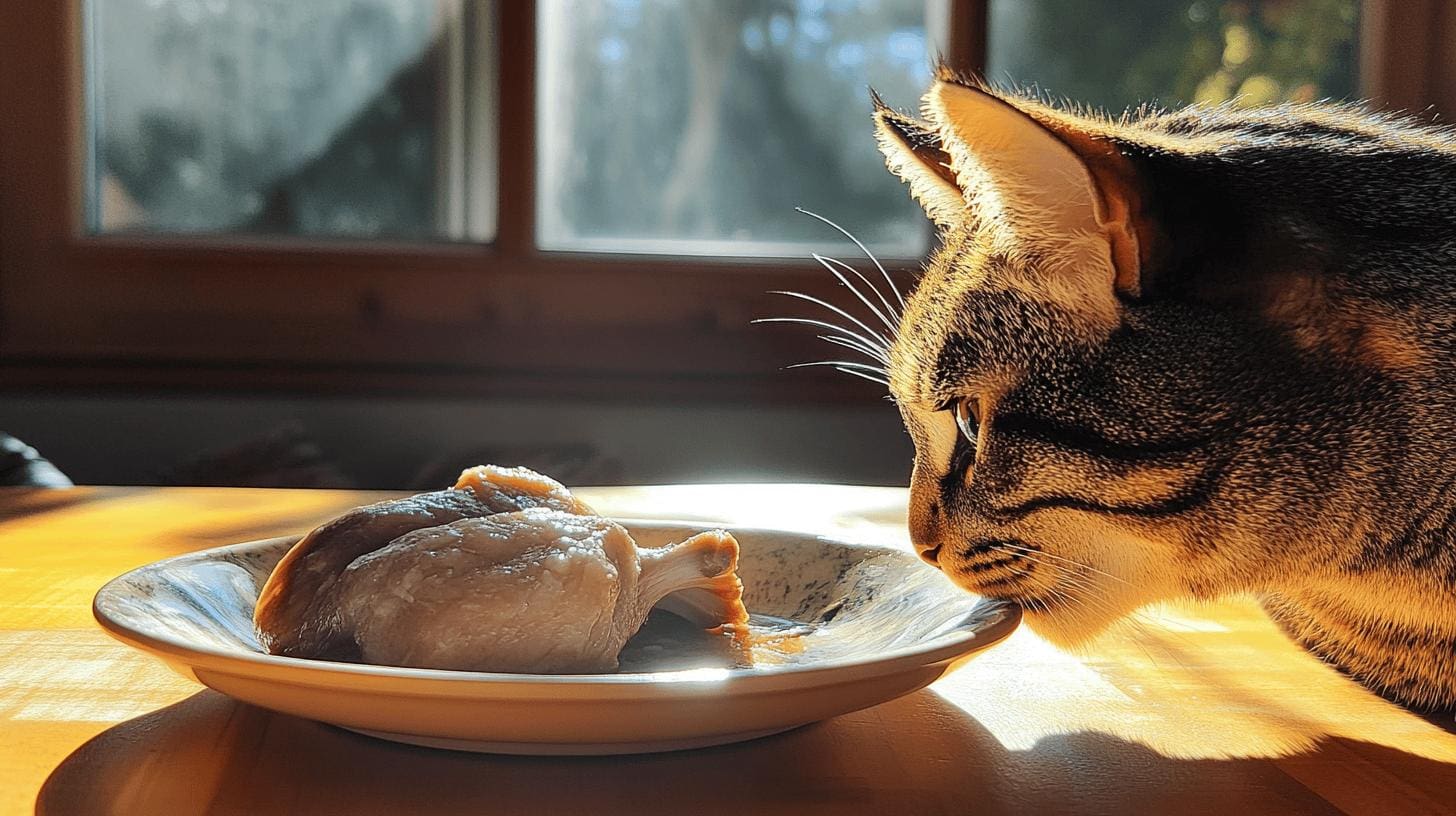
Can cats enjoy a duck meal without any worries? Well, as obligate carnivores, cats thrive on a diet rich in meat, and duck can be a tasty and nutritious option. Packed with vital nutrients like vitamins B6 and B12, duck meat supports a cat's energy levels and overall health.
But just like any new food, serving duck to your cat requires some caution. In this post, I'll explore the nutritional benefits of duck and what you must know to keep your feline friend safe while they savor this delightful dish.
Can Cats Eat Duck Safely?
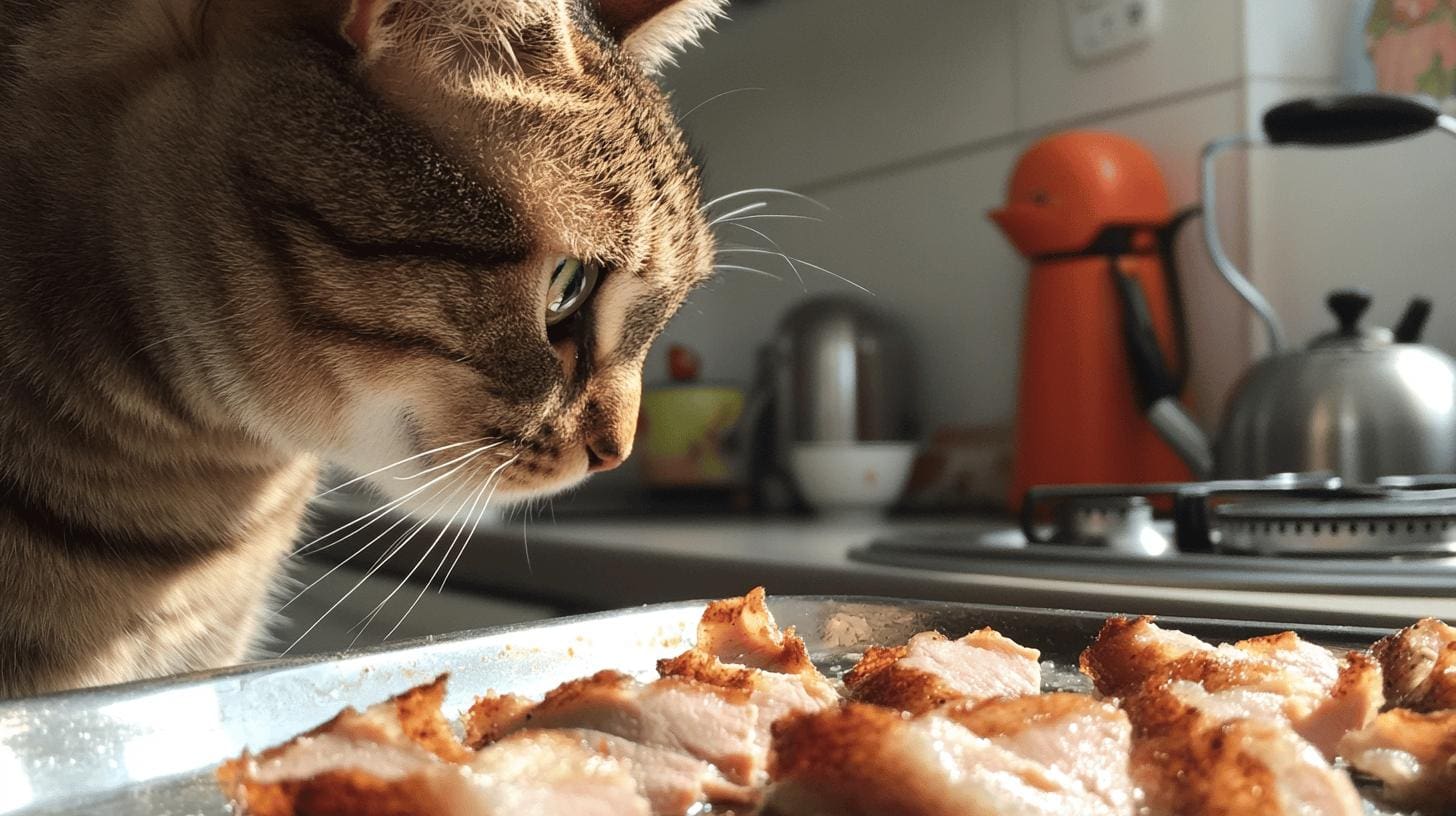
Cats are obligate carnivores, which means their diet needs to be primarily meat-based to meet their nutritional requirements. Duck meat is a suitable protein source for cats as it provides essential amino acids and vital nutrients like vitamins B6 and B12.
These nutrients are crucial for maintaining energy levels and supporting overall health. So, yes, cats can eat duck, and it is indeed good for them when included as part of a balanced diet.
However, feeding duck to your cat involves some important considerations. Duck should always be cooked thoroughly, as raw meat can contain harmful bacteria. It is crucial to avoid spices and seasonings, especially ingredients like garlic and onions, which are toxic to cats.
Feeding duck in moderation is also key to preventing dietary imbalances. As with any protein source, it should complement the rest of their diet to ensure they receive a full spectrum of nutrients. By preparing duck properly and serving it in controlled portions, you can safely include it in your cat's meal plan.
Nutritional Value of Duck for Cats
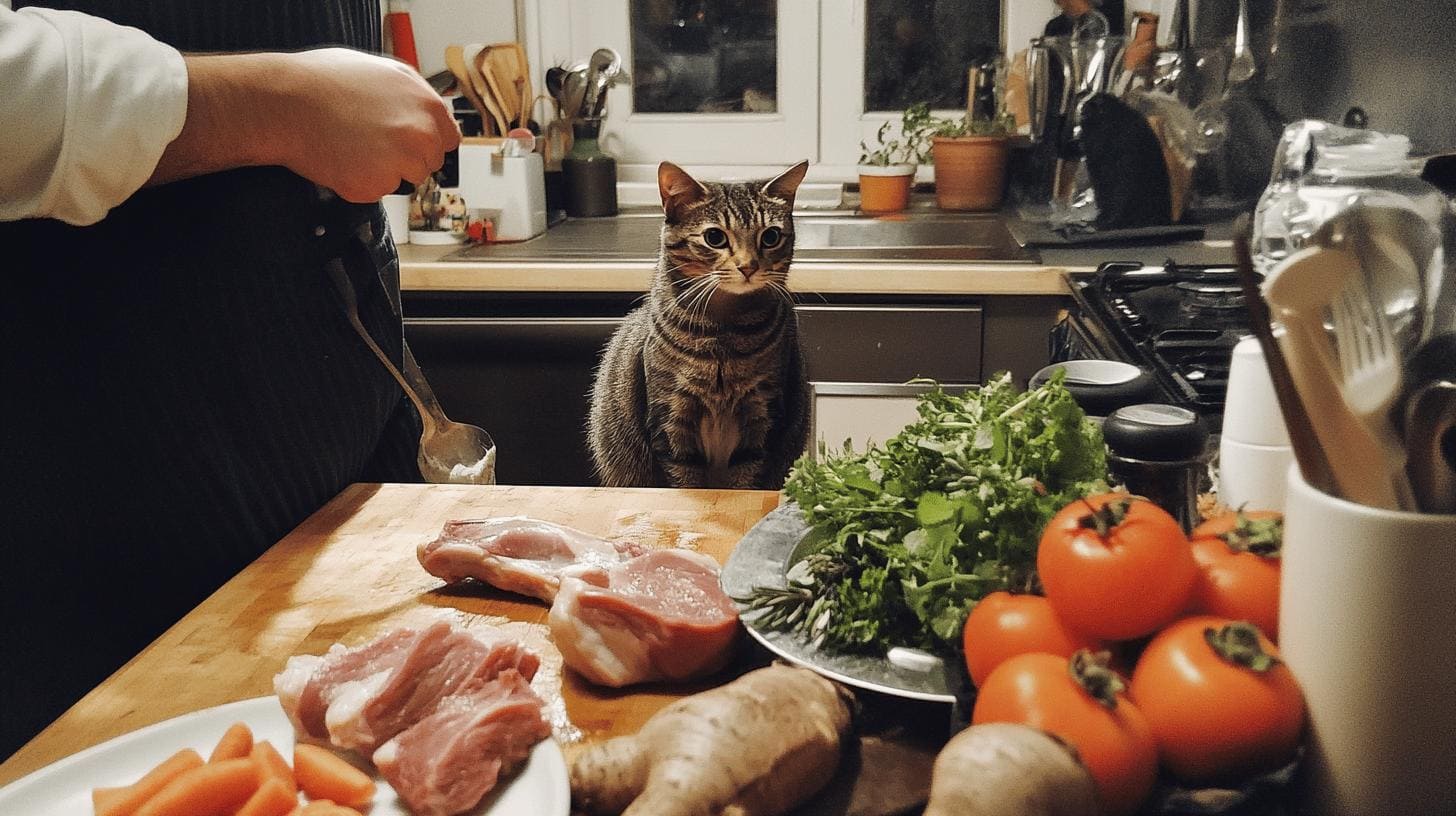
Duck meat is a powerhouse of nutrients that can greatly benefit your feline friend. It offers a rich source of high-quality protein, which is essential for building and maintaining muscle mass in cats. Furthermore, duck is packed with iron and zinc, both vital for supporting a healthy immune system and maintaining blood health.
The B vitamins present in duck, particularly B6 and B12, play a crucial role in energy metabolism, ensuring your cat stays active and lively. The fatty acids found in duck help maintain a shiny coat and healthy skin, making it a valuable addition to a cat's diet.
| Nutrient | Role in Cat Health |
|---|---|
| Protein | Supports muscle health |
| Iron | Maintains healthy blood |
| Zinc | Boosts immune function |
| Vitamin B6 and B12 | Enhances energy metabolism |
| Fatty Acids | Promotes healthy skin and coat |
Duck is often regarded as a novel protein, which can be particularly beneficial for cats with food allergies or sensitivities to more common proteins like chicken or beef. This unique protein source can help manage food allergies by reducing the likelihood of triggering an allergic response.
For cats that have shown signs of food sensitivities, introducing duck into their diet could provide them with a nutritious alternative, ensuring they still receive the benefits of essential amino acids without the risk of allergic reactions.
Potential Risks and Preparation of Feeding Duck to Cats
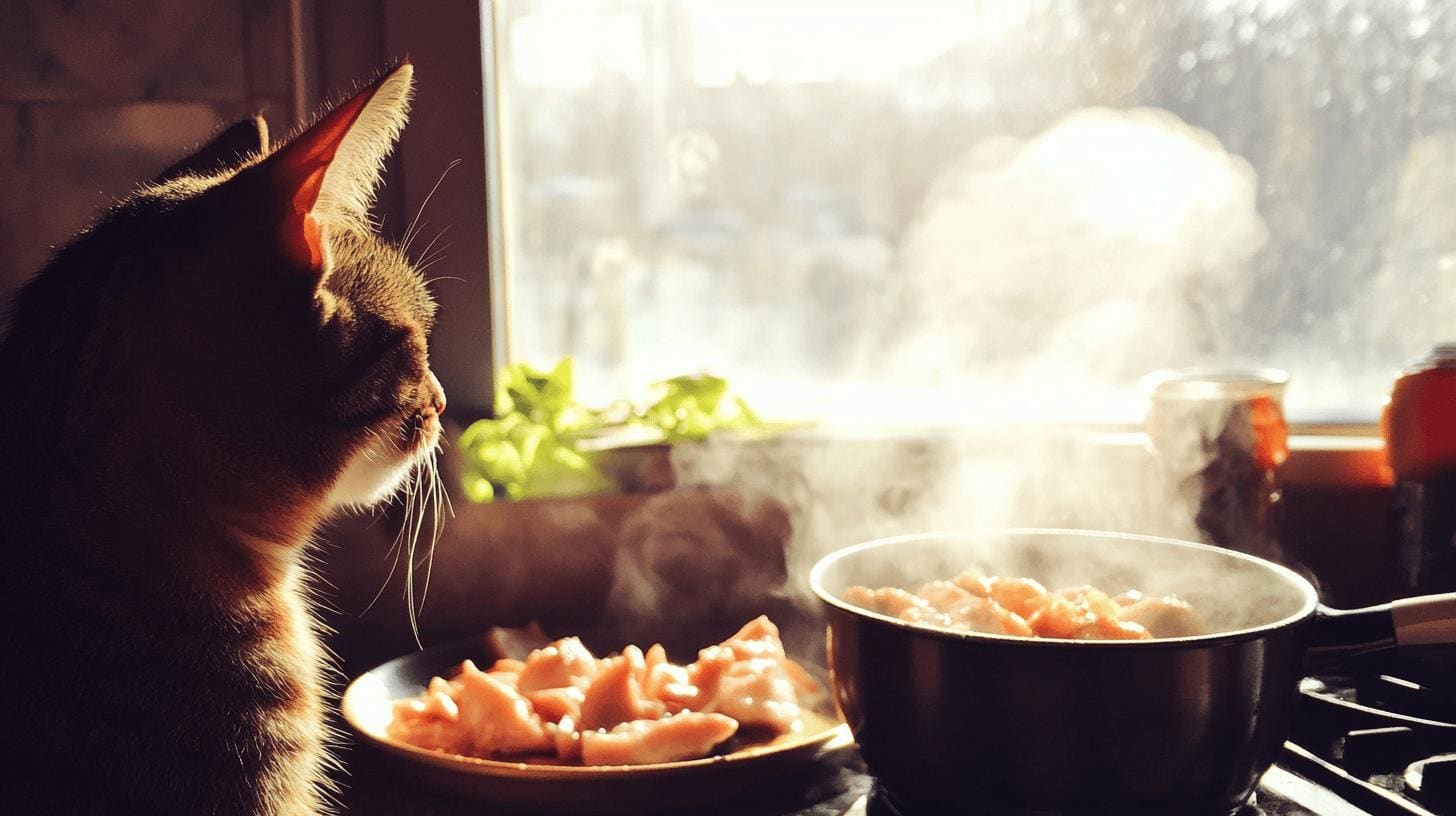
Feeding duck to your cat can be safe if prepared correctly. Focus on cooking techniques that avoid health risks. Duck must be cooked thoroughly to eliminate harmful bacteria like salmonella. This bacteria can pose serious health issues for cats. It's also crucial to serve duck plain, without seasonings or toxic ingredients like onions and garlic. Plain preparation is vital for making duck a safe option in your cat's diet.
Here's a rundown of potential risks when feeding duck to cats:
- Choking Hazards: Avoid cooked bones, as they can splinter and cause choking or internal injuries.
- Bacterial Contamination: Raw duck can harbor harmful bacteria; always cook it thoroughly.
- Excessive Fat Intake: Duck is high in fat, which can lead to obesity if not fed in moderation.
- Toxic Ingredients: Do not season duck with onions, garlic, or other toxic substances.
When preparing duck for your cat, focus on safe cooking practices. Cook the duck plain, without spices or sauces. After cooking, cut the duck into small, manageable pieces to make it safer for your cat to eat. Portion control is key. Duck should complement a balanced diet, not dominate it. This approach allows your cat to enjoy duck's benefits without unnecessary risks.
Monitoring portion sizes is crucial to avoid weight gain. Duck's high-fat content can lead to obesity if overfed. Make duck an occasional treat, not a regular part of the diet. By watching how much duck you serve, you help maintain your cat's healthy weight and overall well-being.