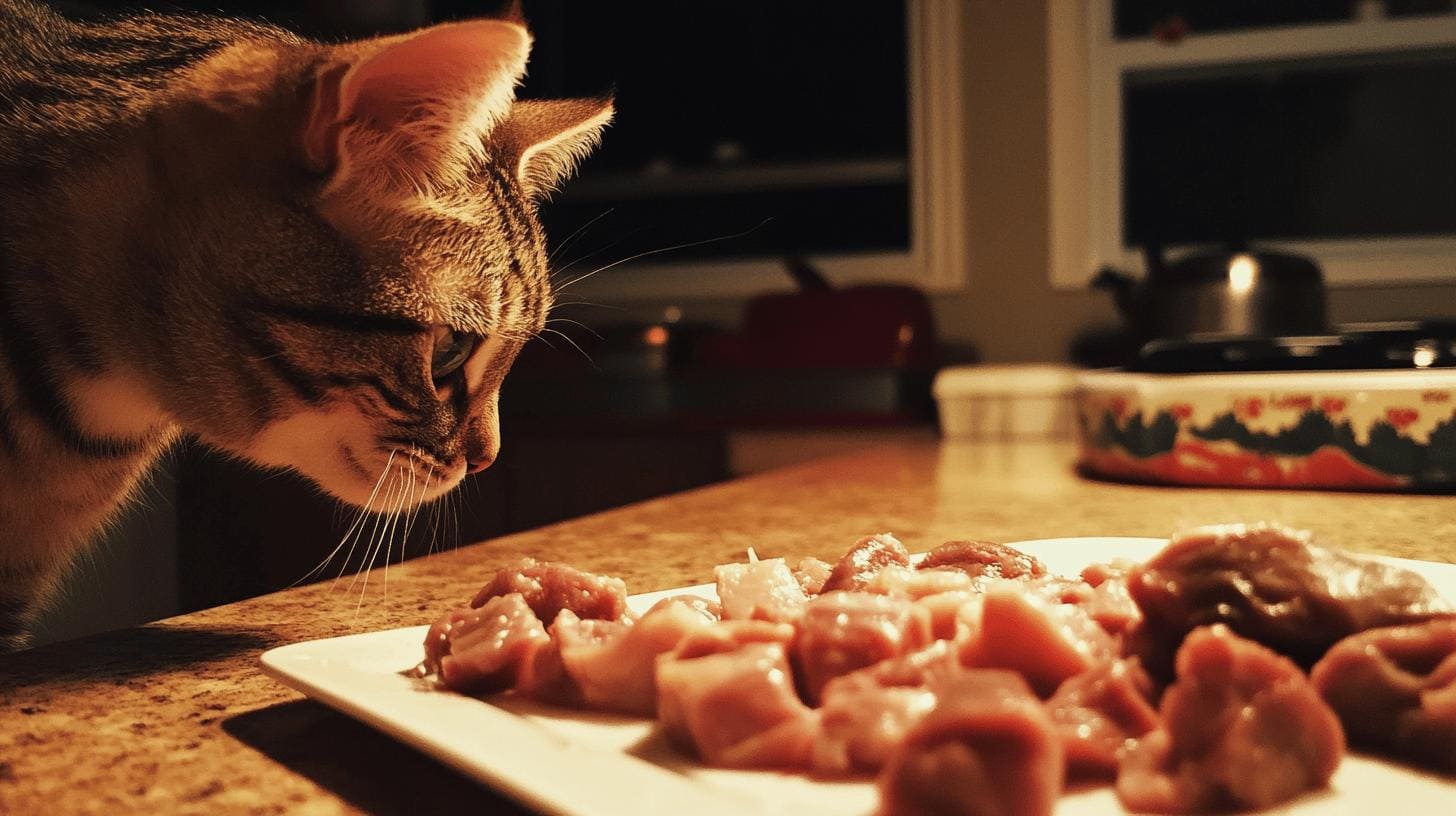
Is feeding lamb to your cat a delicious treat or a potential hazard? Many cat owners wonder about adding lamb to their pet's diet, trying to balance variety with safety. In this blog post, I'll dive into whether cats can enjoy lamb safely and healthily. I'll explore the risks like high saturated fat, possible bacterial infections, and the need for cooking lamb properly. Additionally, I'll highlight the nutritional perks it offers, like protein and essential vitamins. Join me as I unravel the mystery of feeding lamb to your feline friend!
Can Cats Eat Lamb Safely?
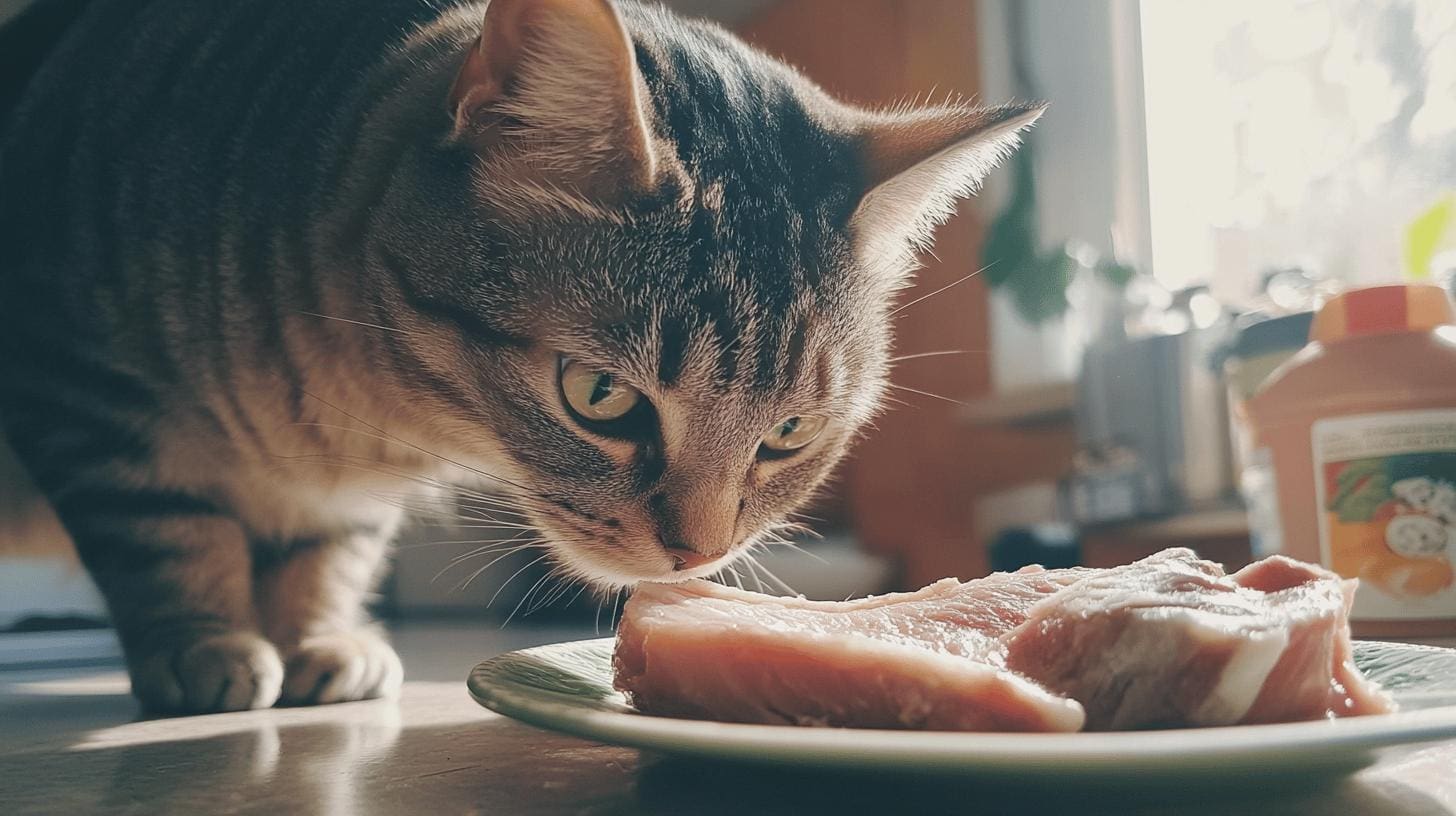
Cats can enjoy lamb as part of their diet, but there are safety considerations to keep in mind. One of the main risks of feeding lamb to cats is its high saturated fat content. This can potentially lead to issues like high cholesterol and heart disease if lamb is consumed in large quantities. Another concern is the risk of bacterial infections, such as salmonella, which can occur if cats eat raw lamb. It's safest to serve lamb cooked to minimize this risk.
For safe serving, it's crucial to prepare lamb properly by ensuring it is both boneless and unseasoned. Bones can splinter and pose a choking hazard or cause internal injuries. Seasonings, particularly onions and garlic, can be toxic to cats. Therefore, when serving lamb, it should be plain and cut into small, manageable pieces. By following these practices, you can reduce health risks and provide a safe treat for your feline friend.
Despite these risks, lamb does offer nutritional benefits. It's a good source of protein, which is vital for cats as obligate carnivores. Protein contributes to their overall health and supports functions such as muscle maintenance and energy production. Lamb also contains essential vitamins and minerals that can enhance a cat's diet when given in moderation.
- Risk of high saturated fats
- Potential bacterial infections
- Importance of serving lamb unseasoned and boneless
- Brief mention of protein content
- Brief mention of essential vitamins and minerals
Nutritional Benefits of Lamb for Cats
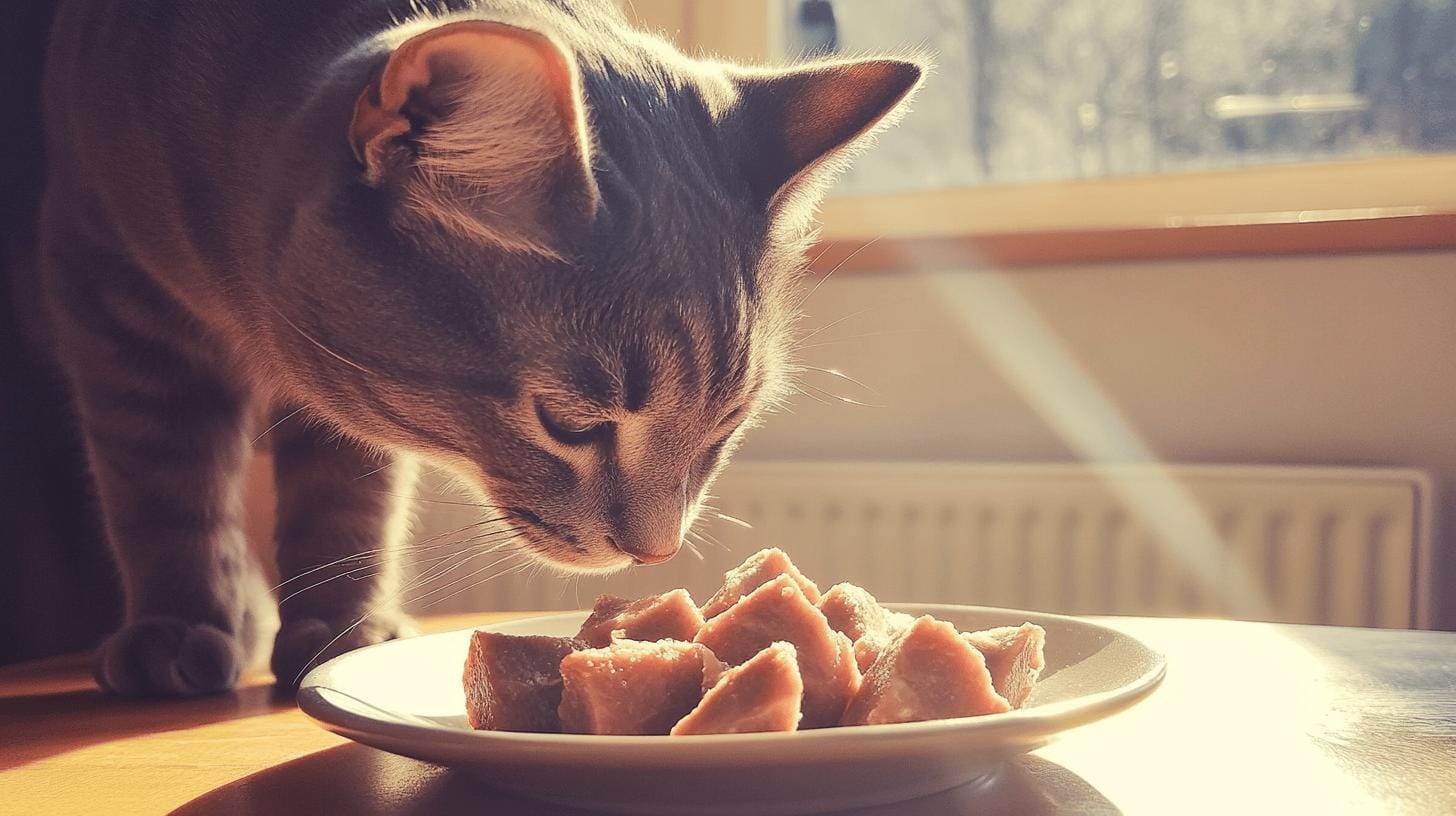
Lamb is a fantastic source of animal protein, essential for a cat's health. Protein supports muscle and tissue building, enzymes, and energy levels. Among the nutrients found in lamb, taurine stands out as crucial for cats, aiding vision, digestion, and heart muscle function. Since cats cannot produce enough taurine on their own, it's important they receive it through their diet.
Besides protein and taurine, lamb provides essential vitamins and minerals vital for a cat's well-being. Vitamin B6 enhances immunity and overall health, niacin aids digestion and skin health, and zinc promotes a strong immune system. These nutrients make lamb an excellent choice for cats needing to gain weight or seeking a varied diet.
| Nutrient | Benefit |
|---|---|
| Taurine | Supports vision, digestion, and heart muscle function |
| Vitamin B6 | Enhances immunity and overall health |
| Niacin | Aids in digestion and skin health |
| Zinc | Promotes a healthy immune system |
How to Introduce Lamb into Your Cat's Diet
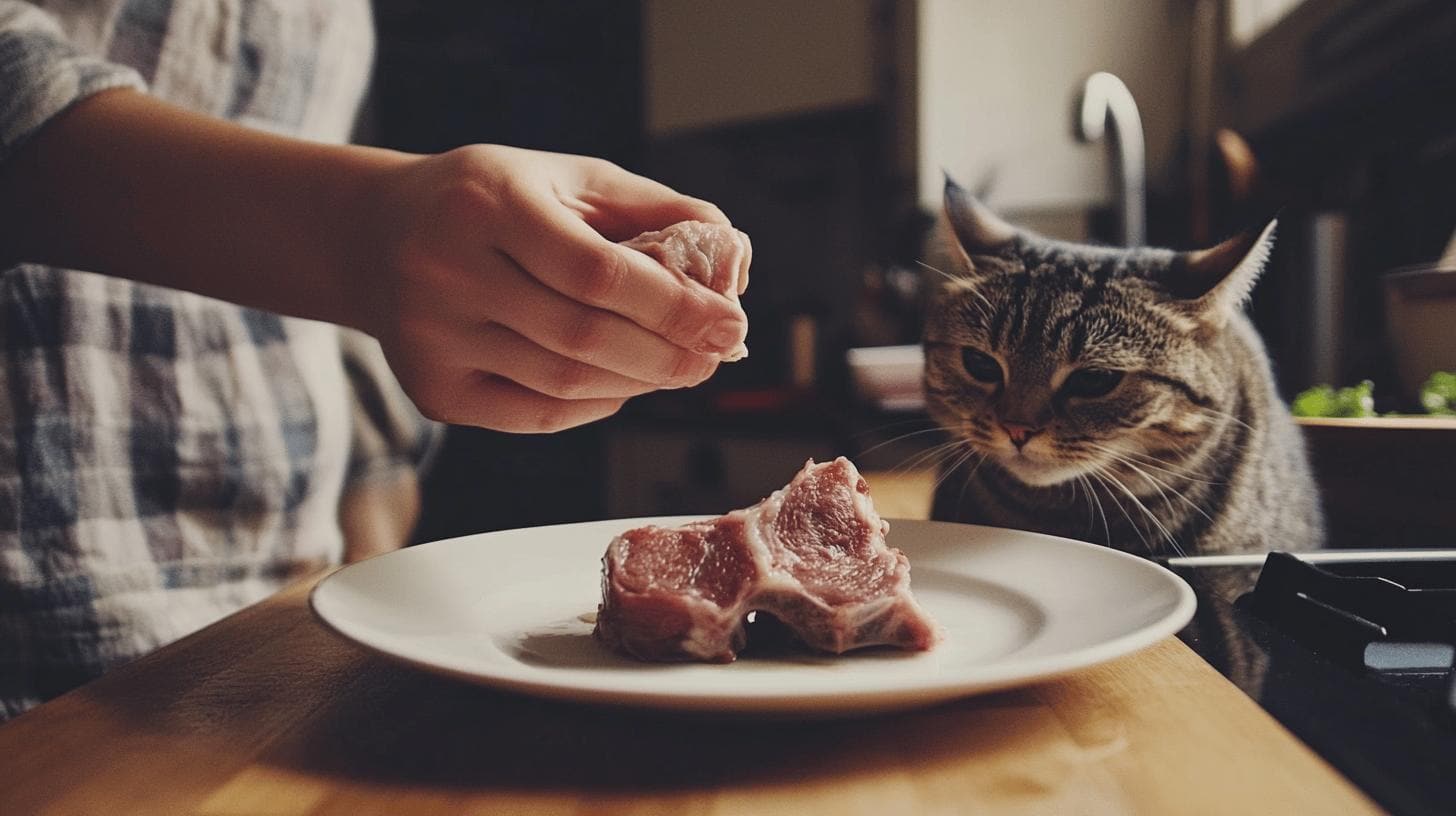
Introducing lamb into your cat's diet can be a delightful way to diversify their meals, but it's important to do it gradually. Start by offering a small piece of cooked lamb to see if your cat enjoys the taste and tolerates it well. Observe your cat for any signs of digestive upset or allergies. If your cat seems to enjoy the lamb and shows no adverse reactions, you can slowly increase the portion size over time.
When considering portion sizes, remember that moderation is key. Cooked lamb should be given as an occasional treat, not a staple of your cat's daily diet. A small piece, about the size of a dice, is usually enough for a treat. This ensures your cat gets the nutritional benefits without overloading on lamb's higher fat content. Keep an eye on your cat’s weight and adjust the portions accordingly if necessary.
Lamb can be a tasty addition to your cat's diet, but it should only be included as a treat once or twice a week. Cats can regularly enjoy lamb-based commercial foods that are complete and balanced. These products are formulated to meet a cat's daily nutritional needs, whereas cooked lamb is a supplement to their main diet.
Preparation Tips for Lamb
To safely prepare lamb for your cat, start by cooking it thoroughly to eliminate any harmful bacteria. It's best to avoid raw lamb due to the risk of bacterial infections. Once cooked, remove any bones from the lamb as they can splinter and pose a choking hazard. Cut the lamb into small, bite-sized pieces to make it easier for your cat to eat. Remember to serve the lamb plain, without any seasoning, as ingredients like garlic or onion can be toxic to cats. By following these steps, you can safely introduce lamb into your cat's diet and give them a tasty new treat.