Can cats munch on beets safely? This question might stir curiosity, especially for those keen on expanding their feline's menu. Just like humans, cats can benefit from the rich nutrients beets offer—such as manganese, vitamin C, and fiber.
Imagine these vibrant veggies as occasional treats that can boost a cat's immune system and aid digestion. But it's crucial to tread carefully, as too much beet can cause health issues like kidney stones and nitrate poisoning. Let's dive deeper into how to balance beets in your furry friend's diet.
Can Cats Safely Eat Beets?
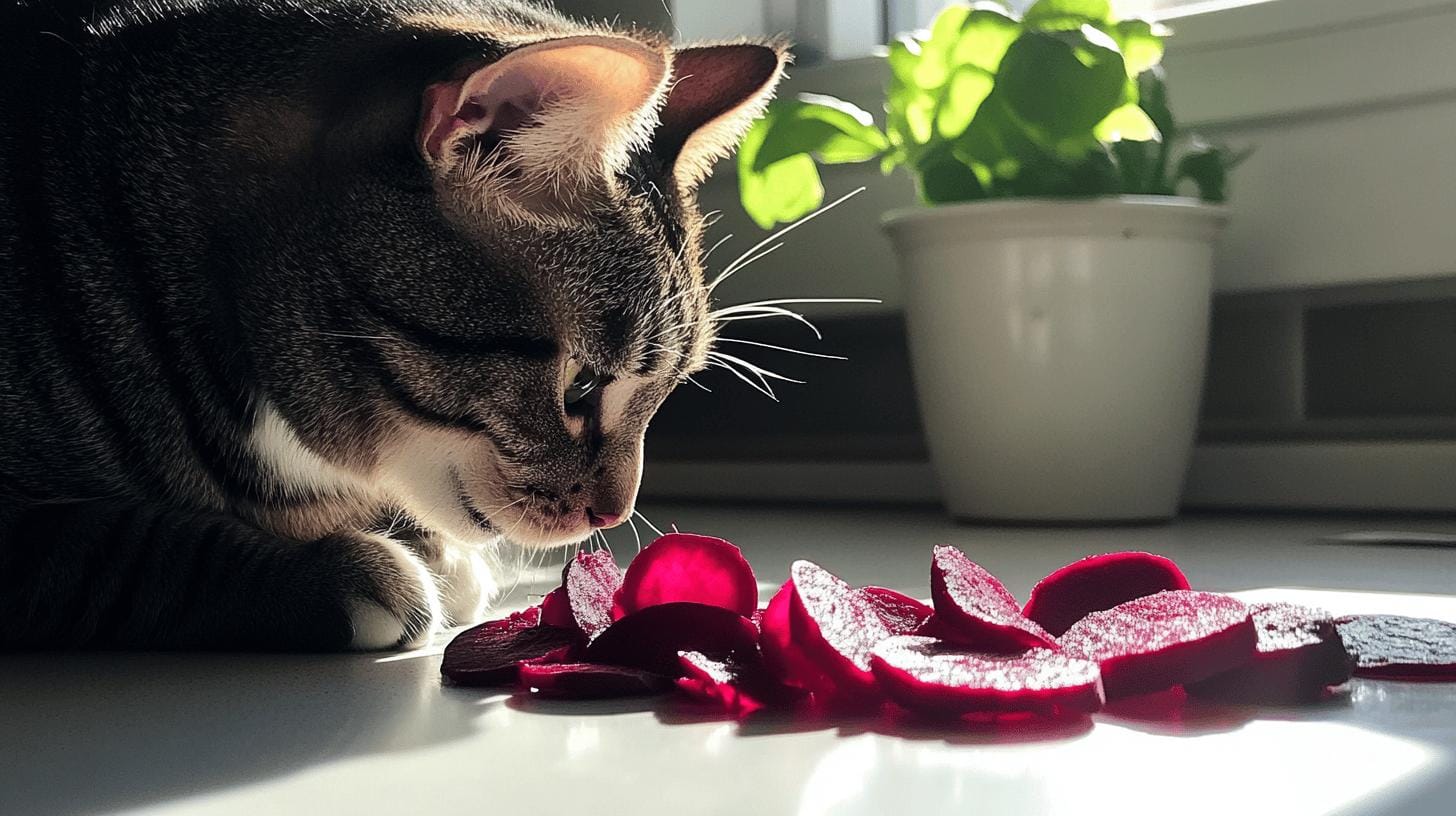
Cats can eat beets, but only in small, occasional amounts. Beets contain beneficial nutrients like manganese, vitamin C, fiber, and antioxidants, which can support your cat's health. These nutrients may aid in boosting immune health, improving digestion, and providing overall wellness. However, beets should not be a regular part of your cat's diet but rather an occasional treat.
Moderation is key when it comes to feeding beets to cats. Consuming too many beets can lead to health issues due to the presence of oxalic acid and nitrates. Oxalic acid can contribute to the formation of kidney stones, while nitrates might lead to nitrate poisoning, which can be harmful.
To avoid these risks, ensure that your cat's beet intake is limited and balanced with their primary meat-based nutrition. Always consider consulting your veterinarian if you plan to introduce beets into your cat's diet.
Nutritional Benefits and Risks of Beets for Cats
Beets are a source of essential nutrients and can offer various health benefits to cats. These include vitamins, minerals, and antioxidants. While they can be advantageous, it's crucial to understand the potential risks as well.
Benefits of Beets for Cats
-
Specific Nutrient Advantages: Beets deliver manganese and vitamin C, which are beneficial for a cat's immune system. These nutrients can enhance a cat's overall vitality.
-
In-Depth Digestive Support: With their fiber content, beets can help in regulating bowel movements and maintaining digestive health. This fiber aids in nutrient absorption and supports the balance of gut bacteria.
-
Detailed Antioxidant Benefits: The antioxidants in beets, including betalains, help in reducing cellular damage and inflammation. This can lower the risk of chronic ailments over time.
Risks of Feeding Beets to Cats
-
Kidney Stone Risk from Oxalates: The oxalic acid in beets can cause kidney stones if cats consume them excessively. It's vital to monitor the quantity to prevent such health problems.
-
Nitrate Poisoning Details: Beets contain nitrates that can convert to nitrites in a cat's body, posing toxic risks. Awareness of this conversion is essential to prevent poisoning.
-
Sugar-Related Health Issues: While not high, the natural sugar in beets can lead to weight gain and diabetes if overfed. Keeping an eye on sugar intake is important for a balanced diet.
Balancing the nutritional benefits of beets with their potential risks is key. They should be treated as occasional treats and not a staple in a cat’s diet. Always prioritize a meat-based diet for your cat, and consult a veterinarian for personalized advice on including beets safely.
How to Introduce Beets into Your Cat's Diet
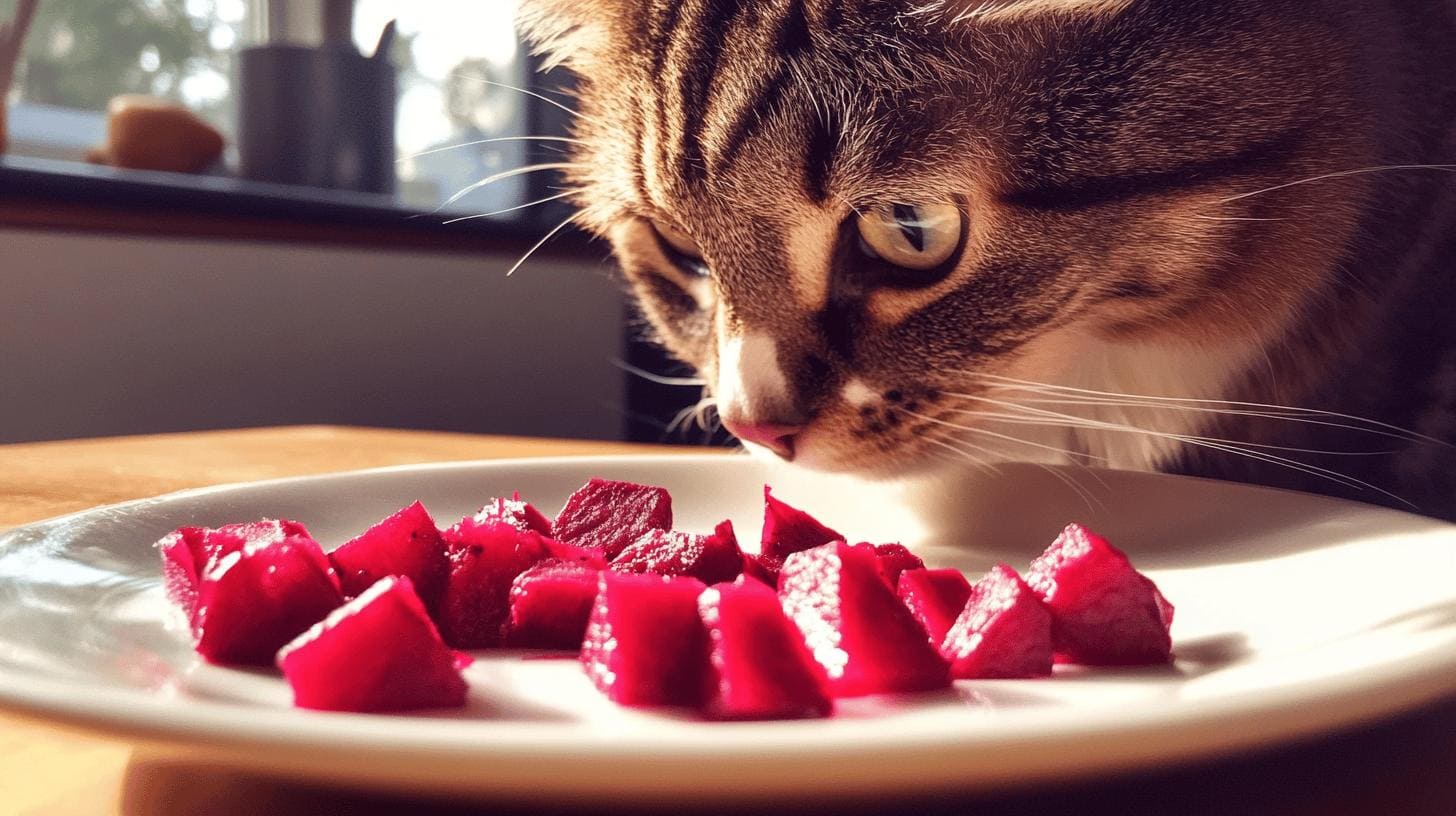
When introducing beets to your cat's diet, it's essential to prepare them in a way that's easy for your cat to digest. Start by cooking the beets thoroughly; steaming is an excellent method because it retains most nutrients and makes the beets soft enough for your cat to eat. Avoid seasoning or adding any ingredients that could be harmful to your cat. Cut the cooked beets into small, manageable pieces that your cat can easily chew and swallow.
Here are some steps to follow when serving beets to your cat:
- Cook the Beets: Steam the beets until they are soft to aid digestion and preserve nutrients.
- Cut into Small Pieces: Slice the beets into bite-sized pieces to prevent choking hazards.
- Serve Plain: Offer the cooked beets without any additives like salt or butter.
- Start Small: Begin with a tiny portion to see how your cat reacts before increasing the amount.
After serving the beets, closely observe your cat's reaction. Keep an eye out for any signs of discomfort or allergies, such as vomiting or diarrhea. It's always a good idea to discuss dietary changes with your veterinarian to ensure they're suitable for your cat's specific health needs. If your cat shows any adverse reactions, adjust the portion or frequency accordingly to keep their diet balanced and healthy.