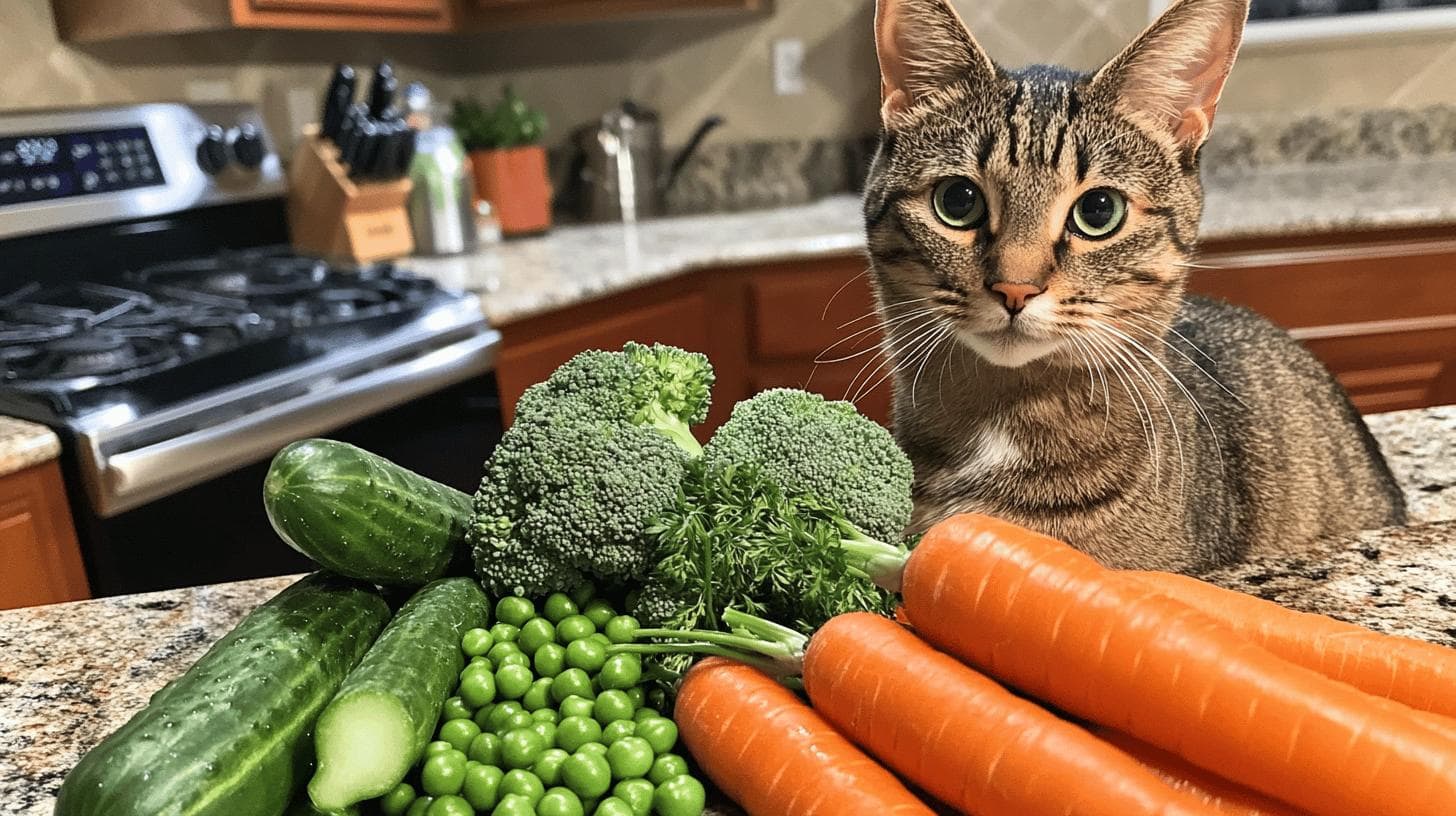
Can cats eat peas safely, or are we putting our furry friends at risk? It’s a question that tickles the curiosity of many cat owners seeking to enrich their pet’s diet with nutritious options. The good news is that peas can be a safe and healthy treat for cats. Packed with vitamins and fiber, peas offer a surprising punch of health benefits. But moderation is key in keeping our cats happy and safe. In this post, we’ll dive into the dos and don’ts of feeding peas to your feline friend, ensuring a delightful and safe snacking experience.
Can Cats Safely Eat Peas?
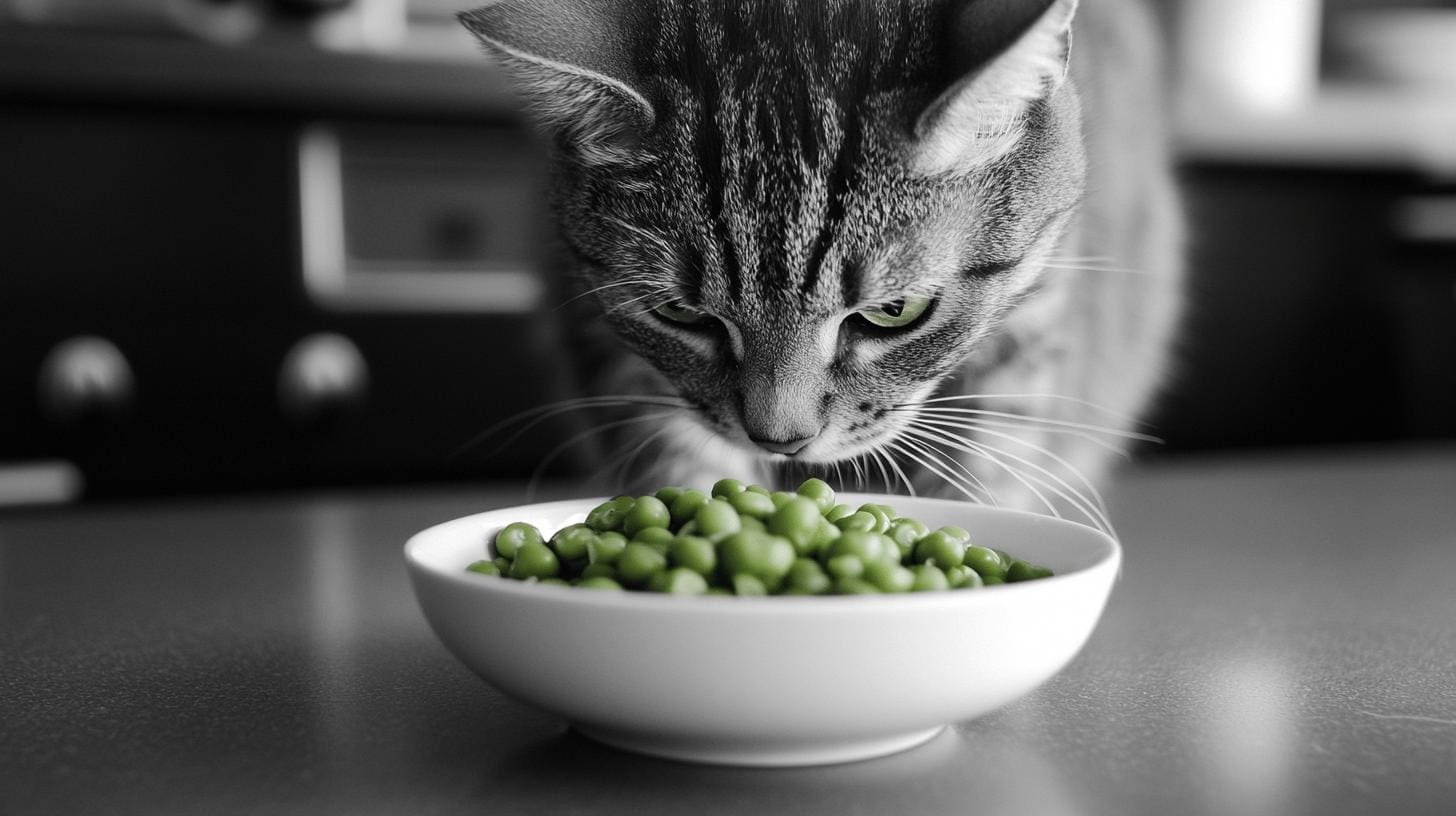
Cats can indeed enjoy peas as a safe and healthy treat. Peas are not only non-toxic but also offer nutritional benefits, providing vitamins and fiber. However, it’s crucial to keep their consumption moderate to prevent any potential gastrointestinal issues.
Safe Types of Peas for Cats
- Garden Peas: Also known as English peas, these can be served fresh or cooked.
- Snap Peas: These are safe and can be a crunchy treat, provided they are not too hard for your cat to chew.
- Snow Peas: These can be offered, but ensure they are adequately prepared to prevent choking.
When serving peas to your furry friend, always make sure they are plain. This means no added salt, butter, or seasonings that could upset their stomach or lead to other health problems. Cooking peas softens them, making them easier for cats to chew and digest, especially for kittens or older cats with dental issues.
Moderation is the golden rule—just a few peas can be a delightful snack without overshadowing their main diet. Always observe your cat after introducing any new food, including peas, to ensure they don’t have any adverse reactions.
Nutritional Benefits of Peas for Cats
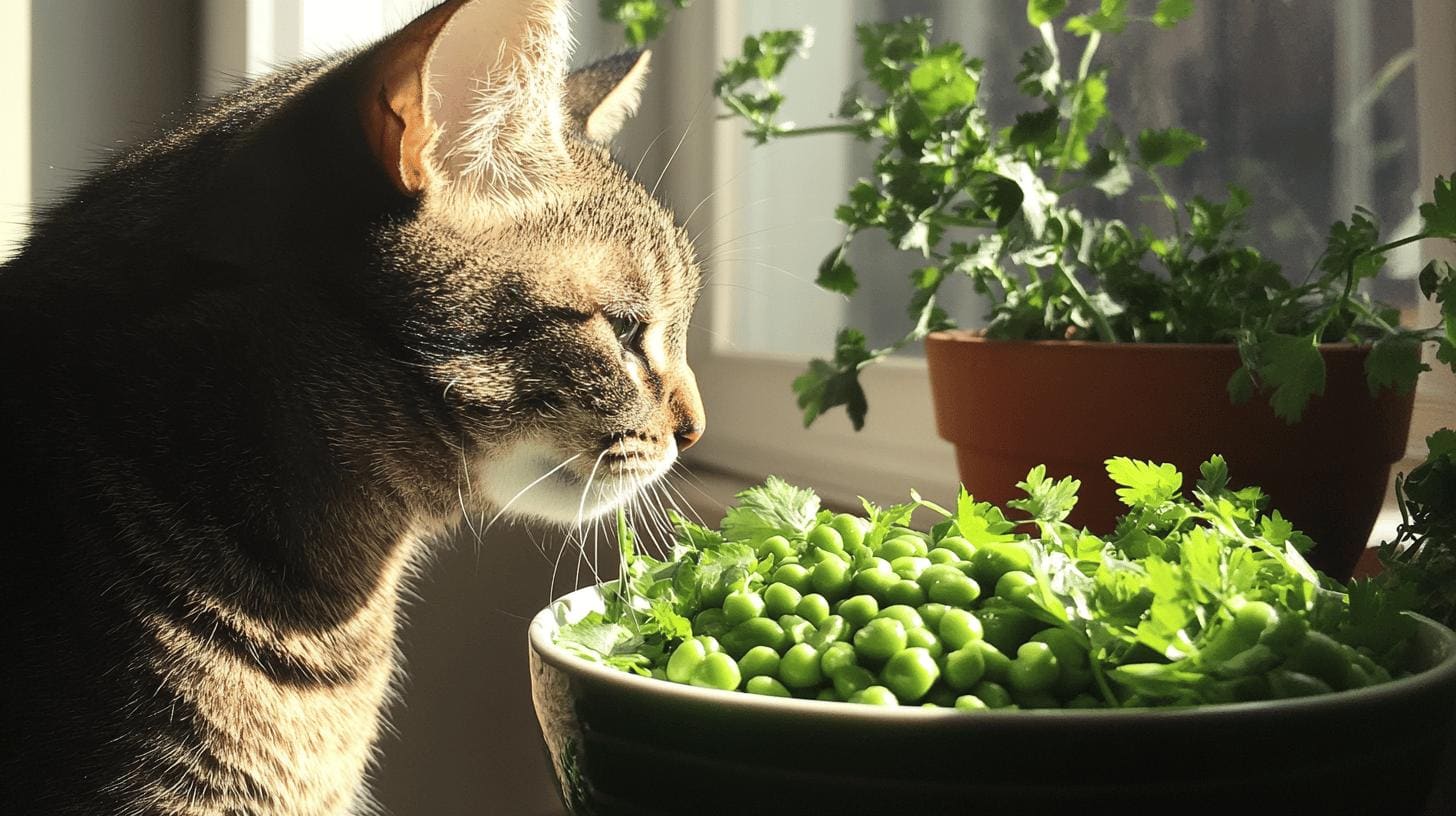
Peas are a small yet mighty addition to a cat’s diet, packed with essential nutrients that support various aspects of feline health. Among the key vitamins found in peas are vitamins A, B1, B6, C, and K. These vitamins play crucial roles in maintaining a cat’s well-being. Vitamin A is vital for eye health, helping maintain sharp vision. B vitamins are instrumental in muscle function and nerve health, ensuring your kitty stays agile and alert. Vitamin C boosts the immune system, while vitamin K is essential for healthy bones.
| Nutrient | Benefit for Cats |
|---|---|
| Vitamin A | Supports eye health |
| Vitamin B1 & B6 | Aids muscle function and nerve health |
| Vitamin C | Boosts immune system |
| Vitamin K | Essential for strong bones |
| Protein | Contributes to muscle development |
But that’s not all. Peas are also rich in important minerals like manganese, copper, potassium, and iron, which are essential for overall health. Manganese and copper support metabolic functions, while potassium helps with heart and muscle function. Iron is crucial for carrying oxygen in the blood, ensuring your cat remains energetic and healthy.
Additionally, peas contain lutein and linoleic acid. Lutein is known for supporting eye health, while linoleic acid contributes to maintaining healthy skin and a shiny coat. By incorporating peas into your cat’s diet, you can provide them with a natural source of these beneficial nutrients without any complex preparation.
How to Serve Peas to Your Cat
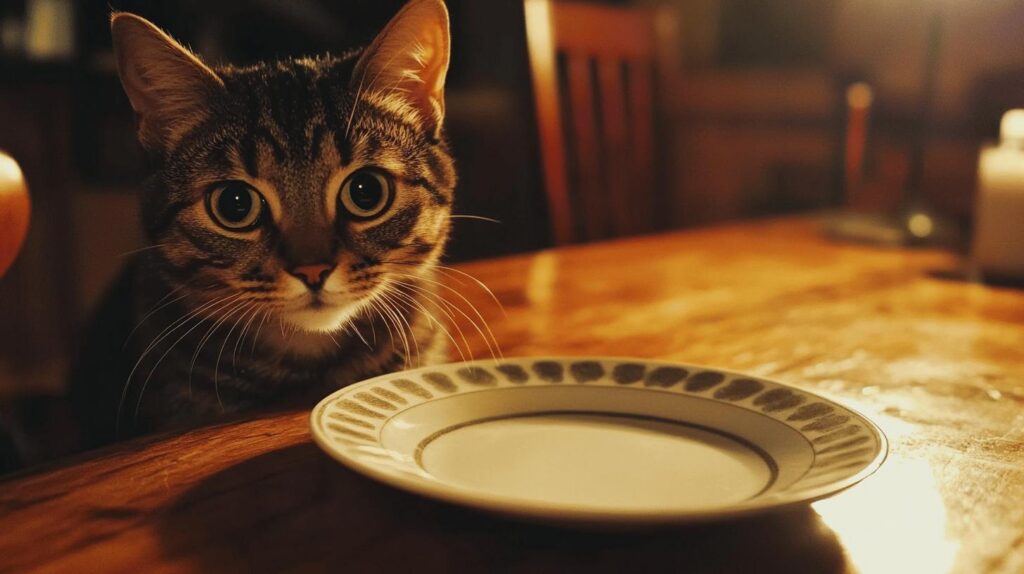
Peas can be a delightful treat for your cat, but how you serve them matters a lot. You can offer peas fresh, cooked, or even frozen, but it’s key to ensure they are prepared in a way that suits your cat’s needs. When cooking peas, it’s best to avoid any seasonings like salt, pepper, or oil which can upset your cat’s stomach. If you decide to serve them frozen, make sure they are soft enough for your cat to chew comfortably.
Here’s a simple guide to serving peas to your cat:
- Select Fresh Peas: Start with fresh garden or snap peas. Ensure they are washed thoroughly to remove any pesticides or dirt.
- Cook Gently: If you opt for cooked peas, steam them until they are tender. This makes them easy to chew and digest.
- Mash for Easier Eating: For cats with dental issues or very young kittens, mash the cooked peas into a softer consistency.
- Serve Plain: Always present the peas without any seasoning. Cats prefer their food plain, and it’s healthier for them.
- Monitor Portion Size: Limit the number of peas to a small handful to ensure they don’t interfere with your cat’s regular diet.
For cats with dental issues or those who struggle with chewing, mashed or thoroughly cooked peas are ideal. This softer texture prevents any choking hazard and makes it easier for them to enjoy the treat. Always keep an eye on your cat when introducing new foods to ensure they’re comfortable and don’t exhibit any adverse reactions.