Can a sprinkle of salt be harmful to your cat, or could it be a necessary part of a healthy diet? As cat owners, it's crucial to understand how much salt is too much for our feline friends. While sodium supports vital functions like nerve communication and muscle movement, too much can pose severe health risks. To keep your cat safe, we'll explore safe sodium levels and explain how to detect salt toxicity signs. Understanding these factors could be the difference between a healthy kitty and a health scare.
Can Cats Safely Consume Salt? Understanding Safe and Toxic Levels
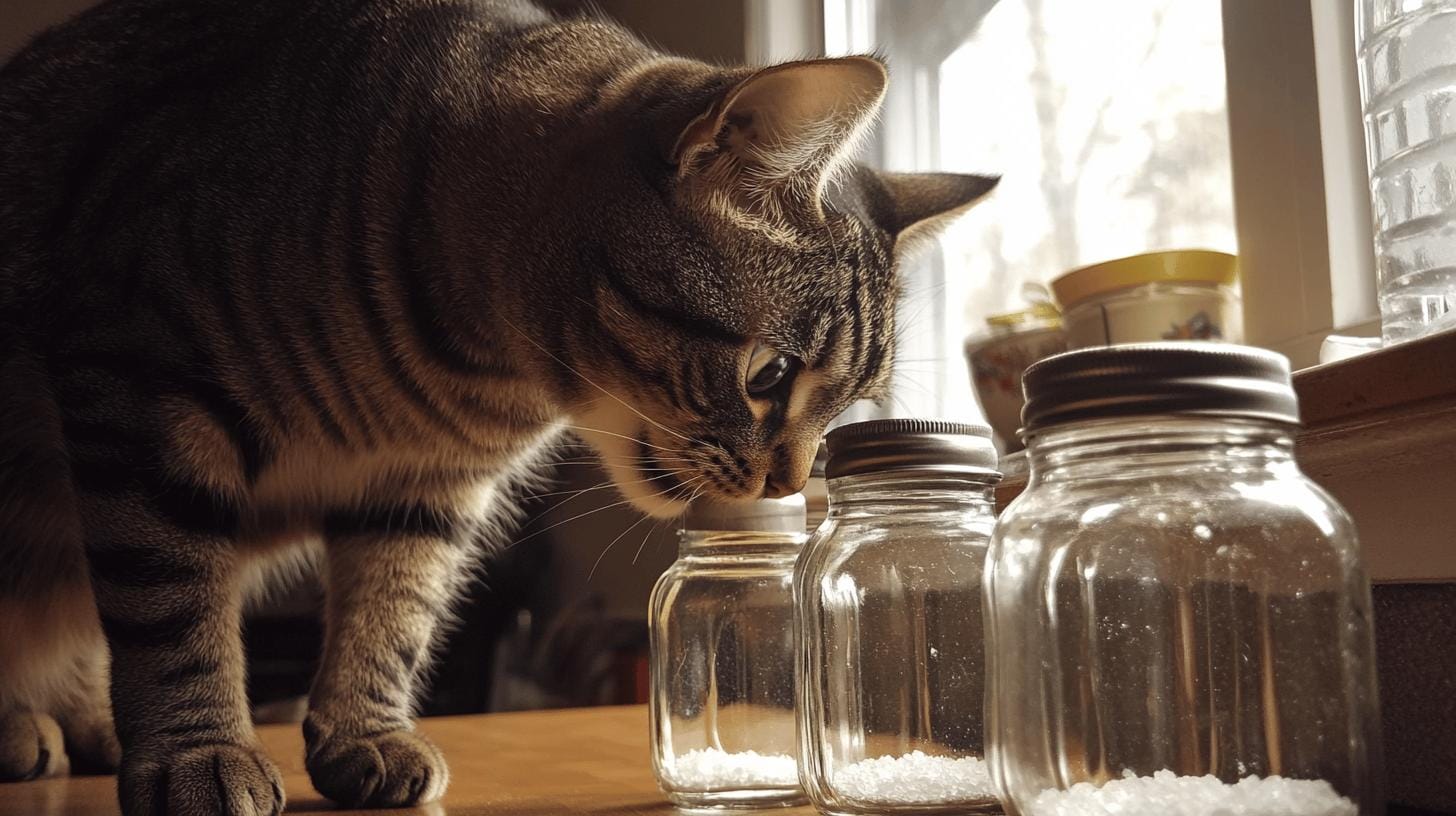
Cats can safely consume salt, but only in controlled amounts. Sodium is essential for cats, contributing to nerve function, muscle movement, and fluid balance. However, excessive salt can lead to serious health issues.
Sodium is necessary in a cat's diet primarily for:
- Nerve Function: Ensures proper communication between the brain and body.
- Muscle Movement: Supports contraction and relaxation of muscles.
- Fluid Balance: Regulates hydration levels within cells.
- Blood Pressure Regulation: Maintains healthy blood pressure.
- Acid-Base Balance: Keeps the body’s pH levels in check.
Though sodium is vital, more than 41 mg of salt per day is considered poisonous for cats. Cats should not consume over one gram of salt per two pounds of body weight. Understanding these toxic levels is crucial to prevent health risks.
| Weight (lbs) | Toxic Salt Amount (g) |
|---|---|
| 5 | 2.3 |
| 10 | 4.5 |
| 15 | 6.8 |
Monitoring your cat's salt intake is essential to avoid accidental ingestion of toxic levels. This involves checking commercial cat food labels and keeping salty human foods out of reach. Regular dietary monitoring helps ensure a cat's well-being and prevents harmful overconsumption.
Symptoms and Treatment of Salt Toxicity in Cats

Salt toxicity in cats can be a serious condition that requires prompt attention. Early signs of salt poisoning can be subtle but are crucial to identify. If your cat has been exposed to excessive salt, you may notice some changes in their behavior or physical state. Early detection is key to preventing more severe symptoms.
Here are some symptoms of salt toxicity to watch for:
- Vomiting: One of the first signs that your cat might have ingested too much salt.
- Increased Water Consumption: Cats may drink more water in an attempt to flush out excess sodium.
- Diarrhea: Accompanies vomiting as the body tries to rid itself of the excess salt.
- Muscle Weakness: Cats may appear lethargic or unable to move as easily.
- Twitching or Tremors: Uncontrolled movements can indicate muscle issues due to salt.
- Rapid Heartbeat: An increased pulse is a sign of stress on the system.
- Seizures: Severe salt toxicity can result in seizure activity.
- Disorientation: Confusion or staggering is a late-stage symptom indicating severe sodium imbalance.
Recognizing these symptoms can help you act quickly. If you suspect salt poisoning, immediate intervention is crucial. Begin by assessing the situation and acting swiftly to aid your cat.
Here are treatment measures to consider:
- Offer Fresh Water: Encourage your cat to drink water, which can help dilute the salt.
- Limit Food Intake: Temporarily stop offering food to prevent further salt ingestion.
- Observe Closely: Keep a close eye on your cat’s behavior and physical condition.
- Contact a Veterinarian: Professional advice is necessary for handling salt toxicity.
- IV Fluids: At the vet, your cat might receive IV fluids to rehydrate and balance electrolytes.
- Electrolyte Monitoring: Regular checks to ensure your cat’s levels return to normal.
Prompt veterinary care can make a significant difference in your cat's recovery from salt toxicity. The prognosis is usually excellent with early treatment, and most cats recover fully with proper medical intervention. Always keep an eye on your cat's environment and diet to prevent accidental salt ingestion.