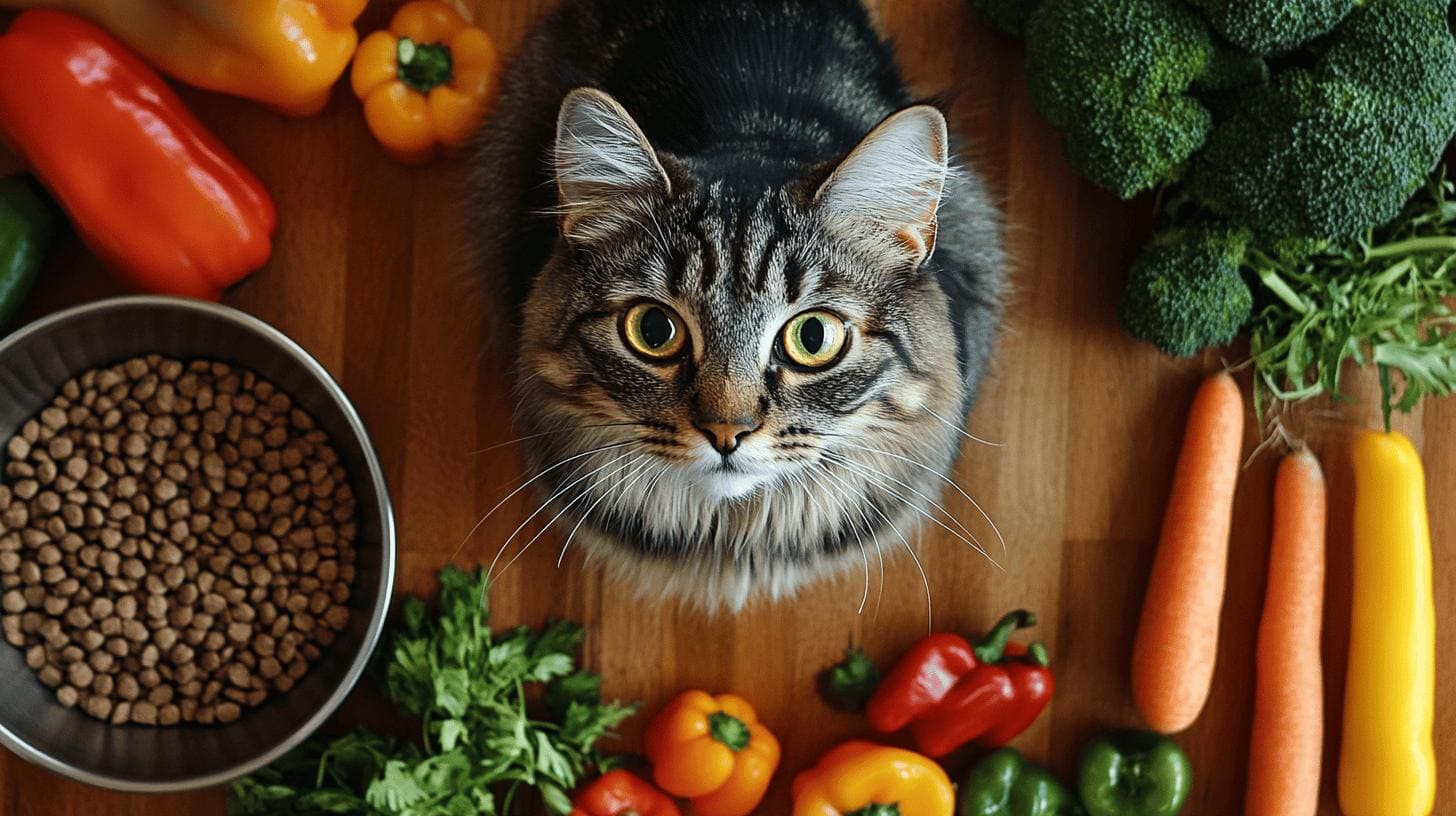
Do you ever wonder if your cat can snack on those crispy fries you love? While it might seem harmless to share a piece, the nutritional needs of cats differ greatly from ours. Fries, with their high salt and fat content, can pose serious health risks to our feline buddies. This article dives into the possible dangers and examines the dietary implications of feeding your cat fries. Learn why these tasty treats are best left off your cat's menu and discover healthier alternatives to ensure your cat stays safe and healthy.
Can Cats Eat Fries? Understanding the Risks and Nutritional Implications
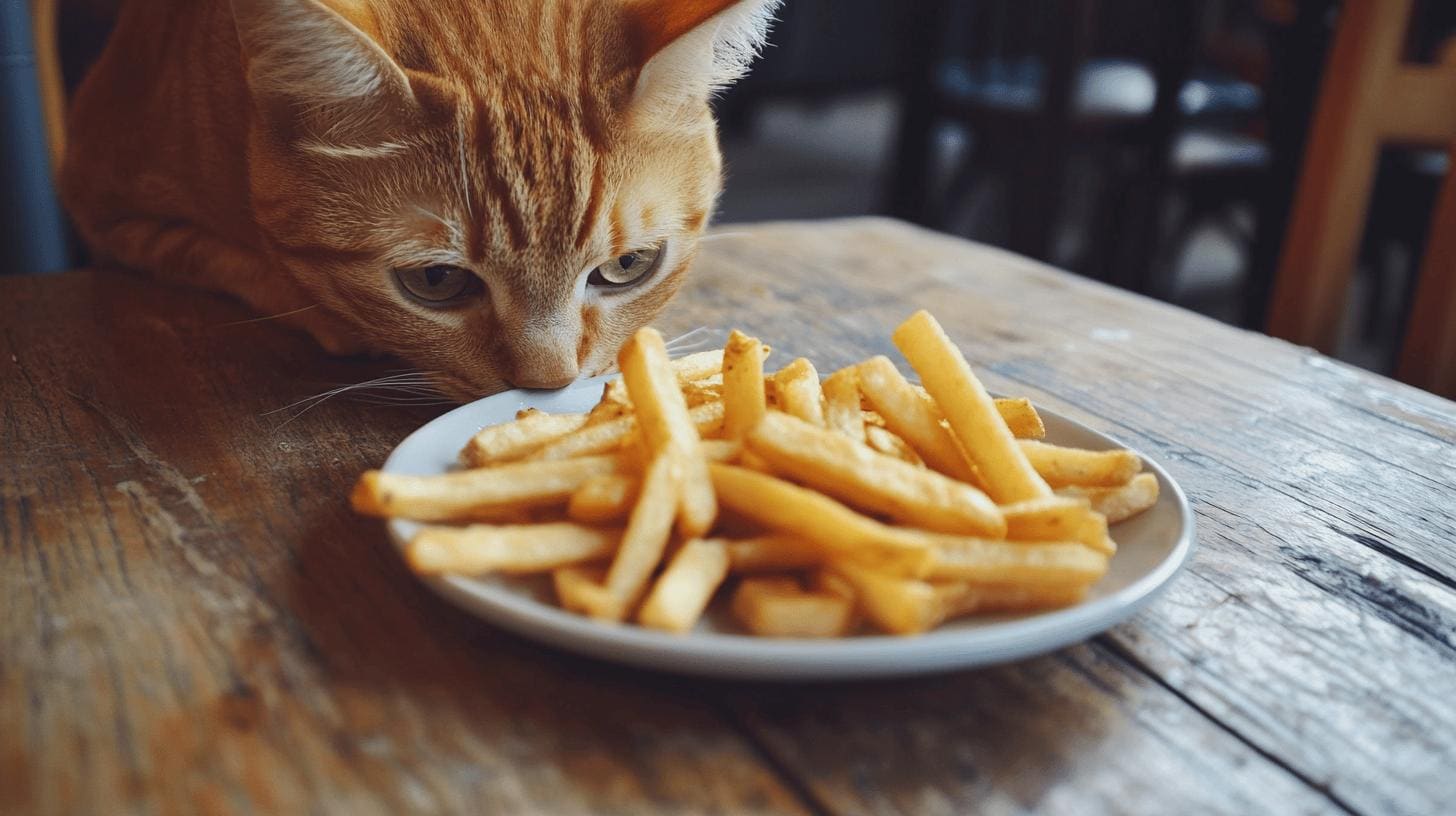
Cats might find french fries tempting, but these tasty human snacks are far from suitable for our feline friends. While not immediately toxic, the high salt and fat content makes fries a hazardous choice for cats. Their bodies are not equipped to handle these components, which can lead to a range of health issues.
The primary concern with french fries is their high salt content. Sodium ion toxicity can occur if a cat consumes too much salt, leading to symptoms such as vomiting, diarrhea, excessive thirst, and even seizures. Additionally, the fats in fries can wreak havoc on a cat's digestive system, potentially causing obesity and pancreatitis. Cats, being obligate carnivores, require a diet rich in proteins, not carbohydrates or unhealthy fats.
The ingredients used in fries, like onion and garlic, pose a direct threat as they can cause hemolytic anemia in cats. This condition leads to lethargy and weakness, severely impacting a cat's well-being. Long-term consumption of fries can exacerbate these issues, contributing to weight gain and diabetes, making them an unwise dietary choice.
Here's a quick breakdown of the nutritional issues:
| Component | Effect on Cats |
|---|---|
| Salt | Sodium ion toxicity, leading to vomiting, diarrhea, and seizures |
| Fat | Obesity and pancreatitis, straining the digestive system |
| Onion & Garlic | Hemolytic anemia, causing lethargy and weakness |
| Carbohydrates | Increases risk of obesity and diabetes |
Cats' dietary needs are quite specific. As obligate carnivores, they thrive on a protein-rich diet sourced from meat. Their nutritional requirements are vastly different from humans, making it crucial to provide them with meals that meet their unique needs. Feeding cats french fries or similar human foods can lead to severe health problems, thus it's best to stick to cat-appropriate diets that keep them healthy and happy.
Understanding these risks highlights the importance of maintaining a cat's diet focused on nutritional value rather than indulging them in foods meant for humans.
Safe Alternatives to French Fries for Cats
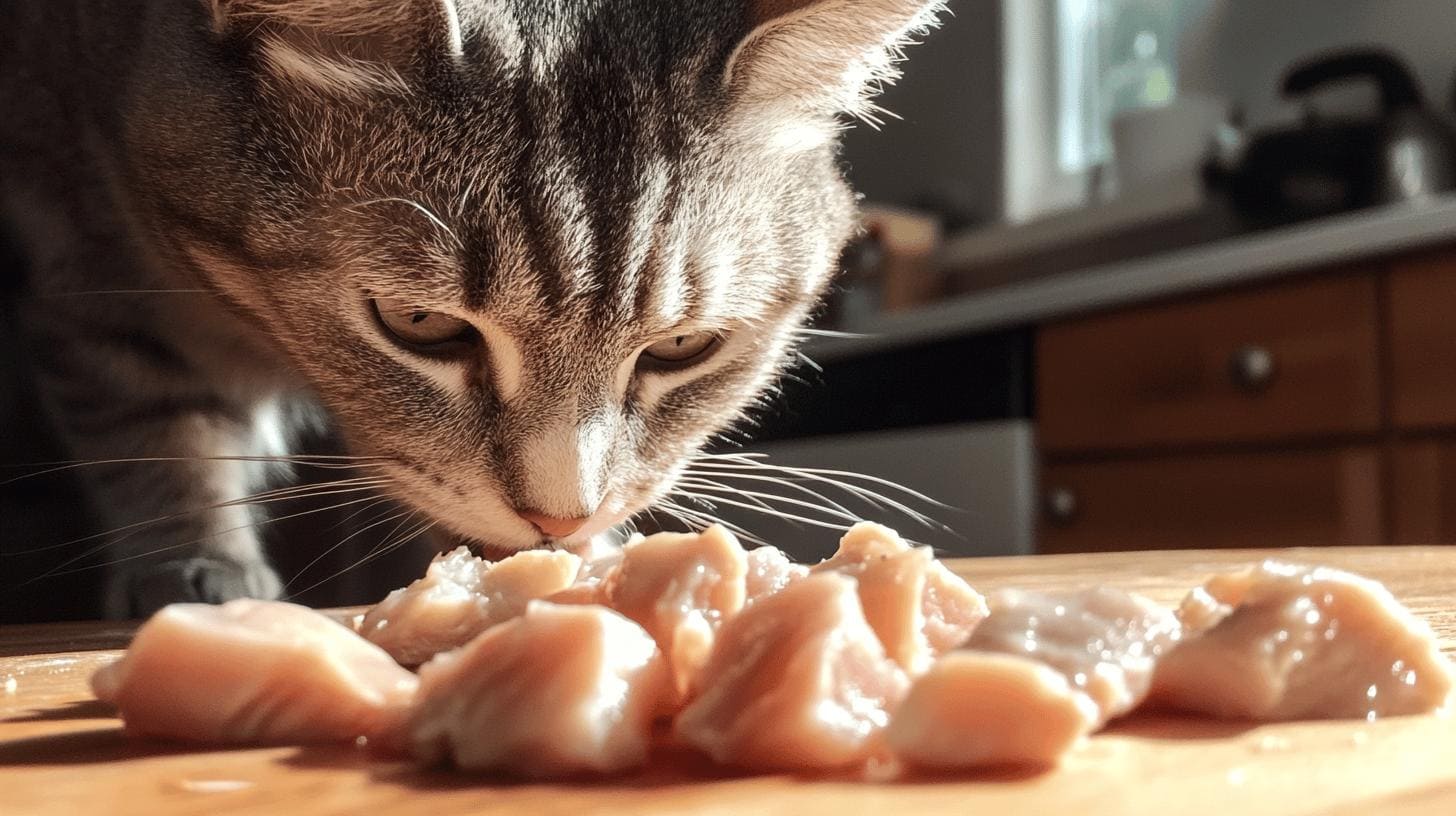
Instead of giving your cat french fries, which can pose health risks, there are plenty of safe and healthy treats to consider. Here are some alternatives that can keep your feline friend satisfied without compromising their health:
-
Cooked Chicken or Turkey: These are excellent protein sources. Make sure they're plain, without seasoning or sauces.
-
Specially Formulated Cat Treats: Opt for commercial treats designed specifically for cats, as they are balanced and nutritious.
-
Plain Cooked Potatoes: In small amounts, cooked potatoes are safe. Avoid adding salt, butter, or other seasonings.
-
Freeze-Dried Meat Treats: These are often single-ingredient snacks that can be a great protein-rich option.
-
Catnip Toys or Treats: While not food, catnip is a safe and enjoyable alternative that can keep cats entertained.
These alternatives provide the nutrition cats need while steering clear of the unhealthy fats and salts found in fries. Always ensure treats are given in moderation to maintain a balanced diet.
Symptoms to Watch for After a Cat Eats Fries
If your cat sneaks a fry, watch for certain symptoms. Fries are high in salt, leading to sodium ion toxicity. This condition shows up as vomiting, diarrhea, and excessive thirst. Your cat may drink more water or look dehydrated.
Lethargy is another sign. If your cat seems unusually tired or unresponsive after eating fries, it's likely feeling the adverse effects. In severe cases, salt overload can cause seizures. Immediate veterinary attention is crucial if seizures occur.
Symptoms like these relate directly to the unhealthy components in fries. The fats and salts strain a cat's system, which isn't made to handle them. Recognizing these signs helps you act quickly to protect your pet's health.