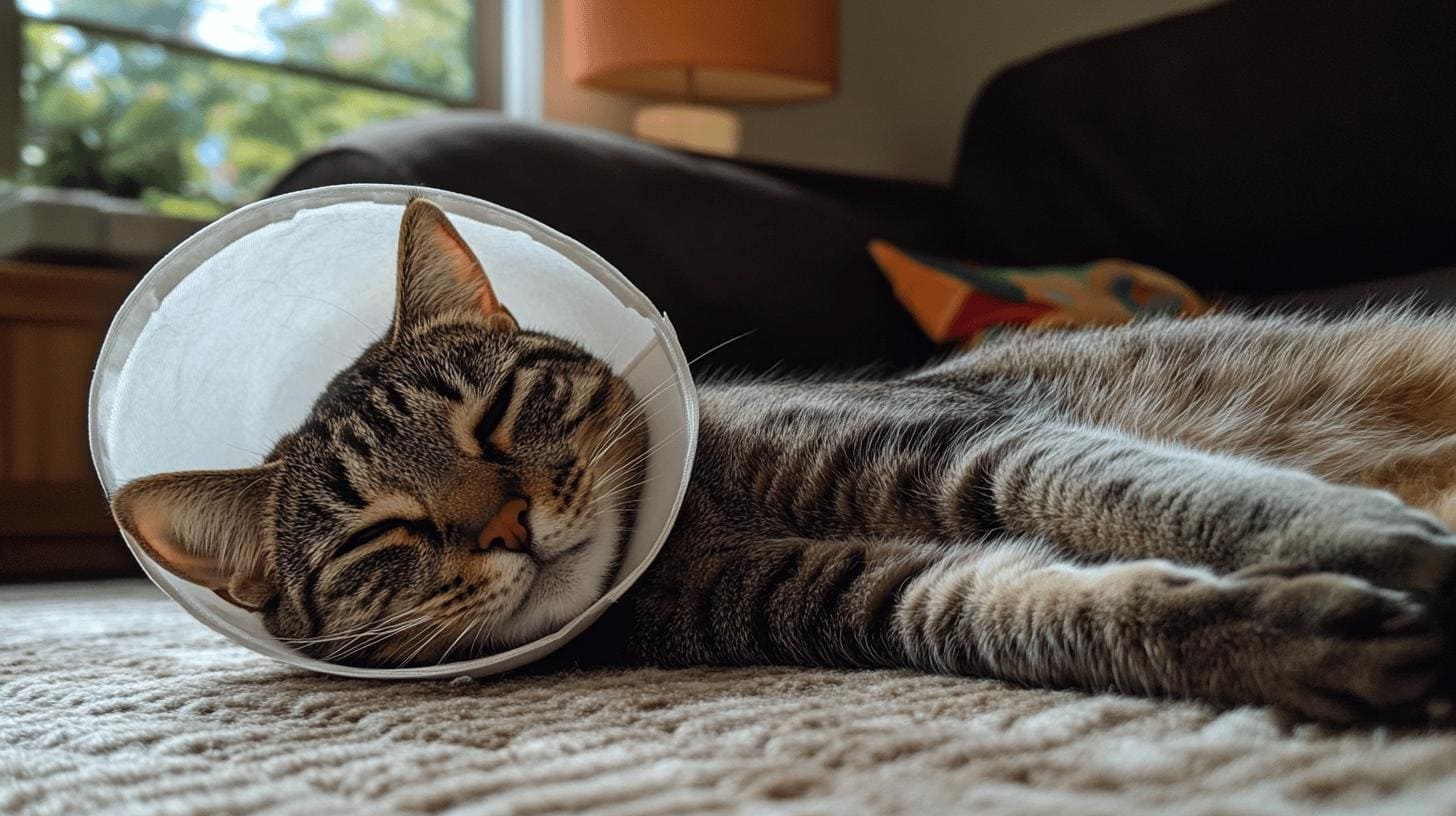
Did you know that feeding your cat after neutering surgery requires careful timing and some dietary tweaks? Many cat owners wonder when it's safe for their furry friends to eat post-surgery without causing discomfort.
Right after surgery, the anesthesia can make your cat feel queasy and uninterested in food. Patience is key—waiting a few hours before offering food is a must. In this article, I'll guide you through when your cat can safely eat again and what to offer to ensure a smooth and healthy recovery.
Feeding Your Cat After Neuter Surgery: Timing and Dietary Adjustments
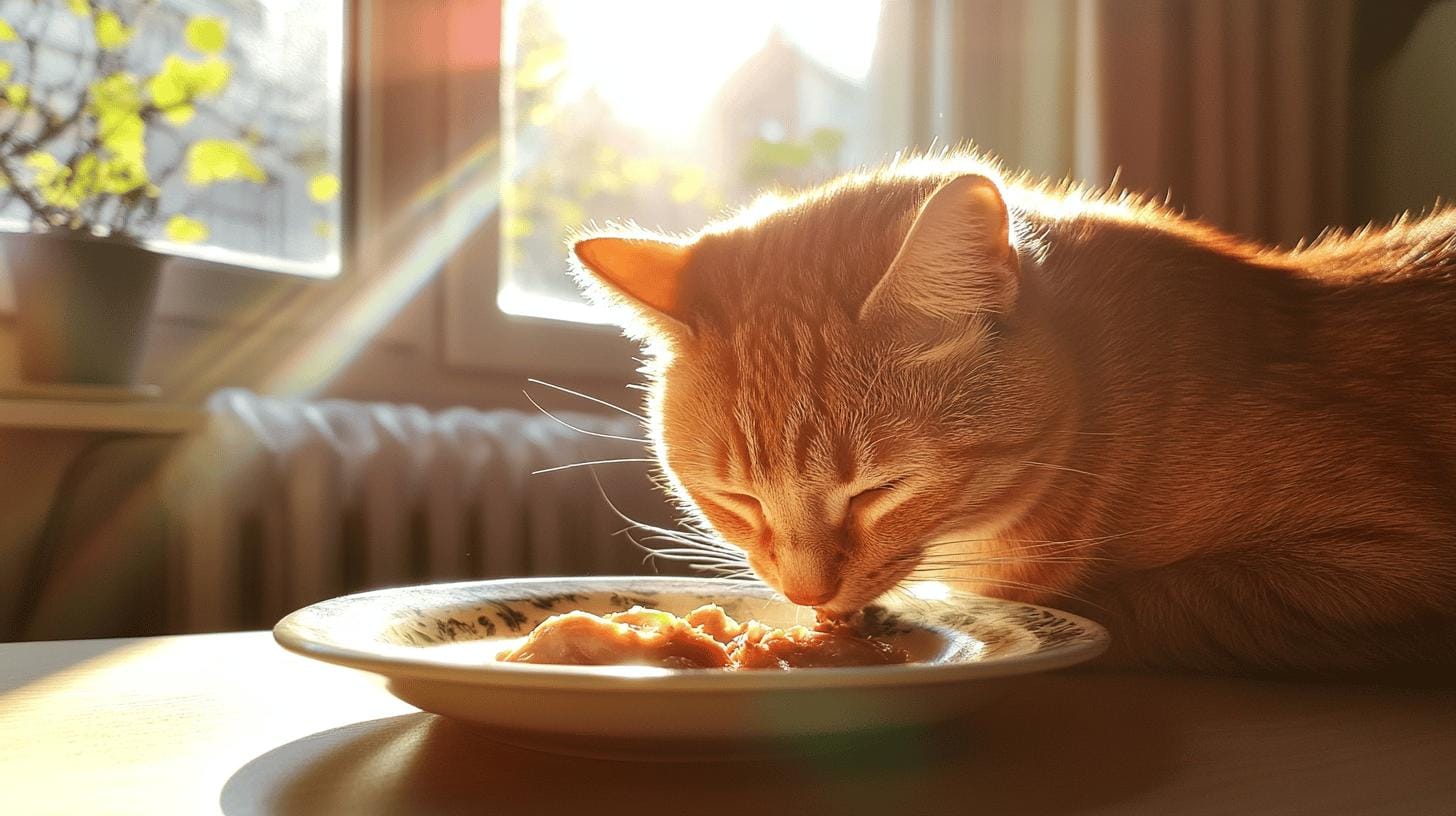
After neutering surgery, it's not uncommon for cats to experience nausea and a reduced appetite. This is largely due to the effects of anesthesia and the surgery itself. Your furry friend might not feel like eating right away, and that's okay. The key is to reintroduce food gently and monitor their response closely.
-
Wait a few hours post-surgery: Allow your cat some time to shake off the effects of anesthesia before offering food.
-
Start with small, light meals: Offer easily digestible foods like a small portion of chicken or fish.
-
Observe for discomfort: Keep an eye on your cat for signs of nausea or reluctance to eat.
- Adjust based on response: If your cat seems unwell or uninterested, wait a little longer before trying again.
It's important to control portions and gradually reintroduce their regular diet. Begin by offering about a quarter of their usual meal size.
Over the next few days, slowly increase the portion until they're back to their normal feeding routine. This gradual approach helps to avoid overwhelming their digestive system and can prevent any potential adverse reactions.
Feeding Schedule and Monitoring
-
Initial Feeding: Offer a small amount of food, like a tablespoon, a few hours after surgery.
-
Observation: Monitor for any signs of vomiting or discomfort. If these occur, pause feeding and try again later.
-
Gradual Increase: Over the next 48 hours, slowly increase the food amount, aiming to reach half of their normal portion by the second day.
- Full Portion: By the fourth day, your cat should be able to handle their regular meal size, assuming no adverse reactions have been noted.
Ensuring your cat receives proper nutrition during recovery is crucial. Offer fresh water at all times and encourage them to drink, as hydration aids in the healing process.
If your cat continues to refuse food beyond 24 hours or shows any severe symptoms, contact your vet for advice. Keep their environment calm and stress-free to promote a smoother recovery.
Feeding Schedule and Monitoring
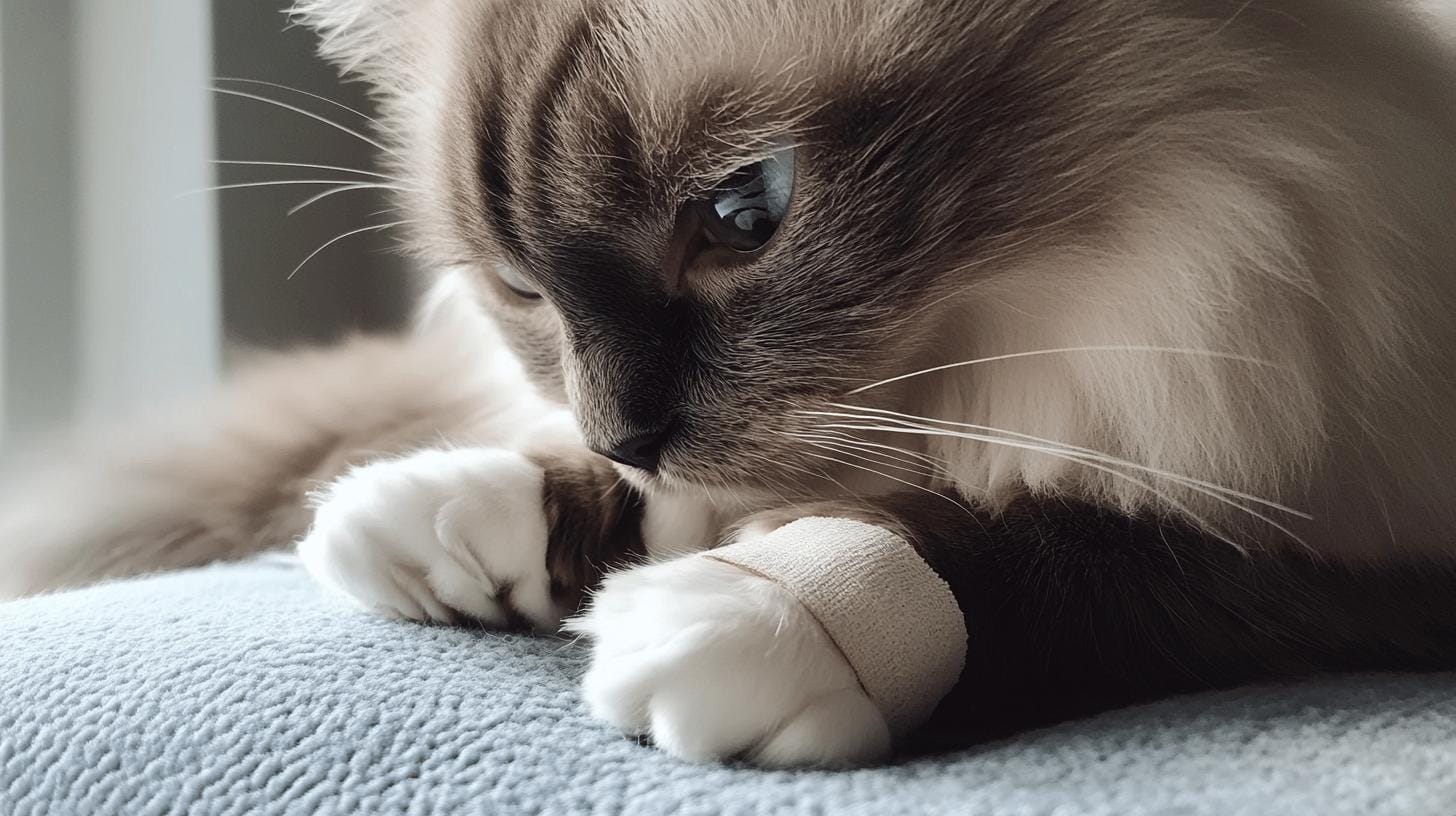
Right after neuter surgery, your cat might not seem interested in eating. This is a normal response to anesthesia and surgical stress. As they recover, watch for a gradual return to normal eating and energy levels. Keep a close eye on their food and water intake, especially in the first 24 to 48 hours.
If your cat shows signs of nausea, lethargy, or vomiting beyond this period, contact your vet. These symptoms may signal complications needing medical attention. Always prioritize your cat's health and consult a professional if in doubt.
| Symptom | Action |
|---|---|
| Prolonged Lack of Appetite | Contact your vet if it continues beyond 48 hours |
| Vomiting | Pause feeding and consult your vet if it persists |
| Lethargy | Monitor and seek veterinary advice if no improvement |
Keep an eye on the surgical incision site for any signs of redness or swelling. Prevent your cat from licking or scratching the area to avoid complications. A calm, quiet environment is key to supporting recovery, helping your cat feel safe and stress-free. This stable setting will aid in a smoother, faster recovery back to their usual, lively self.
Post-Surgery Care and Pain Management for Cats
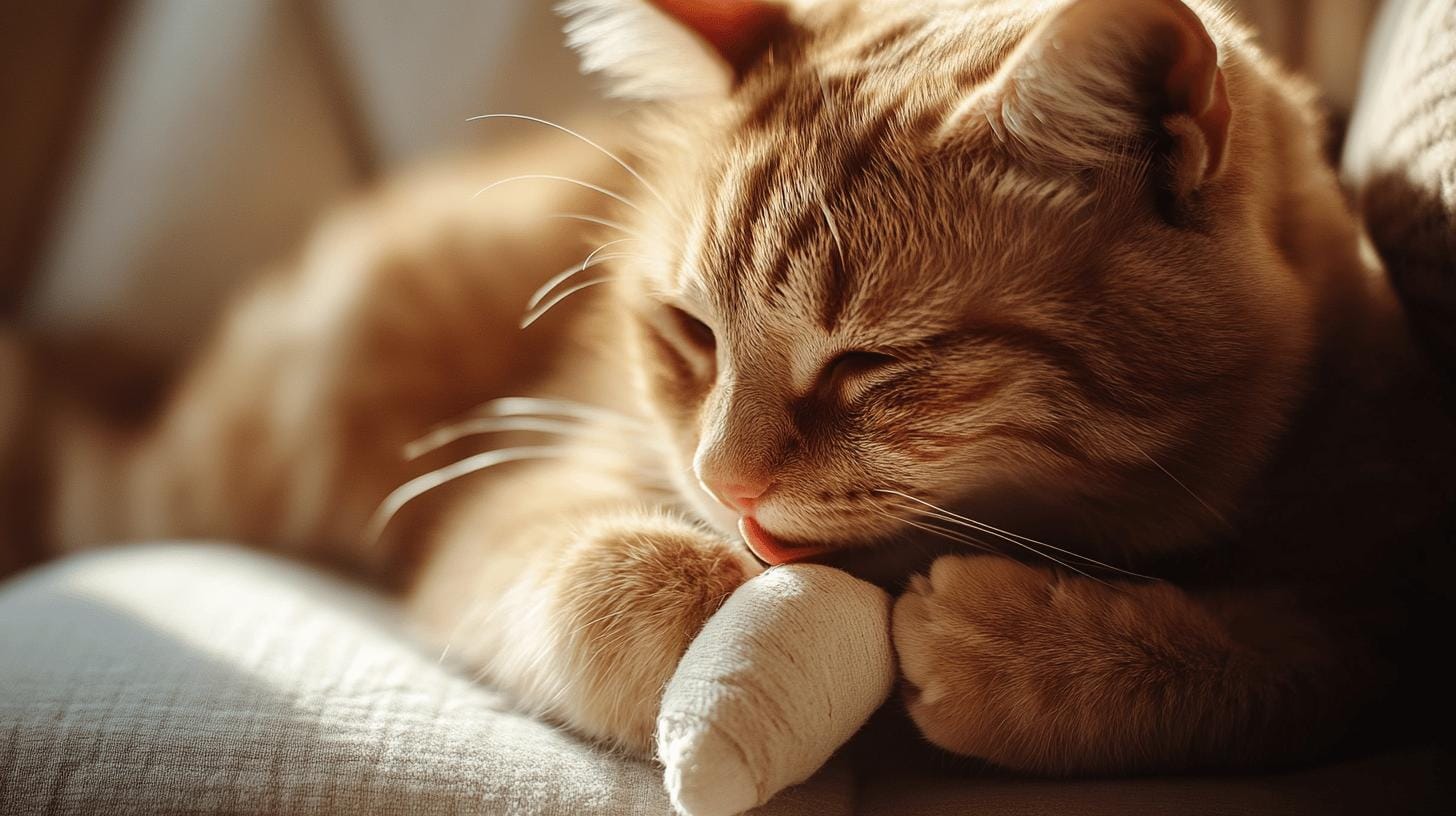
Managing your cat's pain after neuter surgery is crucial to their comfort and recovery. Your vet will likely prescribe pain relievers, and it's important to follow their instructions carefully.
These medications help minimize discomfort, allowing your cat to rest and heal more effectively. Monitor your pet for any signs of pain or distress, such as excessive meowing or reluctance to move, and contact your vet if you're concerned.
Creating a calm and comfortable environment can significantly aid in your cat's recovery. Set up a quiet resting area away from the hustle and bustle of daily household activities.
This will give your cat a safe space to relax and recuperate without stress. Make sure the area is warm and has easy access to a litter box, food, and water. This setup will encourage your cat to rest, which is vital for the healing process.
-
Keep your cat indoors to prevent exposure to outdoor hazards.
-
Avoid letting your cat jump on furniture to prevent incision strain.
-
Discourage climbing by temporarily removing or covering cat trees.
-
Limit interactions with other pets to minimize excitement or agitation.
-
Use a crate for short periods if your cat is particularly restless.
Follow-up appointments with your vet are a key part of ensuring a smooth recovery. These visits allow the vet to check the healing progress, remove sutures if necessary, and address any complications.
Regular check-ups also provide an opportunity to discuss any concerns about your cat's behavior or health post-surgery, ensuring your furry friend returns to their playful self as quickly as possible.