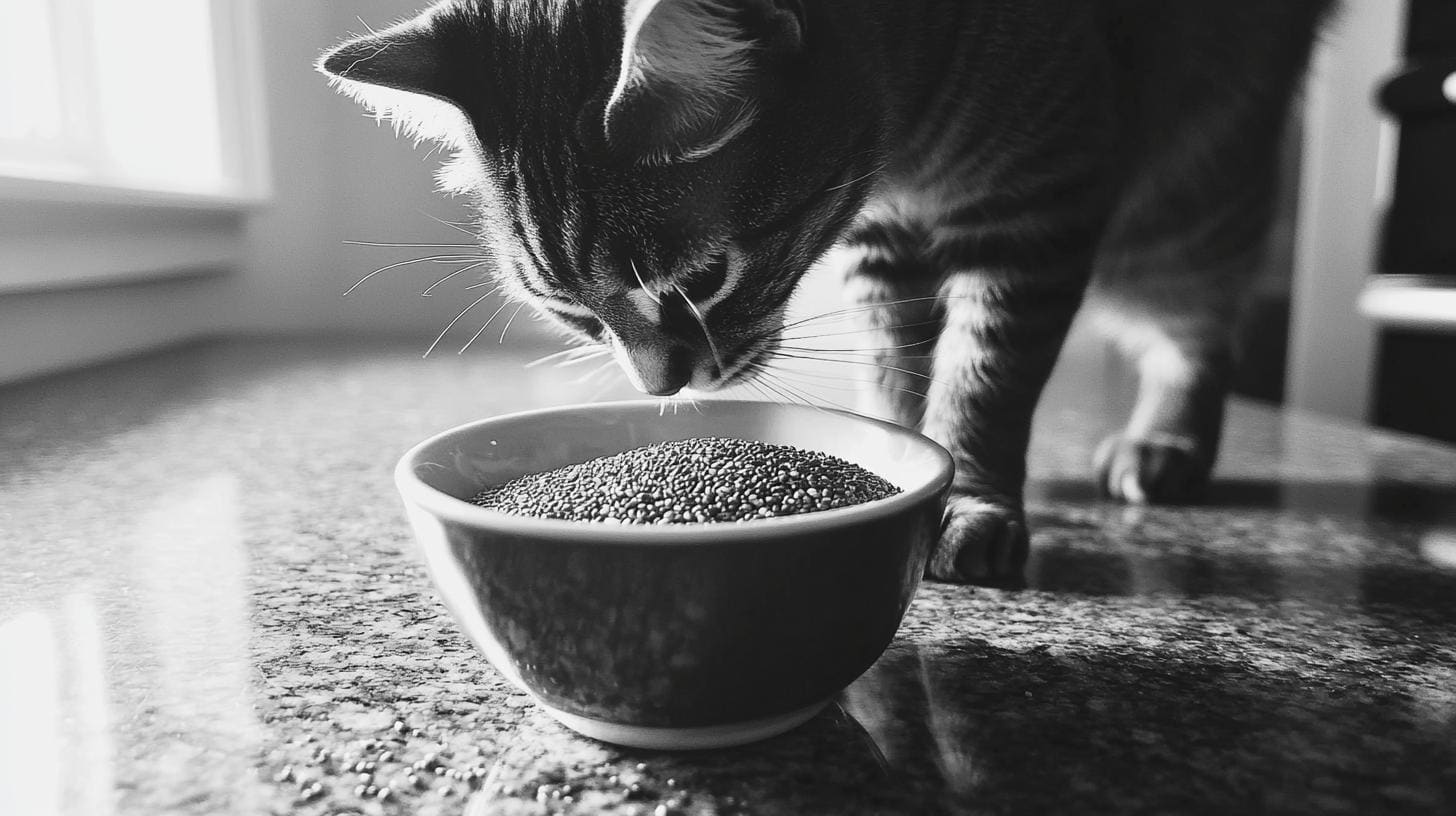
Have you ever wondered if sharing a walnut snack with your cat is a good idea? At first glance, walnuts might seem harmless. They're packed with benefits for us, but what about our feline friends? The truth is, while not outright toxic, walnuts can bring more harm than good to cats. They can cause serious health issues like neurological problems and choking hazards, without offering any nutritional benefits. In this post, we'll explore why walnuts should stay off your kitty's menu and how to keep your pet safe and healthy.
Can Cats Eat Walnuts and Understanding Walnut Toxicity
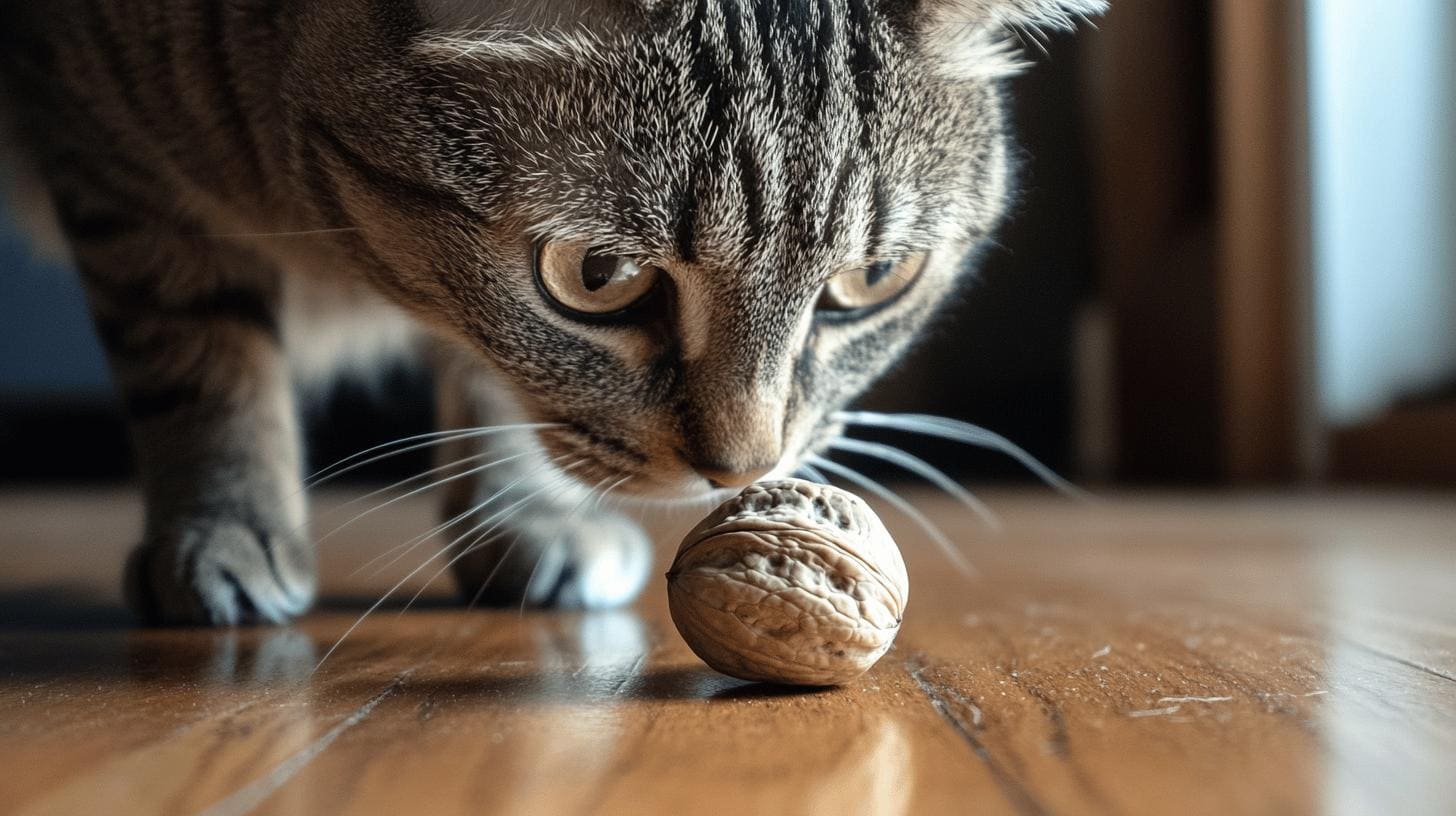
Cats should not eat walnuts. While these nuts are not outright toxic, they can pose several health risks to our feline friends. Walnuts can lead to serious neurological issues and provide no nutritional benefits to cats. Their high-fat content can cause gastrointestinal upset, and there's a risk of choking, especially with smaller cats. In essence, walnuts are not recommended for cats, and pet owners should take care to keep them out of their pets' reach.
When a cat ingests walnuts, several symptoms might indicate that the walnut effects on cats are taking a negative turn. These symptoms include vomiting, diarrhea, lethargy, and unusual behavior, all of which can signal distress or discomfort in your pet. Monitoring your cat closely is crucial if walnut ingestion is suspected.
| Symptoms | Description |
|---|---|
| Vomiting | Frequent or severe vomiting can indicate digestive distress. |
| Diarrhea | Loose or frequent stools might point to an upset stomach. |
| Lethargy | Unusual tiredness or lack of energy could reflect underlying issues. |
| Unusual Behavior | Any behavioral changes, such as hiding or aggression, may suggest discomfort. |
| Appetite Loss | A sudden decrease in appetite can be a sign of internal distress. |
Salted walnuts present additional risks to cats. The excess salt can lead to salt toxicity, which brings about its own set of problems, including potential seizures and severe dehydration. Cats need very little salt in their diet, and too much can be dangerous. Furthermore, walnuts do not offer any health benefits to cats that they do to humans, like improving gut health or managing diabetes. Instead, they are a source of unnecessary fat and potential harm.
What to Do If Your Cat Eats Walnuts
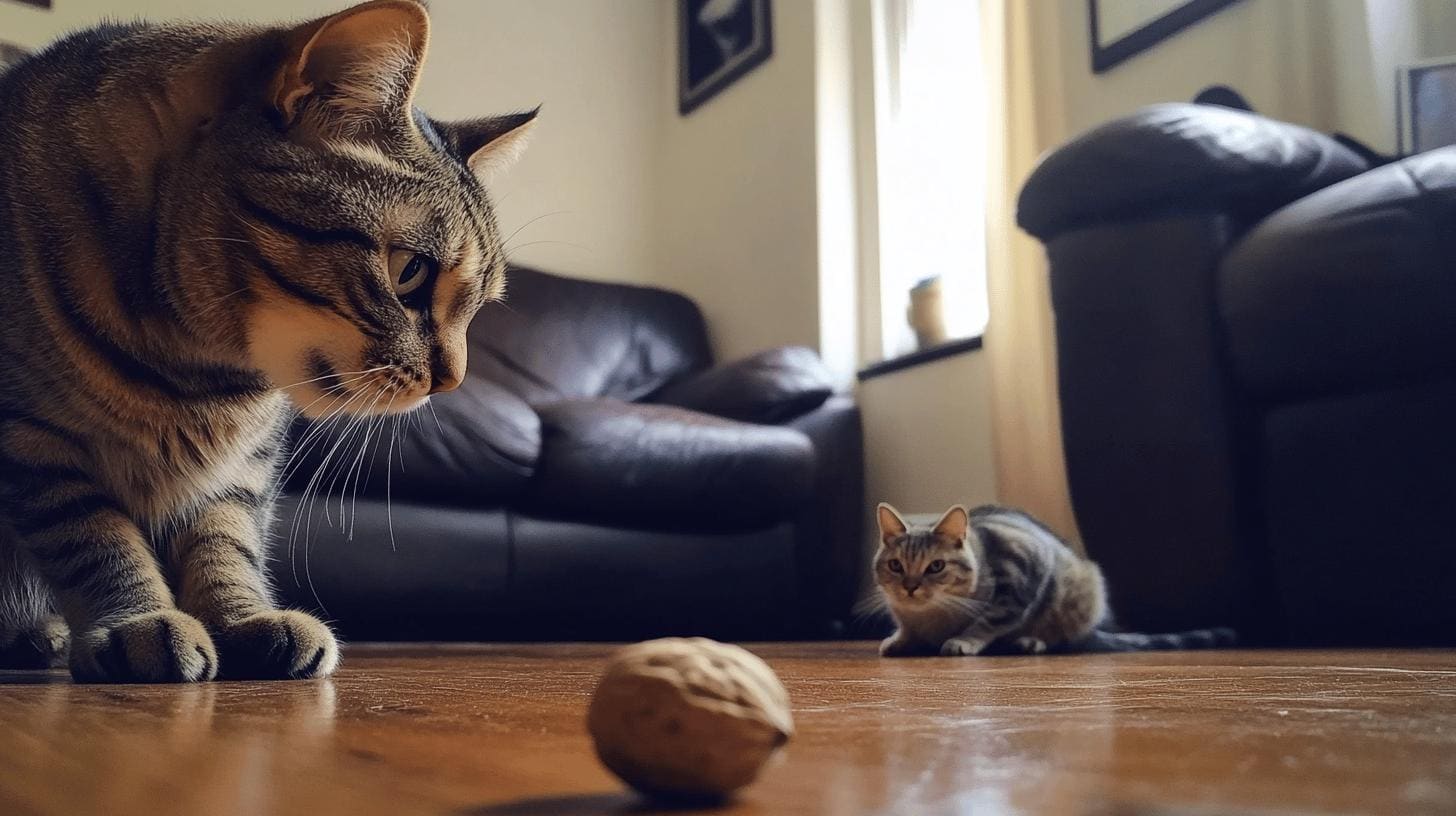
If your cat has accidentally ingested walnuts, act quickly. First, remove any remaining walnuts from the area to prevent further consumption. Monitor your cat closely for any signs of distress or illness such as vomiting, diarrhea, or unusual behavior. These symptoms may indicate a walnut ingestion emergency. If symptoms appear, contact your veterinarian immediately for walnut poisoning treatment guidance. It's important to stay calm and provide as much information as possible to the vet, including the amount of walnuts consumed and any symptoms observed.
To prevent walnut ingestion, consider the following preventive measures:
- Store walnuts in sealed containers, preferably in a pantry or cupboard.
- Keep countertops and tables clear of any snack bowls containing walnuts.
- Educate family members and guests about the risks of feeding walnuts to cats.
- Regularly check for fallen nuts or snacks that might be accessible to curious pets.
Consult a veterinarian if symptoms of walnut ingestion persist or worsen. This includes any prolonged vomiting, diarrhea, or lethargy. Early intervention can minimize the potential health risks associated with walnut consumption. Always err on the side of caution and seek professional advice to ensure the safety and well-being of your feline friend.