how does clicker training work for pet owners

Can a tiny plastic clicker teach your dog or cat faster and clearer than treats alone? Yep. That little clicker becomes a marker (a signal that marks the exact behavior you want) and a conditioned reinforcer (a sound your pet learns means "good job").

You pair the click with a treat, some praise, or a quick play break, so the sound gets real meaning. It’s a sharp, repeatable noise that lets you say “yes” at the precise moment the behavior happens. It fixes timing problems and makes learning less guessy.

So instead of waiting for a treat to land and hoping your pet connects the dots, you click the exact instant they do the right thing. Ever watched your cat suddenly get it and stalk the toy like a tiny tiger? It’s claw-tastic.

Worth every paw-print.

how does clicker training work for pet owners
- Why clicker training works  a concise lede.jpg

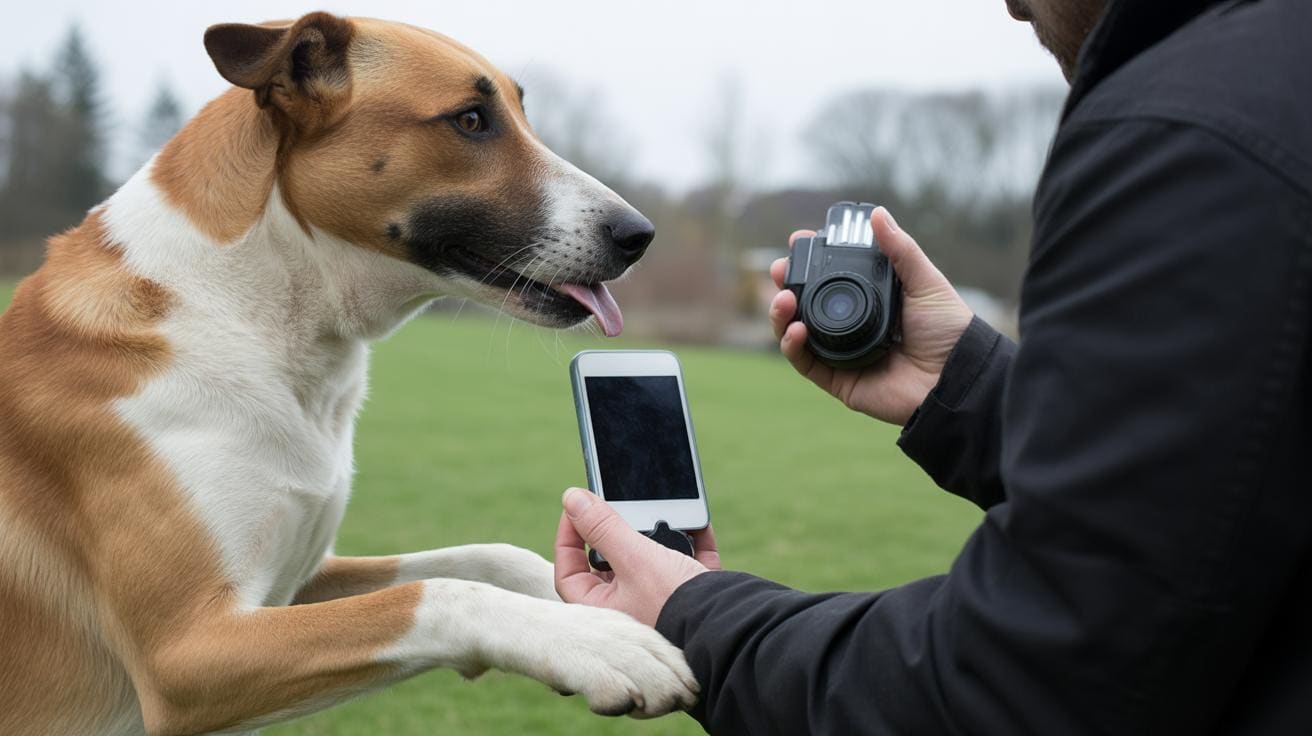
The click is a marker, a conditioned reinforcer (a sound your pet learns means “good job”). You pair that sound with positive reinforcement, treats, praise, or a quick play session, so the click itself becomes a tiny promise of something nice. It’s like teaching a secret handshake your pet understands.

A clicker is a small handheld device that makes a sharp, consistent sound (think of a tiny plastic button that goes “click”). The method rests on operant conditioning (learning from consequences, do something, get rewarded, do it again) and classical conditioning (linking two things so one predicts the other). By separating timing from value, pets pick up behaviors faster.

The big win is timing. The click gives a crisp, instant signal the exact moment your pet does what you want, and the treat or praise that follows gives the behavior value. Because the click is unlikely to happen by accident, pets can tell exactly which instant earned the reward. It also bridges the gap when you can’t hand over a treat right away, click first, reward soon after.

Try this sequence: cue (verbal “sit”), click the instant the rear touches the ground, then deliver the treat right after the click. Ever watched your cat or dog cock their head the first time you click? That tiny moment says they get it. Worth every paw-print.

how does clicker training work for pet owners
- Clicker training timing and marker mechanics (why the click matters).jpg

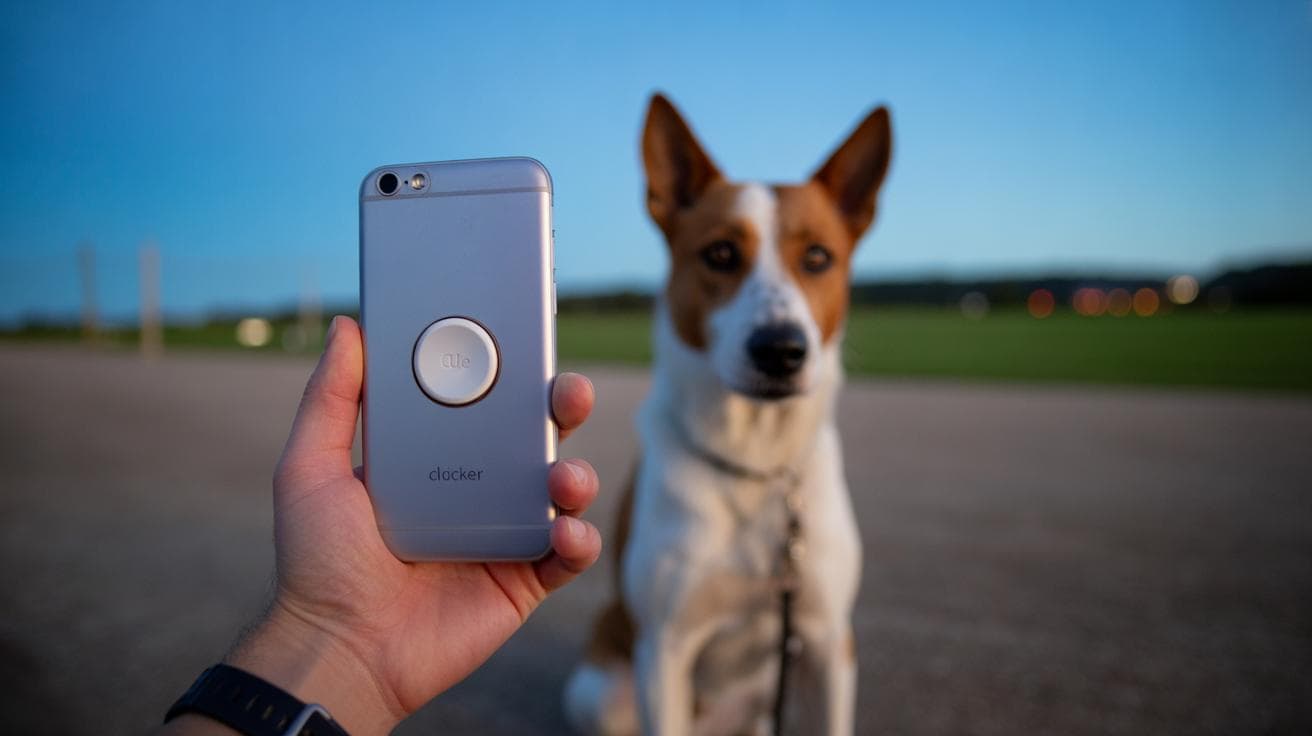
The click's biggest job is timing. When you click at the exact moment the pet does the thing you want, that sound becomes a clear bridge to the treat. The clicker (a small handheld sound device) quickly turns into a conditioned-reinforcer (a sound the animal learns means a reward), so the animal knows exactly which action earned the snack.

Most trainers aim for about a 1-second window. Click the instant the behavior meets your rule, then give the reward right away. Pick a click sound that is distinct, quiet, and not something that happens in your pet's everyday life so you don't accidentally reward the wrong thing. Practice short, focused drills so your reflexes get sharp and your clicks stay meaningful. Ever watched your cat chase a shadow? Timing feels a lot like that, quick and a little addictive.

Timing Element Practical Example
Click at instant of correct action dog’s rear hits floor for sit, then click
1-second window click within 1 second of the observed behavior
Bridging delay click now, reward delivered a moment later when you’re across the yard
  • Silent partner drill , have someone else cue the pet while you click exactly when the criterion is met. This removes your bias and sharpens timing.
  • Mirror drill , watch a short video or live demo and click the instant you see the correct frame to build recognition speed. Fun and weirdly satisfying.
  • Delay bridge drill , click on the behavior, then wait a fixed short delay before giving the treat so the click truly bridges distance. Useful for recalls or long-leash work.

The 1-second rule

The 1-second guideline helps you avoid rewarding the wrong moment; it's short enough to be precise and long enough for humans to react. Do timing drills in 30 to 60 second bursts, focusing on one behavior at a time. Use a partner or video to isolate the exact instant so you train your ear and eye. For the full conditioned-reinforcer idea, check the lede if you want the deeper explanation, but basically the click tells the animal, "Yep, that was it." Worth a little practice. Worth every paw-print.

Step-by-step beginner guide to clicker training (first sessions)
for the definition of the click as a conditioned reinforcer.jpg

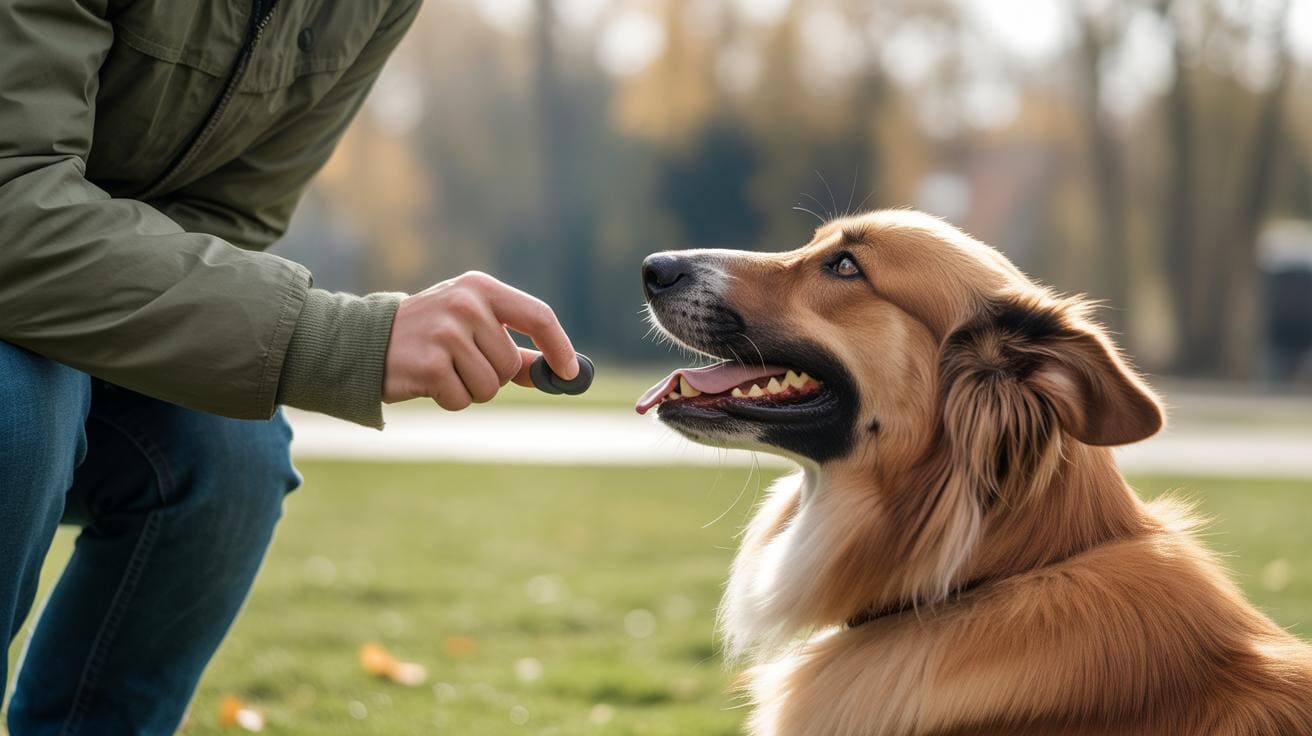
Keep sessions short, happy, and focused so your pet stays curious and ready. Start each training day with a quick clicker charge (10-20 click-treat pairings) so the click keeps meaning, "Good thing is coming."

  1. Gather what you need. A clicker (small handheld sound device), tiny soft treats (easy-to-chew pieces), a treat pouch (a small bag you can wear), and a quiet room work best. Less noise, more success.

  2. Charge the clicker. Click, then give a treat right away. Repeat 10-20 times so your pet learns the click predicts a reward. The click should feel like a promise.

  3. Pick one easy behavior to capture. Look for something your pet already does a lot, like a natural sit, a calm look, or stepping onto a mat (a small flat target). Start simple.

  4. Capture the behavior with precise timing. Click the instant the action meets your rule. Not before. Not after. Timing is everything.

  5. Treat fast and tiny. Give the treat immediately after the click so the link stays tight. Use very small pieces so your pet eats them in one bite and you can click again quickly.

  6. Add a verbal cue once it’s reliable. Say the cue word right before or as the action begins, then keep clicking the exact moment the action meets your rule. Consistency wins.

  7. Keep a steady routine. Do 2-4 short sessions per day, 5-15 minutes each, with a few hours between sessions. Stop while you’re both still enjoying it. Worth every paw-print.

  8. Move forward slowly. Tighten the rule a little, ask for a bit more hold time, or add mild distractions only when the behavior is steady. One small step at a time.

If your pet loses interest, repeats the wrong action, or freezes, pause and go back a step or give a quick clicker recharge. A drop in enthusiasm usually means treats were too slow, the task got too hard, or the click timing slipped. For timing drills, reviving a “dead” clicker, or knowing when to call a pro, see the Common clicker training mistakes and troubleshooting section for guided fixes.

how does clicker training work for pet owners
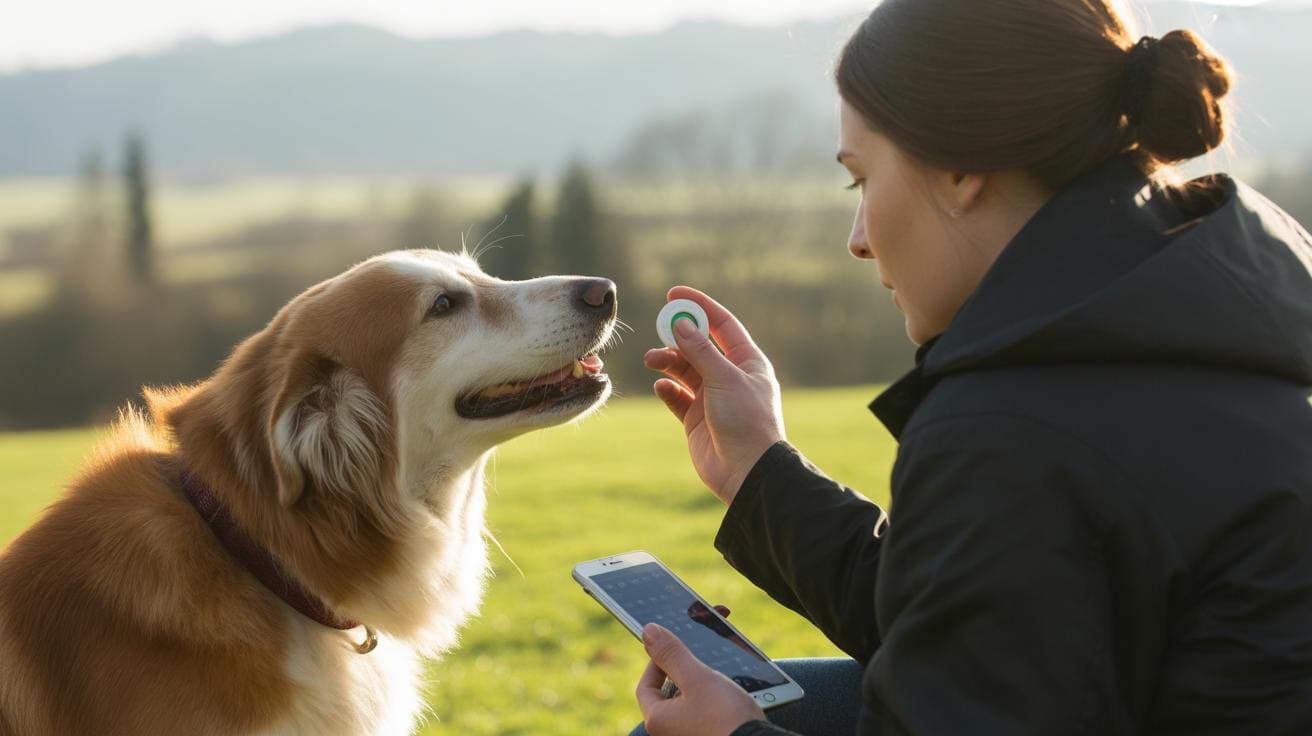
- Step-by-step beginner guide to clicker training (first sessions).jpg

Start with a marker. Use a commercial clicker (a small handheld device that makes a clear click) or a DIY marker like a tongue click ("tsk") or a firm pen snap ("snap"). The sound tells your cat exactly when they did the right thing. Quick and consistent beats long explanations every time.

Treats should be tiny and fast to eat. Think one-bite, smelly pieces so your cat doesn’t get distracted mid-chew. A pea-sized piece of cooked chicken works great. Keep the food high value – the kind your cat thinks is a little bit magical.

Keep your treats where you can grab them in one smooth motion. A treat pouch (a little hip bag for kibble or bits of meat) is perfect. Wear comfy clothes so you can bend and move without fuss. It helps you be quick and feel relaxed.

Have a toy ready as an alternate reward when play beats food. A feather wand (like a fishing rod for cats) can spark a two-second frenzy that’s worth the same as a treat sometimes. If your cat lights up for play, use that energy.

Set up a calm space. A quiet, uncluttered room with a small mat or target (a little square to aim for) keeps training tidy and clear. Remove obvious distractions. Your cat’s whiskers will tell you when they’re focused.

Match the reward to the behavior and the moment. Use tiny treats for repeats and save chunkier rewards for real milestones. For example, after five solid reps, celebrate with a chunk of tuna – big reward, big hooray. Match treats or toys to what your cat prefers so motivation stays high.

Practical tips: Keep the pouch at your hip for instant delivery and wear comfy clothes so you can move fast. If you lack a clicker, use a consistent tongue click or pen snap as your marker. And when food starts to lose its magic, swap in a favorite toy and let the chase be the reward.
Common clicker training mistakes and troubleshooting

for remediation steps.jpg

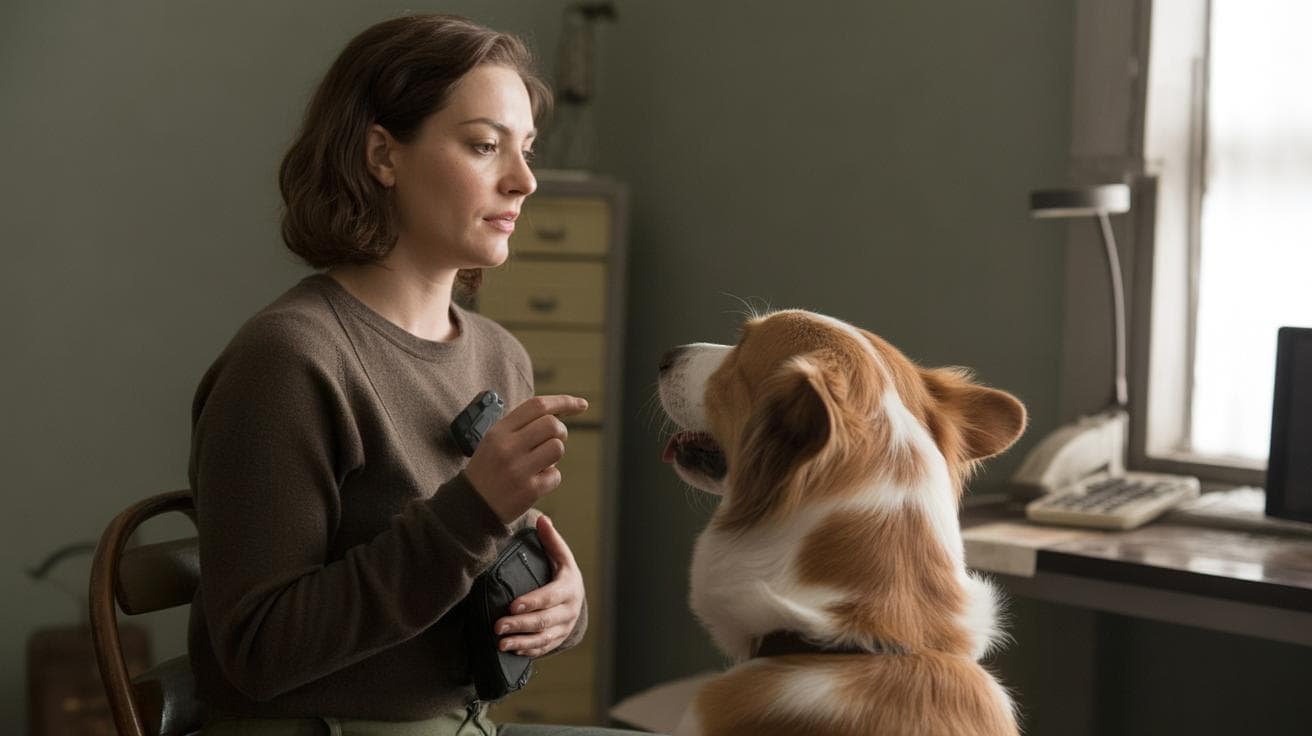
We removed this standalone section and folded the useful bits into the how-to steps so you don’t read the same fix three times. The idea was to put each troubleshooting tip right where you need it, clean, simple, and in-context.

Now, troubleshooting lives as a short subsection in the Step-by-step beginner guide. It lists common errors with one-line fixes so you can scan fast and get back to training. Common problems you’ll see: timing, inconsistent rewards, over-clicking, and pushing distractions too soon. Example: Timing: Click the instant the paw touches the mat, not after the step ends. (A clicker is a small handheld sound device used to mark the exact moment an animal did the wanted action.)

The “dead” clicker recovery advice is now part of the Step-by-step charge step and points to the 10–20 click-treat pairing suggestion. In plain terms: recharge by clicking and rewarding 10 to 20 times so your pet remembers the sound means “good.” (Click-treat pairing means you click, then immediately give a treat so the click becomes meaningful.)

Timing errors were folded into the Timing drills so you don’t get repeat instructions. We combined the 30–60 second practice reminder with the partner or video idea into one drill. Try this: practice 30 to 60 seconds while a friend films in slow motion (video played very slowly) so you can match your click to the exact frame. It’s awkward at first, but wow, it helps.

If your pet loses interest, that line was expanded into a quick triage: try bigger rewards, shorten sessions, or simplify the criteria so success happens faster. Signs you should stop and get professional help include freezing (sudden stillness), fear, or aggression. Don’t push it if your pet looks truly stressed.

We also cleaned up cross-references so tips don’t bounce you around the guide. Each troubleshooting point now appears once, clearly and where it applies. Nice and tidy. Worth every paw-print.

how does clicker training work for pet owners

- Equipment, treats, and setting up effective clicker sessions.jpg

Proofing is the step that makes a trick reliable when life gets messy. Practice the behavior in different rooms, near doorways, with people walking by, and then out at the park so the cue works beyond your quiet training corner. Raise the challenge slowly: ask for a little more focus, add a mild distraction, then reward when the pet meets the new standard (criterion means the exact behavior you want). As you increase difficulty, give fewer treats per repetition so success stays meaningful. And click right when the new criterion happens so the marker (the click sound that pins the exact moment) still points to the right action.

Fading rewards and changing reinforcement schedules decide how long a behavior sticks. Start with continuous reinforcement (click and treat every time) so your pet links the click to the reward fast. Then switch to predictable intermittent rewards (for example, every third or fourth correct response) before moving to variable ratio reinforcement (rewards after an unpredictable number of responses, like a slot-machine pattern). Variable ratio reinforcement keeps the behavior eager and strong. Toss in an occasional big reward or a favorite toy to rekindle motivation , the happy squeak or crunch really helps.

Puppies usually need shorter bursts and tinier treats; adult dogs can handle longer practice and slightly higher criteria. If you want to cut back on food rewards, swap in play or a high-value treat sometimes, but keep the click for timing. Marker methods work across species. For instance, play-based marker work with kittens pairs perfectly with toys , see how to train kittens with interactive teaser wands for a kitten-friendly routine.

I once watched Luna leap six feet for a tiny squeaky toy after just a few well-timed clicks. Worth every paw-print.

Stage Reinforcement Goal
Acquisition Continuous (click + treat every time) Learn
Transition Predictable intermittent (every 3rd or 4th) Generalize
Maintenance Variable ratio / occasional high-value (unpredictable rewards) Long-term reliability

how does clicker training work for pet owners

.jpg

Clicker training teaches pets to connect a quick sound with a reward. Think of the clicker as a tiny "yes" that tells your dog, cat, bird, or rabbit exactly when they did the right thing. It’s simple, clear, and a lot of fun to watch, your pet’s ears perk up the moment they get it.

Step-by-step guide

  1. Pick your marker. Use a clicker (a small handheld device that makes a sharp sound) or a clear verbal marker like "yes."
  2. Charge the click. Click, then give a treat right away so your pet links the sound with the reward. Some animals need more repetitions to link the click with a reward, and some prefer play or petting to food. Try different rewards to see what lights them up.
  3. Add the behavior. Once the click means "good," only click the exact behavior you want, then reward. Short sessions work best, three to five minutes a few times a day.
  4. Shape it slowly. Break tricky behaviors into tiny steps, reward each small win, and slowly ask for more. Patience pays off.
  5. Fade the treats. Gradually give treats less often but keep the click. Then reward with praise, play, or a petting session so the behavior sticks.

Quick tips

  • Timing matters. Click the instant the behavior happens, not after.
  • Keep rewards small and tasty, or quick and fun if your pet prefers play.
  • If your pet looks confused, go back a step and make the goal easier. Ever watched a kitty ignore a new trick until you made it tiny and obvious? That’s the trick.

Troubleshooting and safety
Applied behavior research (scientific studies of how animals learn) supports positive reinforcement (rewarding wanted behaviors). If your pet freezes, shows fear or aggression, or progress stalls, consult a qualified, force-free trainer (a professional who avoids punishment and uses rewards). Safety first, if anything feels scary for your pet, slow down and ask for help.

Worth every paw-print.

Final Words

Jumping straight into the action, we showed that the click is a marker, a conditioned reinforcer (a learned signal that predicts a reward) paired with positive reinforcement to mark the exact instant a desired behavior happens.

We covered the 1-second timing rule, a short beginner plan, gear and treats, common mistakes, and how to fade the clicker.

If you're asking how does clicker training work, think cue, click, treat, short sessions, and steady practice. Give it a try. Your cats will thank you and your home will be calmer.

FAQ

How does clicker training work?

Clicker training works by using the click as a marker — a conditioned reinforcer (a signal that predicts a reward) that pinpoints the exact moment of the desired action, e.g., cue “sit,” click, then treat.

What is the psychology behind clicker training?

The psychology behind clicker training is operant conditioning (reward strengthens behavior) plus classical conditioning (the click predicts reward), creating a precise link between an action and its outcome for faster learning.

Does clicker training for dogs and puppies really work?

Clicker training for dogs and puppies really works when the click is charged and timing is precise; it improves communication, speeds learning, and fits well into short, frequent practice sessions.

How long does it take to clicker train?

How long it takes to clicker train depends on behavior complexity and consistency; simple actions can be reliable in minutes to days, while complex skills often need weeks of short, regular practice.

What are the disadvantages of clicker training?

The disadvantages of clicker training include poor timing, inconsistent rewards, overclicking, and slower progress for some animals; it asks for practice, patience, and occasional re-charging if the click loses value.

How do beginners start clicker training?

Beginners start by charging the clicker (about 10–20 click→treat pairings), then run short sessions (5–15 minutes) two to four times daily: capture an easy behavior, click the instant, and reward immediately.

Can clicker training stop bad behavior?

Clicker training can reduce unwanted actions by reinforcing an alternative behavior; mark and reward the replacement, manage triggers, and skip punishment so the animal learns what you want instead.

How do you clicker train a person or yourself?

Clicker training a person or yourself uses the same marker-plus-reward idea: mark the exact desired action, follow with an agreed reward, get consent, and pick reinforcers the person truly values.

Author

  • Isabella Tiu

    Isabella Tiu is a transcriptionist from Calhoun, Florida, known for her sharp attention to detail and her commitment to providing accurate and efficient transcription services. With a passion for language and communication, she thrives on transforming spoken words into clear, readable content for her clients.

    When she's not working, Isabella enjoys hiking and camping, finding peace and inspiration in the beauty of the outdoors. She often says, “The best lessons are often learned in nature,” a philosophy she embraces both in her work and personal life.

    Isabella’s love for both her craft and the natural world reflects her belief in continuous learning and exploration.

    View all posts

Similar Posts