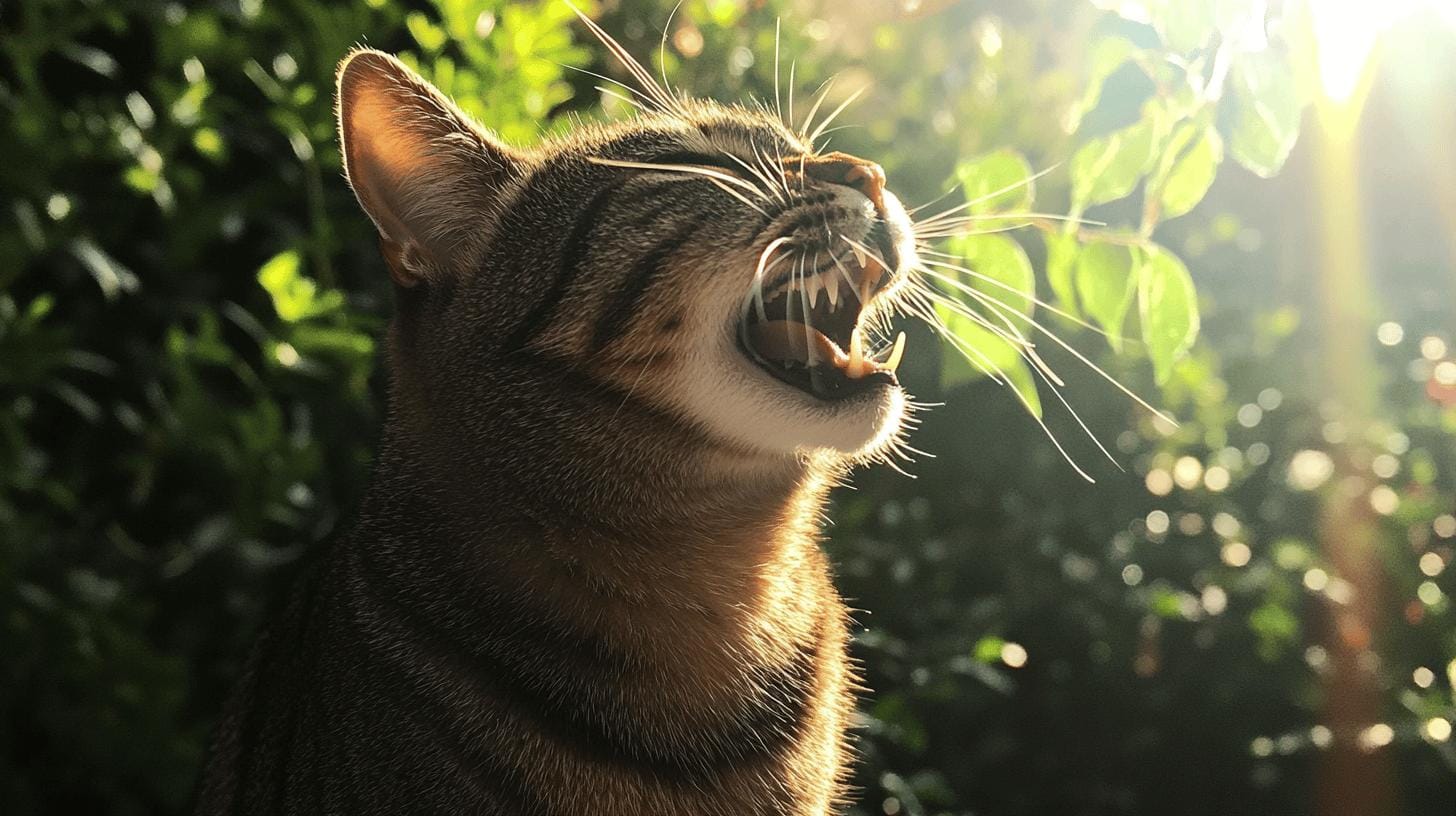
Ever wonder why your cat hisses like it's auditioning for a horror movie? Hissing isn't just about making scary sounds; it's a feline distress signal. Our cats might feel threatened, overwhelmed, or anxious, much like how we react when stressed.
Tackling this issue means improving your cat's comfort and harmony in your home. Let's explore practical ways to help your cat relax and stop hissing. Creating a calm environment benefits both you and your furry friend. Together, we can boost playtime fun and ensure safe, happy times with your kitty.
Understanding and Preventing Cat Hissing
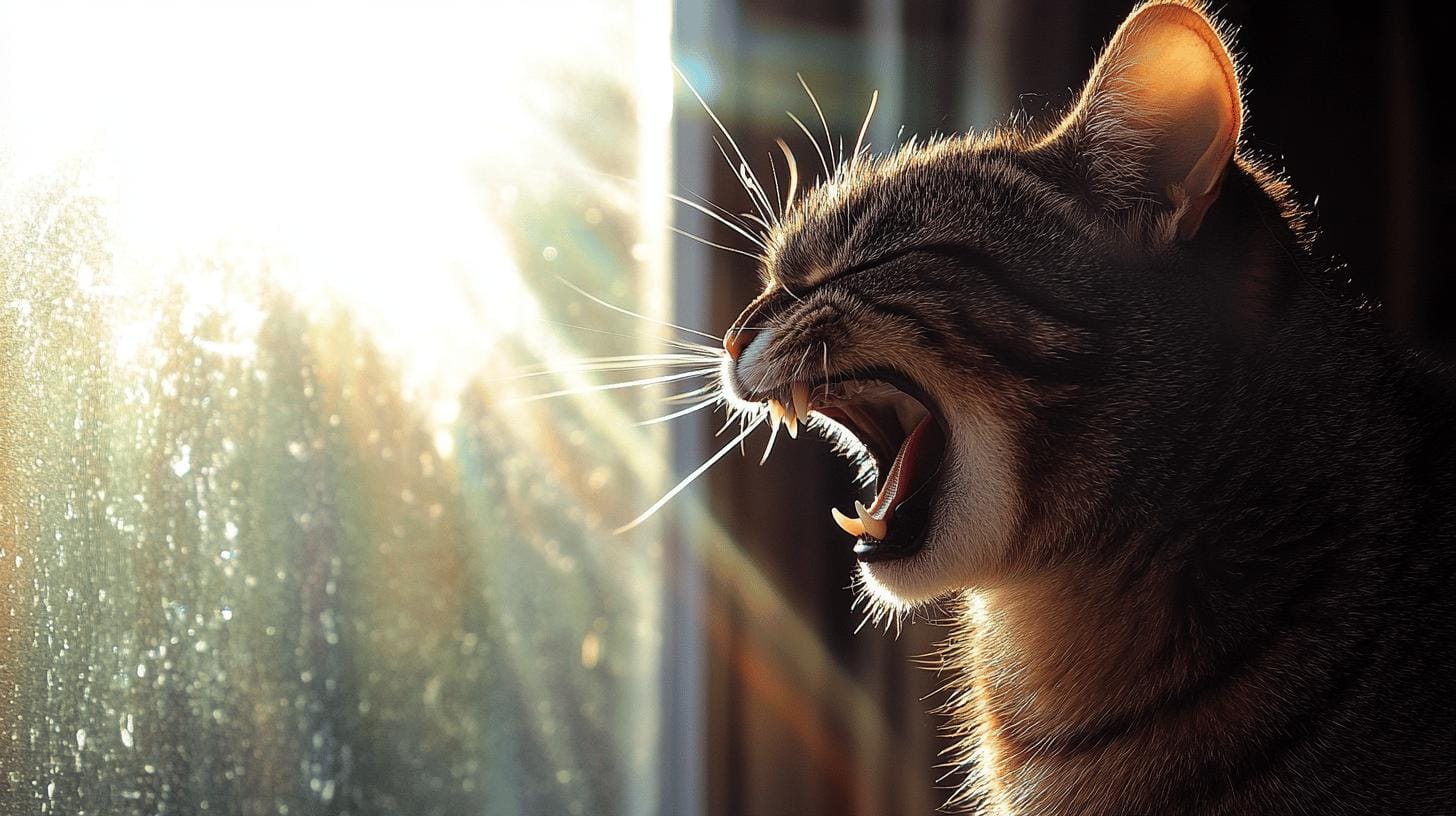
Cats hiss as a way to communicate fear or stress. This defensive mechanism often comes into play when they feel a lack of control or face sudden changes. When a cat hisses, it's not just about making noise; it's an expression of their feelings. They might hiss if they are put in new situations or if they encounter unfamiliar people or animals.
Some cats also hiss when they are overstimulated during play or petting. This is often paired with swatting or nipping. Just like us, cats might react with a hiss when startled, similar to a sudden yelp from a human. Understanding these instances helps us see hissing as a natural part of how cats communicate discomfort or fear.
- Overstimulation from petting or play
- Fear of unfamiliar humans or animals
- Sudden loud noises or movements
- Pain or physical discomfort
- Environmental changes or new family members
| Trigger | Prevention Strategy |
|---|---|
| Overstimulation | Limit petting sessions and watch for signs of discomfort |
| Unfamiliarity | Introduce new people or pets gradually |
| Environmental Changes | Maintain a consistent routine and safe space for the cat |
Recognizing feline body language is key to preventing hissing. By noticing signs like dilated pupils or an arched back, you can intervene before hissing starts. Implementing preventive measures not only reduces stress for your cat but also fosters a more peaceful environment for everyone involved.
Techniques to Train a Cat to Stop Hissing

Training your cat to stop hissing can improve their comfort and your peace at home. It's not just about stopping the noise; it's about understanding and addressing the reasons behind it. Consistent training helps your cat feel safer and more secure, reducing the chances of hissing.
Mimic and Redirect
One effective method is to mimic your cat's communication. When you hear a hiss, try making a similar 'FFFF' sound. This mimics their way of saying "stop" or "back off." It helps your cat understand that their behavior is not okay.
Once you've done this, redirect their attention to something positive, like a toy or treat. This teaches them that there are better ways to interact and express themselves. The earlier you start this technique, the quicker your cat will learn.
Desensitization and Counterconditioning
Desensitization involves gradually introducing your cat to the triggers that make them hiss. For example, if they hiss at other pets, start by allowing them to observe each other from a distance. Over time, decrease the distance as your cat becomes more comfortable.
Counterconditioning pairs these experiences with positive rewards, like treats or petting. This makes the trigger less threatening and more associated with good things. Patience is key here, as it can take time for your cat to adjust.
Consistent training helps your cat learn new behaviors and reduces their need to hiss. By using these techniques, you create a more harmonious environment for you and your feline friend.