Do you find your cat being more like a tiny tiger, showing aggression at unexpected times? Training a cat to be gentle and friendly can seem like a big task, but it's totally doable with the right approach.
Cats can be aggressive for many reasons, from playtime excitement to feeling threatened. Knowing why they act out is the first step. By using calm techniques and understanding their signals, you can teach your furry friend to be both gentle and social, turning those claws into purrs!
Understanding Aggression in Cats
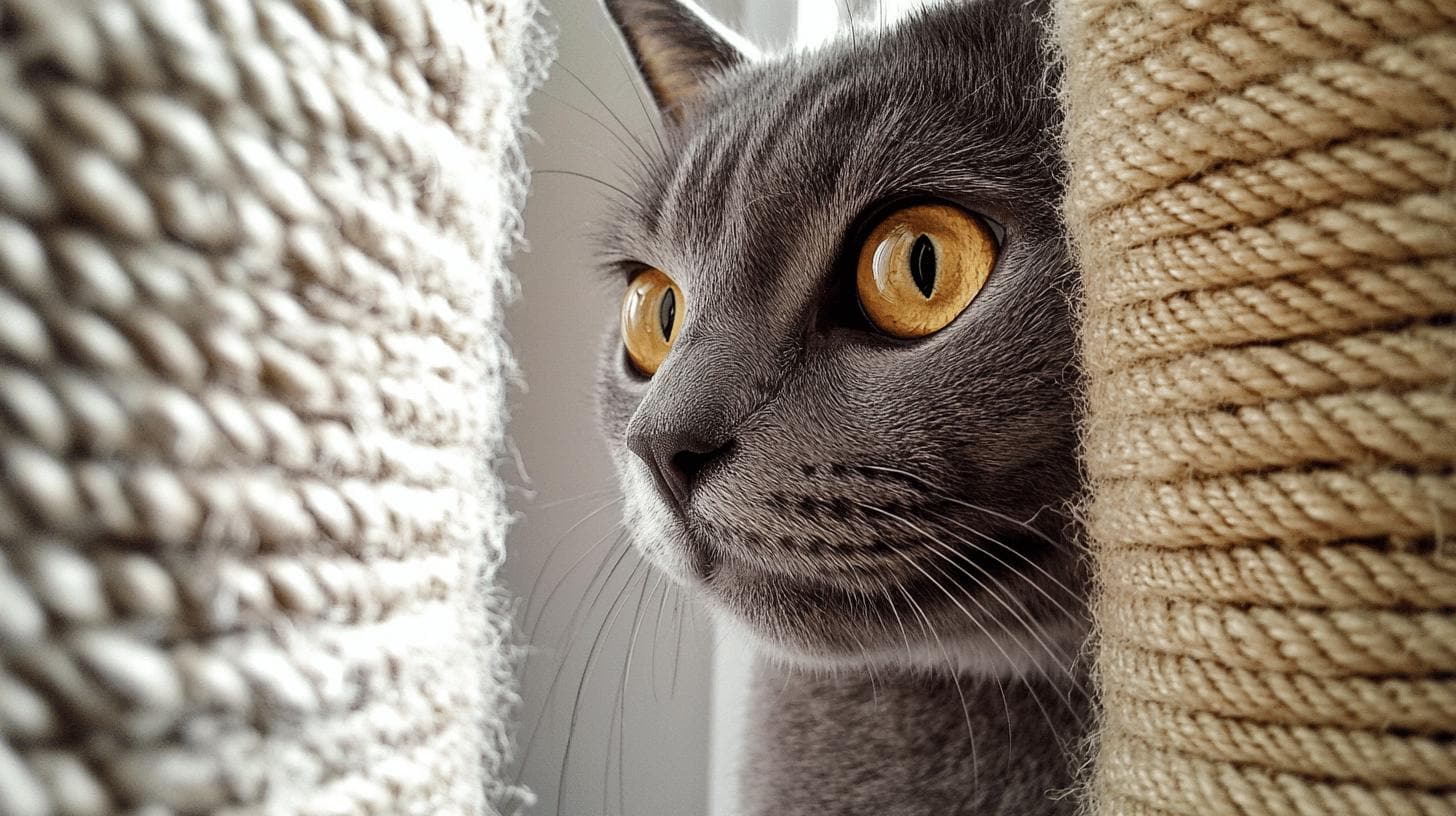
Cats can show aggression for different reasons. Play aggression is common in kittens and young cats. This behavior comes from their natural hunting instincts. They might pounce, bite, or scratch while playing. Overstimulation happens when cats get too excited during petting or play. They might suddenly become aggressive, showing signs like tail twitching or ears pulling back.
Fear-based aggression is another type. Cats might lash out if they feel scared or threatened. This is common in newly adopted cats adjusting to their surroundings. Territorial aggression happens when a cat feels its space is invaded. This can occur when introducing a new pet into the home. Cats want to protect their territory and might become aggressive if they feel it's being threatened.
Here are some common causes of aggression in cats:
- Play aggression: Stemming from natural hunting instincts.
- Overstimulation: Caused by too much excitement or petting.
- Fear: Triggered by unfamiliar surroundings or situations.
- Territorial behavior: Protecting their space from perceived threats.
- Boredom: Lack of mental or physical stimulation.
Understanding cat body language is crucial in managing aggression. Cats communicate through their tails, ears, and eyes. For example, a flicking tail can signal irritation, while dilated pupils might indicate fear or excitement.
Recognizing these signs helps manage and prevent aggressive episodes. Identifying what triggers a cat's aggression, like loud noises or other pets, allows for better handling and training.
Training Techniques to Reduce Cat Aggression
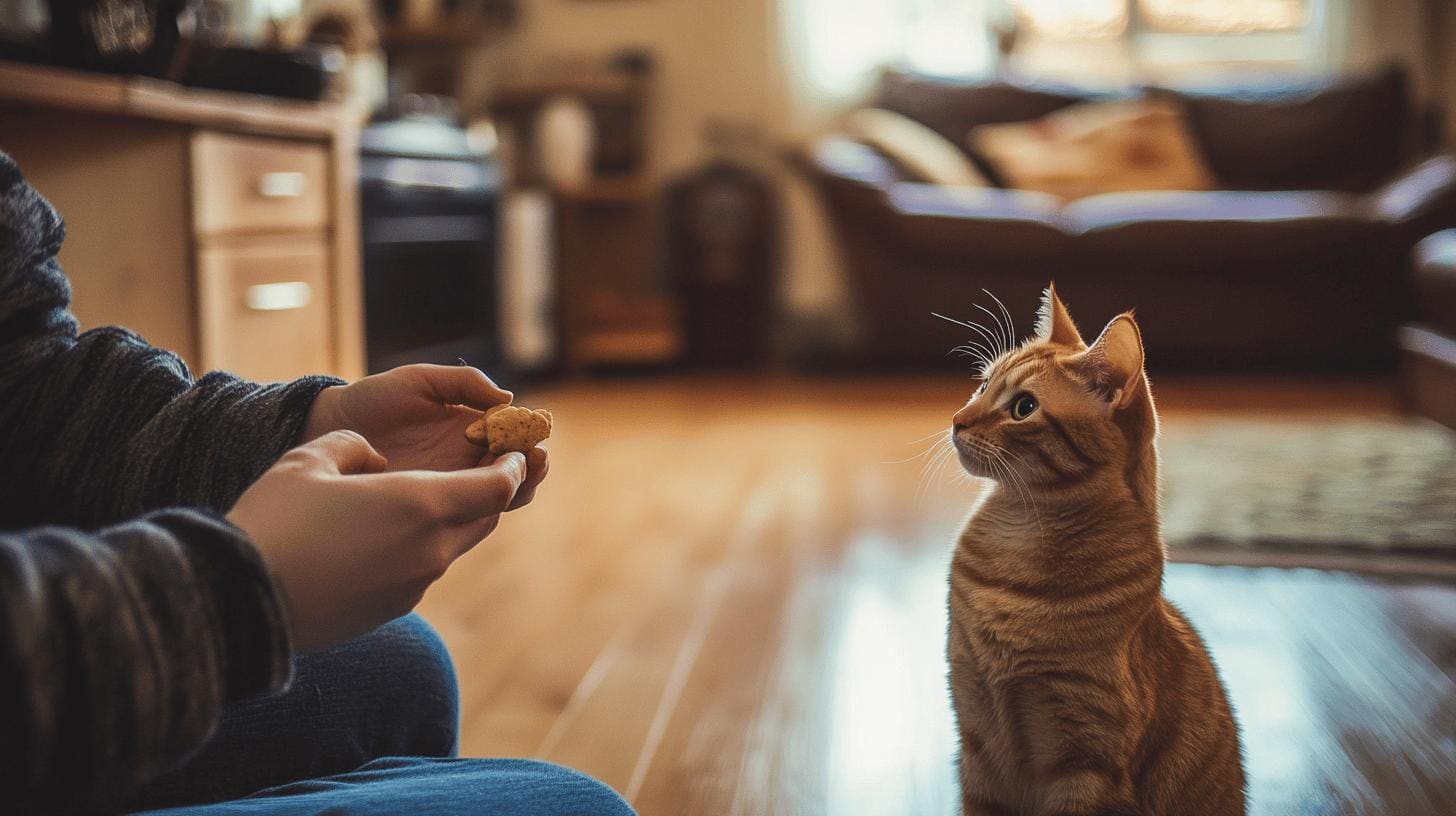
Training a cat to be less aggressive involves patience and the right approach. Positive reinforcement and desensitization are key techniques. These methods focus on encouraging good behavior and reducing fear-based responses. It's better to reward your cat for behaving well rather than punishing them for being aggressive.
Positive Reinforcement
Positive reinforcement means rewarding your cat for calm and gentle behavior. Use treats, praise, or petting when your cat acts friendly. This helps them associate good behavior with positive outcomes. Always be consistent with your rewards. If your cat plays nicely, immediately give them a treat or attention. This quick response helps them understand which behaviors are desired.
Desensitization
Desensitization involves gradually exposing your cat to things they fear. Start with short sessions at a distance where your cat feels safe. For instance, if your cat is scared of the vacuum, turn it on in another room while they enjoy a treat. Slowly decrease the distance over time. This helps the cat become less fearful and more comfortable with the situation.
| Technique | Purpose | Expected Outcome |
|---|---|---|
| Positive Reinforcement | Encourage calm behavior | Reduced aggression, increased friendliness |
| Desensitization | Reduce fear responses | Less fear-based aggression |
By using these techniques, you help your cat feel more secure and relaxed. This reduces their need to act out aggressively.
Creating a Safe and Calming Environment
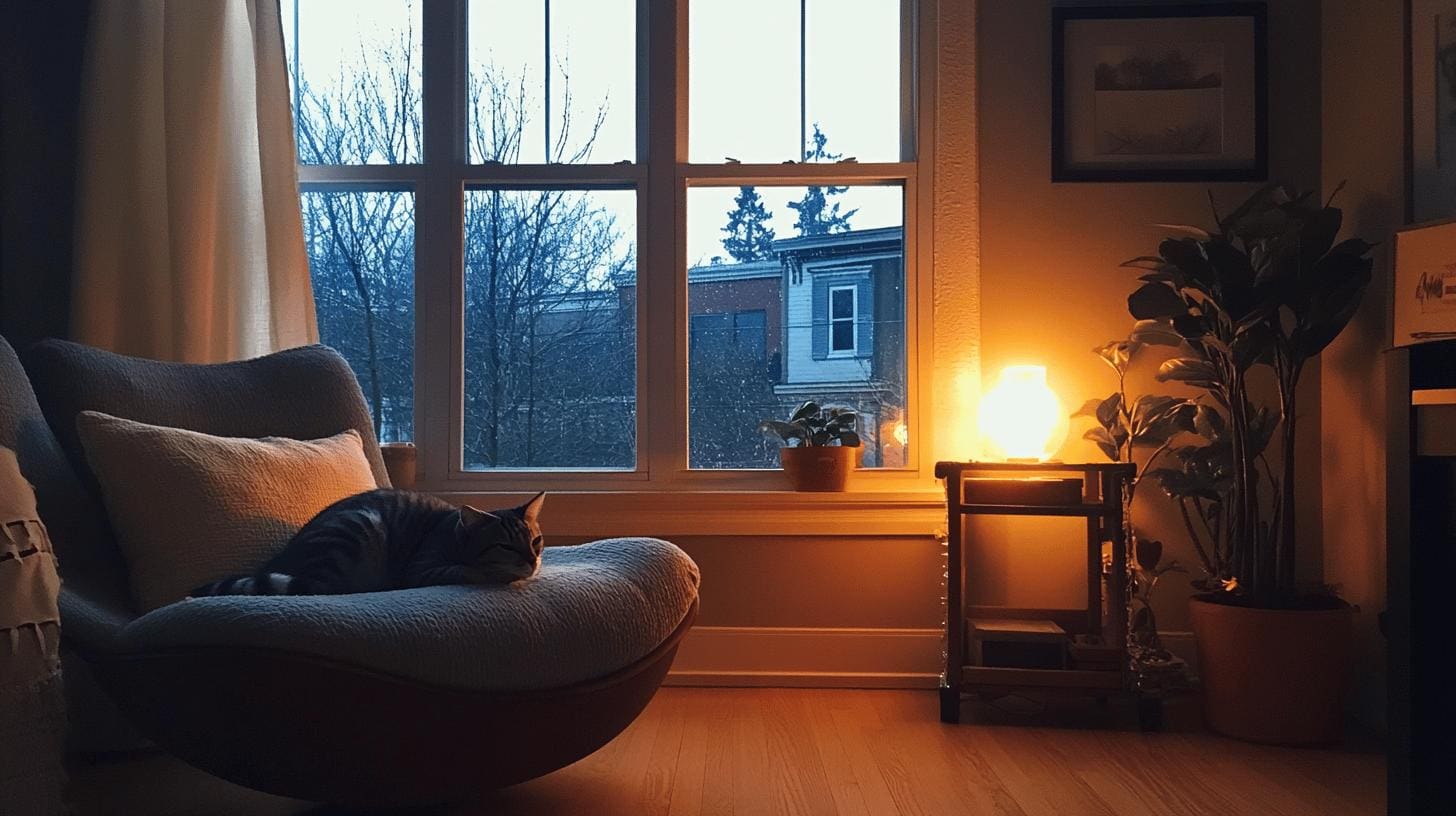
A stress-free environment is crucial for reducing aggression in cats. When cats feel safe, they're less likely to act out. Start by designating a quiet area in your home where your cat can retreat. This space should have their favorite bed or blanket.
It's their personal hideaway to feel secure. Avoid loud noises or sudden changes in this safe area. Keeping a consistent routine also helps reduce stress. Feeding and playtimes should be regular to provide predictability.
Here are some ideas for enriching your cat's environment:
- Interactive toys: Use toys that challenge your cat mentally and physically.
- Scratching posts: Provide different textures for scratching to fulfill natural instincts.
- Perching spots: Cats love high places; give them shelves or cat trees to climb.
- Puzzle feeders: These make mealtime engaging and stimulate your cat's mind.
- Window perches: Watching birds and the outside world can keep cats entertained.
- Safe retreats: Create cozy spots in various rooms for your cat to relax.
Stress reduction techniques like calming music and pheromone products can also be beneficial. Playing soft music can soothe your cat, especially during stressful events like thunderstorms. Pheromone diffusers release natural chemicals that mimic the ones cats produce when they're calm. These techniques help maintain a peaceful environment, making your cat feel more at ease.