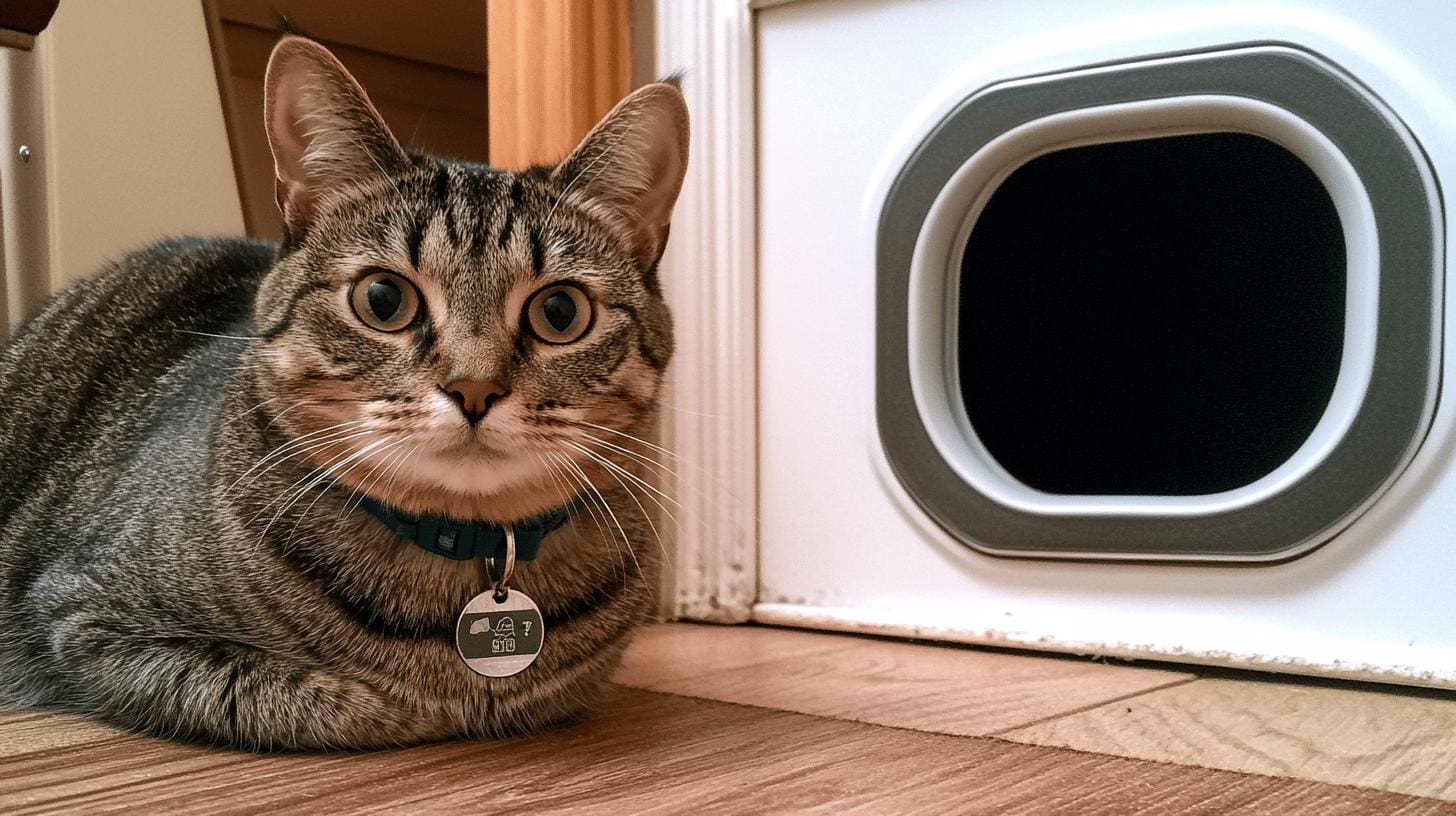
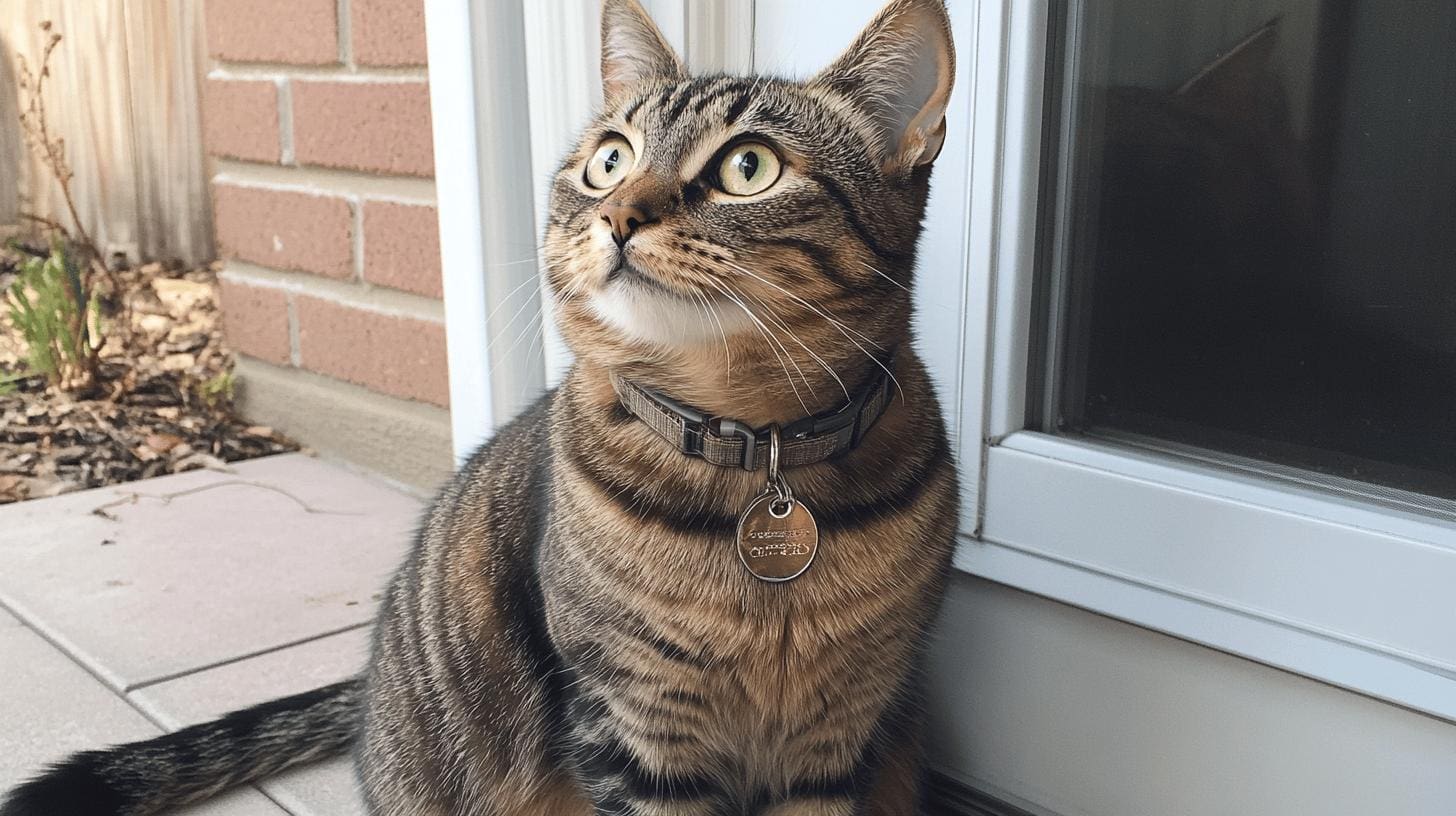
Ever wondered if cats can be trained to come back home just like dogs? Spoiler alert: they can! Training your cat to swiftly return home is possible, and it's just as vital for their safety as it is for your peace of mind evening routine. In our latest post, learn how recall training can help keep your curious feline within safe boundaries.
Through familiar sounds and scents, combined with positive reinforcement, you'll confidently teach your cat to heed your call — a reassuring skill for both of you. Ready to make your cat recall-ready? Let’s dive in!
Effective Recall Training Techniques for Cats
- Choose a specific recall word or sound.
- Use treats and scents for reinforcement.
- Practice with familiar sounds and positive experiences.
Training your cat to come back home can be a game-changer for both safety and peace of mind. Recall training, while traditionally associated with dogs, is just as beneficial for cats. It involves teaching your cat to respond to a specific command or sound, which can be crucial if they ever wander too far.
Cats are naturally curious and may explore beyond their usual boundaries. By training them to return on command, you ensure they remain within safe limits, reducing the risk of getting lost or injured.
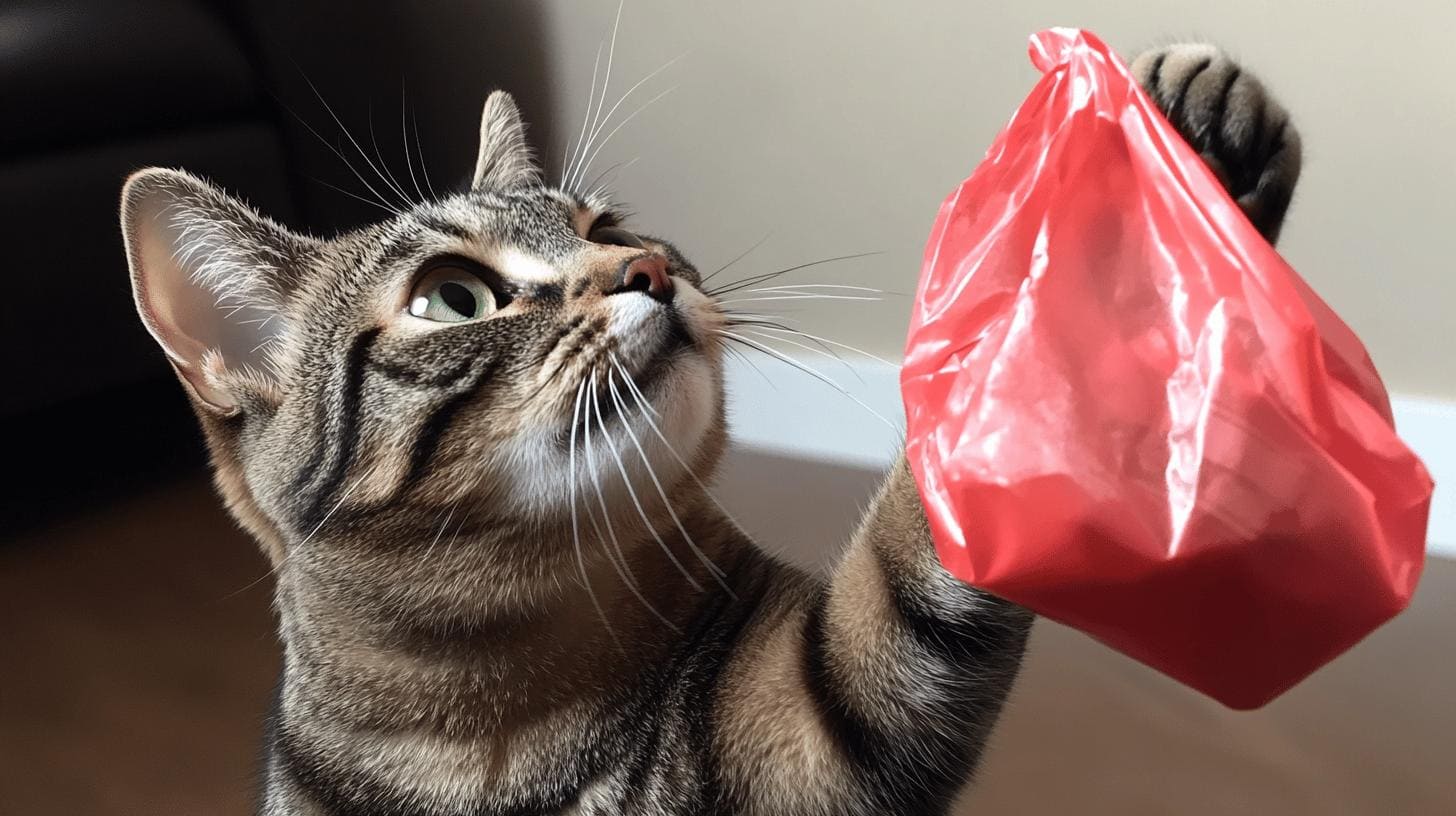
Using familiar sounds and scents can enhance recall training. Many cats already associate the sound of a treat bag crinkling or a can lid popping with positive experiences. Leverage these associations by incorporating them into your training sessions.
Pairing these sounds with a specific word creates a strong recall command. Cats have a powerful sense of smell, so using scent trails can also guide them back home. This method taps into their instincts, making training more effective and engaging.
Positive reinforcement is key to successful recall training. When your cat returns on command, reward them with their favorite treat, toy, or affection. This approach makes them more likely to repeat the behavior. Positive reinforcement works because it aligns with a cat's natural motivations, such as food and play.
By keeping training sessions short, ideally under five minutes, you maintain their interest and prevent them from becoming overwhelmed. Regular, enjoyable sessions will strengthen their response to recall commands.
-
Choose a specific recall word or sound.
-
Reinforce the word with treats and scents.
-
Practice in short sessions with familiar sounds.
-
Gradually increase distractions while maintaining incentives.
-
Reinforce the behavior with positive experiences and rewards like treats, toys, and affection.
Understanding Cat Behavior and Instincts
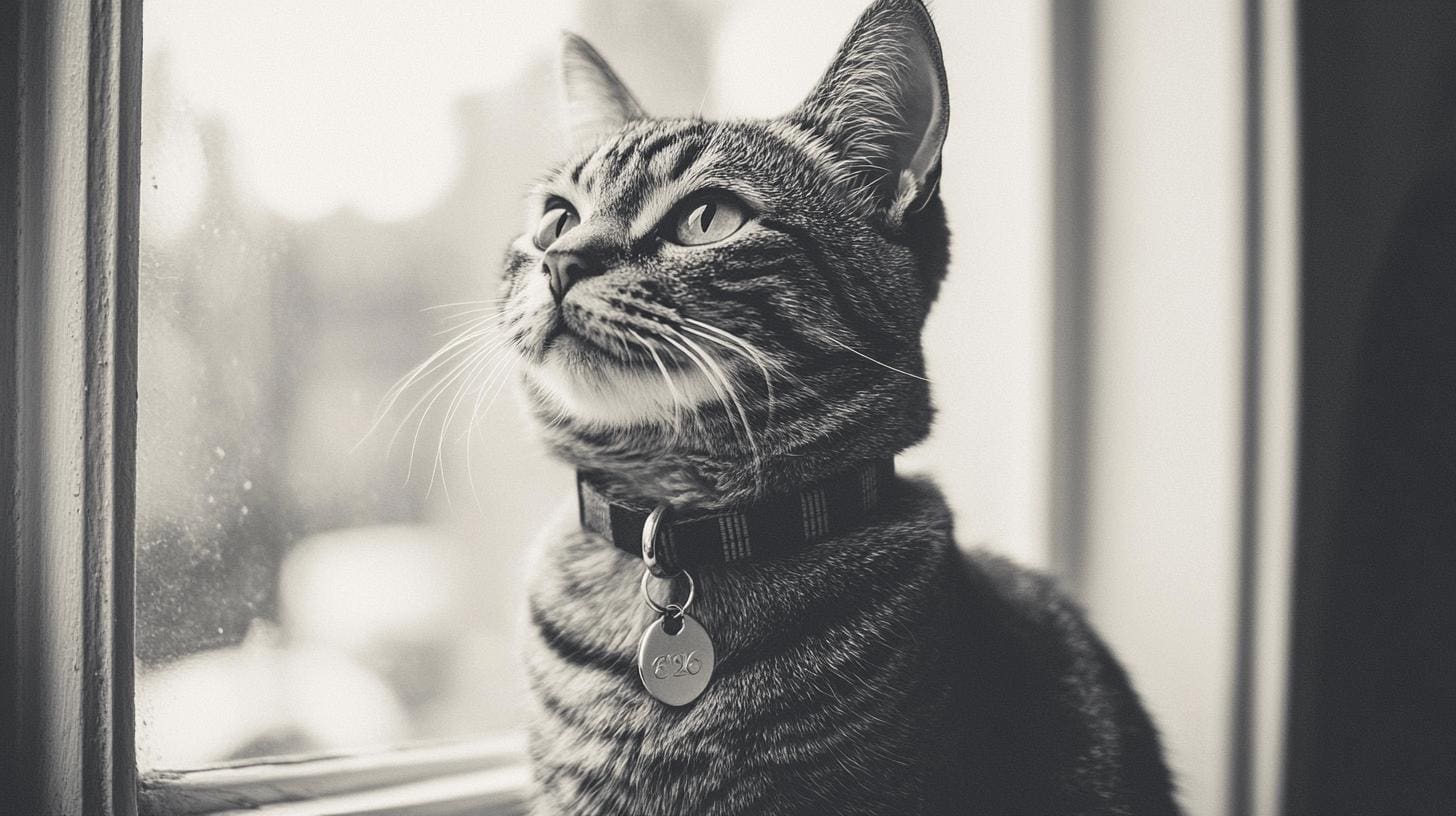
Cats are natural explorers. They roam due to curiosity and hunting instincts. Recognizing these instincts helps us train them to return home.
Create a stimulating environment. Use sounds and scents they love. A crinkling treat bag can be effective. These familiar cues encourage them to come back.
Manage roaming by supervising outdoor time. Start with short trips. Reward them when they return home. This reinforces their recall behavior.