Ever wonder why some kittens breeze through potty training while others throw a tiny bathroom riot? I mean, I guess cats like to keep us guessing. Ever watched your kitty circle the box like it’s auditioning for a feline dance-off?
In this quick guide, I’ll show you how to set up a litter box station that feels totally cat-approved, cozy, private, and just their size. Next, we’ll talk perfect timing, tasty treats, and the cute cues your fluff ball gives when it’s ready to go.
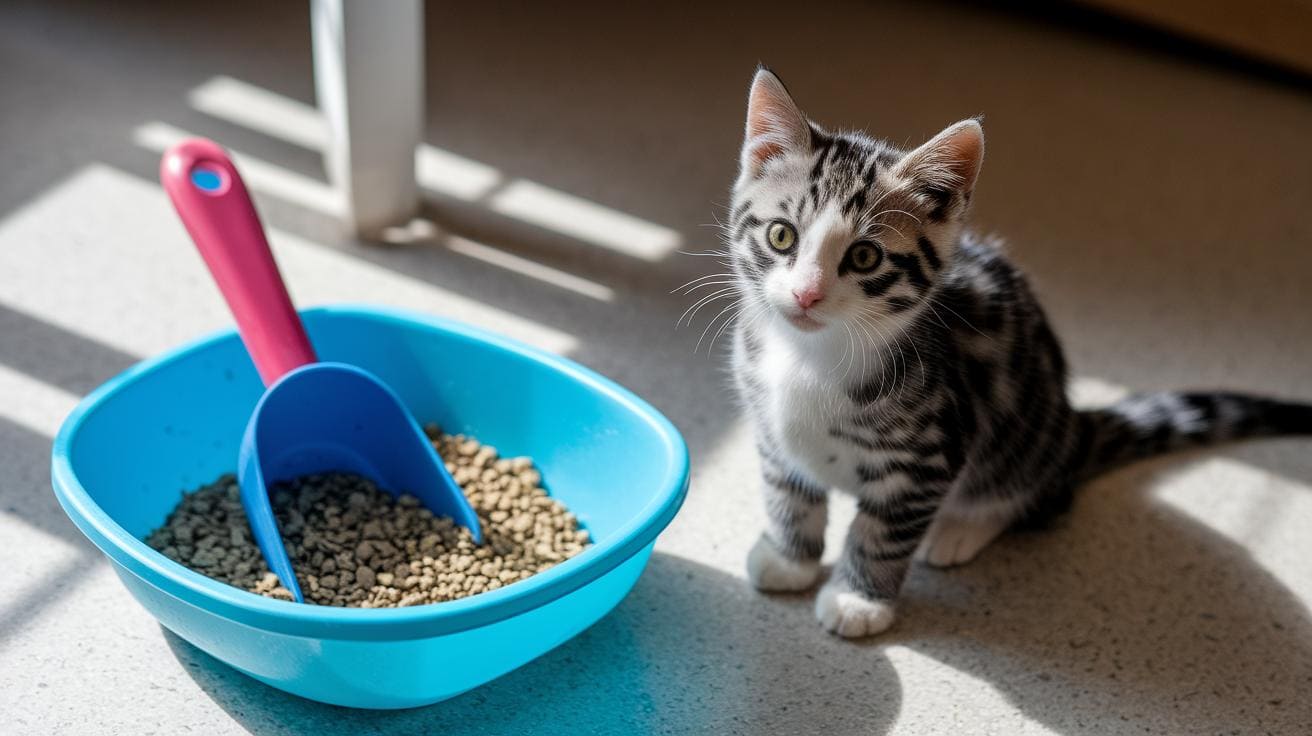
Start with the right litter box (a shallow tray filled with soft granules). It’s purr-fect for tiny paws and makes scooping a breeze. Sprinkle in a few crunchy treats whenever they get it right, positive vibes only!
You’ll learn to spot those “must-go” tail twitches and little nose sniffs. Step by step, you’ll guide your fluff ball through each sandbox session. It’s kind of like training a mini ninja, only way more adorable.
Soon enough, your kitten will own its litter duties. Seriously. No more bathroom surprises. Just sweet, scratch-free success for both you and your new little explorer.
Step-by-Step Litter Training for Your Kitten
-
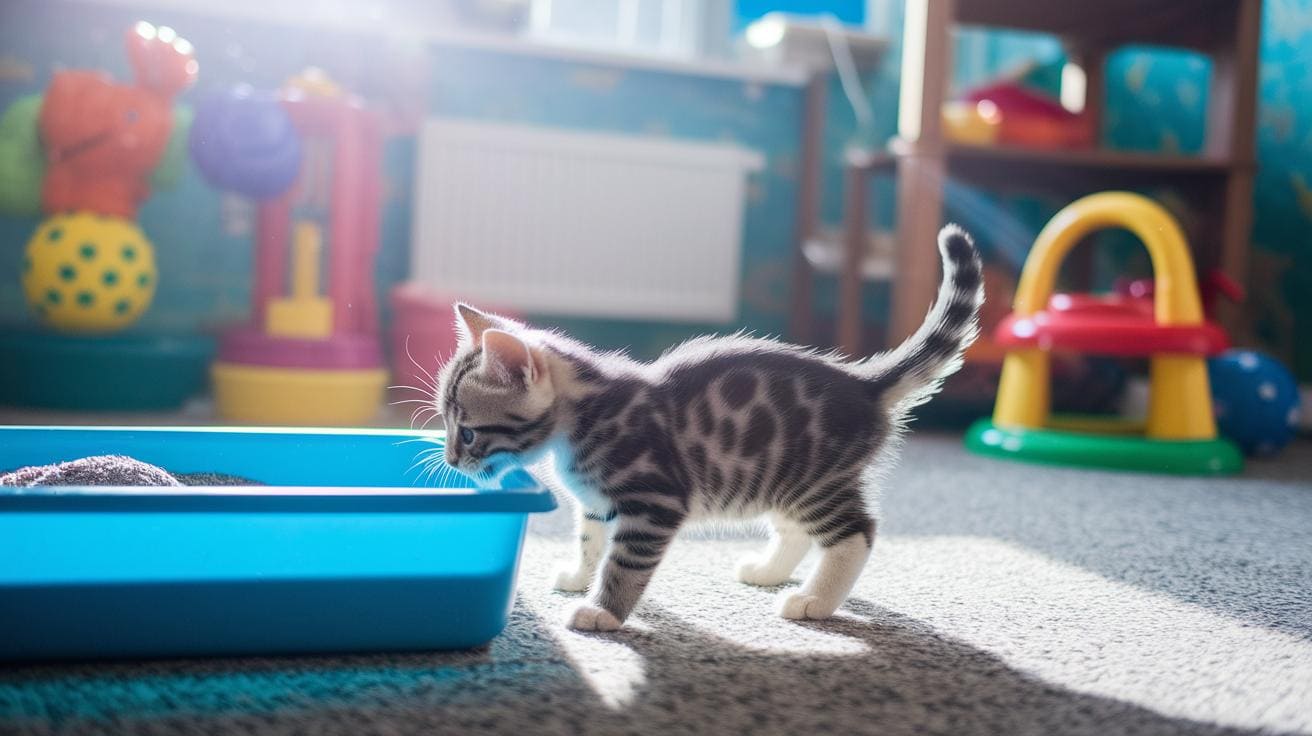
Set up a dedicated kitten room when your little floof is about 8 to 12 weeks old. That’s the prime age to start teaching them good habits. Toss in a bowl of kibble (dry cat food), fresh water, soft bedding, and a low-sided litter box (a shallow tray you fill with sand-like material) so they can hop right in.
-
Pick a litter box with low sides and an open top so they feel safe. Fill it with 1 to 2 inches of unscented sand-like litter (fine grains that feel like a soft beach). The texture helps them scratch and cover their business just like in nature. It’s like a mini sandbox for your kitty’s paws!
-
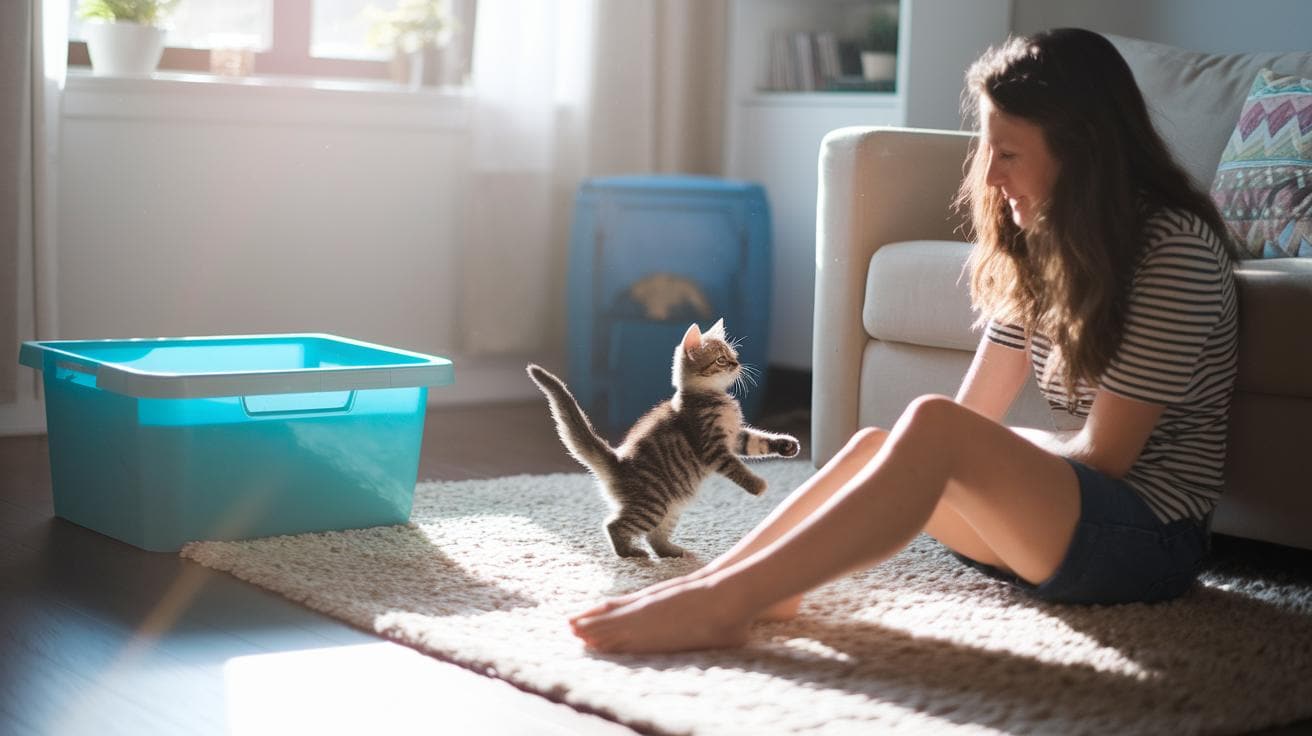
Right after meals and naps, gently place your kitten in the box during these natural “gotta go” moments. You’ll notice whiskers twitching as they sniff and dig. Sit nearby and let them explore. Pure cuteness.
-
Keep an eye out for circling, sniffing, or pawing at the floor. That’s your cue to scoop them up and set them in the box. Use a calm voice to guide them. They’re smart and will link the signals soon enough.
-
When they get it right, whisper a soft “good job” or offer a tiny treat. Positive feedback works wonders. Think of it as giving them a high-five for being a good kitty!
-
Jot down their progress over a few days. If accidents happen, try moving the box closer or tweaking the litter texture. Before you know it, your kitten will be litter-trained and ready for big-cat adventures.
Choosing the Best Litter and Box Setup for Kittens
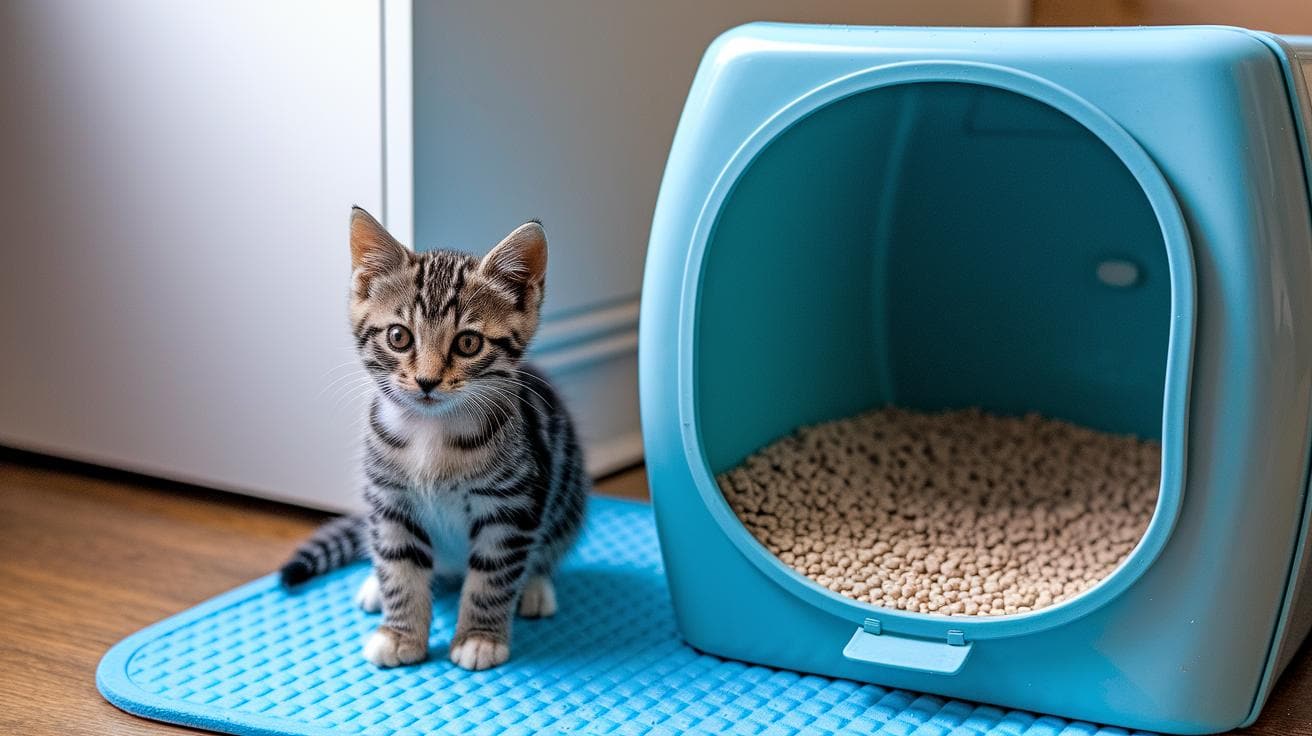
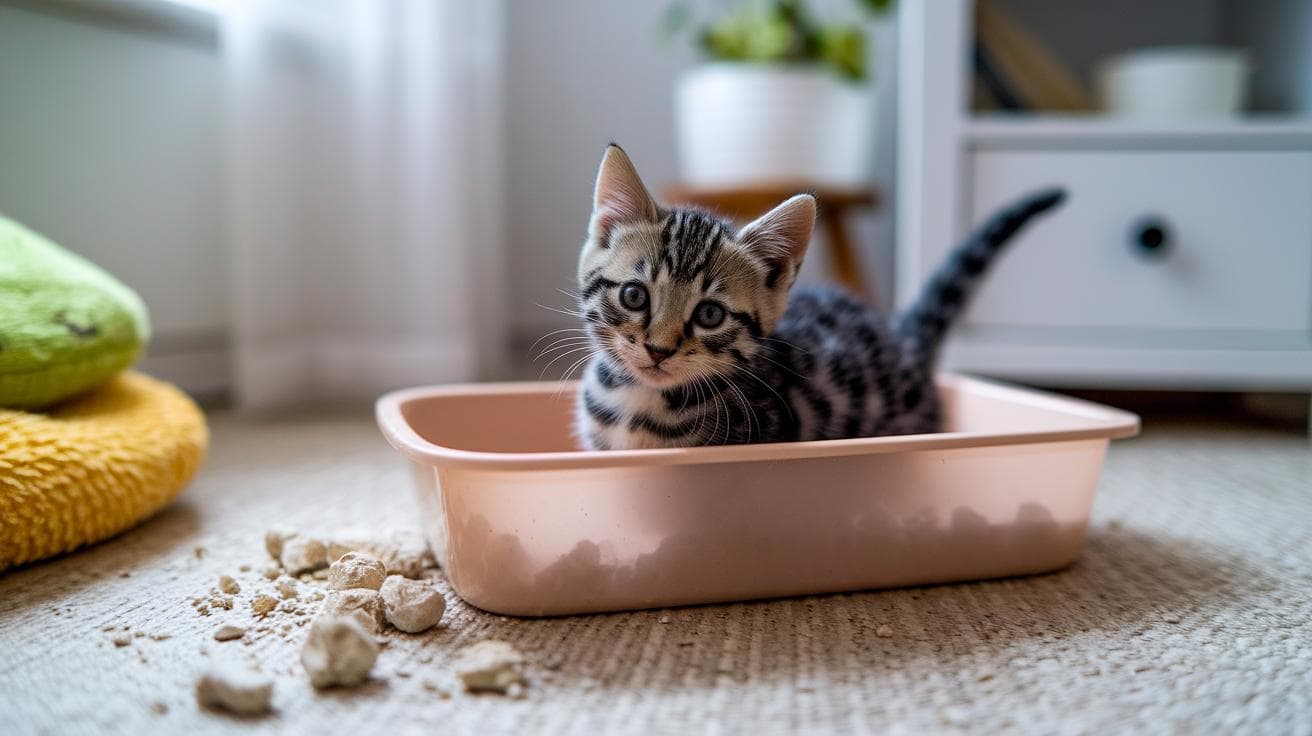
Pick a litter box that’s roomy enough for your kitten to spin, stretch, and squat with no trouble. I like ones with a low side, so she can hop in without help. Adult-size trays with a little ramp (gentle slope) work great and avoid ouchies when they’re learning to climb in. Ever watched a kitten try to climb a tall wall? Yeah, not fun.
Next, let’s talk litter (granular material that soaks up moisture). Unscented, low-dust, non-clumping litter (no solid clumps) feels soft, like beach sand, and keeps those tiny sneezes away. For plant-based clumping litter (forms solid clumps), try tofu (bean curd) or corn. They clump nicely but won’t stick to whiskers or wander into little mouths.
Fill the box with 1 to 4 inches of litter (about 2.5 to 10 cm) and let your kitten decide. Some dig deep; others like a thin cover. Um, you can set out two trays at different depths, watch who picks which in seconds. That’s a fun way to learn her favorite.
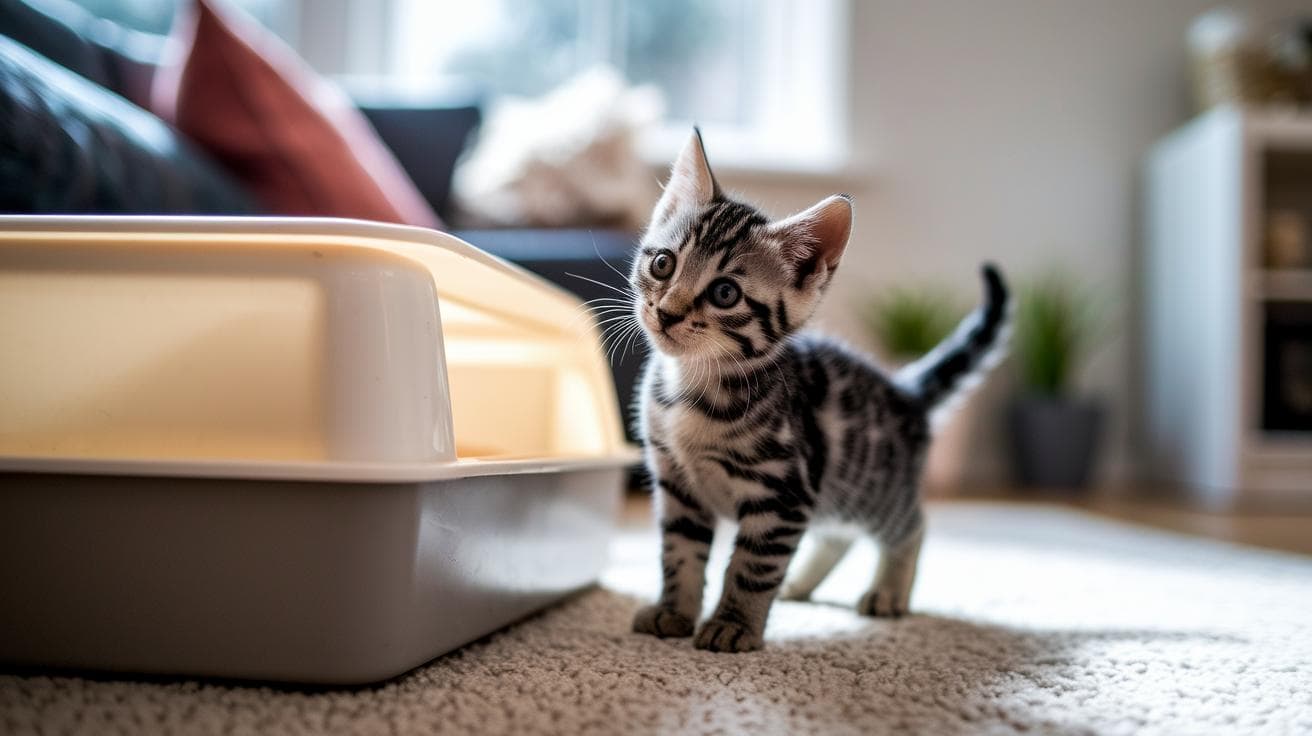
Before eight weeks, skip covered boxes. Open trays or even a shallow cardboard box let kittens see all the exits and feel safe. Tuck the setup in a quiet corner with clear sightlines. Oh, and slide a puppy pad underneath to catch any spills.
| Litter Type | Pros | Cons | Recommended Age |
|---|---|---|---|
| Non-clumping sand-like | Soft texture, low dust | Needs full replacement often | 3+ weeks |
| Tofu-based clumping | Plant-based, easy scooping | Higher cost | 8+ weeks |
| Corn-based clumping | Natural, biodegradable | May attract pests | 8+ weeks |
| Paper pellet | Dust-free, gentle on paws | Doesn’t mimic digging well | All ages |
Recognizing Elimination Cues When Litter Training a Kitten
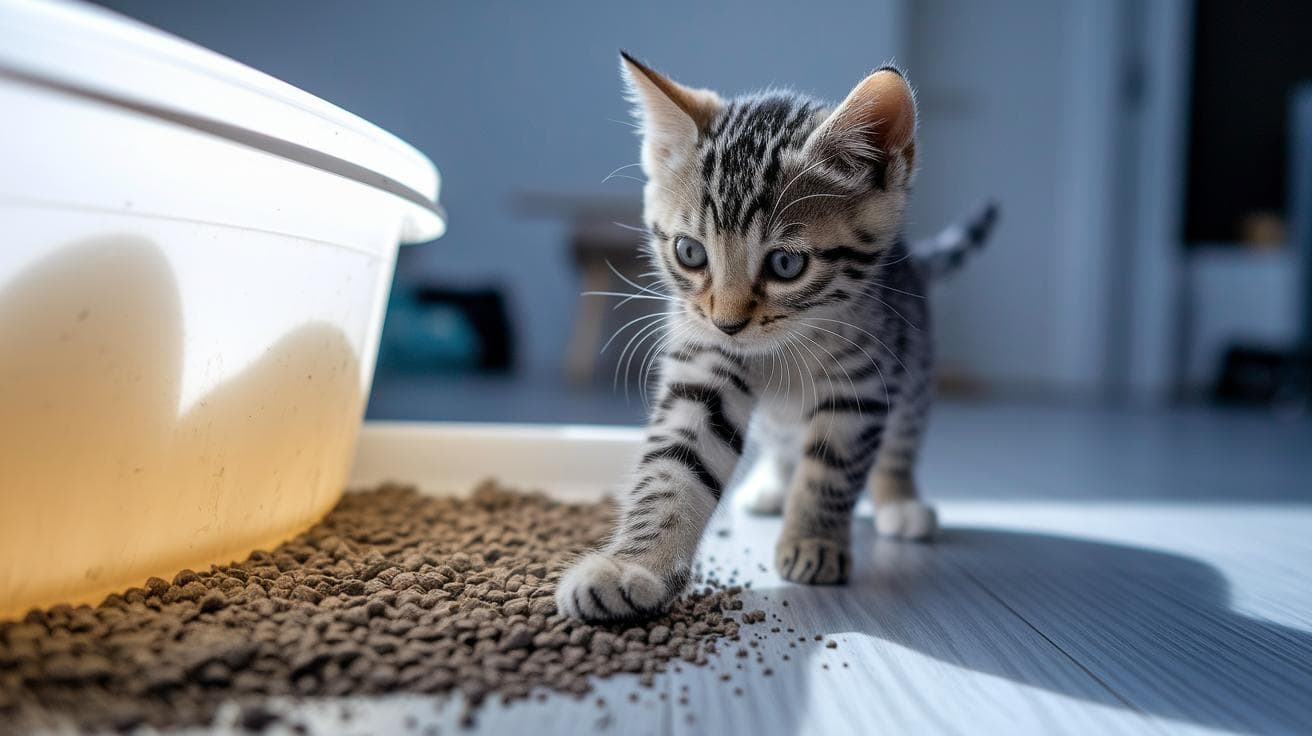
Hey there, cat fan, ready to catch those little hints your kitten gives before they go potty? Spotting these signals means fewer oops moments on the carpet and more “good job” treats for your furball.
First, watch for sniffing (nose low, all over the floor), circling (tiny pirouettes), and scratching motions (digging with front paws). These are your kitten’s way of saying, “Excuse me, I need the bathroom.” Ever seen your kitty do a little wiggle before going? That’s a big clue.
Next, pay attention to body language. A raised tail with a slight quiver, or a sudden break in play, often means business. Your kitten might even freeze in place, blink at you, then hop toward the litter box (fine clay beads that soak up mess).
Timing helps, too. Right after eating or waking up is prime potty time, think of it like morning coffee for humans. So gently guide your kitten to the box when they stretch and yawn.
When you see a cue, scoop them up and place them in the litter box. Praise them softly or offer a tiny treat when they finish, positive vibes stick like catnip. It’s all about building a “litter box = good stuff” connection.
Oops, did they miss? No worries. Clean it up, then gently reintroduce the box after a minute. Consistency is key, you’re teaching habits, not expecting perfect memory.
In truth, every kitten learns at their own pace. Some catch on in days, others take weeks. Keep cool, keep cheering, and soon you’ll both be purring over those accident-free floors. Worth every paw print.
Positive Reinforcement Strategies for Litter Training Your Kitten
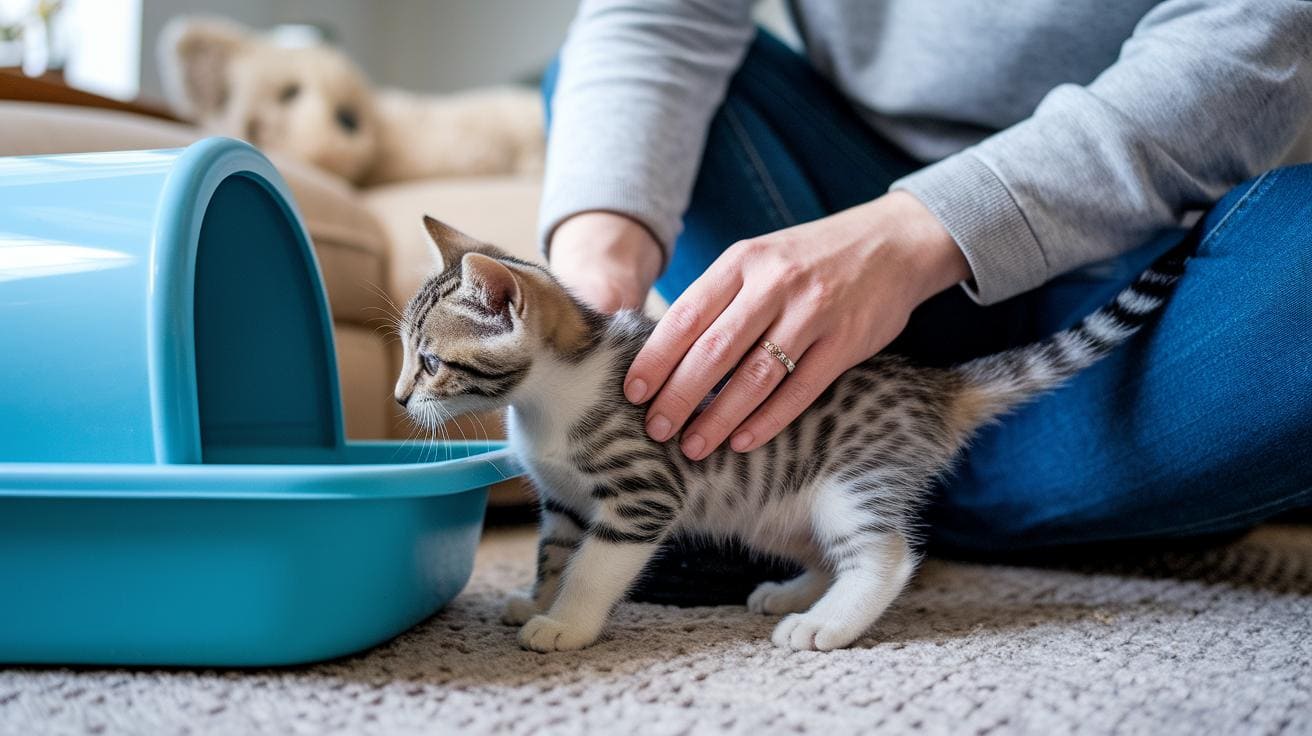
So, first up, show your kitten how to bury its business. Scoop a small pinch of litter (that sandy kitty potty material) under their paw and guide them through the scoop-and-cover move. Softly praise them or give a gentle scratch behind their ears so they think it’s purr-fect playtime. Ever watched their whiskers quiver as they copy you?
But loud noises or scolding can make them avoid their box. If you spot an accident, scoop up your floof and set them in the litter tray. Then clean the spot with enzyme spray (it breaks down odors) so there’s no trace to lure them back. No raised voices, just calm redirection to keep them curious, not scared.