Ever stepped into a fresh puddle of kitty traffic on your rug? It’s like a surprise every time. You think, there’s got to be an easier way.
But training your cat to use the litter box (your cat’s potty spot) doesn’t have to feel like herding tiny ninjas. They’re not out to trick you. With a few easy tweaks, um, you’ll have that rug accident free in no time!
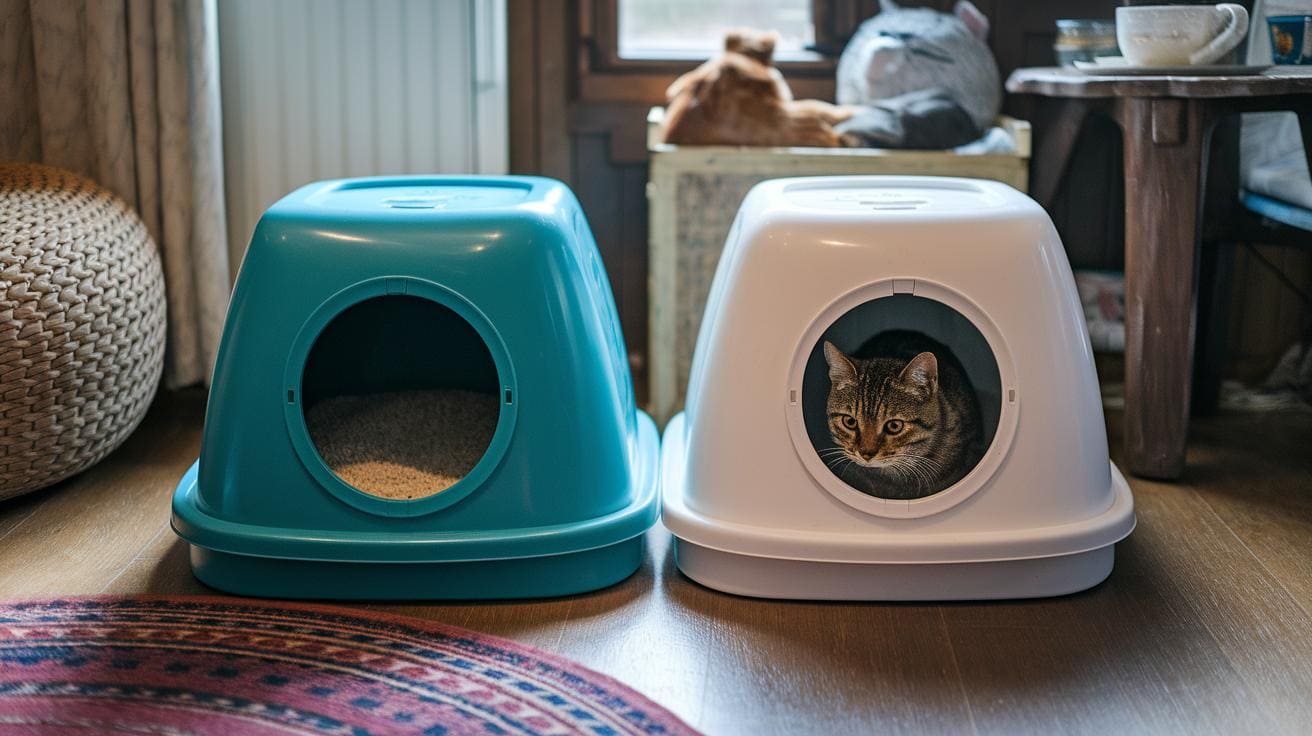
Pick a litter box that fits their body size. Think of it like choosing the right shoe. And scoop clean litter (absorbent granules) after meals to catch them on a pit stop. Cats usually head for a snack, so it’s the perfect moment.
Next, we’ll walk you through simple, step-by-step tips. Soon litter box training will feel like a breeze for you and your whiskered buddy.
Ready to swap puddles for purrs?
Step-by-Step Litter Box Training for Cats
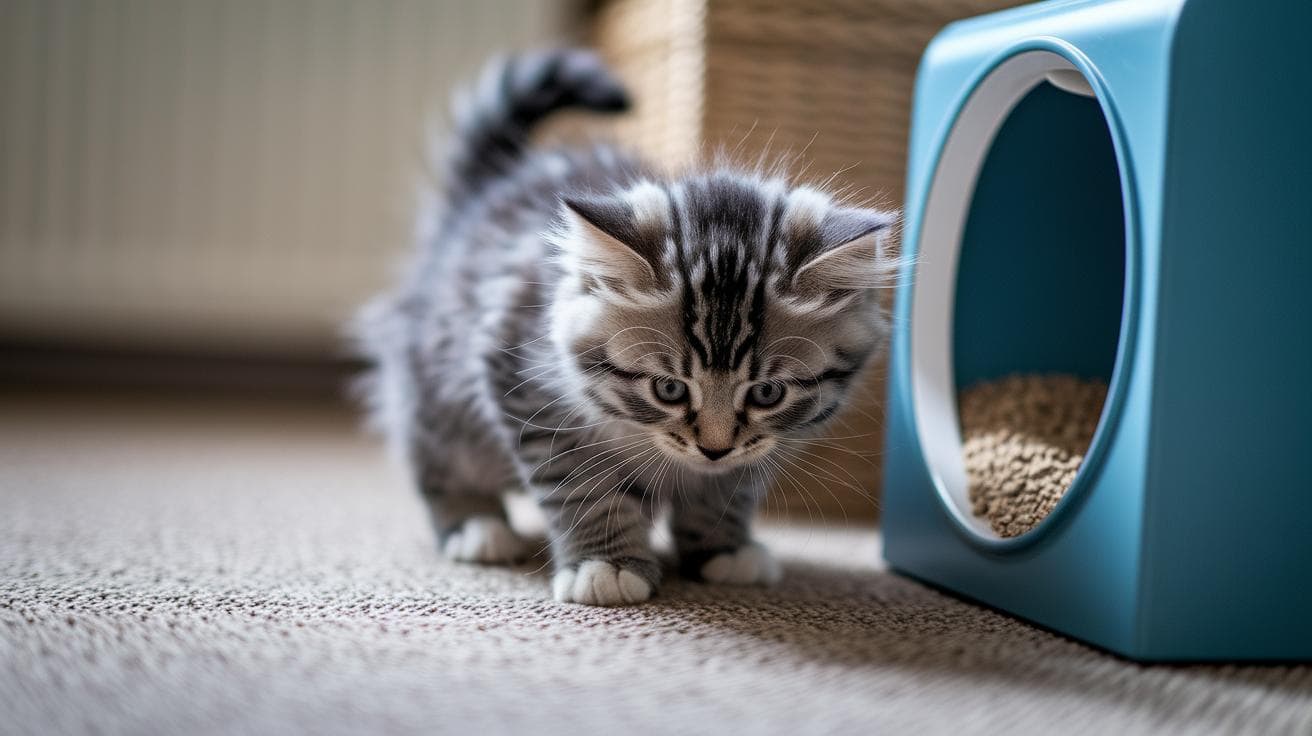
Cats are born with a digging urge. Even kittens around three weeks old will paw at litter to cover their mess. So when you start litter box training, be patient and calm. A gentle introduction cuts stress.
- Choose the right box size. It should be at least one and a half times your cat’s length so they can turn around with ease.
- Pour in about two inches of fine, unscented clumping litter (litter that clumps together when wet). Place it in a quiet corner your kitty can reach easily.
- Introduce your cat without forcing. Gently set them near the box, let them sniff and explore on their own. Ever watched your kitty circle and sniff? It’s cute. See litter box training for kittens for more.
- Bring them to the box after meals or naps. Cats usually need a bathroom break then, so a quick trip can help build the habit.
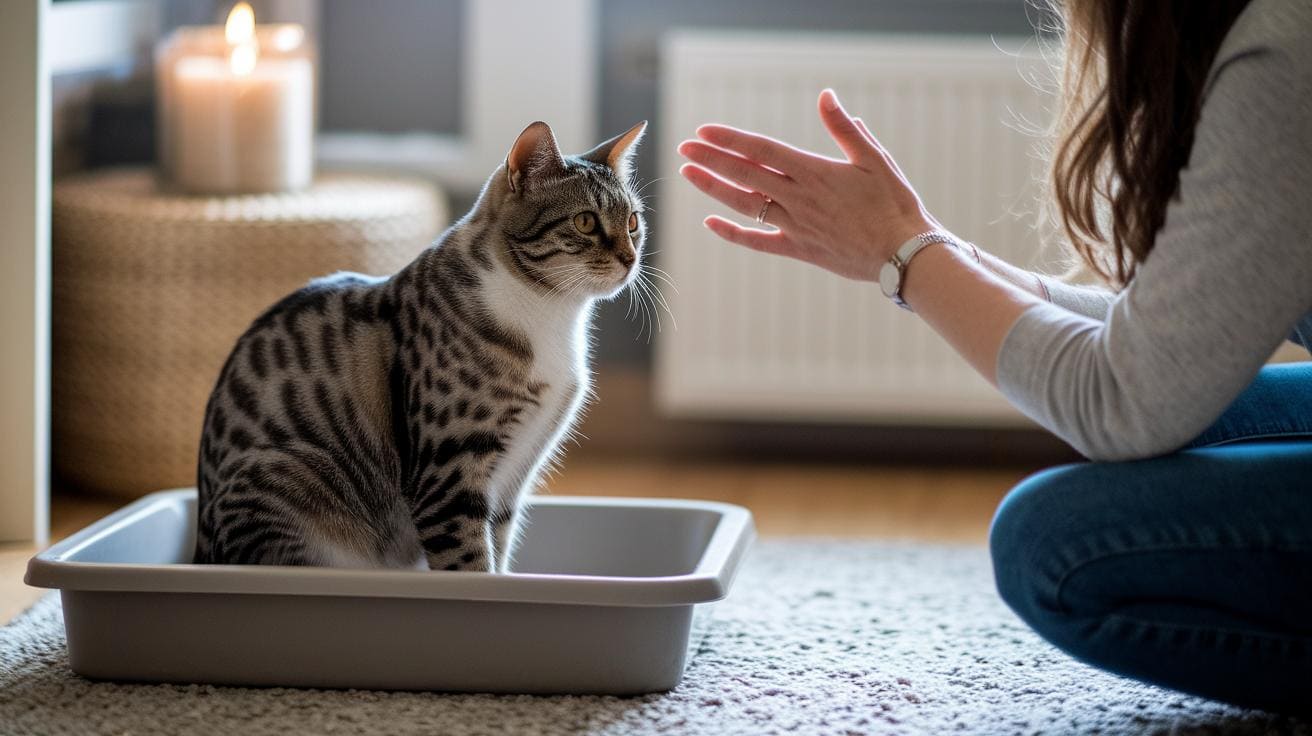
- Reward successes with praise or a tiny treat. Give a gentle pat and say “claw-some job!” to keep things fun.
Most folks suggest one box per cat plus one extra. So a single kitty needs two in quiet spots. Scoop away clumps at least once daily, and wash the box weekly. Trust me, praising your cat beats any scolding when it comes to litter habits.
Feel free to tweak things to your cat’s liking. Some kitties prefer a low-entry tray (a tray with a short side that’s easy to step over), while others like taller walls. If your cat still hesitates, try moving the box to a quieter spot or add a bit more litter. These small tweaks can make training a breeze.
Weave litter breaks into daily routines to keep the habit strong. Scoop after breakfast and dinner. It only takes ten quick seconds and leaves a clear spot for them. Top off with fresh litter before you head out the door and over time these tiny routines become solid litter box habits.
Choosing the Right Litter Box and Litter for Cats
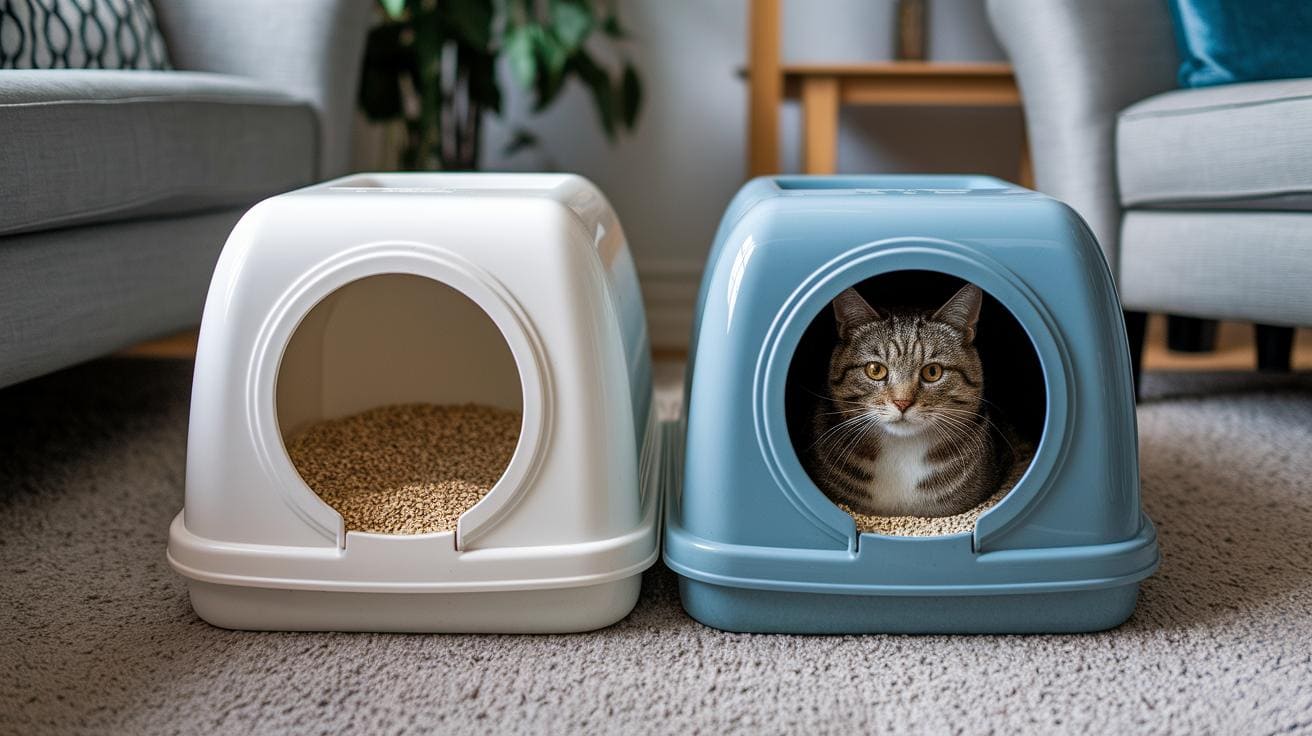
Your cat needs room to shimmy and spin. Grab a box about one and a half times their full length. Kittens under three months love a low-entry tray. They hop in with no fuss. Active adults who dig like mad do best with a high-sided model that keeps litter from flying out. Ever watched a shy kitty hesitate? A hooded box (with a top cover) helps trap smells though it might feel a bit snug. Open trays let you peek in and give your cat extra space.
Next, pick a fine-grained unscented clumping litter (clumps on contact and feels like soft earth on paws). Skip any scented granules until your kitten hits two or three months, you’ll avoid a kitty nose protest. If your cat likes to nibble, try pellet- or paper-based litter (tiny compressed bits) to cut down on dust and keep munching safe.
- Open tray: low walls for easy in-and-out
- Hooded box: hides odors and loose litter
- High-sided box: keeps serious diggers contained
- Low-entry box: perfect for kittens and seniors
- Fine unscented clumping litter: gentle on paws, scoops in seconds
- Pellet- or paper-based litter: less dust, safer if sampled
Mix and match different boxes and litters until you find your cat’s favorite, then watch them give it the paw’s up.
Optimal Litter Box Placement and Environment Setup
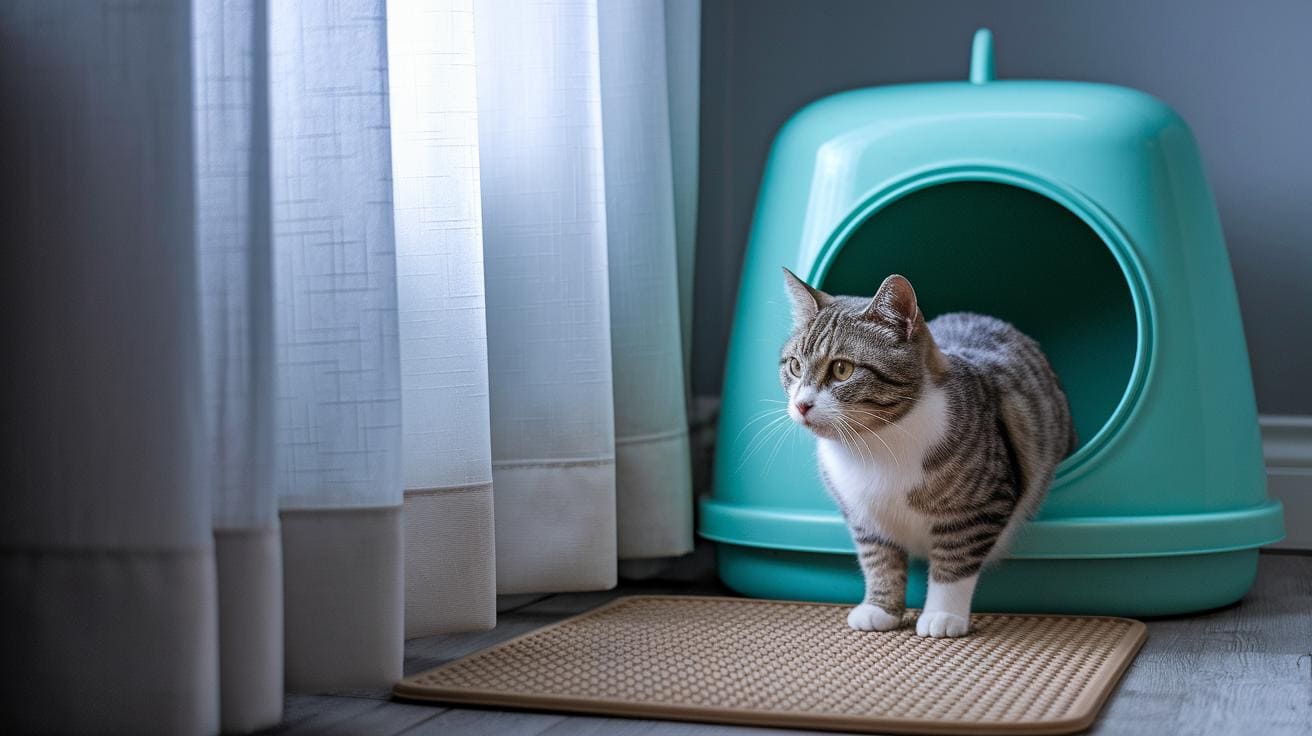
Pick a quiet, cozy corner for your cat’s litter box. Your cat’s whiskers twitch as they sniff around, so give them a spot away from their food and water bowls where they can feel safe. Don’t plunk it in a busy hallway or right next to a noisy washing machine. This little hideaway becomes their private bathroom retreat.
And for kittens between three and eight weeks, this spot acts like home base. Keep the box in one room so it’s just a few paw steps away. Place a puppy pad (absorbent training sheet) under the tray to catch spills while they learn the ropes. Soon enough, they’ll find their new bathroom like pros.
You’ll also want a litter box on each floor. Spread them out so there’s always one within ten feet of where you hang out. Slip a litter mat at each exit to trap wayward granules before they wander off. Each station is its own quiet nook, leading to fewer accidents and more happy paws.
Worth every paw-print.
Cleaning & Upkeep
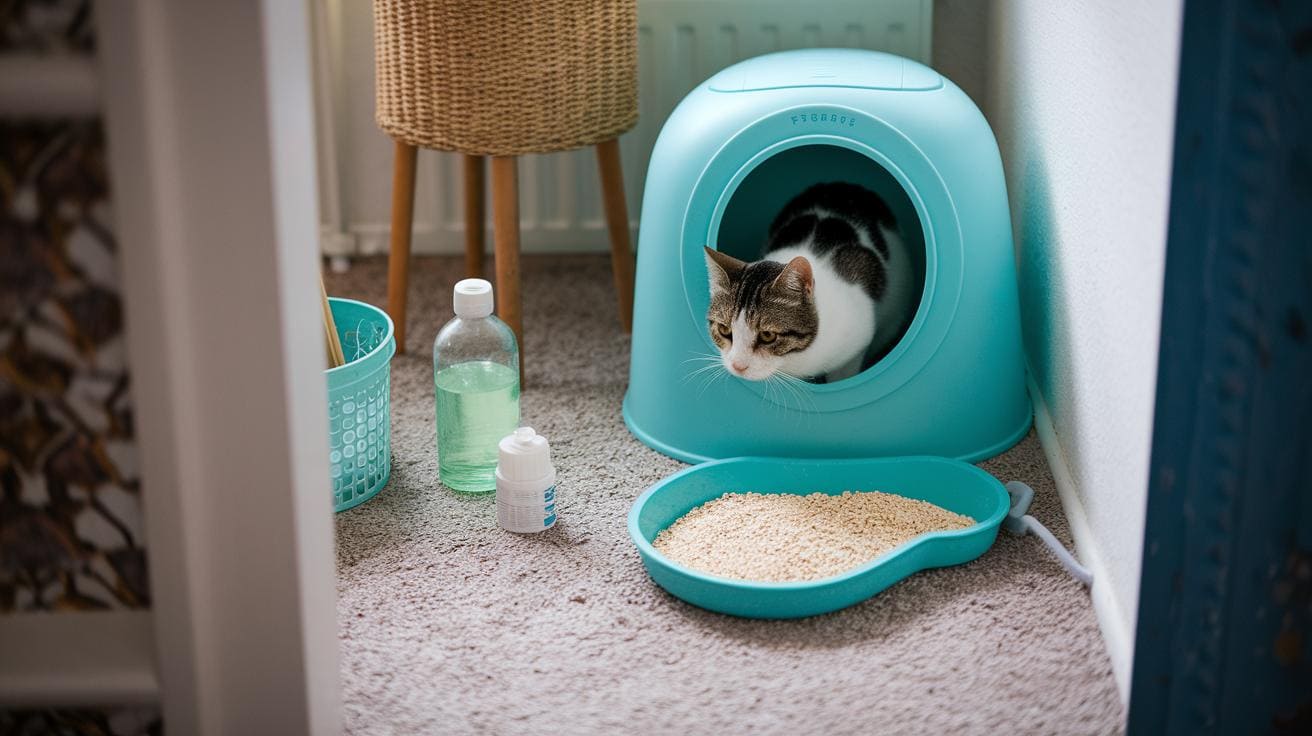
Ever watch your kitty dig like it’s on a sandy beach? Scoop out clumps and waste every day. Keep about two inches of unscented, low-dust litter (tiny bits that won’t tickle noses). That way your cat can dig and bury like a pro.
Once a week, empty the box. Um, give it a good scrub with a pet-safe disinfectant (kills germs without harsh fumes). Rinse it well. Then let it air-dry before you add fresh litter.
- Bag up old litter in a sturdy trash bag so stray granules stay put
- Dab an enzymatic cleaner (a spray that breaks down odors) on any oops spots to help stop your cat from re-marking
- Replace the whole box every six to twelve months when scratches or stains make it less comfy
And use only gentle, pet-safe cleaners and unscented litter. Your kitty will thank you with happy paws and a healthy nose.
Common Litter Box Issues and Troubleshooting for Cats
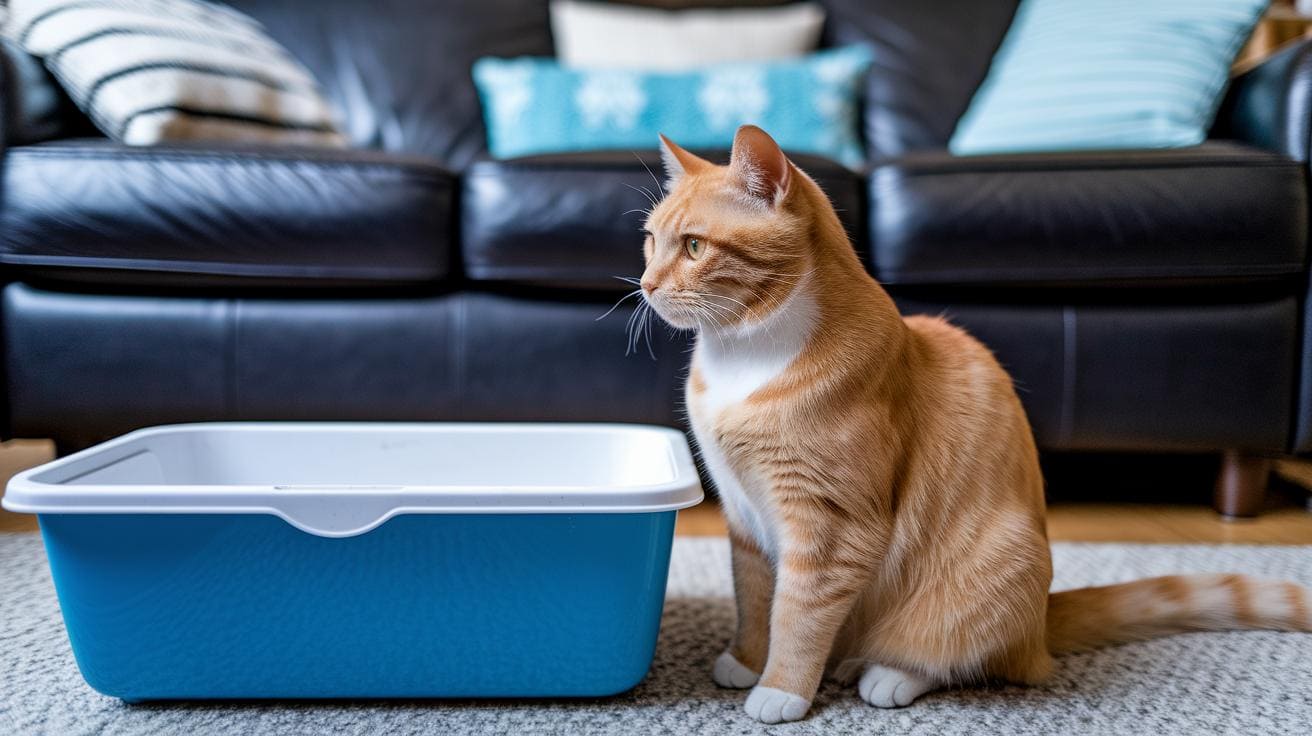
Ever found a surprise puddle by the couch? It happens even to the best of us. When you spot your cat peeing outside the box, gently scoop them up, set their paws in the litter, and whisper “good job.” This little trick helps them link the spot with the right place.
Some kitties dodge the box because it hurts to go. UTIs (urinary tract infections) or arthritis (joint inflammation) can turn a quick visit into a painful chore. And stress from a new home can add to the angst. Keep an eye out for stiff steps or soft meows of discomfort.
If your cat keeps choosing the same wrong corner, tuck a second box right there. Or swap to a different litter, some felines prefer pellet-based or paper-based over clumping granules (moisture-absorbing bits). Outdoor-only cats might even like an earthy attractant (scent that mimics soil) or a pinch of compost mixed in.
Bringing home a new cat or moving houses can stir up turf wars. Scatter boxes on every floor, one per cat plus one extra, to ease competition and nip box battles in the bud.
- Accident correction: Interrupt gently, relocate to the box, then praise.
- Litter preference: Swap clumping granules for pellets or paper.
- Health or stress: Watch for wincing or stiff paws during elimination.
- Marking: Place a box on the soiled spot or try an earthy attractant.
- Multi-cat mix: One box per cat plus one extra in varied spots.
Still spotting misses, or noticing pain? It’s time to chat with your veterinarian.