Ever tiptoed into a surprise puddle on your favorite rug and met your cat’s innocent gaze? No, they’re not out to get you. It’s stress or a sore bladder (the sac that holds pee) talking. I’ve been there. I almost sank into a damp sock, so trust me, I get the drama.
In this friendly guide, I’ll share simple fixes you can try tonight. Extra litter boxes. A vet check for pain. Quick spot-clean tricks (like baking soda and a gentle spray). Uh, you know, no fancy kits – just real tips to keep floors dry and your cat purring.
Worth every paw print.
Quick Action Plan to Stop a Cat from Peeing in the House
Ever come home to a surprise puddle on the rug? You’re not alone. Cats usually skip the litter box because they feel sick, stressed, or the tray’s not just right, not to get even. Here’s a simple, cat-crazy friend’s guide to fix unwanted peeing tonight.
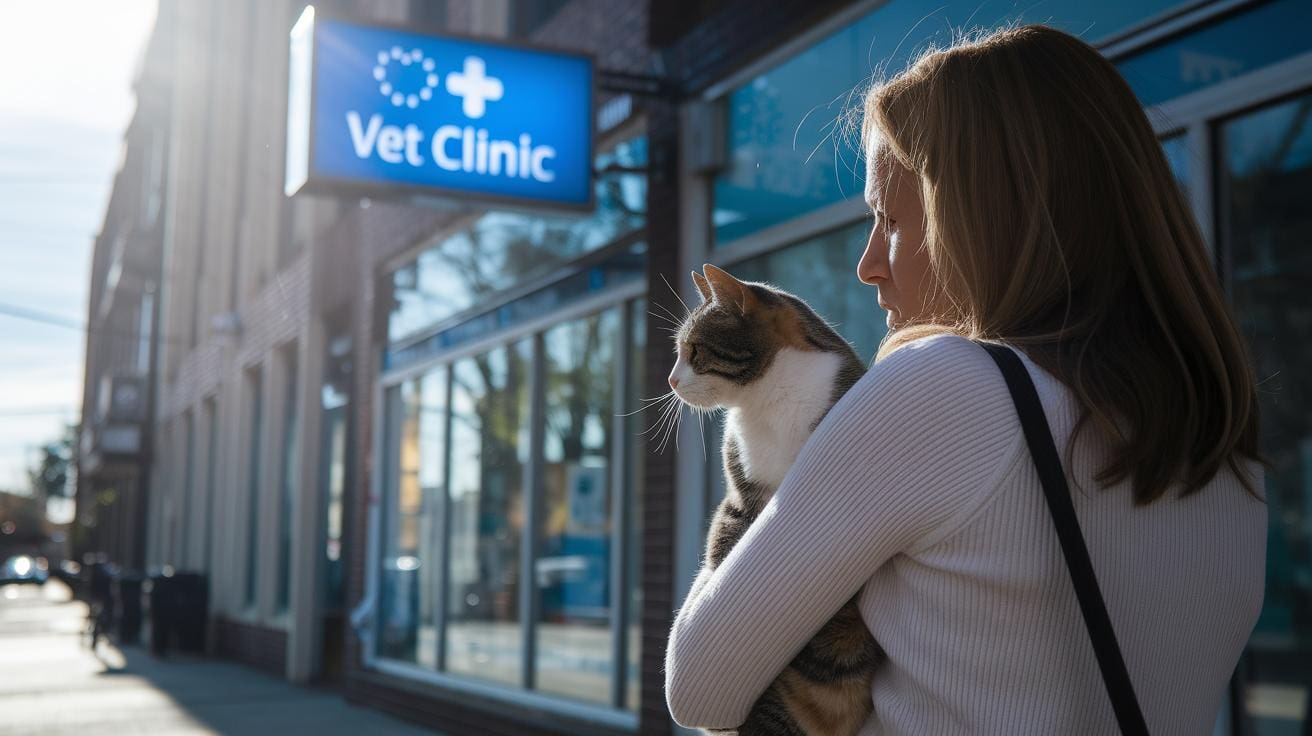
- Check for health issues by looking for blood in the pee, straining, or lots of trips to the box. If you spot any, call your vet right away.
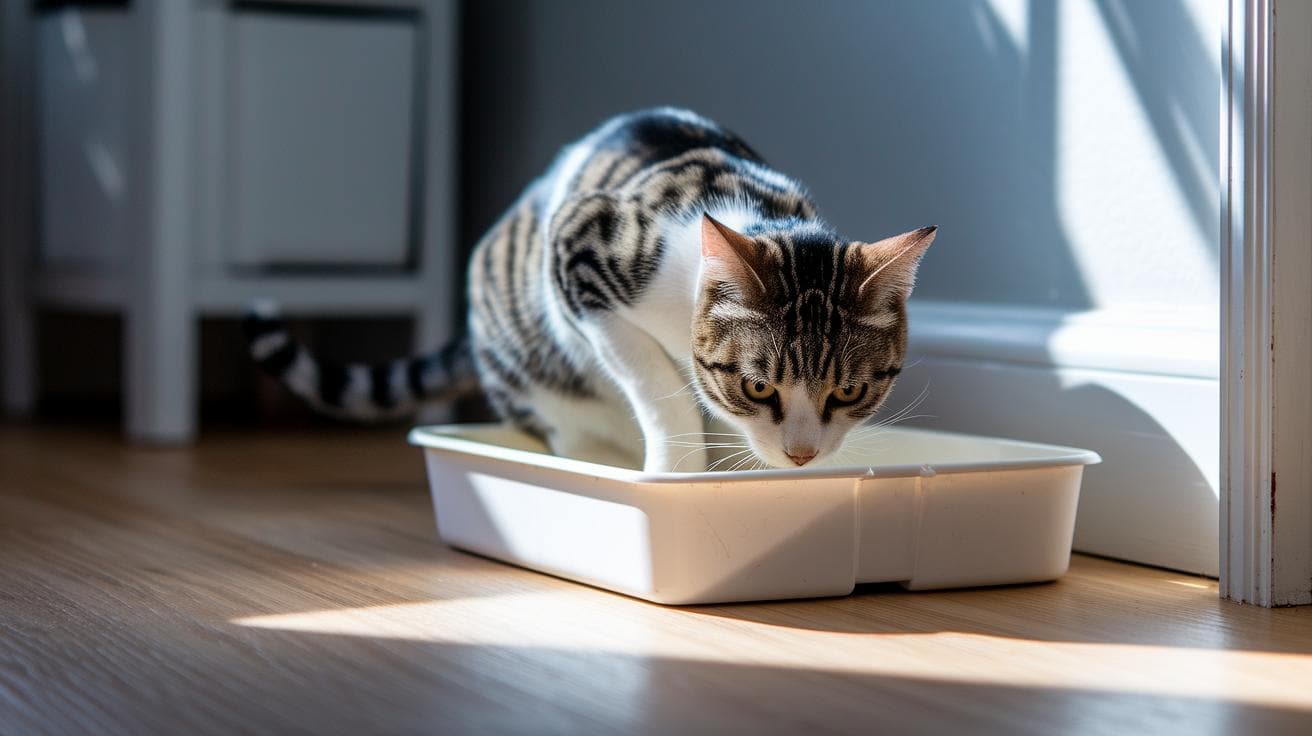
- Add more litter boxes. Aim for one per cat plus one extra so there’s always a fresh place ready for a pawsome visit.
- Put boxes in quiet spots, think calm rooms away from the washer’s roar or busy doorways.
- Scoop fine-grained, unscented clumping litter (it makes scooping easy) twice a day. Dump and fresh-fill the whole box every month.
- Cover accident zones with shiny aluminum foil. Cats hate that crinkly feel, you know?
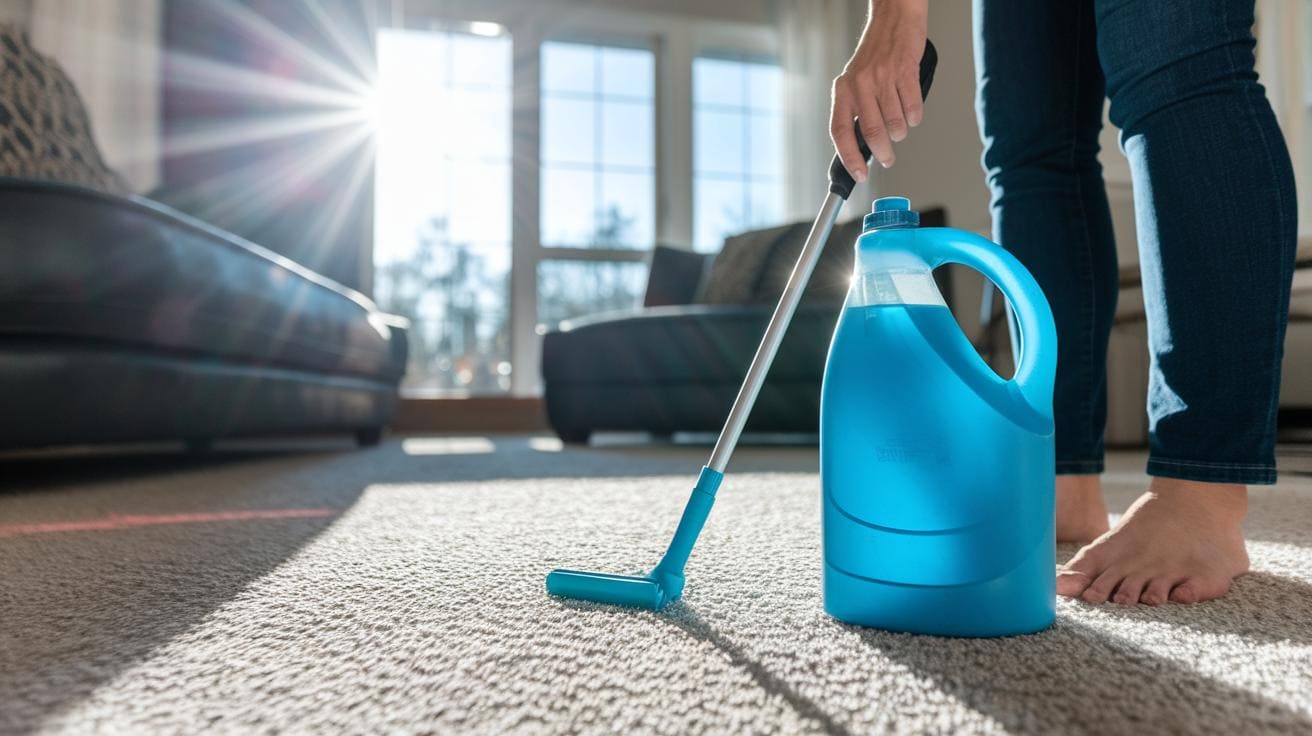
- Wipe up any mess ASAP with an enzyme-based cleaner (it breaks down odor at the source) instead of just hiding the smell.
- Skip ammonia or bleach. They smell like pee to your cat and can lure them right back.
- Block temptation by placing a food or water bowl over old spots. No one wants to potty where they dine.
After two weeks of these steps, if you’re still finding puddles, it’s vet-and-behaviorist time for extra help. Keep at it, and you’ll be celebrating clean floors in no time. Worth every paw-print.
Medical Causes of Cats Peeing Indoors
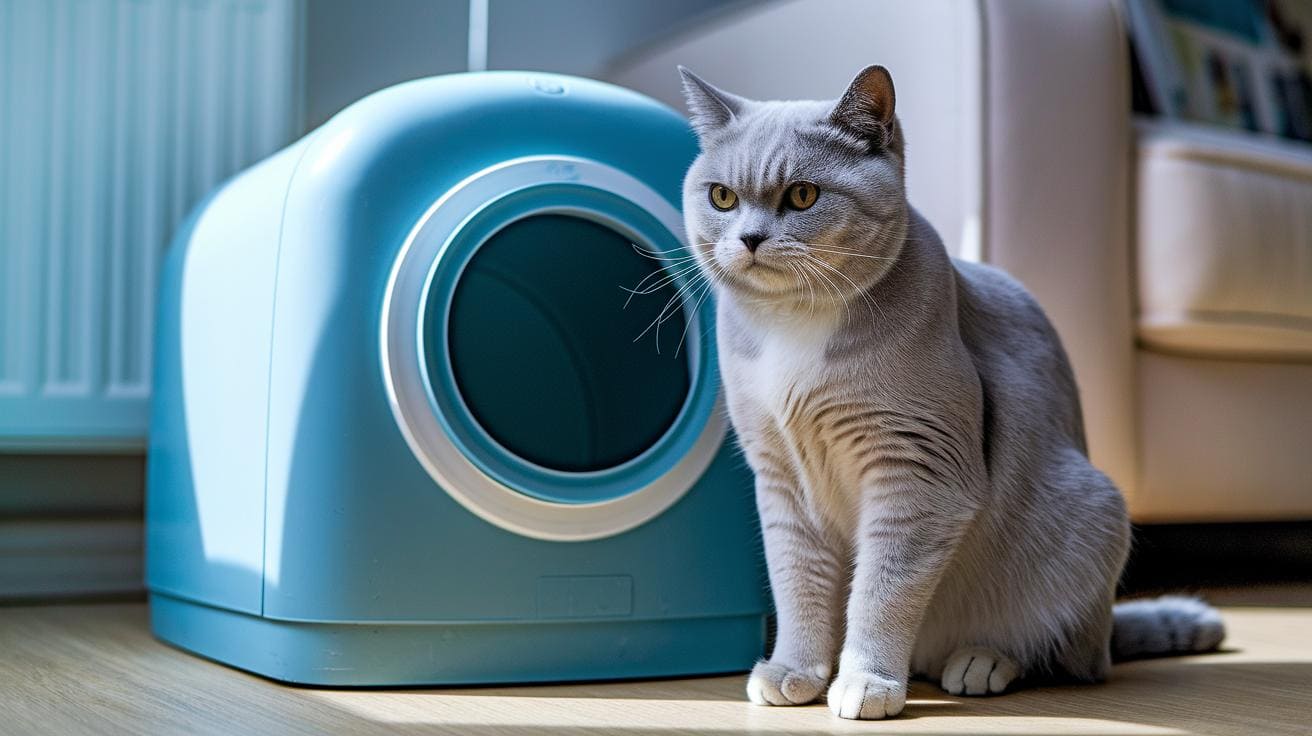
Hey there, your kitty isn’t holding back pee just to drive you crazy. Often it’s a sign of pain. Kidney stones (hard mineral chunks in her kidneys) or bladder stones (tiny rocks in her bladder) can jab at her every time she squats. Feline idiopathic cystitis (mysterious bladder swelling) turns the litter box into a trap.
Ever catch your cat sniffing the box over and over? Blood in the litter, a tense back arch, and lots of trips without much output are red flags. Urinary tract infections (UTIs, bacterial bugs in the bladder) often cause tiny dribbles and unhappy meows.
Other health hiccups mess with the bathroom break too. Um, diabetes (sugar imbalance disease) makes her drink gallons and drip more. Arthritis (joint ache in her shoulders or hips) can make jumping in or out of a tall box feel ouchy. And if her pee volume swings up or down, kidney disease might be shouting.
Next, your vet will probably run blood work and a urine test to rule out UTIs or diabetes. Then there’s imaging: X-rays (radiographs) or an ultrasound to hunt for stones or bladder wall changes. And remember, spaying or neutering around five to eight months can tame spraying urges but won’t fix a medical peeing issue. Worth every paw-print.
Litter Box Setup to Prevent Cat Peeing in the House
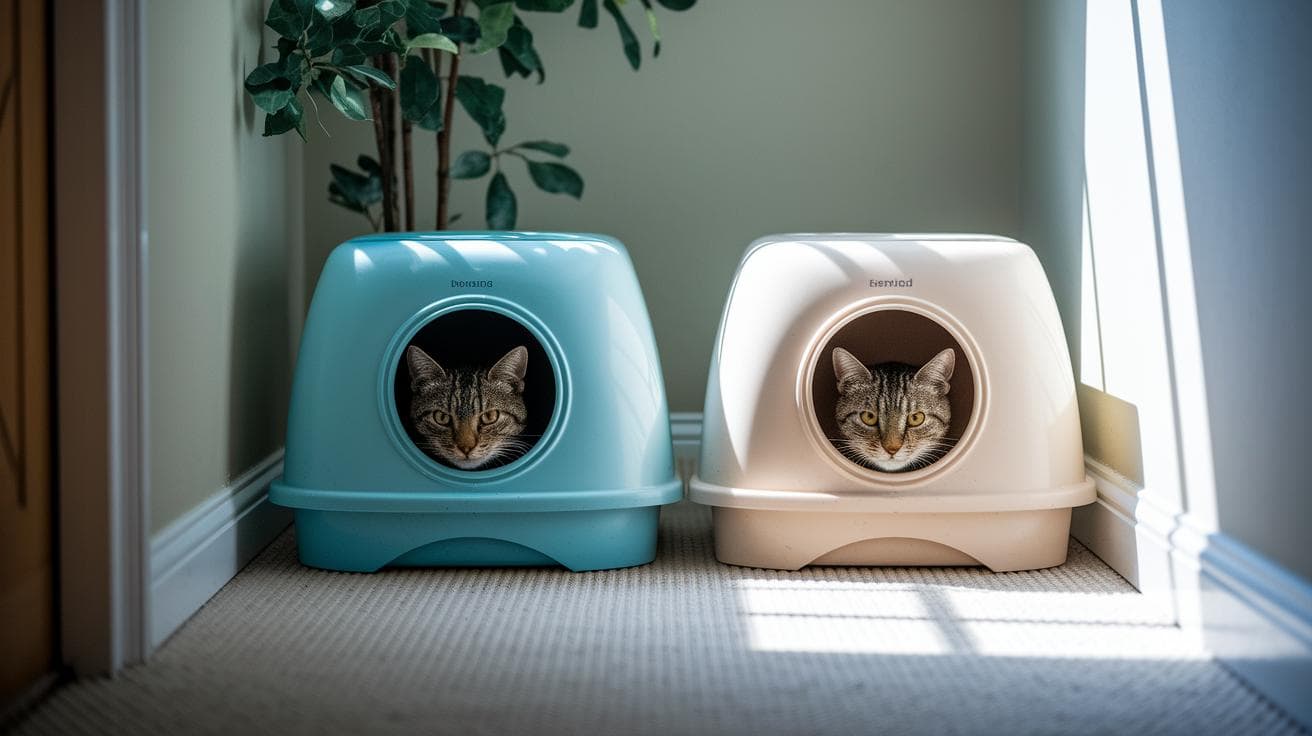
Ever watched your cat eye your carpet like it’s their personal litter spot? Let’s fix that with a simple rule: one litter box per kitty – and one extra just in case.
Make each box at least one-and-a-half times your cat’s length. Think of your cat stretched from nose to tail-tip and still having room to spin around. I once saw Luna stretch full-out and still have space for a little twirl, claw-some, right?
Most cats prefer an uncovered tray in a quiet, low-traffic spot away from noisy machines (like your washer or dryer). That way, their whiskers (the long hairs on their nose) don’t twitch in fear when the dryer roars to life.
Thinking of switching litters or box styles? Mix a spoonful of the new litter into the old one each day so your cat can sniff-test at her own pace. Slow changes mean fewer “nope, not doing that” moments, and more peace in your paws.
Worth every paw-print.
Behavioral and Stress-Related Triggers for Cat Peeing in the House
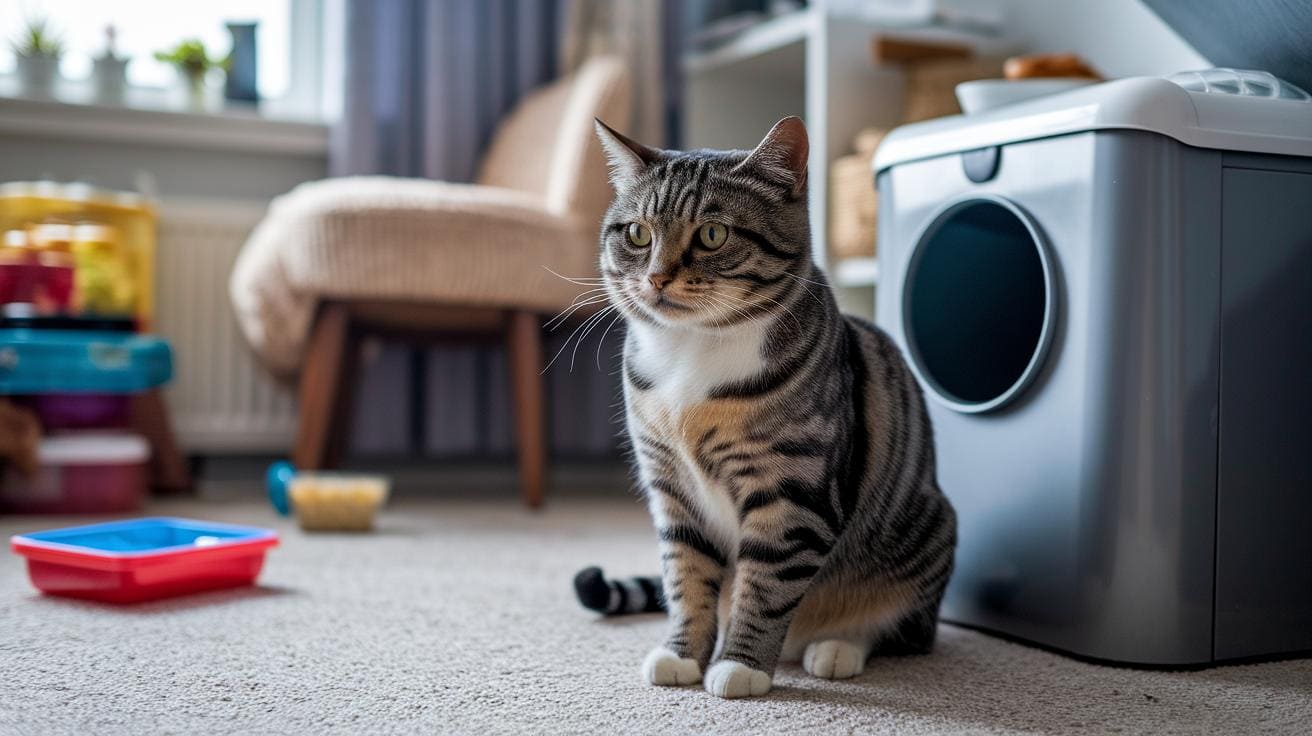
Ever notice your kitty circle a quiet corner, whiskers twitching, tail softly swishing before picking a spot to pee? That slow blink and twitchy tail are stress signals from your feline friend. Cats aren’t doing this to annoy us – they’re telling us their litter box feels wrong or their world feels scary!
One big reason for indoor peeing is litter-box aversion (when a cat avoids the tray). Um, a box that’s too small, a hooded box (covered litter tray) that feels cramped, scented litter that irritates, or a tray that’s left dirty can push kitty to find a substitute spot. I once watched Jasper sniff his hooded box, sigh, then plop on my bath mat – classic litter-box woes.
Then there’s stress. Bringing in a new pet or person can trigger stress-induced urination (when cats mark territory or look for comfort). Ever watched your cat circle a new human with caution? That “new cat introduction marking” warning is real and can last weeks if kitty feels crowded or out of control.
Multi-cat homes stir up tension too. Problems often start when one bold cat guards the tray or space feels tight. Stress-induced peeing also spikes during moves, when furniture gets rearranged, if a noisy dryer hums near the tray, or when outside cats peer in through the window.
So what’s the fix? First, spot each trigger. Then remove or slowly help kitty get used to it. Before you know it, your cat will chill out and switch back to purr mode.
• New cat or person in the house
• Changes in furniture or routines
• Noisy machines near the litter tray
• Competition in multi-cat homes
• Outside animals at the window