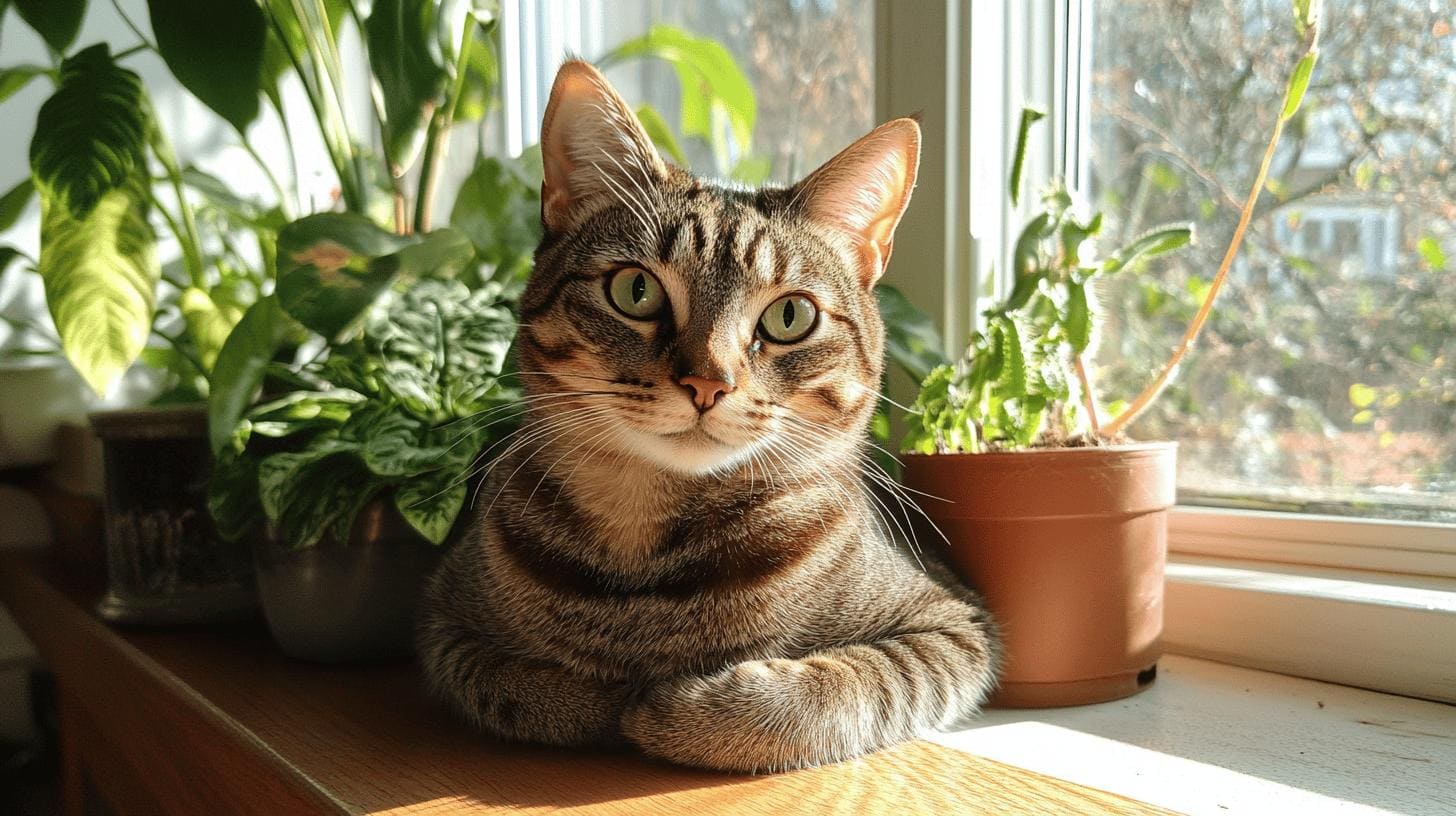
Are you tired of chasing after your cat the moment the front door cracks open? It might seem like an endless game of escape, but training your cat to stay indoors is possible. Cats have a natural curiosity that propels their desire to explore the unknown beyond your windows.
Understanding this instinct can help us craft the perfect strategies to keep our felines safe and entertained inside. With the right training techniques and a bit of patience, you can transform your adventurous cat into a contented homebody. Ready to learn how? Let’s dive in!
Understanding Why Cats Want to Go Outside
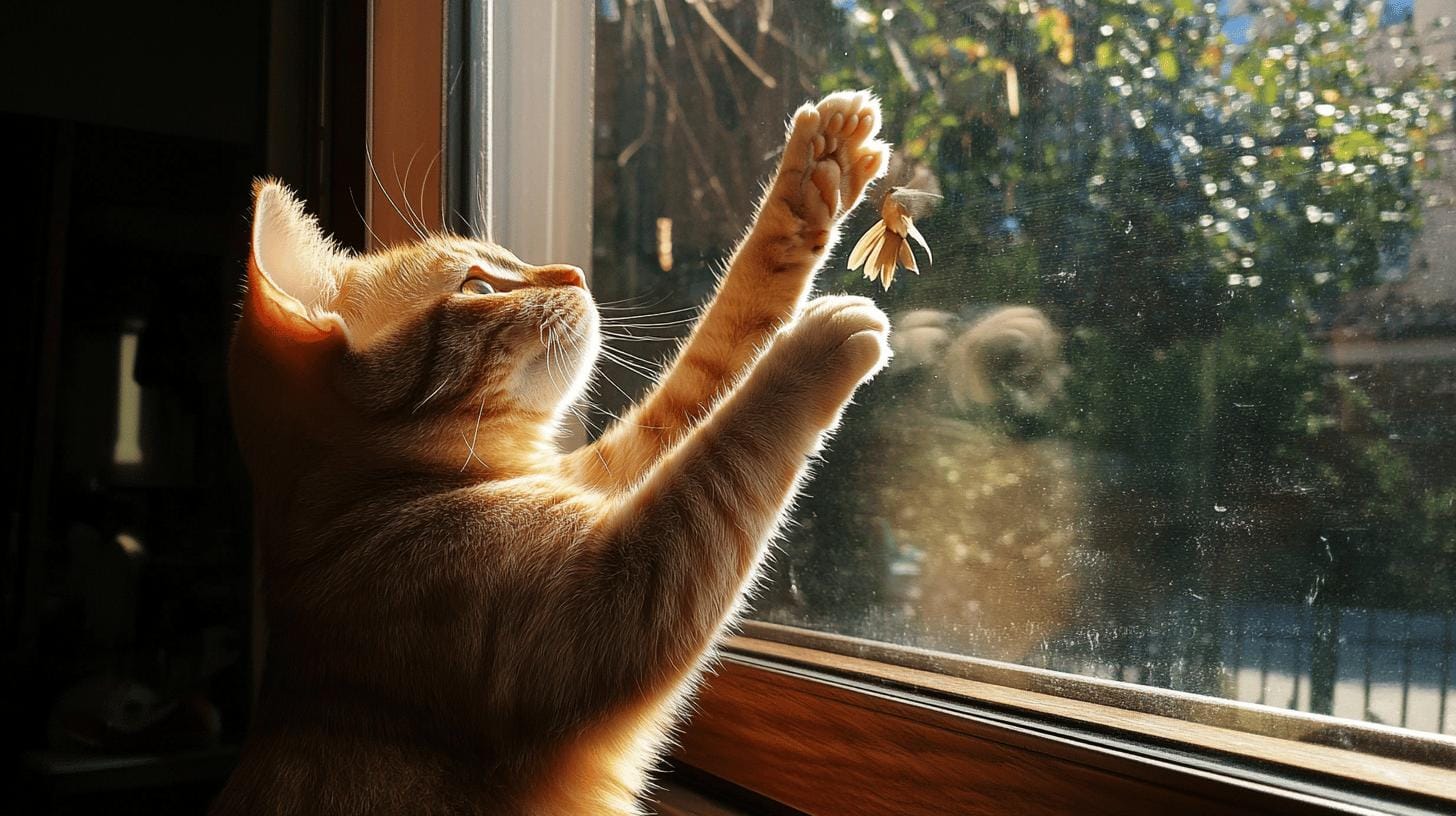
Cats are naturally curious creatures. Their instincts drive them to explore new environments, which is why they often show a strong desire to go outside. For indoor cats, the world beyond the window can seem incredibly enticing, filled with new sights, sounds, and smells that provide mental and physical stimulation. When their home environment doesn’t offer enough excitement, cats may become bored and restless, seeking adventure outdoors.
Here are five common stimuli that attract cats outside:
- Birds: The fluttering and chirping can captivate a cat’s attention.
- Squirrels: Their quick and unpredictable movements are intriguing to cats.
- Insects: The buzzing and darting of insects can be irresistible.
- Leaves or Plants: The rustling of leaves in the wind can mimic the sound of prey.
- Other Animals: The scent or sight of other cats or dogs can spark curiosity.
Recognizing signs that a cat wants to go outside can help address their needs. Cats may show their desire by constantly meowing at doors or windows, scratching persistently at the door, or displaying restless behavior. Understanding these signs allows owners to provide alternative solutions to satisfy their cat’s curiosity and need for stimulation while keeping them safe indoors.
Effective Training Techniques to Keep Cats Indoors

Training a cat not to go outside can be challenging, but it’s possible with patience and understanding of feline behavior. Cats are naturally independent, making it crucial to use techniques that respect their instincts while teaching them boundaries. Consistent training and positive reinforcement help keep cats safe indoors or within designated outdoor areas.
Here are six steps to effectively train your cat to stay indoors:
- Reward Indoor Behavior: Use treats or affection to reward your cat when they show interest in staying indoors. This encourages them to associate indoor spaces with positive experiences.
- Create an Indoor Playground: Provide plenty of stimulating activities and toys to keep your cat entertained inside. This reduces their desire to explore outside.
- Use Deterrents at Doors: Place deterrents like scat mats or double-sided tape near doors to discourage your cat from approaching these exit points.
- Establish a Routine: Feed your cat at the same times each day and engage in regular play sessions. A predictable routine can help reduce their curiosity about the outside world.
- Teach a Command: Train your cat to respond to a specific command, such as “stay,” when they approach the door. Use treats and praise to reinforce this behavior.
- Limit Access to Temptations: Keep windows and doors closed or secured with screens to prevent your cat from spotting potential outdoor temptations.
Consistency and patience are crucial when training your cat. Regularly using these techniques will help reinforce the boundaries you’ve set. Remember, understanding your cat’s needs and natural instincts plays a significant role in effectively keeping them content and safe indoors.
Creating an Enriching Indoor Environment for Cats
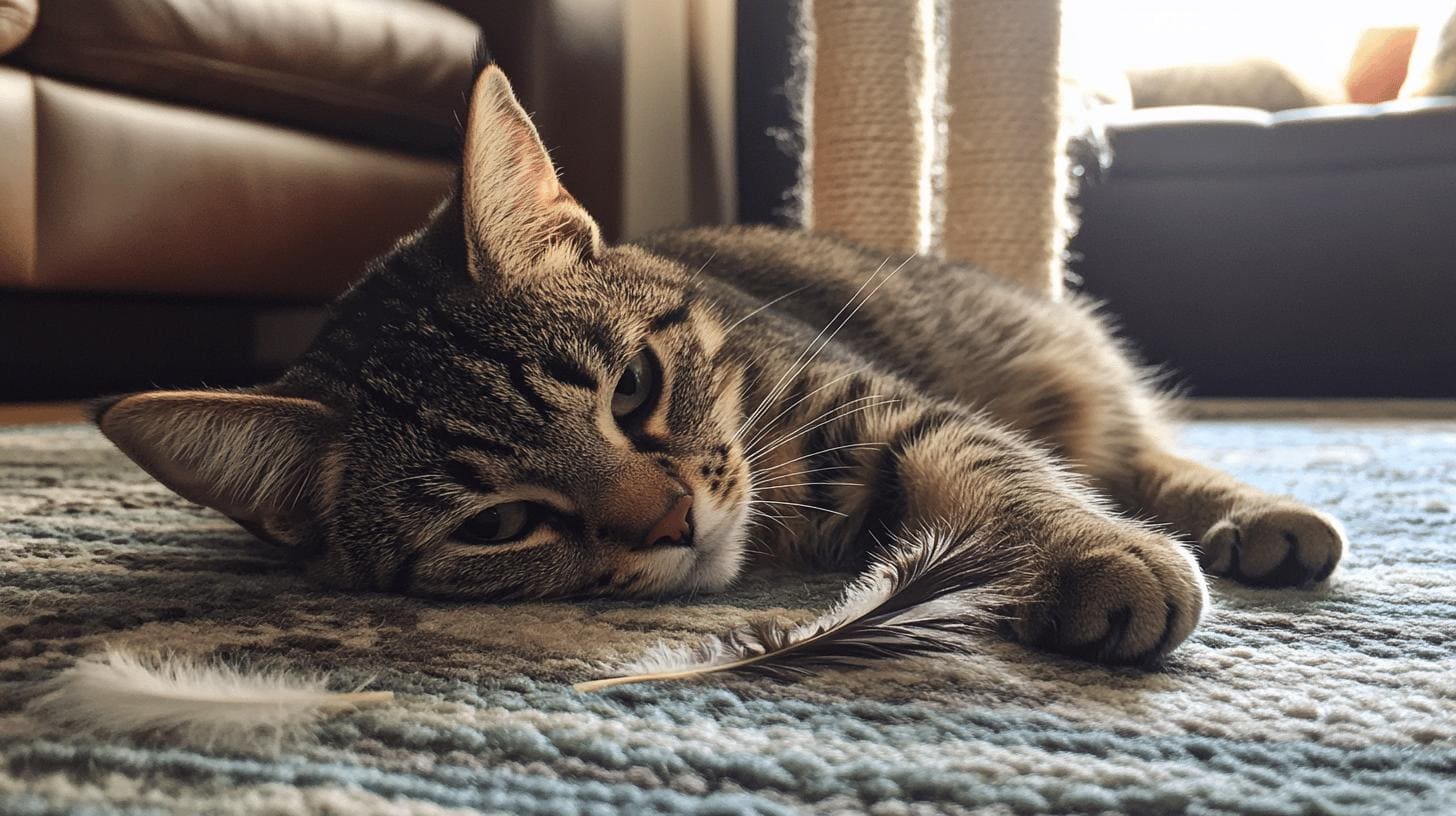
An enriched indoor environment is crucial for keeping cats happy and reducing their desire to explore outside. Cats are curious and active by nature, so providing them with a stimulating home environment can satisfy their need for adventure.
By incorporating a variety of activities and items, you can transform your home into a cat-friendly playground that keeps them engaged and content.
Here are eight items or activities to include in your cat’s indoor environment:
- Toys: Offer a variety of toys, including balls, feathers, and interactive toys that mimic prey. Rotate them regularly to maintain interest.
- Scratching Posts: Provide multiple scratching posts or pads in different areas of your home to cater to your cat’s instinct to scratch and mark territory.
- Climbing Structures: Install cat trees or shelves that allow your cat to climb and explore vertical spaces safely.
- Puzzle Feeders: These feeders challenge your cat mentally and physically, turning mealtime into an engaging activity.
- Window Perches: Set up perches near windows so your cat can observe the outside world safely and enjoy the sunshine.
- Interactive Play: Spend time each day engaging your cat in play with toys like laser pointers or wand toys to simulate hunting behavior.
- Catnip Plants or Toys: Use catnip-infused items to provide a burst of excitement and stimulation for your cat.
- Hiding Spots: Create cozy hiding places with boxes or tents for your cat to retreat to when they need a quiet space.
These activities and items provide mental and physical stimulation, helping to keep your cat healthy and satisfied. By enriching their indoor environment, you’ll not only prevent boredom but also support your cat’s overall well-being and happiness.