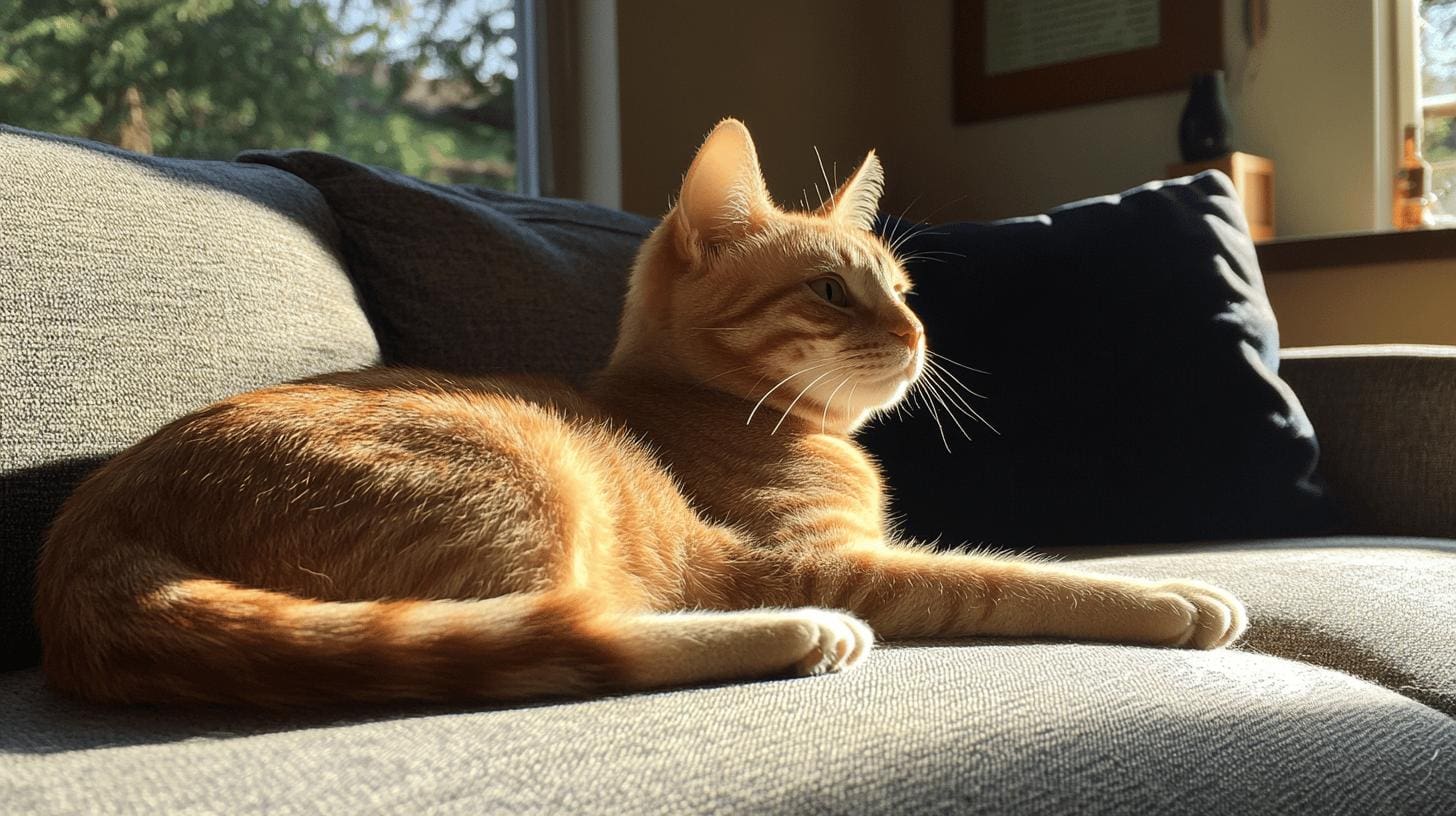
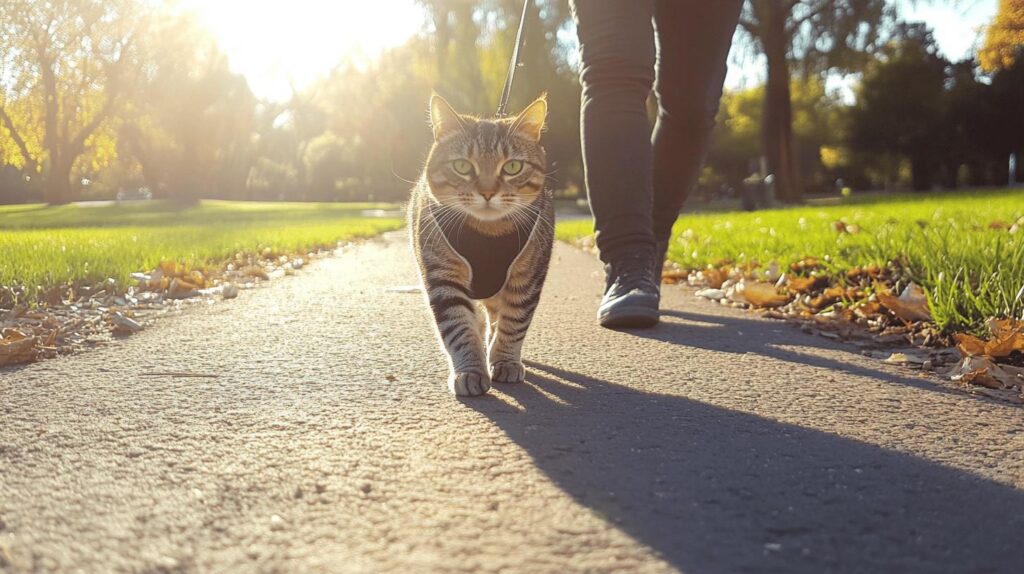
Ever wondered if your cat can be as friendly as a puppy? Cats often get a reputation for being aloof, but they can also be super friendly with the right training outdoor training.com/how-to-train-a-cat-to-lay-down/”>advanced training. Just like teaching a dog to fetch, you can teach your cat to enjoy socializing and even look forward to spending time with you. By using playtime, meal schedules, and positive reinforcement, you’ll not only improve your cat’s friendliness but also deepen your bond. Dive into these simple steps and watch your feline friend transform into a charming companion!
Steps to Train a Cat to Be Friendly

Playing with your cat regularly makes a big difference in how friendly they’ll become. Engaging in play sessions helps them socialize and build trust with you. It’s not just about playing; it’s about finding toys they love and using them often. Feeding routines are crucial too. Ditch free feeding and choose specific meal times. This way, your cat links you with good things like food, making them more open and friendly.
Positive reinforcement is key in cat training. Understand why your cat behaves a certain way and reward them when they do something right. Instead of punishing unwanted behaviors, redirect them with treats or praise. This way, your cat learns what makes you happy and strives to repeat those actions.
- Set playtime: Dedicate time each day to play with your cat using toys they love.
- Schedule meals: Feed your cat at the same times daily to create a positive association with you.
- Reward good behavior: Use treats and praise to encourage actions you want to see.
- Redirect unwanted actions: If your cat misbehaves, gently guide them to a toy or scratching post.
- Be patient: Training takes time, so be patient and consistent with your efforts.
By following these steps, you’ll help your cat become more friendly and comfortable around you.
Understanding Cat Behavior for Effective Training
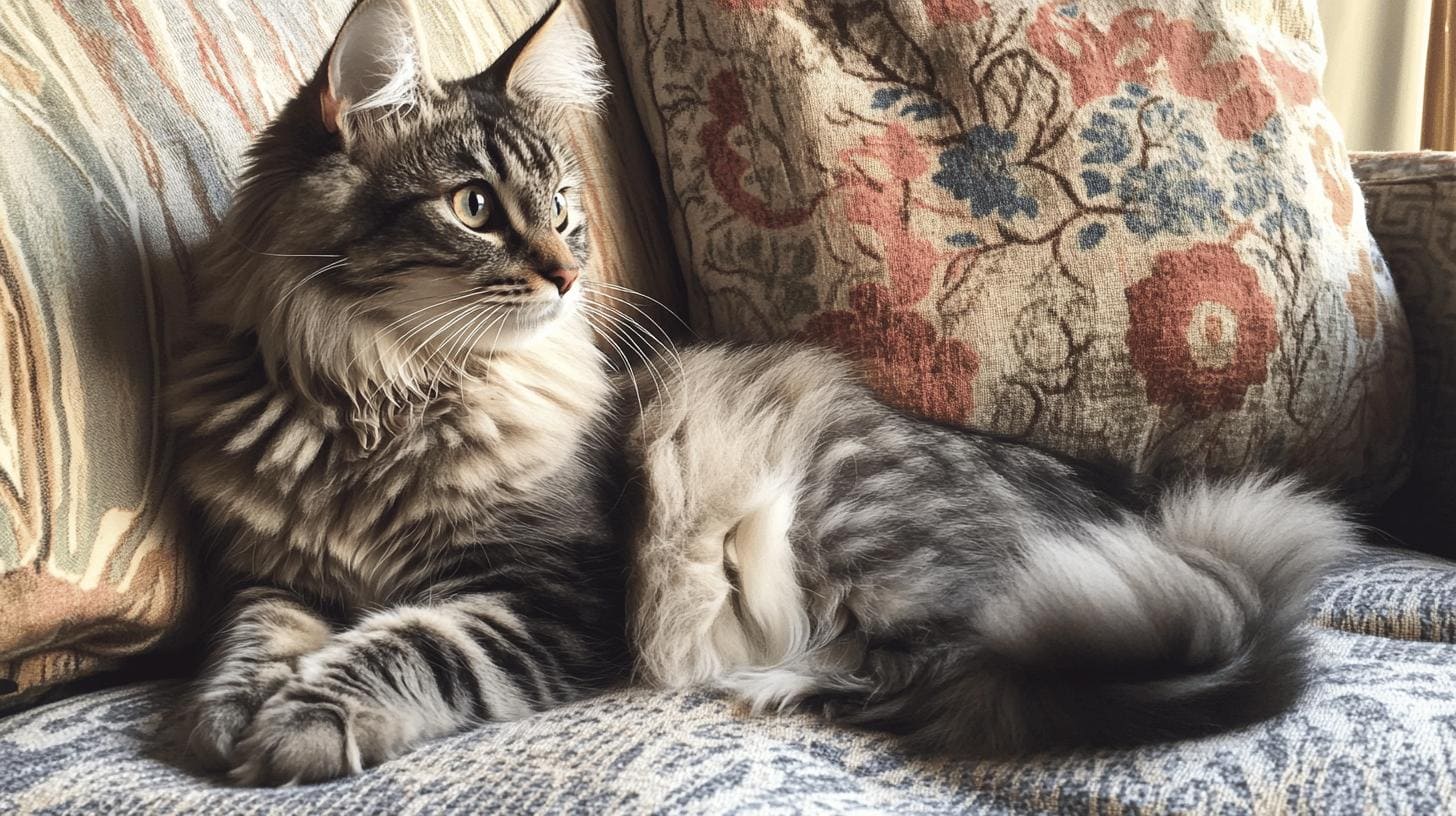
Cats communicate a lot without saying a word. Their body language tells us what they’re feeling. When a cat is relaxed, their tail might be upright with a slight curve. If the tail is tucked or puffed, it’s a sign they’re scared or upset. Watching their ears can help too. Ears pointing forward mean they’re interested, but if they’re flat, your cat might be angry or scared.
Recognizing stress signals is important for training. A stressed cat might hide, hiss, or swat. These are signs they need space. By noticing these signals, you can give them the time they need to calm down. This helps them feel safer and more open to training later.
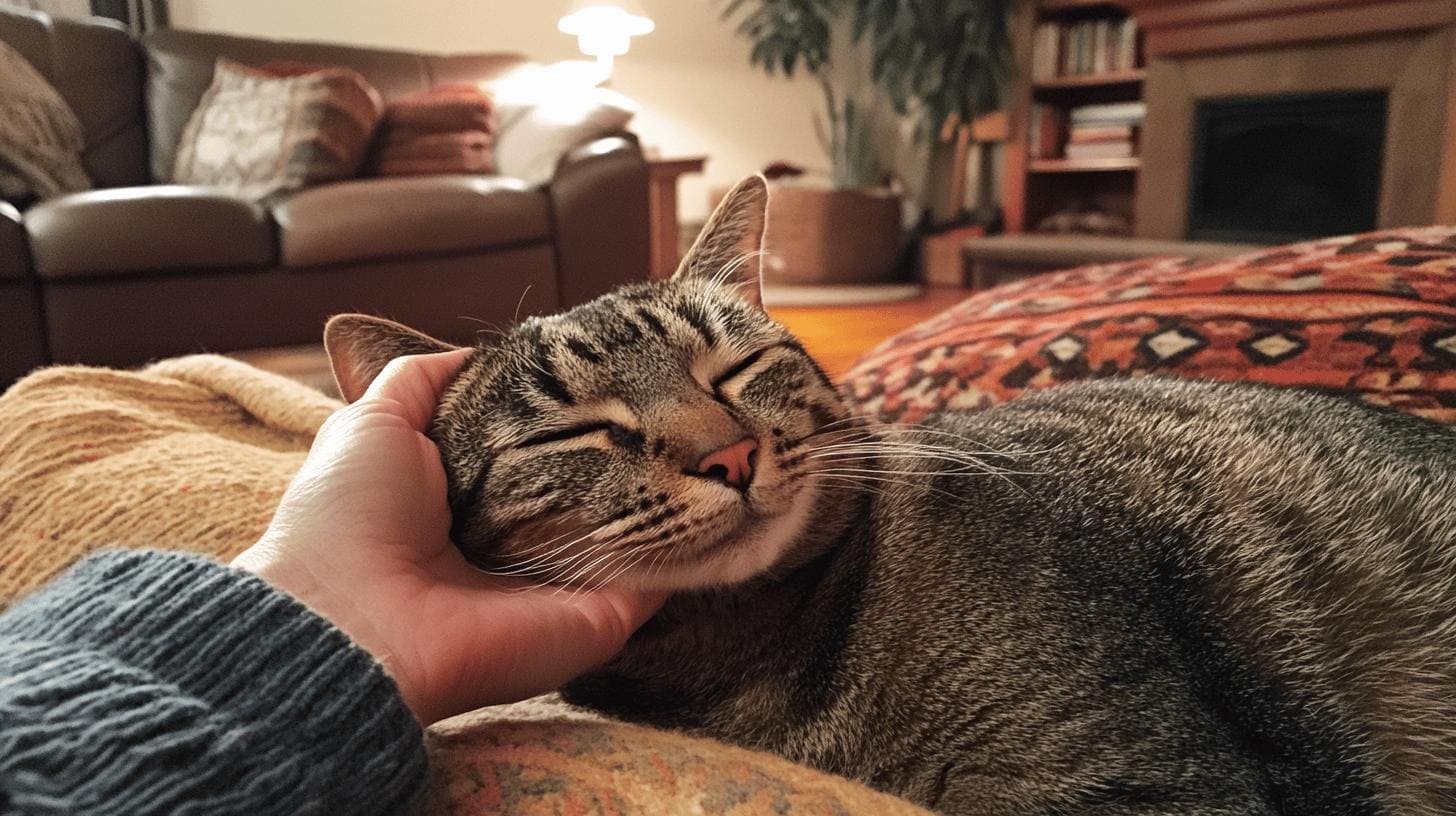
Signs of trust show that your cat is getting friendlier. If they sit within arm’s reach or rub against you, they trust you. When a cat shows their belly or sleeps near you, it’s a big deal rest and comfort. These actions mean they feel safe and comfortable. Understanding these signals makes training easier and helps build a strong bond.
Socializing Shy or Aggressive Cats
When dealing with shy or aggressive cats, avoiding forced interactions is crucial. Cats are naturally curious but can become fearful if pushed into situations they aren’t ready for. Instead of picking them up or pulling them out of hiding, let them come to you. Give them the space they need to feel safe. This reduces their anxiety and helps them view you as a non-threatening companion. Providing a calm environment where they can observe from a distance helps them adjust at their own pace.
Patience is your best tool. Allowing cats to initiate contact fosters trust. Sit quietly nearby, and let them decide when they’re comfortable enough to approach. Gentle encouragement, like offering a treat or softly calling their name, can help. Remember, building a relationship with a shy or aggressive cat takes time. Celebrate small victories, like a quick sniff or sitting closer to you, as steps towards a more social cat.
Gradual Exposure Techniques
Gradual exposure is key to helping cats become comfortable with new experiences. Introduce them to new environments or people slowly, starting with short and controlled interactions. This helps them adapt without feeling overwhelmed.
- Provide a safe space with familiar items like their bed or favorite toy.
- Encourage exploration with treats placed nearby.
- Introduce new people quietly, allowing the cat to approach them.
- Use calming aids like pheromone diffusers to reduce stress.
- Regularly engage in gentle play to build positive associations.
By following these strategies, you can help your cat become more social and friendly, making interactions more enjoyable for both of you.