Is your cat's constant meowing driving you up the wall? You're not alone counter jumping. While vocalizing is a natural part of a cat's communication toolkit, excessive meowing can turn into a persistent challenge for cat owners. The key to a quieter household is understanding the reasons behind those incessant cries. From attention-seeking to expressing discomfort or anxiety, each meow carries a message.
By learning how to identify and address these underlying causes, you can train your feline friend to enjoy more peaceful moments meowing solutions.com/how-to-train-a-cat-not-to-do-something/”>behavioral correction. Let's dive into the steps to transform those noisy nights into tranquil evenings.
Understanding Why Cats Vocalize
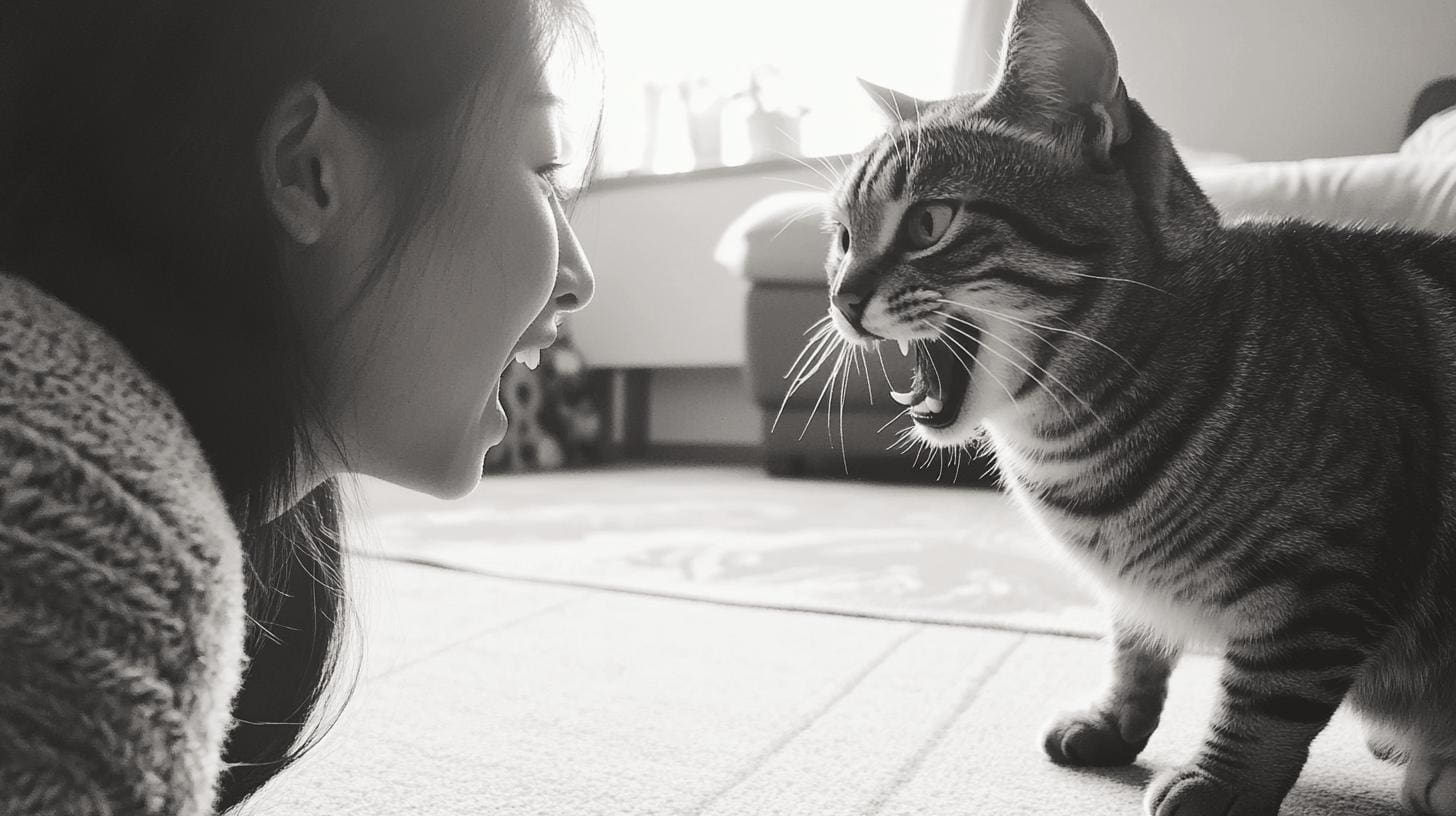
Cats meow for many natural reasons and it's their way of communicating with us. Unlike dogs, who bark for various reasons, cats have a more subtle approach. From the moment they are born, kittens use vocalizations to communicate with their mothers. As they grow, meowing becomes a tool to interact with humans. Cats often meow to signal an immediate need or desire. Here are some common reasons why cats meow:
- Attention Seeking: They might want to be fed, played with, or simply held.
- Expressing Discomfort: A meow might indicate they are in pain or uncomfortable.
- Greeting: Some cats vocalize when their owners return home as a form of greeting.
- Announcing Territory: Cats may meow to assert their presence or mark their territory.
- Stress or Anxiety: Changes in their environment can cause cats to meow more.
Recognizing when a cat's vocalization is excessive is key to addressing it. If a cat meows continuously without a clear reason, it could be a sign of underlying issues. Excessive meowing might indicate boredom, stress, or even medical concerns. If a cat’s meowing suddenly increases or changes in tone, it’s crucial to pay attention. Understanding body language along with vocal cues can help differentiate between normal communication and excessive noise. Paying attention to these signals can guide you in knowing when to seek further intervention, such as a vet check-up.
Identifying and Addressing Underlying Causes
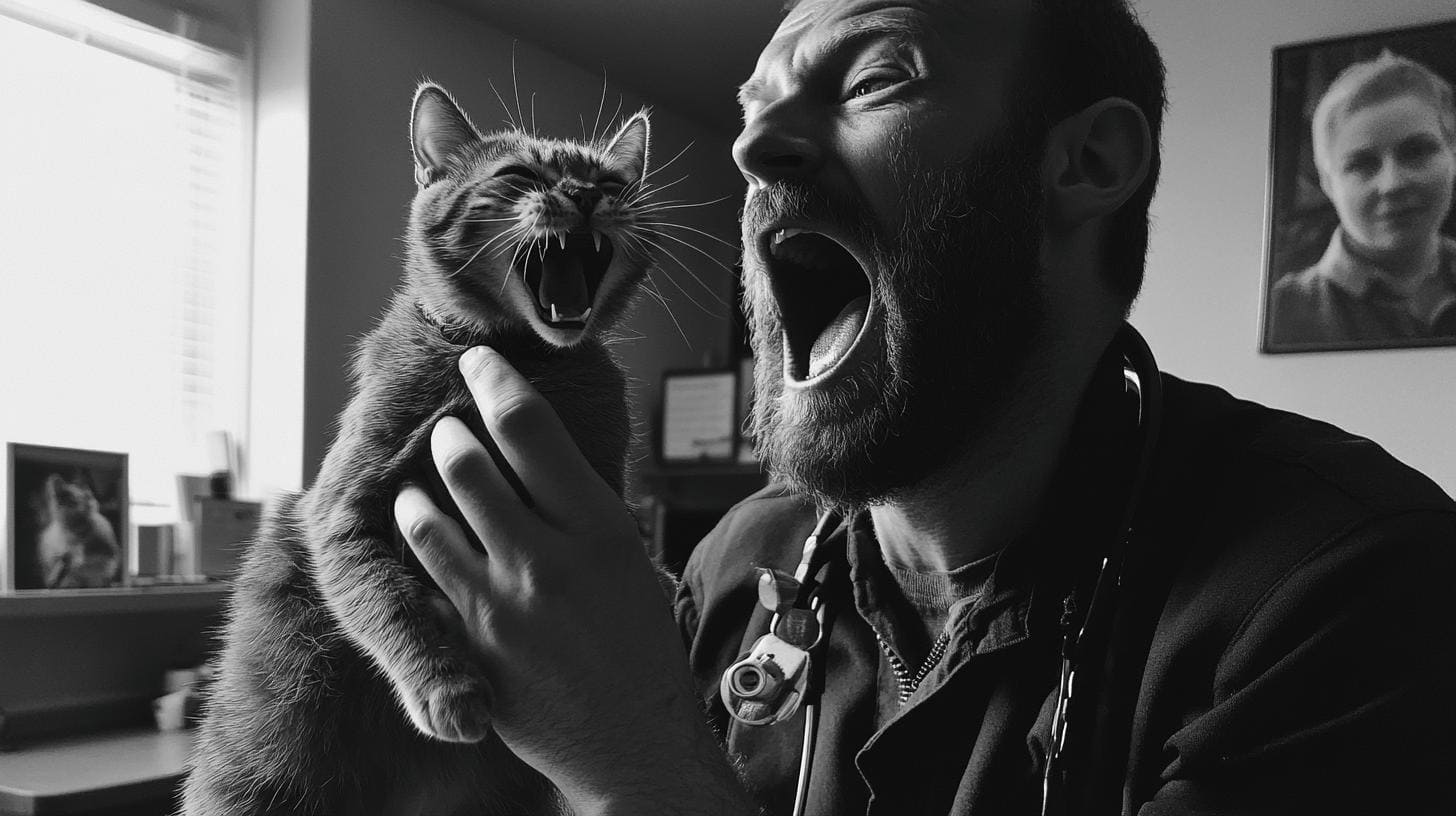
Before you start training your cat to be quiet, it's crucial to rule out any medical conditions that might be causing excessive vocalization. If your cat's meowing is a new behavior, or if your feline friend is getting older, there could be underlying health issues at play. Conditions like hearing loss, hyperthyroidism, or cognitive dysfunction can lead to increased vocalizations. A visit to the veterinarian will help determine if a medical issue is contributing to your cat's chatter. Getting a clean bill of health is the first step in addressing any excessive noise.
Beyond medical reasons, behavioral factors can also lead to a chatty cat. Sometimes, we might unintentionally reinforce the very behavior we want to change. If you rush to feed, pet, or play with your cat every time it meows, you might be teaching it that meowing gets results. Your cat learns that vocalizing is a successful way to get attention or treats. Identifying these behavioral patterns is key to understanding why your cat might be more vocal than usual.
If excessive meowing persists, consulting a veterinarian can provide further insights. A vet can offer advice on distinguishing between normal communication and problematic vocalization. They might suggest behavioral strategies or recommend a specialist in feline behavior. Professional guidance ensures that you address the root cause of the issue, helping you and your cat communicate more effectively without the constant noise.
Training Techniques to Reduce Cat Vocalization
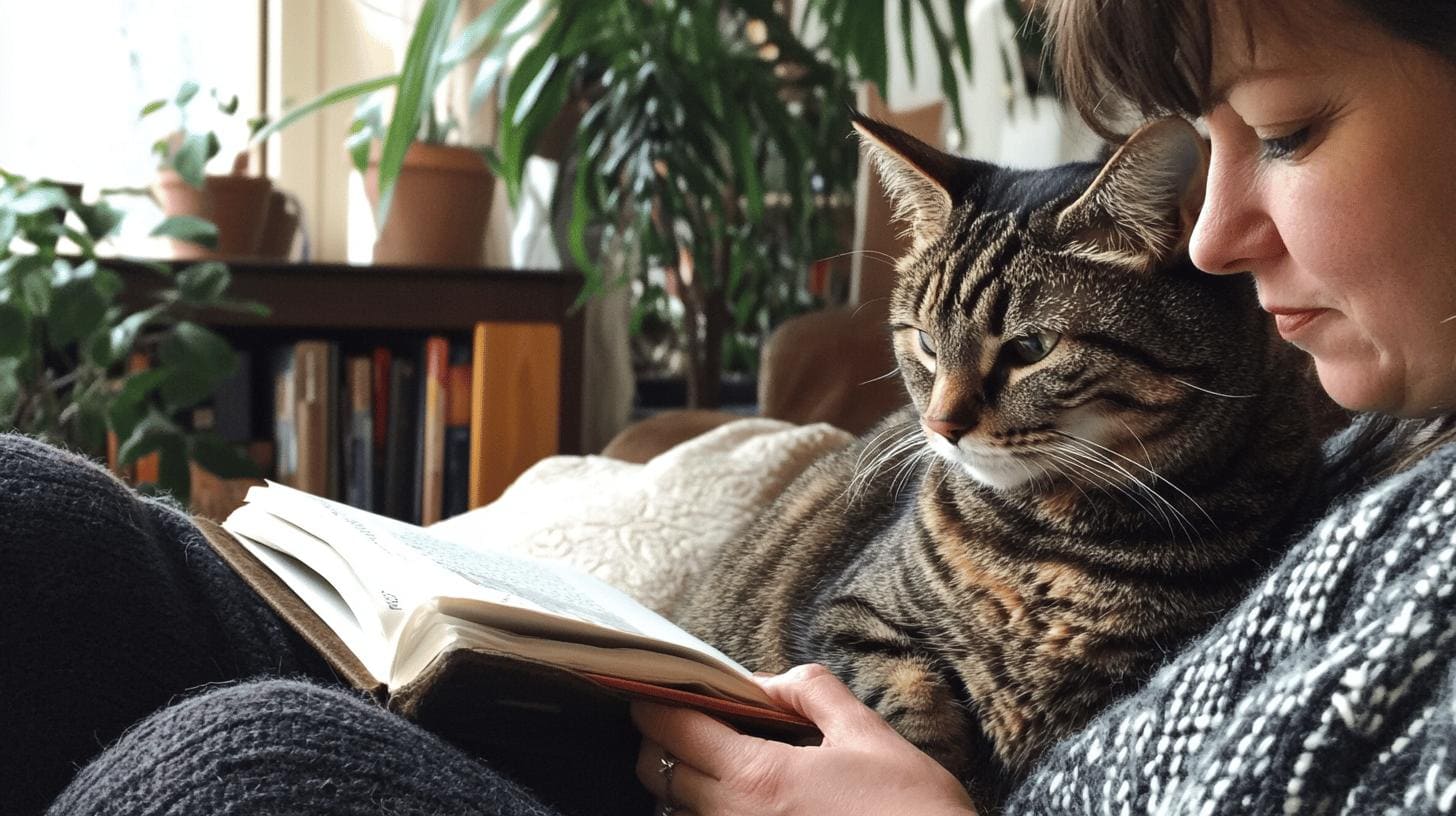
Training a cat to be quieter is all about understanding their behavior and using it to guide them gently. Cats are smart and can learn what actions lead to rewards. The key is to reinforce the behaviors you want while ignoring the ones you don't. By doing this, you teach your cat that silence, rather than meowing, is what gets them the attention or treats they crave. This approach requires consistency and patience, but with time, your cat will start to meow less.
Here are five practical steps to train your cat to be quieter:
- Ignore the Meowing: Do not respond to your cat's meows. This can be tough, but it’s essential to avoid reinforcing the behavior.
- Reward Silence: When your cat is quiet, immediately reward them with a treat or affection.
- Increase Quiet Time: Gradually extend the time your cat must be quiet before getting a reward.
- Use Clicker Training: Consider using a clicker to mark the quiet moments and follow it with a treat.
- Create a Routine: Consistent feeding and playtimes can reduce meowing caused by uncertainty or boredom.
Patience and consistency are crucial throughout this process. Cats won't change their behavior overnight, and each cat learns at its own pace. Stick to the plan even if progress seems slow. Cats are creatures of habit, and with consistent training, they will begin to understand that silence is golden. The rewards will reinforce this new behavior.
You might wonder how long it takes to see results. While some cats may show improvement in just a few weeks, others might take a couple of months. This timeline varies depending on the cat's personality and the consistency of your training. Keep the sessions short to avoid overwhelming your feline friend. Remember, every quiet moment is a step toward a more peaceful coexistence with your cat.