Ever glanced at your lounging cat and wondered how to tap into their hidden hunter within? All cats have a natural flair for hunting, but not all reach their full predator potential without some guidance.
By embracing a cat's instinctive behaviors like stalking and pouncing, you can nurture these skills and boost their hunting game. This isn't just about catching mice—it's also about connecting with your cat and enhancing their playtime. Let's dive into the techniques that transform your furry friend into an effective little hunter.
How to Train a Cat to Hunt: Understanding Natural Instincts
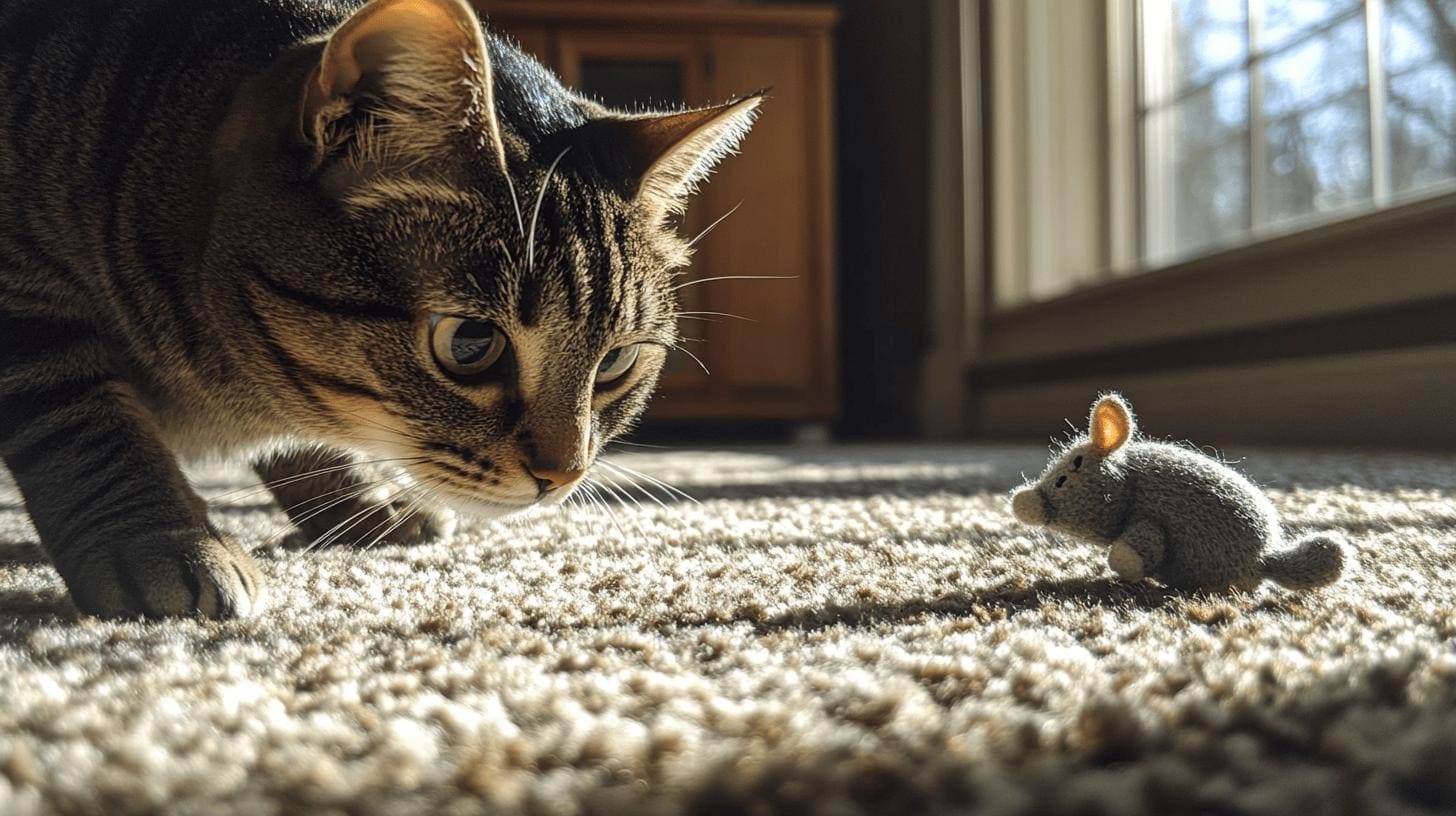
Cats are born hunters, with natural predator instincts that drive their behavior. These feline instincts can be harnessed to enhance a cat's ability to catch mice and other small prey. Training a cat to hunt effectively starts by recognizing and encouraging these innate abilities.
Cats have specific behaviors such as stalking, pouncing, and chasing that mimic hunting in the wild. These behaviors are essential for survival and can be stimulated through play and training. However, not all cats have the same level of instinct to hunt. It’s crucial to observe your cat’s natural tendencies and build on them to develop their skills further.
Here are some breed-specific traits that can influence a cat's hunting abilities:
-
Bengals: Known for their high energy and agility, making them exceptional hunters.
-
Siamese: Highly intelligent and curious, often showing strong predatory instincts.
-
Maine Coons: Large and powerful with a natural aptitude for hunting.
-
Abyssinians: Active and playful, they have a strong drive to chase and catch.
-
American Shorthairs: Historically bred for rodent control, they have a natural talent for hunting.
Recognizing these traits is crucial before starting any training. Understanding what drives your cat will help you tailor the training approach. By tapping into their natural instincts, you can create a more effective and engaging hunting experience for your feline friend.
Essential Tools and Toys for Cat Hunting Training
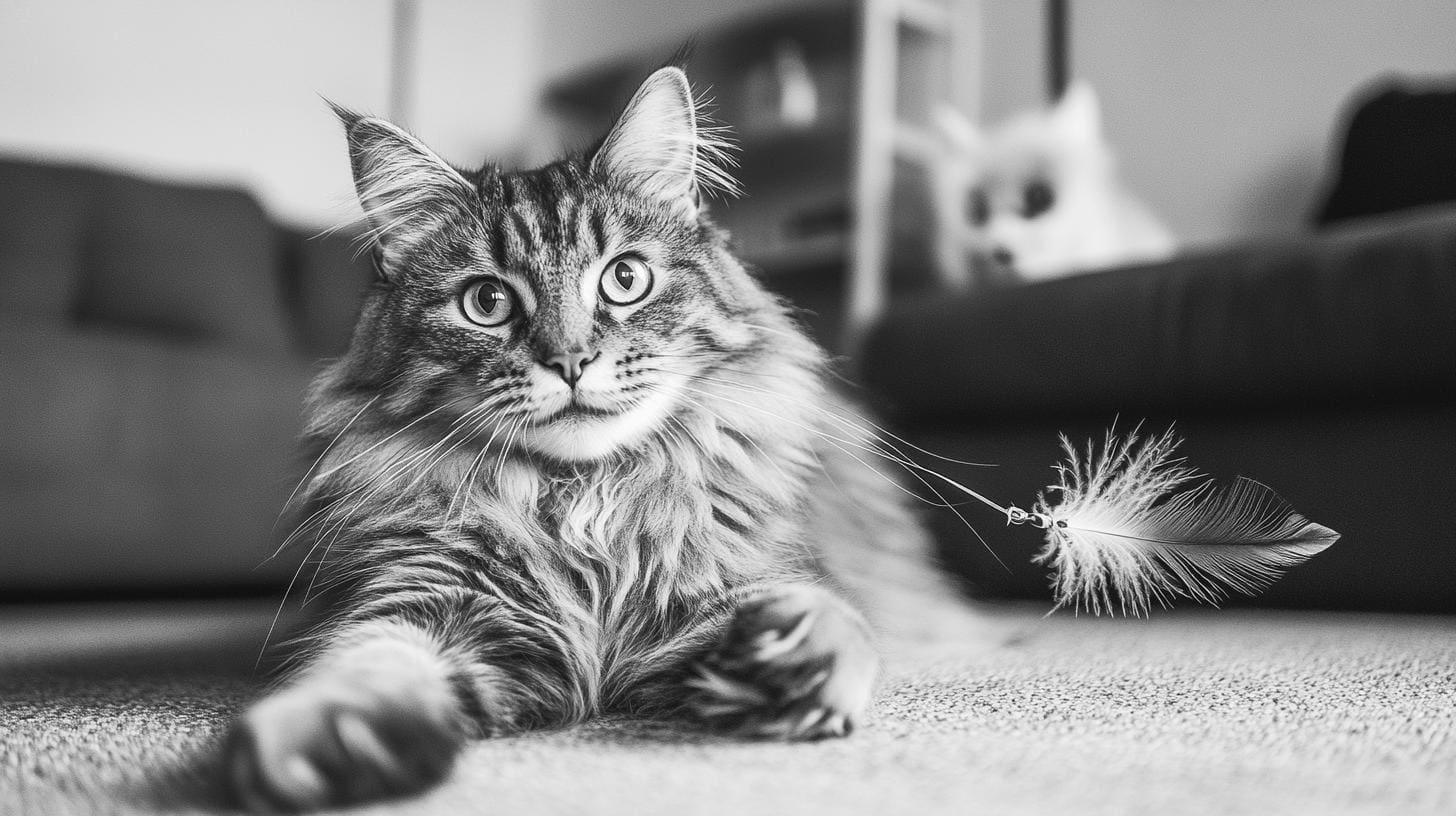
Using the right tools is crucial when training your cat to hunt effectively. Interactive play not only stimulates a cat's natural predator instincts but also provides essential mental and physical enrichment. The right hunting toys for cats can make all the difference in keeping your feline engaged and honing their hunting skills.
-
Feather Wands: These mimic the movement of birds, tapping into a cat's instinct to stalk and pounce.
-
Laser Pointers: Encourage quick reflexes and agility, simulating the chase of fast-moving prey.
-
Toy Mice: With realistic shapes and textures, they trigger a cat's natural prey-catching skills.
-
Interactive Puzzle Toys: These challenge your cat's problem-solving abilities, rewarding them with treats or kibble.
-
Crinkle Tunnels: Provide a hiding spot that mimics natural hunting grounds, perfect for ambush practice.
-
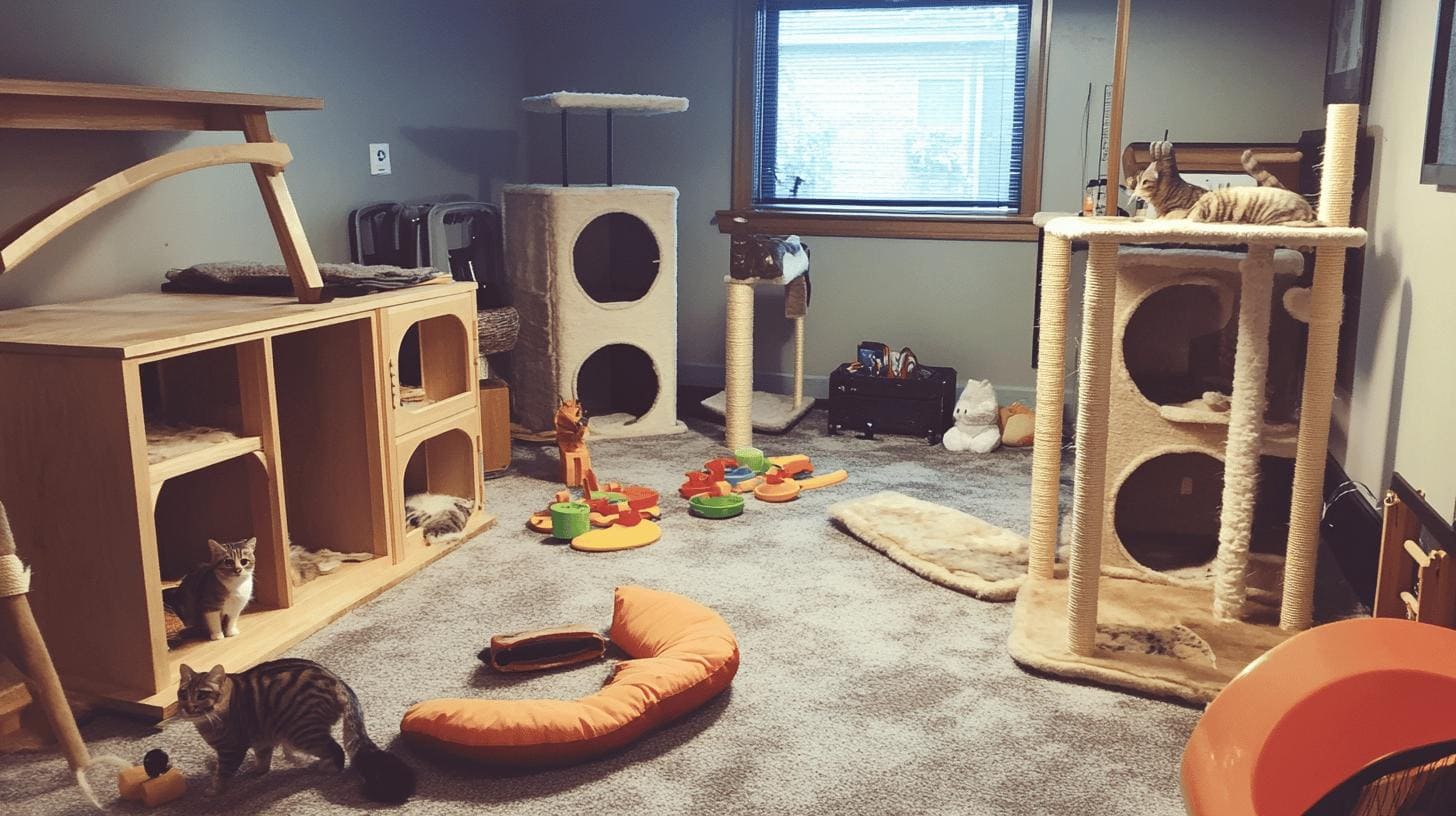
Climbing Structures: Help develop physical strength and agility, essential for a successful hunt.
- Catnip Toys: Use enticing scents to stimulate interest and playfulness, enhancing the hunting experience.
These tools not only entertain but also create an environment that encourages natural hunting behavior. By incorporating engaging hunting toys, you allow your cat to practice essential skills like stalking and chasing in a safe, controlled setting.
This setup mimics the challenges they would face in the wild, offering a comprehensive approach to training. With these tools, you can build a stimulating and rewarding hunting ground right in your home, promoting a healthier and happier cat.
Training Techniques to Enhance a Cat's Hunting Skills
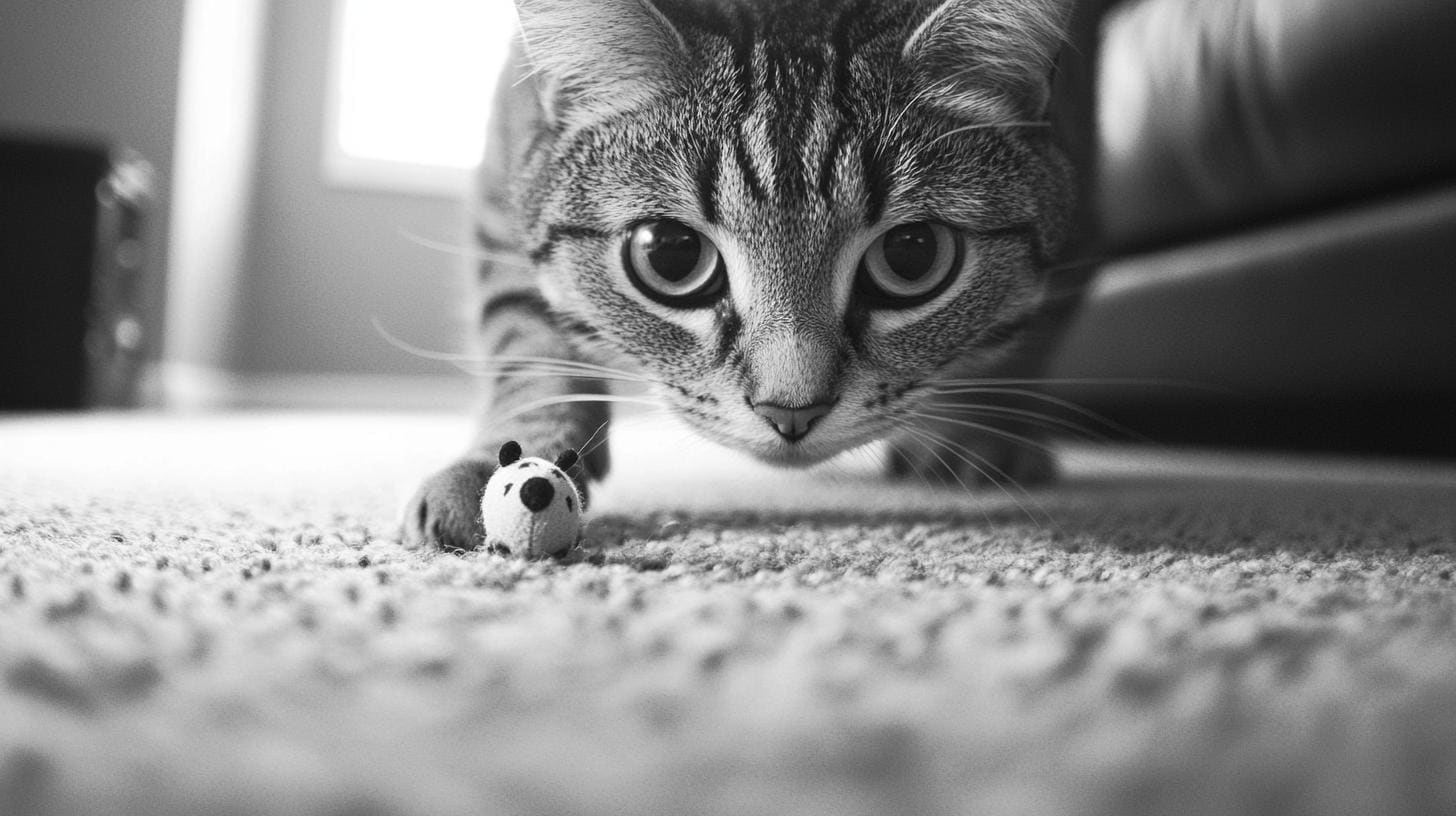
Integrate hunting training into your cat's routine by focusing on its natural instincts and reaction time. Patience and consistency are key to fostering these skills effectively.
Engaging Natural Instincts
Observe your cat’s natural hunting behaviors like stalking and pouncing. Use toys such as feather wands and laser pointers to mimic prey movement. This interactive play keeps your cat mentally stimulated and engaged. Introduce various toys to maintain interest and encourage your cat’s natural abilities. Notice cues like tail twitching or focused eyes, as these indicate active engagement. Consider corrective training techniques to guide and refine their instinctive behaviors during play sessions.
Positive Reinforcement
Reward desired hunting behaviors with treats or affection. This reinforcement should follow immediately after actions like catching a toy mouse or successfully stalking a feather wand directional training. Avoid punishment to prevent stress and setbacks. Consistent rewards help your cat associate actions with positive outcomes, enhancing learning.
Reaction Time Exercises
Enhance your cat’s reaction time with exercises requiring quick reflexes. Move a laser pointer erratically or toss a toy for your cat to catch. Begin with slower movements, gradually increasing speed as your cat improves. These activities simulate real hunting scenarios, vital for catching mice and other prey.
Patience and consistency are crucial in training. Cats learn at their own pace, so maintain a regular schedule and positive experiences to develop their hunting skills.