Ever thought training a cat was impossible? You're not alone. Many believe cats are too independent to teach commands. But the truth is, with a little patience and the right approach, your feline friend can learn to sit.
In this post, I’ll guide you through simple steps to make your cat sit on command. Armed with tasty treats and a bit of practice, you'll not only teach your cat a new trick but also improve your bond and playtime experience. Ready to see your cat master the art of sitting? Let’s get started!
Step-by-Step Guide to Train Your Cat to Sit
-
Gather Your Tools
Start with some tasty cat treats. These will be the main motivator. Make sure your cat is in a quiet space where it won't be distracted. -
Use a Treat as a Lure
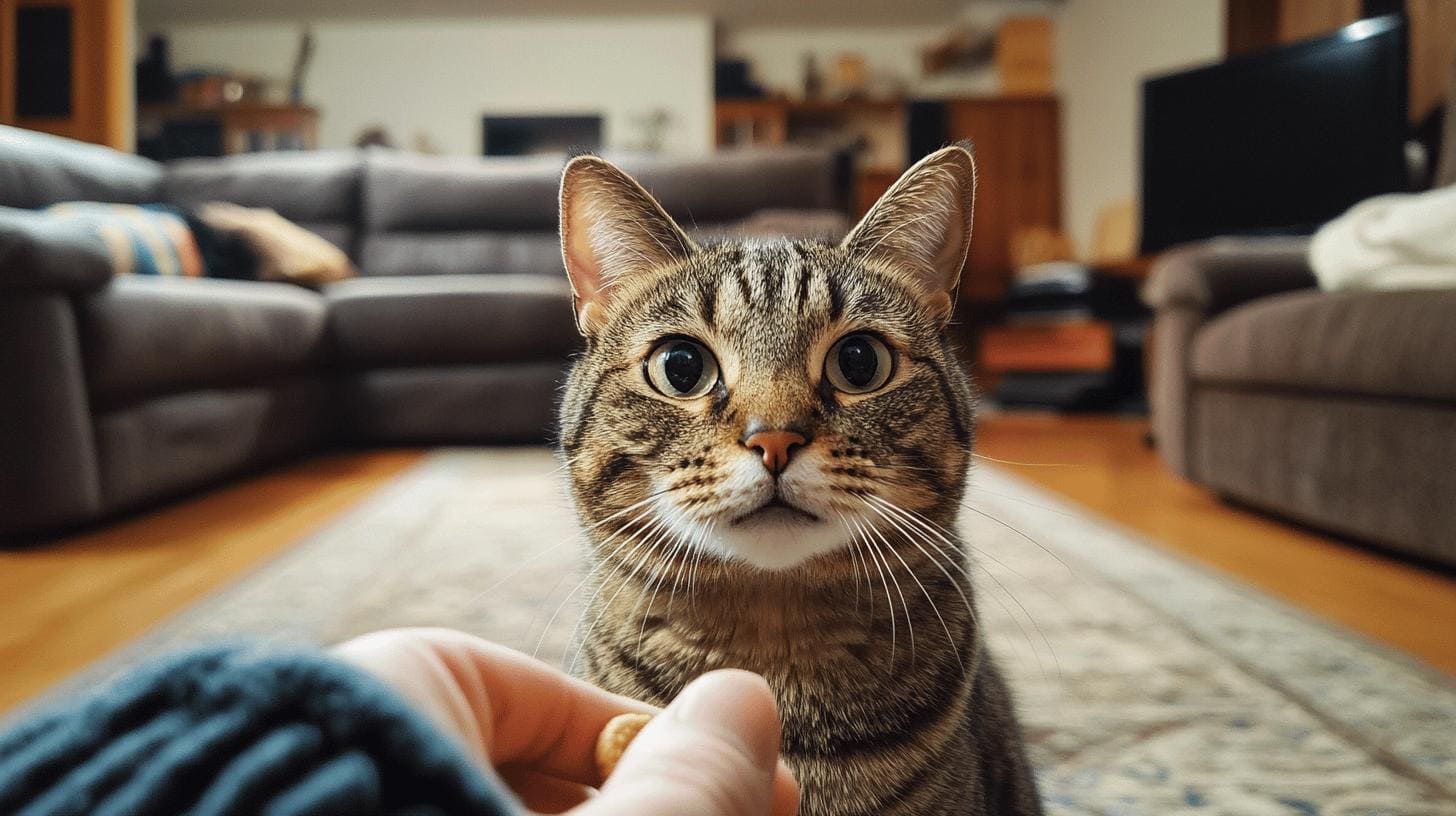
Hold a treat close to your cat's nose to grab its attention. Slowly move the treat upwards and slightly behind its head. This motion encourages the cat to tilt its head back and naturally lower its bottom into a sitting position. -
Reward the Sit
As soon as your cat's bottom touches the floor, give it the treat. This immediate reward is crucial. It helps your cat connect the sitting action with getting a treat.
-
Introduce the Verbal Cue
Once your cat starts sitting with the lure, begin saying "sit" as it performs the action. This helps your cat associate the word with the behavior. -
Practice Consistently
Repeat this process for a few minutes daily. Keep training sessions short, around 5-10 minutes, to maintain your cat's interest. Over time, your cat will sit on command without needing the treat as a lure.
Training a cat to sit requires patience and consistency. Cats can learn at their own pace, and it's important to practice regularly. Always praise your cat with a gentle voice and affection to make the experience positive and enjoyable.
Tools and Techniques for Effective Cat Training
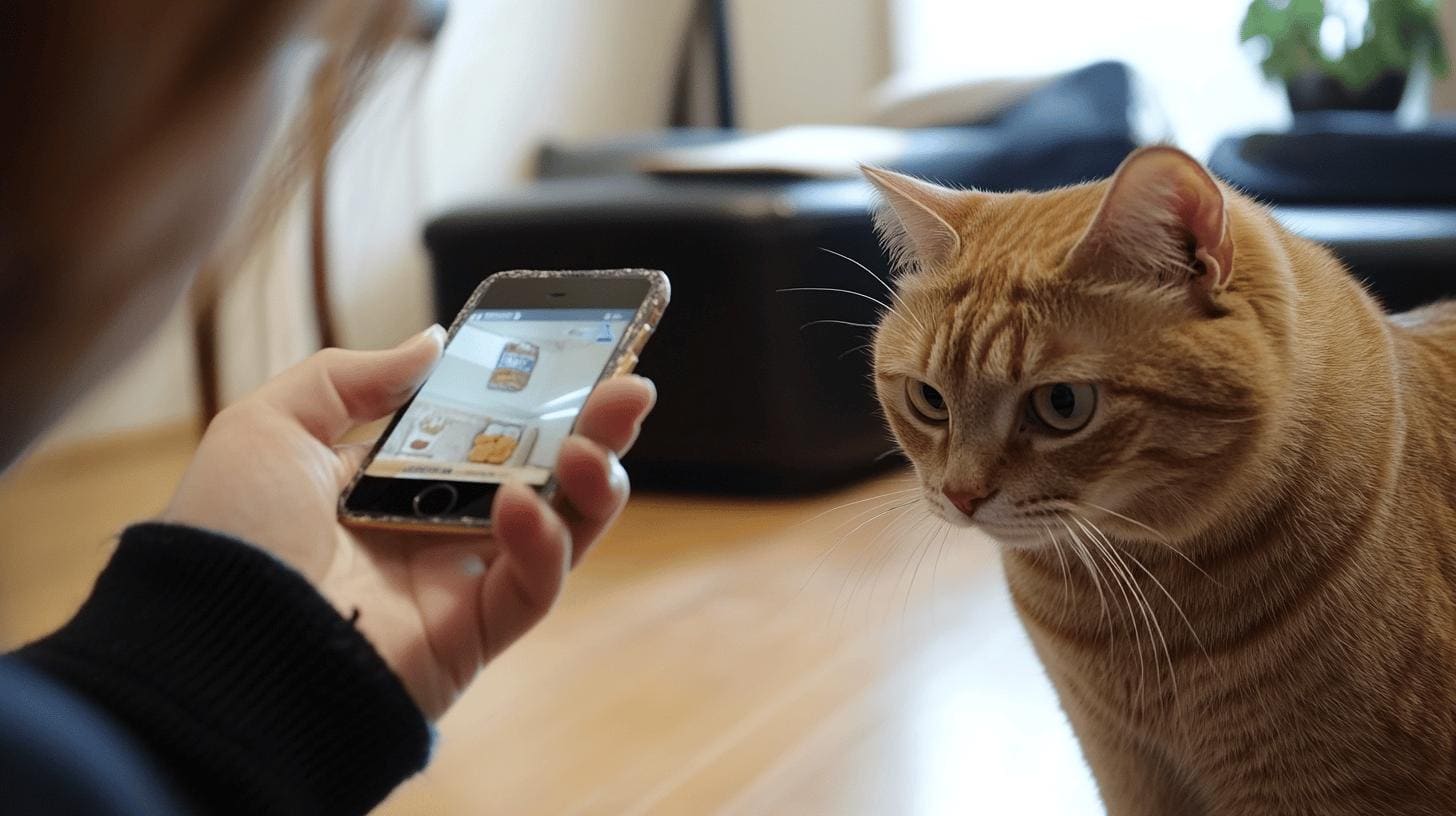
Using the right tools can make training your cat much easier and enjoyable for both you and your furry friend. Treats and clickers are two key items that can greatly enhance the effectiveness of your training sessions. They help reinforce the behaviors you want to encourage, making the learning process smoother.
-
Treats
Treats are essential for cat training. They act as a motivator, encouraging your cat to repeat actions that result in a reward. Choose treats that your cat loves and that are small enough to be given frequently without overfeeding. -
Clickers
A clicker is a small device that makes a distinct clicking sound. When used correctly, it marks the exact moment your cat performs the desired behavior. This helps your cat understand what action is being rewarded. Clicker training is an effective method because it provides clear communication between you and your cat. -
Alternative Sound Cues
If you don't have a clicker, you can use alternative sounds like snapping your fingers or making a "tch" sound. The key is to use the same sound consistently so your cat learns to associate it with a reward.
Keeping training fun and positive is crucial. Cats respond best when they enjoy the experience, so keep sessions short and engaging. Always use a gentle tone and offer plenty of praise along with treats. This approach not only reinforces good behavior but also strengthens your bond with your cat.
Overcoming Common Challenges in Cat Training
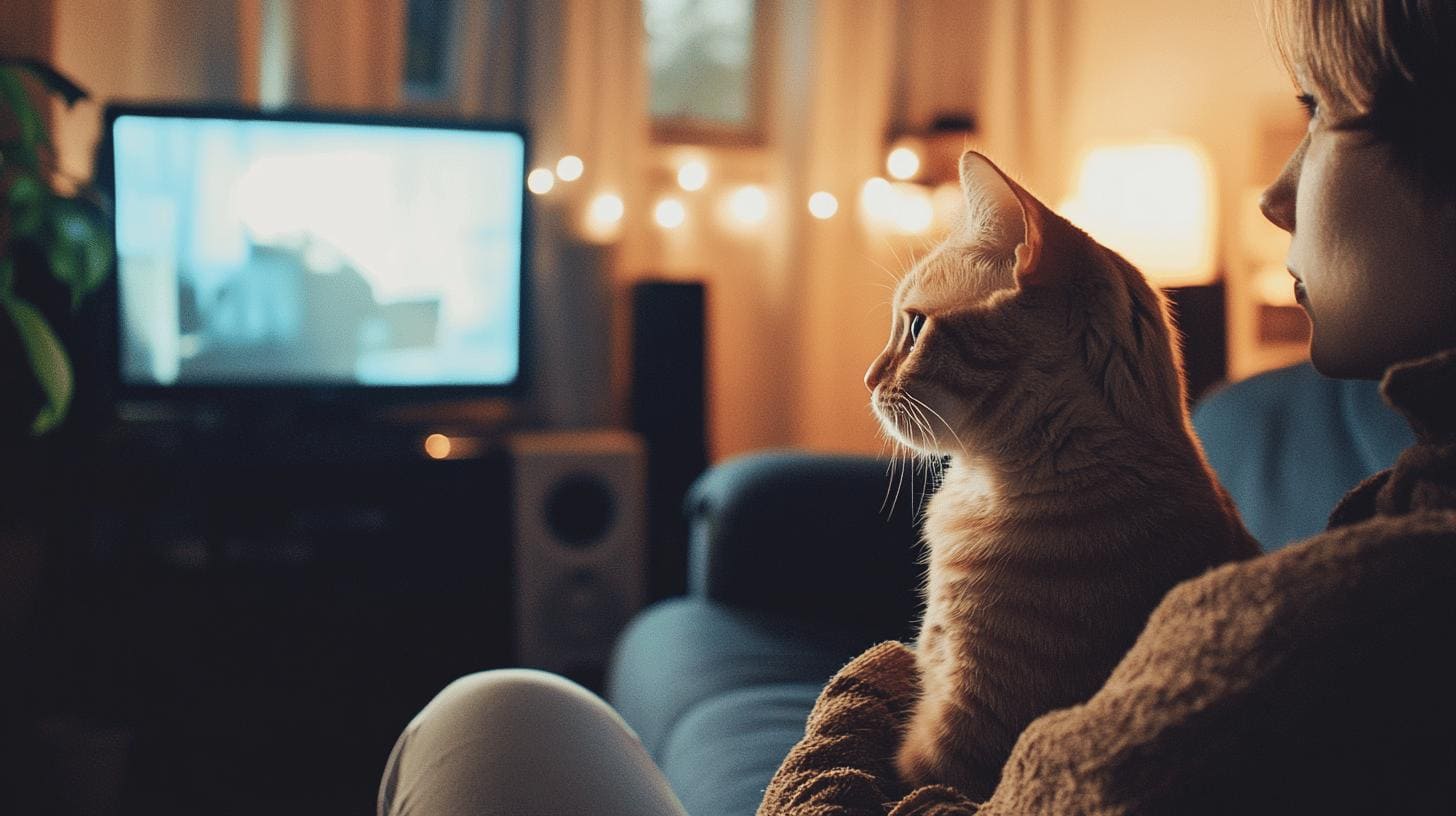
Training a cat can be tricky. Some common pitfalls can slow progress or reinforce unwanted behaviors. Clawing, inconsistent cues, and nervousness often arise during training. Understanding these challenges helps in creating a better training environment.
-
Clawing for Treats
Cats might swipe at your hand if they're eager for treats. Avoid rewarding this behavior. Keep your hand steady and only offer the treat when your cat sits without clawing. -
Inconsistent Cues
Using different words or gestures confuses cats. Stick to one verbal cue and one hand motion. Consistency helps the cat connect the command with the action. -
Nervousness
Nervous cats may hesitate to follow commands. Create a calm environment. Reduce distractions by training in a quiet room. Speak softly to soothe your cat's nerves.
- Lack of Engagement
Cats can lose interest quickly. Keep training sessions short and fun. Use high-value treats and plenty of praise to maintain their enthusiasm.
Creating a positive atmosphere is key. Always focus on encouraging good behavior with rewards and praise. Patience and kindness go a long way in making training enjoyable for your cat. Remember, a calm and supportive environment helps your cat feel confident and eager to learn.