Ever wondered why some cats casually stroll through a cat flap, while others treat it like a terrifying trap? Training your cat to use this handy exit can seem a bit tricky, but it's simpler than you think. The secret lies in patience and consistent steps. In this guide, I'll walk you through the process from introduction to mastery. You'll discover how to make your cat comfortable with the flap, turning it into just another part of their safe and cozy world. Ready to get started? Let's dive in!
Comprehensive Guide on Training a Cat to Use a Cat Flap
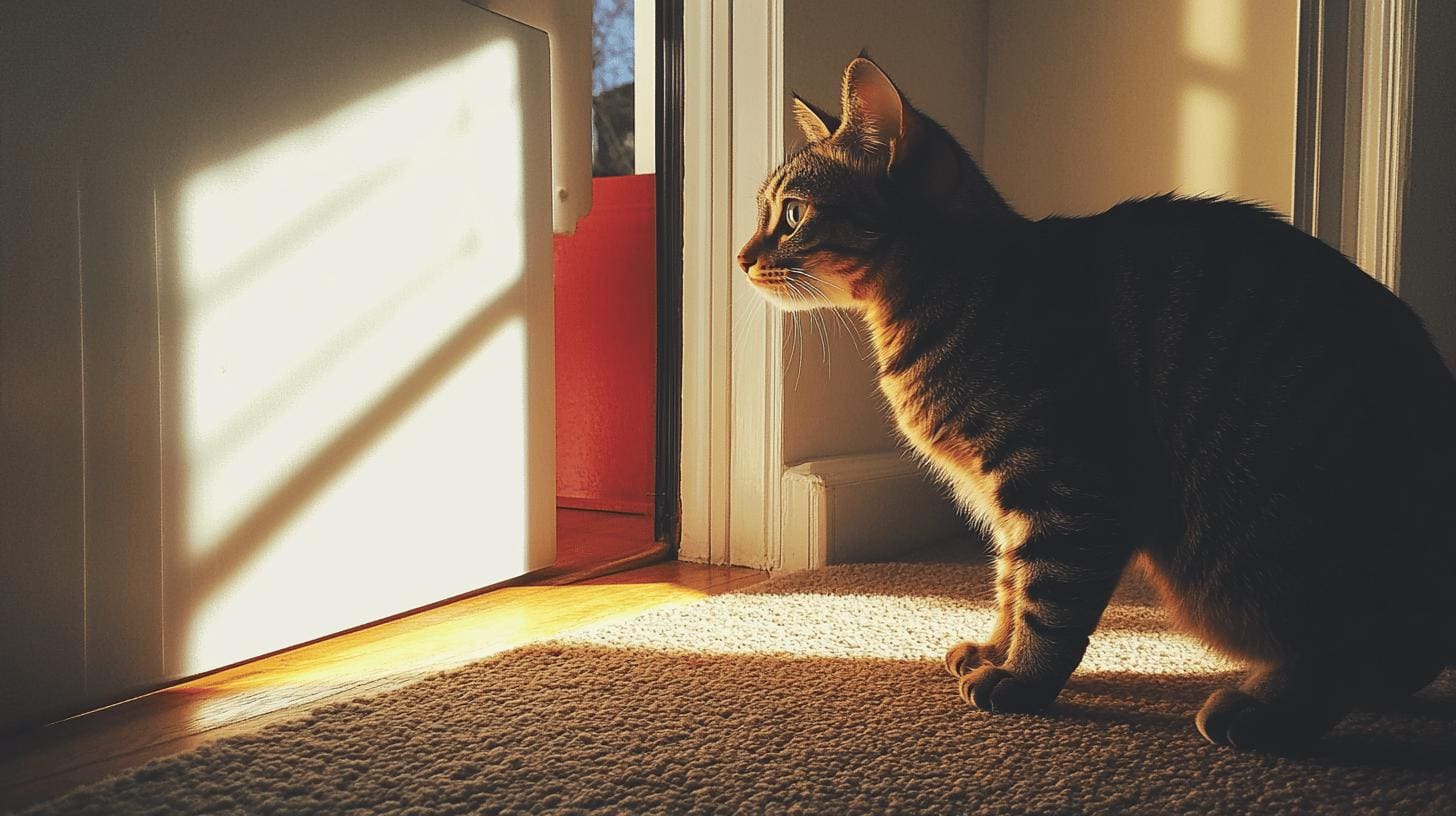
Training a cat to use a cat flap requires patience and consistency. The key is to introduce the flap gradually, allowing your cat to familiarize itself without feeling threatened. Start by leaving the flap open so your cat can explore and sniff around it.
This exposure helps reduce fear and builds curiosity. By making the flap a regular part of their environment, cats are more likely to investigate and attempt to use it. Make sure the flap is at a comfortable height and size for your cat to pass through easily. Creating a positive association with the flap is crucial in this initial phase.
Step-by-step cat door training:
- Introduce the Flap: Prop the flap open and let your cat explore without any pressure door training. Reward them for showing interest.
- Demonstrate Use: Gently guide your cat through the flap yourself or use a toy to entice them through.
- Gradually Lower the Flap: Once your cat is comfortable with the open flap, start lowering it a little more each time they use it.
- Use Treats: Encourage your cat with treats or their favorite snacks on the other side of the flap.
- Repeat and Reinforce: Consistently practice these steps daily to build confidence.
- Close the Flap: When your cat is accustomed to pushing the flap, close it completely and watch them navigate it independently.
Positive reinforcement is a powerful tool in cat training. Offering treats, praise, and affection can motivate your cat to engage with the flap. Treats like small pieces of cooked chicken or commercial cat treats are excellent incentives.
Toys can also be useful; dangling a toy through the flap or using a laser pointer can entice a playful cat to pass through. Remember to celebrate small victories. Each time your cat uses the flap, reward them with enthusiasm to reinforce the behavior.
Troubleshooting common issues may involve addressing your cat's reluctance or fear. Ensure the flap is the right size and is located in an accessible area where your cat feels safe. If your cat seems frightened by the noise, try taping a soft cloth on the flap edge to muffle it.
Practice patience and maintain a calm demeanor to help your cat feel secure. Consistent practice is essential, so incorporate flap training into your daily routine. With time and encouragement, your cat will naturally learn to navigate their new point of access.
Choosing the Right Cat Flap for Your Pet
evening access.com/wp-content/uploads/2024/12/Choosing-the-Right-Cat-Flap-for-Your-Pet-1.jpg” alt=”Choosing the Right Cat Flap for Your Pet-1.jpg”>
When it comes to selecting a cat flap, there are several options to consider. Manual models are the simplest and require your cat to push the flap open. Electronic flaps, on the other hand, offer the advantage of controlled access, often using a sensor to unlock the flap when your cat approaches.
Microchip-activated flaps provide added security by recognizing your cat's microchip, preventing stray animals from entering your home. Each type has its benefits, and the choice largely depends on your lifestyle and how much control you want over your cat's comings and goings.
The size of the cat flap is crucial for your pet’s comfort and ease of use. A flap that is too small can make it difficult for your cat to pass through, leading to frustration and reluctance to use it. Measure your cat from the ground to the base of its stomach to ensure the flap is at a suitable height. A properly sized flap should allow your cat to move through without squeezing or struggling, encouraging regular use.
| Type of Cat Flap | Features |
|---|---|
| Manual | Simple, cost-effective, requires cat to push open |
| Electronic | Sensor-based, controlled access, often programmable |
| Microchip-Activated | Recognizes microchip, prevents entry by stray animals |
When deciding on a cat flap, take into account your cat's temperament and your home's security needs. A timid or anxious cat might benefit from a quieter, microchip-activated flap. If security is a priority, an electronic or microchip model can prevent unwanted guests. Ultimately, the right cat flap will balance your pet's comfort with the necessary security features for your home.