How to Train a Cat to Use a Litter Box Effortlessly

Ever had a furball treat your carpet like a bathroom? My Luna once sniffed her litter box (a small tray filled with absorbent clumping sand) for five minutes and then flopped onto the couch in defeat. Oops, hello midnight clean-up on the rug.

No more yucky surprises or awkward scrubbing sessions. This nightly ritual feels like its own little celebration – and yes, it’s going to be claw-tastic!

You’ll learn five easy steps that turn shy kittens or stubborn seniors into confident litter box pros in just a few weeks. Think of it like a bedtime story for your cat, only with soft paws padding in fresh litter (tiny absorbent granules) instead of the carpet.
Worth every paw-print.

Essential Litter Box Training Steps for Cats
- Essential Litter Box Training Steps for Cats.jpg

Ready to help your kitty master the litter box? These five easy steps will have your feline friend digging and covering like a pro.

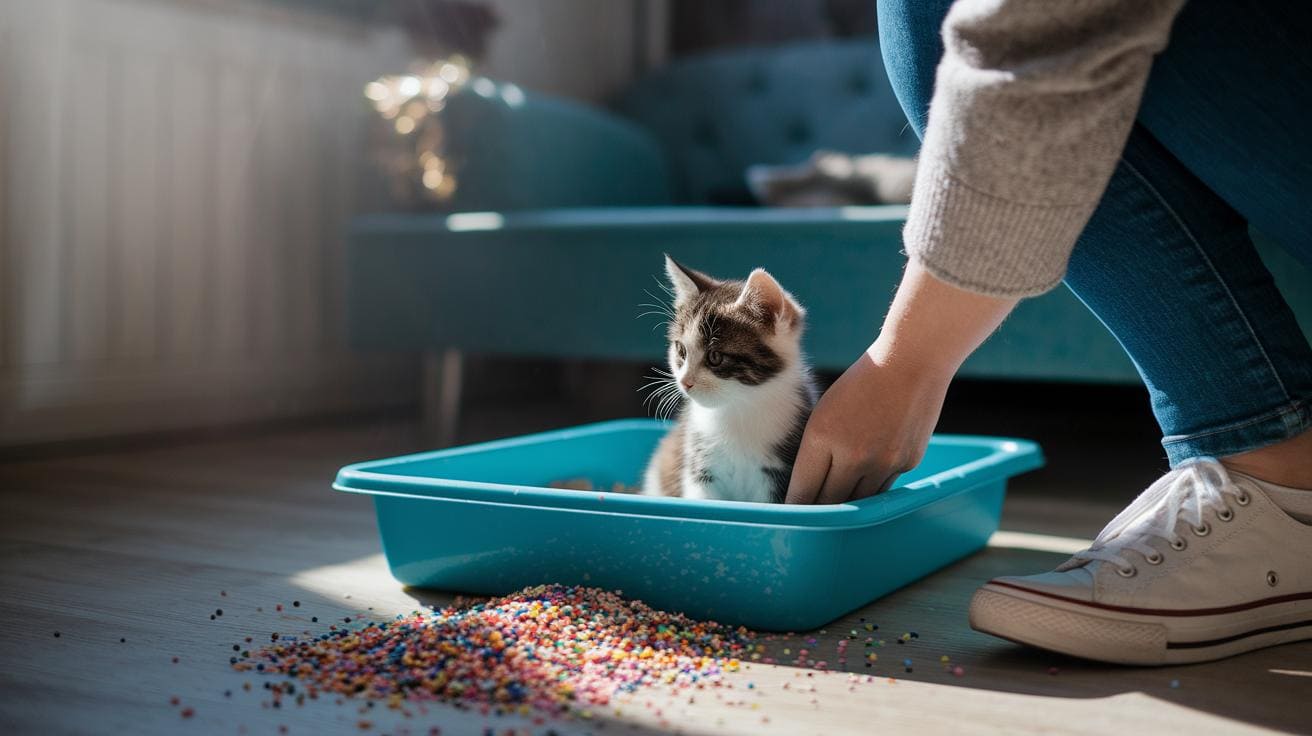
  • Confine your cat in a small, quiet room with one shallow box (a low-sided pan filled with litter).
  • Pour in about 2 inches (the height of two stacked quarters) of fresh, clean litter.
  • Gently place your cat in the box right after meals, naps, or play, cats often need to go within ten minutes of eating or waking.
  • If they wander off target, guide them back and praise them warmly: “Good job, sweet kitty!”
  • Repeat these steps several times a day so the routine really sinks in.

A steady schedule makes your cat feel safe. Think of it as setting up a little litter box ritual, your cat learns the cue, and you get fewer surprises on the carpet.

Choosing a quiet corner for the box removes guesswork. A shallow pan gives easy access, and that two-inch layer lets paws dig and scratch, just like they would outside.

Bonus tips for fast success:

  1. Scoop waste daily and top off the litter to keep that 2-inch depth.
  2. Praise within five seconds of a successful visit, try a tiny treat or a clicker click, and never punish accidents.
  3. After every meal, nap, or play session, guide your cat back to the box so they connect the dots.

Patience really pays off. Stick with this positive routine, and most cats will be litter-box pros in four to six weeks. Worth every paw print.

Choosing the Right Litter Box and Litter for Training
- Choosing the Right Litter Box and Litter for Training.jpg

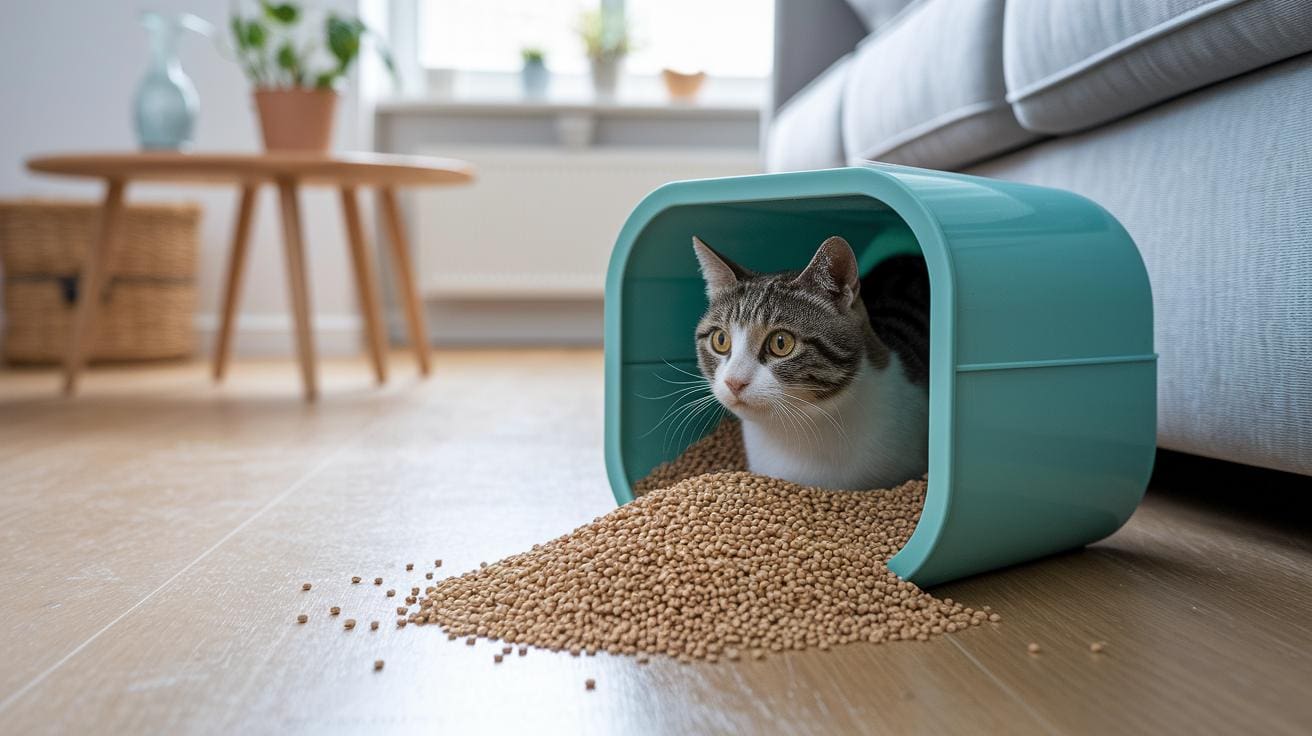
Let’s talk litter box size. Your pan should be at least one-and-a-half times your cat’s body length so they have room to stretch, spin, and scoop like a tiny excavator. Fill it with about 2 inches (two stacked quarters high) of litter so kitty can cover their business without bumping the sides. Ever watched your kitty dig in fresh litter? It’s like a sandbox for cats.

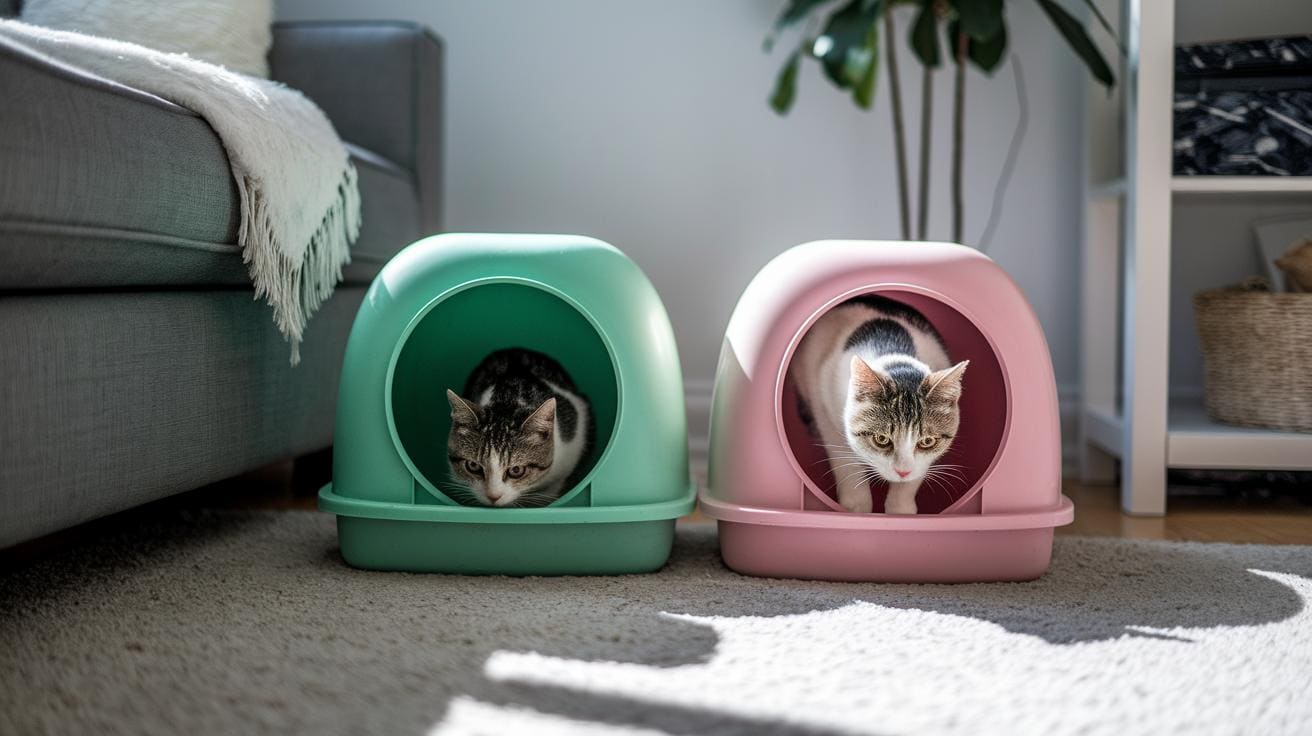
Open pans are perfect for beginners since they let odors drift away and give easy access. Covered boxes feel like a private den, oops, did I say den? I mean cozy hideout, but they can trap smells and make shy cats hesitate at the entrance.

Box Style Pros Cons
Open Pan Easy access, no odor buildup More scatter, less privacy
Covered Pan Privacy, odor control Harder to enter, trapped smell
Self-Cleaning Automated scooping Costly, may frighten cats

Clay clumping litter (ground fine clay that sticks together) makes scooping a breeze, but dusty clay can tickle tiny lungs. For less dust, try paper pellets (bits of recycled paper), wood pellets (compressed sawdust), or silica crystals (tiny moisture-trapping beads). They soak up wetness and lock in smells without the heavy dust cloud. Natural litters swap out chemicals for simple plant ingredients, good for curious noses and paws.

Fill the pan to about 2 inches high, too deep and the litter flies when they dig, too shallow and they can’t cover. Some cats kick like pros, so a high-sided pan or rim helps catch flying granules. Tiny kittens may prefer an open cardboard tray at first before leveling up to a regular box.

Then watch your cat’s reaction and stick with what they dig. Try one change at a time over a few days to find the claw-tastic combo. A happy cat means a neater home. For a deeper dive on each type, check out Cat Litter Choices.

Optimal Litter Box Placement to Encourage Use
- Optimal Litter Box Placement to Encourage Use.jpg

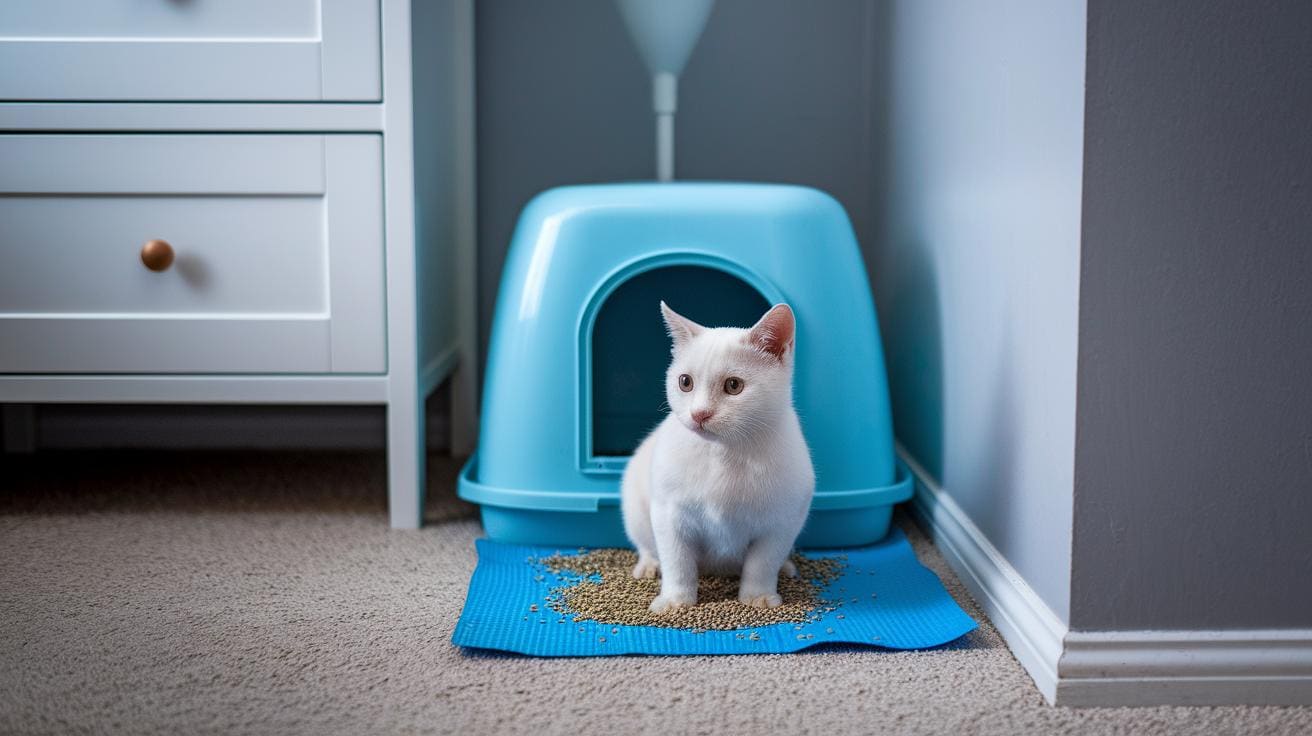
Place each litter box in a quiet corner with few distractions. Cats hate eating next to their bathroom, so keep the box well away from food and water bowls. Slip it into a calm spot with no echoing footsteps or door swings. Your kitty will feel safe, and you’ll see them pick the box over your carpet!

Getting the right number of boxes removes guesswork and hushes catted standoffs. Aim for one litter box per cat plus one extra. So if you have two cats, spread out three stations around your home. That bonus box gives shy or high-strung kitties a private spot when they don’t want company. Ever seen two fluffballs jockey for the same tray? Problem solved.

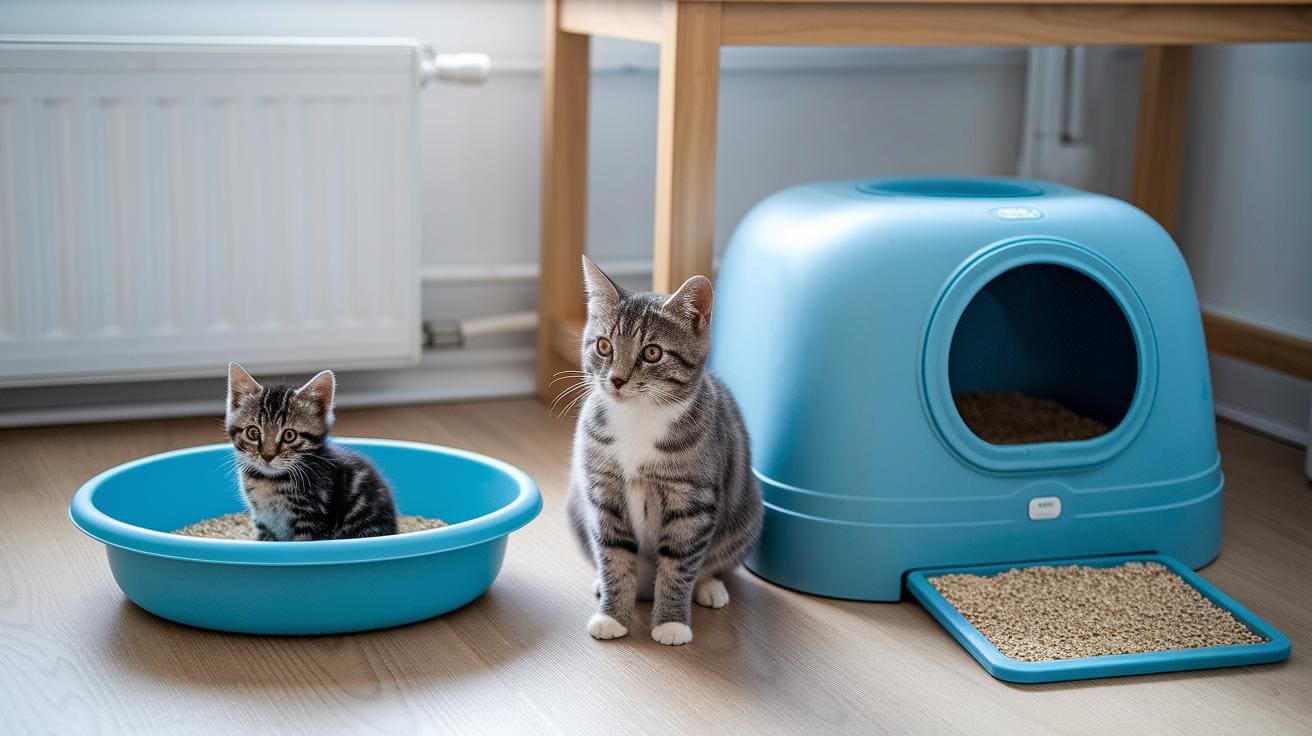
With tiny kittens under eight weeks, keep them in one room so a box is never more than ten feet away. Choose a shallow pan (a low-sided tray that’s easy to step into) and tuck it in a cozy nook. Slide a puppy pad (an absorbent mat) under the box to catch stray bits of litter. This setup builds kitten confidence and slashes floor surprises.

Cleaning and Hygiene Strategies for Consistent Litter Box Training
- Cleaning and Hygiene Strategies for Consistent Litter Box Training.jpg

Each day, scoop out any clumps (those bits of used litter) at least once and give the rest a quick stir so you always have about two inches of clean litter. Ever watched your kitty sniff a messy box and then wander off in protest? A simple morning or evening tidy-up keeps dust puffs down and funky smells away, making it puuurfectly inviting!

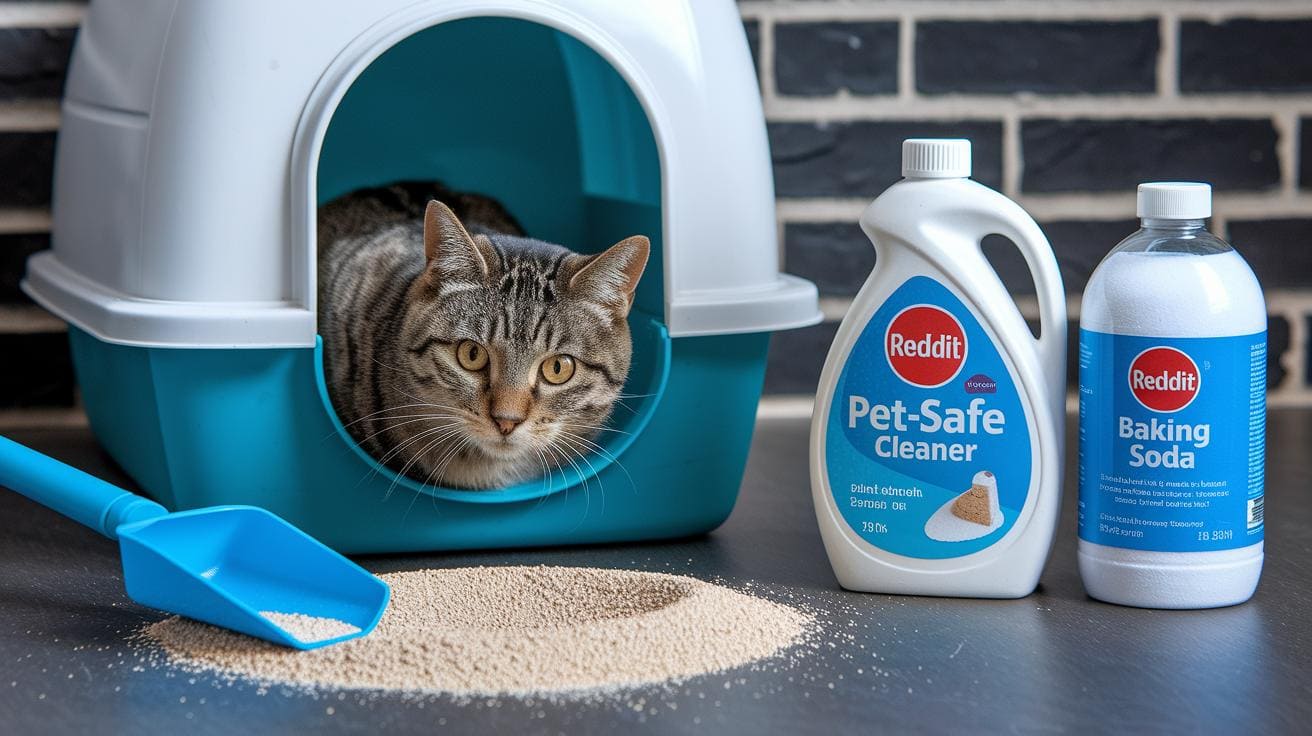
Once a week, dump all the litter and wash the pan with a pet-safe enzyme cleaner (it breaks down yucky odors). Skip bleach or ammonia-based products. Those can scare sensitive noses and even irritate lungs. If you still catch a whiff of old smells, a light sprinkle of baking soda locks in odors without harsh chemicals (Cat Behavior Insights).

  • Scoop once a day and stir to keep two inches of fresh litter
  • Empty and scrub weekly with a pet-safe enzyme cleaner
  • Sprinkle a bit of baking soda for extra odor control
  • Never use bleach or ammonia-based cleaners around your cat
  • Don’t skip scooping for more than two days straight

A clean box isn’t just cozy. It helps stop bacteria and lower the chance of urinary tract infections. Stick to this routine, and your cat will stay happy, healthy, and using the box every single time. Worth every paw-print.
Troubleshooting Common Litter Box Challenges

- Troubleshooting Common Litter Box Challenges.jpg

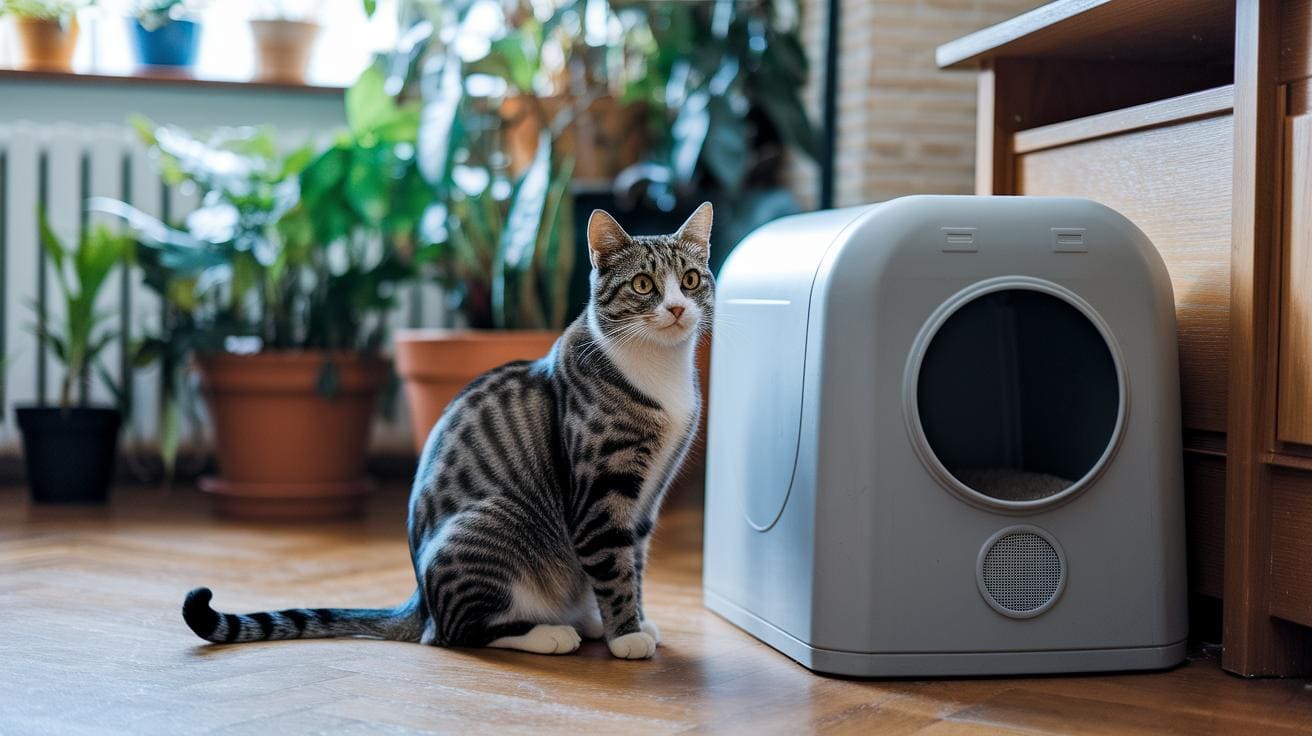
Ever catch your kitty using the rug like a litter box? Let’s fix it so they stay feline fine. Try scooting a shallow box (not too deep) right where they go to give your cat a clear hint. Then scrub the spot with an enzymatic cleaner (a spray that eats away odor molecules) so old smells don’t lure them back.

If your cat suddenly skips the box, you’ve got an elimination puzzle. Offer a new litter type, paper pellets (recycled paper bits) or clay litter, and slowly mix in the old stuff over five to seven days. This gentle swap helps paws adjust without a big hissy fit.

Stress can make your cat miss the box. You might have brought home a new pet or moved the couch. Hang a pheromone diffuser (a plug-in that spreads calming cat vibes) and stick to regular feeding and play times. And whisper a soft “you’re okay” now and then, because sudden changes can send paws running for cover.

When nothing else helps, time for a vet check. If you spot straining, little dribbles, or any pain signs, your cat might have a UTI (urinary tract infection) or another issue. Early treatment keeps your furball feeling paw-some.

Better safe than sorry.

Litter Box Training for Kittens, Adult, and Senior Cats

- Litter Box Training for Kittens, Adult, and Senior Cats.jpg

Got kittens or grown cats? Check those tips above first. Then stick around for our senior cat guide.

Litter Box Tips for Senior or Less-Mobile Cats

Ever watch an older kitty tiptoe around a tall litter box, let out a tiny sigh, then just wander off? I’ve been there. When your feline friend has arthritis (stiff joints), those high sides can feel like a cliff, you know?

Next, swap in low-entry pans (litter boxes with one side under 1 inch) so your cat can step in without a leap. Tuck a gentle ramp (like tiny pet stairs) next to each pan to ease achy paws. And place one box on every floor so your senior doesn’t have to climb stairs.

Low-entry pans are a real game-changer.

  • Pick low-entry pans with one side under 1 inch so senior paws slip right in
  • Add gentle ramps or pet steps for easy hopping
  • Give each floor its own litter spot to cut down on stairs
  • Keep boxes near sunny nap nooks so your cat remembers where to go
  • Use dust-free, soft litter (no fine powders) for tender paws

Advanced Tips: Multi-Cat Households and Long-Term Success

- Advanced Tips Multi-Cat Households and Long-Term Success.jpg

Ever set up litter spots for a crew of kitties? Here’s a pro tip: give each cat their own box and one extra just in case. Spread them out, maybe tuck one in the laundry room, another in a quiet hallway, and one near a sunny window. This way, every kitty gets a paw-sonal loo and no one feels crowded.

Next, start a simple log for bathroom visits. Jot down when and where each cat goes, it’s like a detective diary. Note how deep the litter is (that soft, gritty stuff), how often you scoop, and how many times each box gets used each week. These numbers help you spot tiny trouble before it turns into a smelly mess.

Stress can pop up when you bring home a new pet or shuffle furniture, oops, sorry sofa shift! Try a pheromone diffuser (a plug-in that releases calming cat scents) near your litter stations; it’s like zen for kitties. Then peek at your log and tweak placements or litter types. Small changes mean fewer hissy fits and cleaner floors.

Worth every paw-print.

Final Words

You’ve jumped right in with essential litter box training steps, chosen the perfect pan and litter, and found the sweetest spot in your home.

You’ve also got cleaning routines, troubleshooting tips, plus kitten, adult, senior and multi-cat recommendations under your belt. Timing and gentle praise remain your best friends – keep those treats handy and your patience intact.

You’ve mastered how to train a cat to use a litter box, and soon you’ll be celebrating every purr-filled success.

FAQ

How can I train an older cat to use a litter tray?

Training an older cat to use a litter tray starts with a shallow, easy-entry box in a quiet spot, gentle guidance after meals or naps, and praising every correct use until the new routine sticks.

When is it too late to litter train a cat?

It’s never too late to litter train a cat since their instincts stay strong—older cats may just need extra patience, consistent routines, and a vet check to rule out any health issues.

How do I get a cat to use a litter box for the first time?

Introducing a cat to a litter box for the first time involves placing them in a shallow box after meals and naps, keeping about two inches of litter (fine-grain material), and offering praise each time.

How do I train an outdoor cat to use a litter box?

Training an outdoor cat to use a litter box means starting with a box in a sheltered outdoor spot, adding some used litter to transfer scent, then gradually moving it indoors until they follow.

How can I litter train a kitten quickly?

Fast litter training a kitten involves offering a shallow tray after every meal or nap, using about one inch of litter for easy digging, confining them to a small area, and rewarding each successful use.

What if my cat won’t use the litter box?

When a cat won’t use the litter box, keep it spotless, move it to a calm area, try different litter types, add a second box, and consult your vet to rule out medical causes.

How can I potty train a cat without a litter box?

Potty training a cat without a litter box uses puppy pads or an outdoor grass patch placed consistently, rewarding every successful attempt, then gradually removing the pads as the habit forms.

Do cats train themselves to use the litter box?

Cats have a natural urge to dig and bury waste, but they often need a clean box, gentle guidance, and positive reinforcement from you to fully master proper litter-box habits.

What draws a cat to a litter box?

Cats are drawn to a litter box by soft, fine-grain litter that feels like soil, consistent placement in a quiet corner, a depth they can dig in, and surroundings free of strong odors.

Related Articles

Author

  • Isabella Tiu

    Isabella Tiu is a transcriptionist from Calhoun, Florida, known for her sharp attention to detail and her commitment to providing accurate and efficient transcription services. With a passion for language and communication, she thrives on transforming spoken words into clear, readable content for her clients.

    When she's not working, Isabella enjoys hiking and camping, finding peace and inspiration in the beauty of the outdoors. She often says, “The best lessons are often learned in nature,” a philosophy she embraces both in her work and personal life.

    Isabella’s love for both her craft and the natural world reflects her belief in continuous learning and exploration.

    View all posts

Similar Posts