Ever had your heart leap when your kitty fires off a sharp “psss”? That tiny hiss packs a punch. It’s your fluff buddy telling you something’s up. It might sneak into a playful tumble or pop out if they’re surprised!
So how do you tell a playful “back off” from a real “help me” hiss? We’ll show you how to spot each type. A quick tail flick or a whisker twitch can tip you off. Then, you’ll be ready to act.
Next, we’ll share simple steps to ease your kitten’s jitters (think gentle strokes and soft words). You’ll soon master hisses like a pro and keep that fuzzy trust intact. Worth every paw-print.
Recognizing and Interpreting Kitten Hissing
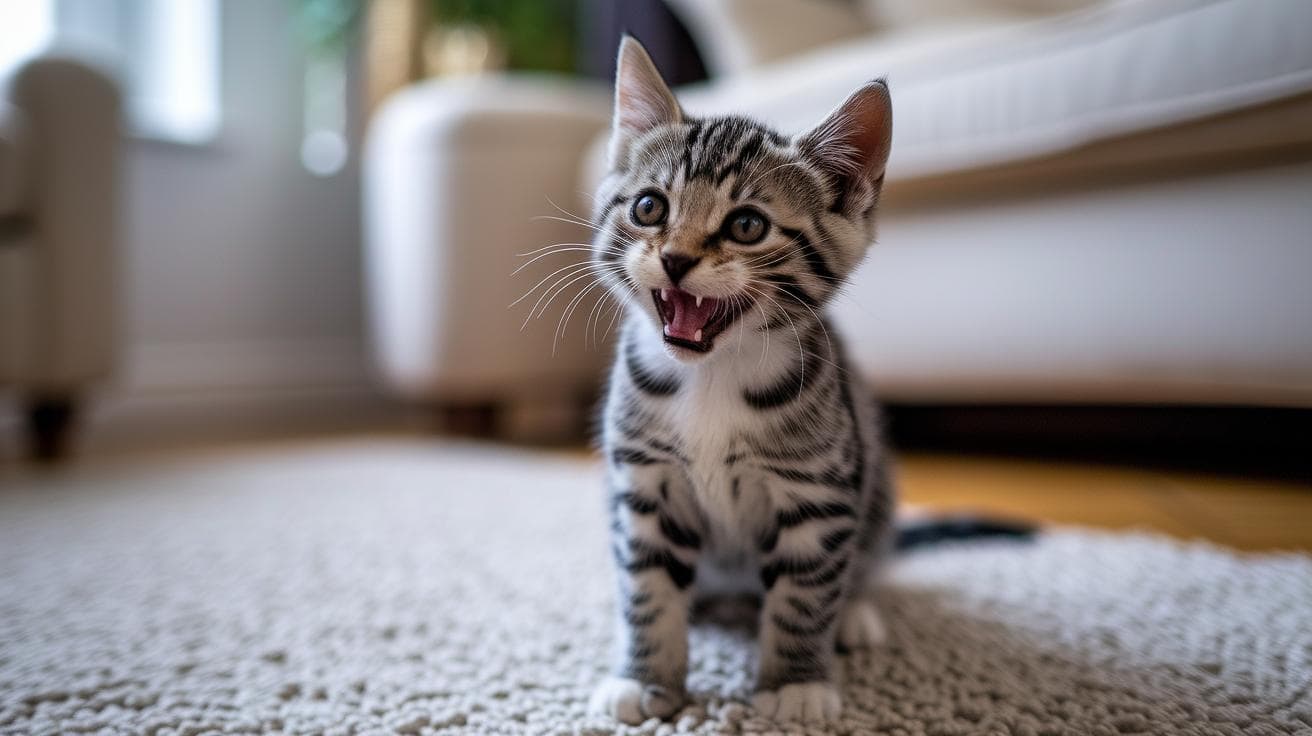
Ever heard that sudden “psss” and felt your heart jump? That’s your kitten’s way of saying “Hey, back up!” It’s a quick burst of air and a glimpse of teeth that means something feels off. Playtime can spark a little hiss too, but sometimes it’s a real warning of fear or stress.
Want to learn more? Check out cat hissing meaning.
Not every hiss is a drama scene. If your kitten gives a soft hiss mid-pounce, they might just be caught up in the fun. But a stiff body, fixed stare, and a louder hiss? That’s a clear sign they’re nervous or on guard. In those moments, give your furball some room, speak softly, and let them find a cozy spot to chill.
What’s Behind the Hiss?
Kitten hissing comes from deep inside, it’s instinctive, like a built-in alarm. When they feel trapped or scared, they push air through slightly open jaws, making that hiss sound. In friendly tussles, their bodies stay loose, tails wag gently, and hisses mix with playful meows or chirps. It’s a tiny battle cry during mock fights.
But a defensive hiss is more dramatic. Picture a mini tiger with its back arched, fur puffed up, and ears flattened. That hiss means “don’t come any closer or I might bite.”
Spotting Body-Language Cues
Body talk is your best clue. In playful mode, ears point forward, whiskers relax, and fur lies flat. Tails do a lazy wag, and hisses are quick and light, like a little spray of confetti.
But in threat mode, watch for flattened ears, wide eyes, and fur standing on end. Their back curves into a crescent to look bigger. A tail that lashes or puffs up adds extra warning. Uh-oh, you’ve been told to back off.
Key Cues at a Glance
- Flattened ears – feeling scared or upset
- Arched back – trying to look big and warn you off
- Lashing or puffy tail – agitation or anger
- Hiss vs growl – hiss means “stay away,” growl can signal a bigger threat
- Purring or slow blinking – calm and trusting, no worries here
Worth every paw-print.
Top Triggers for Kitten Hissing: Fear, Stress, and Territory
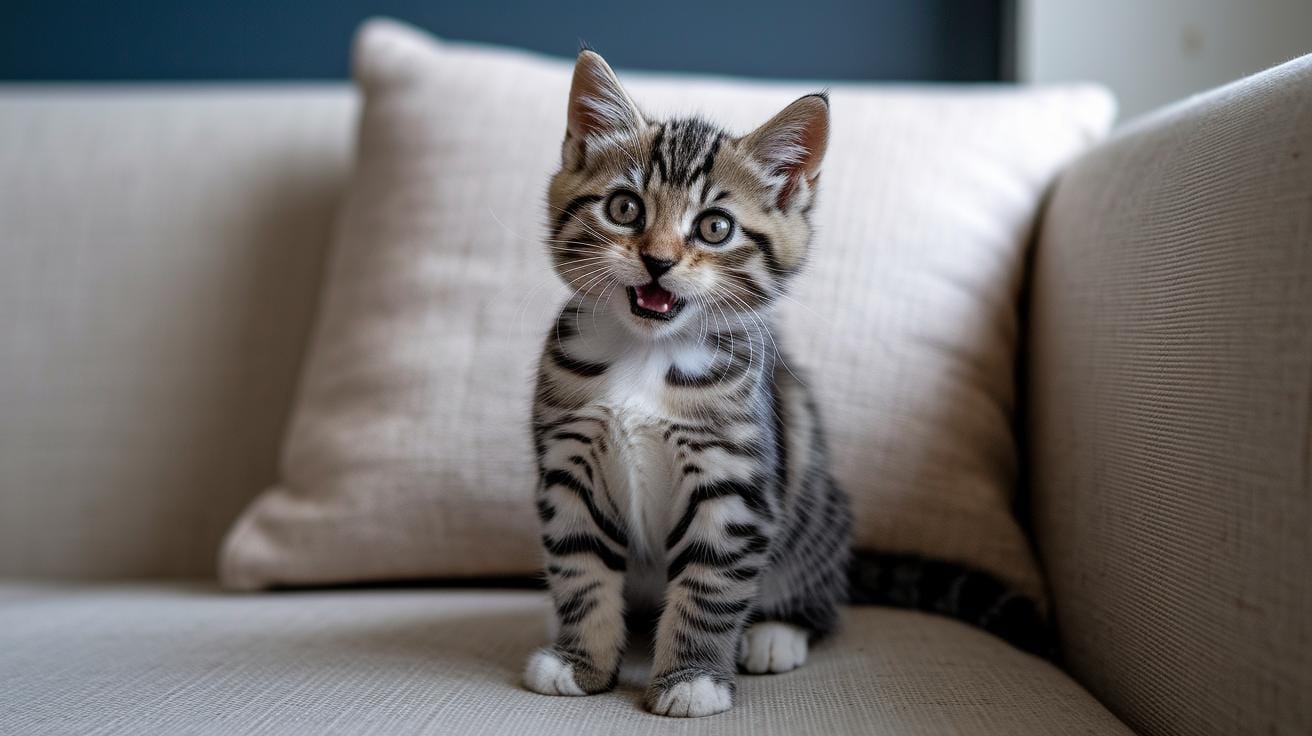
Have you ever heard a kitten’s sharp hiss when the dishwasher bangs or a new couch rolls in? You can almost picture their whiskers quivering as they warn “I’m scared.” But loud sounds aren’t the only spark. Moving furniture or crowded spaces can mess up their routine and build stress (feeling overwhelmed).
A few more things can set them off too, like squabbling over beds or bowls, ouch from an unexpected pain, or even getting way too worked up during playtime.
Kitten hisses generally fit into a handful of triggers: fear, stress, territory, pain, and even play overstimulation. Each one is just their way of talking. Take a peek below.
| Trigger | Description |
|---|---|
| Fear | Sudden loud noises or new sights spark an instinctive hiss to say “back off.” |
| Stress | Routine changes, overcrowding, or shuffled furniture overload your kitten’s coping skills (mental strain). |
| Territory | Competition over beds, bowls, or your lap leads to a hiss that stakes a claim. |
| Pain | An injury or hidden ouchie makes kittens hiss to warn you they’re hurting. |
| Play Overstimulation | Too much teasing or rough play flips fun into a sharp defensive hiss. |
Next, let’s put some cat friendly fixes in place. Create a quiet nook with a plush bed and a hidden perch (like a cozy fort for their rattled nerves). Keep meal times and play cues on the same schedule every day. Kitties crave predictability. And scatter a few scratching posts and toys around so everyone has their own safe playground.
Worth every paw-print.
Calming Hissing Kittens: Step-by-Step Soothing Strategies
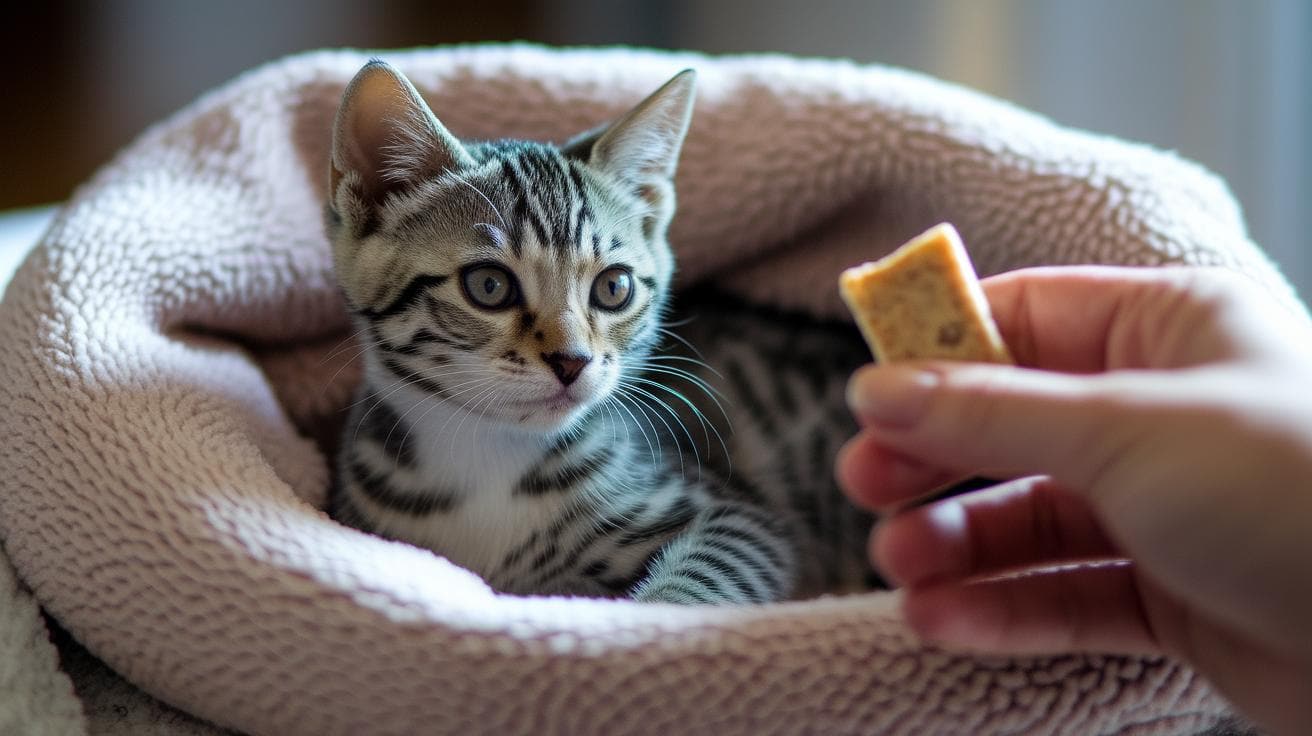
Ever heard that sharp little hiss? It means your kitten’s on high alert, you know. So you need a gentle game plan to calm those nerves. I’m here to share my top kitten-hissing whisperer tips.
-
Watch your kitty’s stance
Notice how their ears tilt, back arches, and tail twitches. Wide eyes and a tucked head? That means they want extra room. So hold off on reaching in. -
Create a cozy hideaway
Find a quiet corner and add soft bedding. A covered igloo or a box with a blanket feels like a mini-vacation. Let your kitten slip away when things get tense. -
Talk in a soft, low voice
Skip the high-pitched squeals. Try a gentle purr-like rumble when you speak. It sets a chill mood and tells your cat you’re not a threat. -
Offer secret spots and high perches
Cardboard boxes, cat trees (multi-level scratchers with platforms) or wall shelves give your kitten a sense of control. From up high, they feel safe. And a confident cat hisses less. -
Reward the quiet moments
When the hiss stops, drop a tiny treat or whisper “good kitty.” Positive reinforcement shows calm behavior pays off. Before you know it, they’ll choose purrs over hisses. -
Plug in a pheromone diffuser (e.g. Feliway)
This little gadget spreads a mother cat’s soothing scent. Place it near your kitten’s retreat spot. Over time, it gently eases anxiety and cuts down on hissing.
Patience and routine are your BFFs. Stick with gentle handling and positive reinforcement, and soon that “psss” will turn into happy purrs.
Building Kitten Confidence with Play and Enrichment
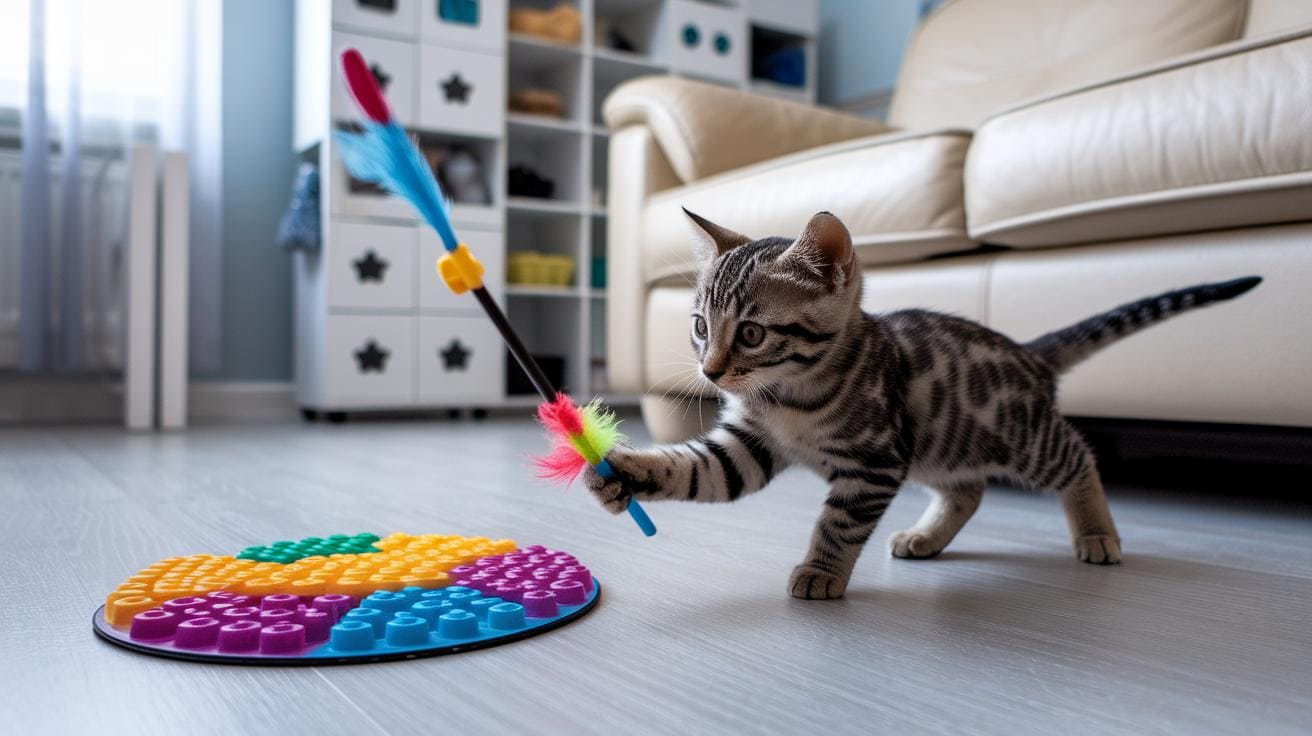
Interactive play with a feather wand (like a fishing rod for cats) gives your fluffball a perfect way to burn off zoomies. You’ll love watching those paws skitter across the floor as she pounces. Ever noticed how her eyes glow when the wand swoops your way?
Then there are puzzle feeders (treat-dispensing toys) that turn snack time into brain games. Your curious kitten will bat, roll, and nudge until a crunchy surprise drops out. I once left one out for Luna and she got so focused I almost forgot she was around. Uh, but in a good way.
And soft pets, gentle praise, even a quiet chat teach your kitten that you’re safe and fun. It’s wild how a calm voice can cut down on startled hisses during play. Next, try whispering a few “good kitty” words when she’s stretched out after a chase. You know, just small moments that build big confidence.
Worth every paw-print.
Reward the quiet moments:
- Soft pets with slow strokes
- Gentle “good job” after calm play
- Quiet chat during rest breaks
- Puzzle feeders and interactive toys to channel energy and build trust