Think your indoor kitty is safe from viruses? Think again – FeLV (feline leukemia virus) sneaks in quietly, rewriting your cat’s DNA instructions and knocking down its immune defenses. It’s like a shadow slipping through the night!
Inside bone marrow (the soft tissue that makes blood cells), FeLV slows the production of white blood cells and platelets. Your kitty’s immune troops shrink so even tiny germs feel like monsters. Yikes.
In this guide, we’ll dive into how feline leukemia really works and share tips to keep your furball healthy and purring strong. Ever watched your cat chase a dot of sunlight? You’ll learn to spot early signs, try smart testing tricks, and use prevention hacks that add extra playful years together.
what is feline leukemia: protecting your cat’s health
Hey cat parents, ever heard of FeLV? That’s short for feline leukemia virus, a contagious retrovirus (a virus that uses RNA for its code). It sneaks in and rewrites your kitty’s DNA instructions. Then it attacks immune cells and bone marrow (the squishy stuff that makes blood cells) with claw-tastic force! It’s one of the toughest viral foes U.S. cats face, and it can knock a healthy furball off her paws surprisingly fast.
Inside bone marrow, FeLV slows white blood cell and platelet (tiny cells for clotting) production. Fewer defenders means even little germs can cause big trouble, um. Your cat ends up immunosuppressed and often anemic (low red blood cells that carry oxygen). No fun for any kitty.
About 2 to 3 cats out of every 100 in the U.S. carry FeLV. Outdoor explorers, crowded shelters, and multi-cat homes raise the odds. Once infected, most cats live under three years if nothing’s done. They face anemia, lymphosarcoma (blood cancer), and a parade of secondary infections. Spotting early signs, like pale gums, persistent fever, or sudden weight loss, can save lives.
Feline Leukemia Transmission Pathways in Cats
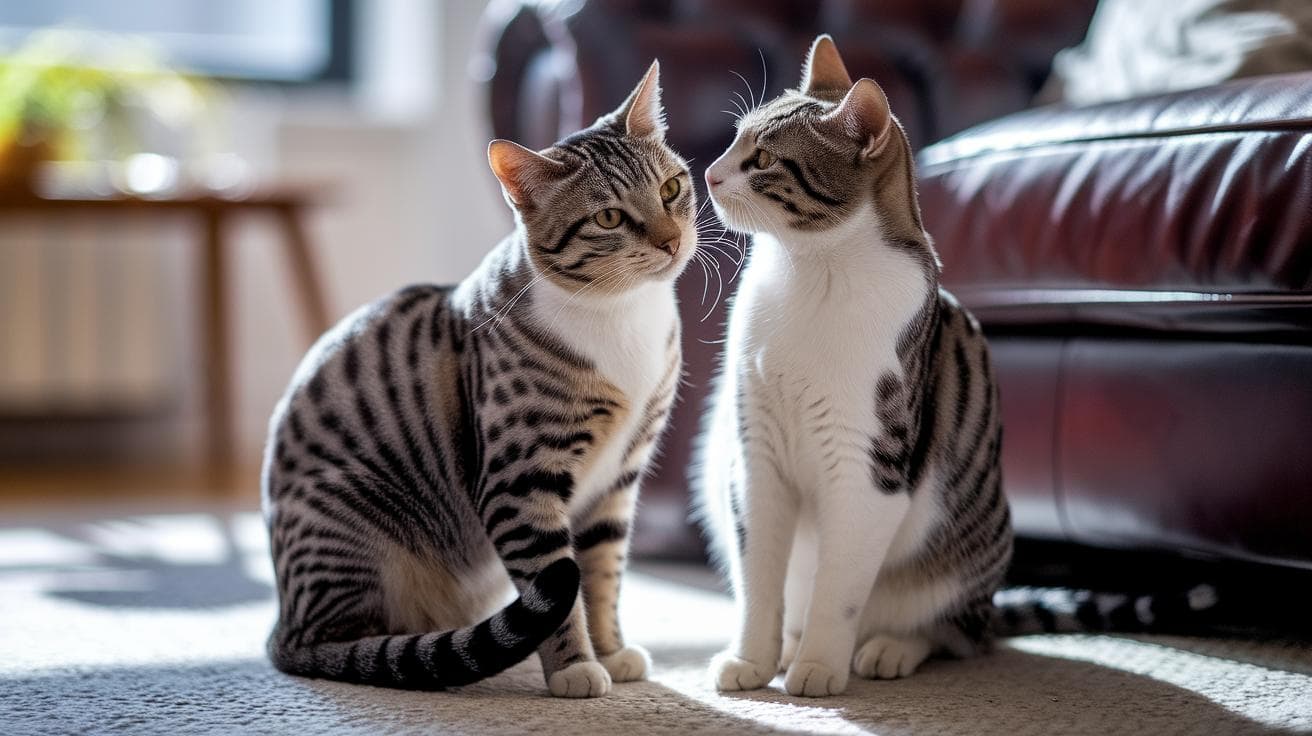
In homes with several cats or in busy shelters, FeLV (feline leukemia virus) can sneak around during everyday hangouts. Ever seen your kitty lean in for a nose boop? That little bump can share saliva (tiny drops of spit) or nasal goo (mucus) and spread the virus.
Mom cats can even pass FeLV to kittens before they’re born (in utero transmission) or later through milk (milk-borne transmission). That’s why testing new litters right away is so important.
- Mutual grooming (when cats lick each other) and nose bumps
- Sharing food and water dishes
- Bite wounds during territorial scuffles
- Contact with infected saliva or respiratory secretions
- In utero transmission from queen to kittens
- Milk-borne transmission during nursing
Outdoor access, crowded rooms, and shared bowls make these pathways even riskier. In stray colonies, one fight bite can drive infected saliva deep into the skin. Then at feeding time, a casual rub can finish the job. Pack four or five cats into a small room and the chance of FeLV going around climbs fast.
If you’ve ever run a busy cat café or a crowded foster room, you know how tiny lapses, like leaving dishes together, can create FeLV hotspots. Watching for these transmission routes helps you tweak daily routines: separate newcomers, clean dishes often, and give each whisker-twitching buddy some breathing room.
Recognizing Feline Leukemia Symptoms in Cats
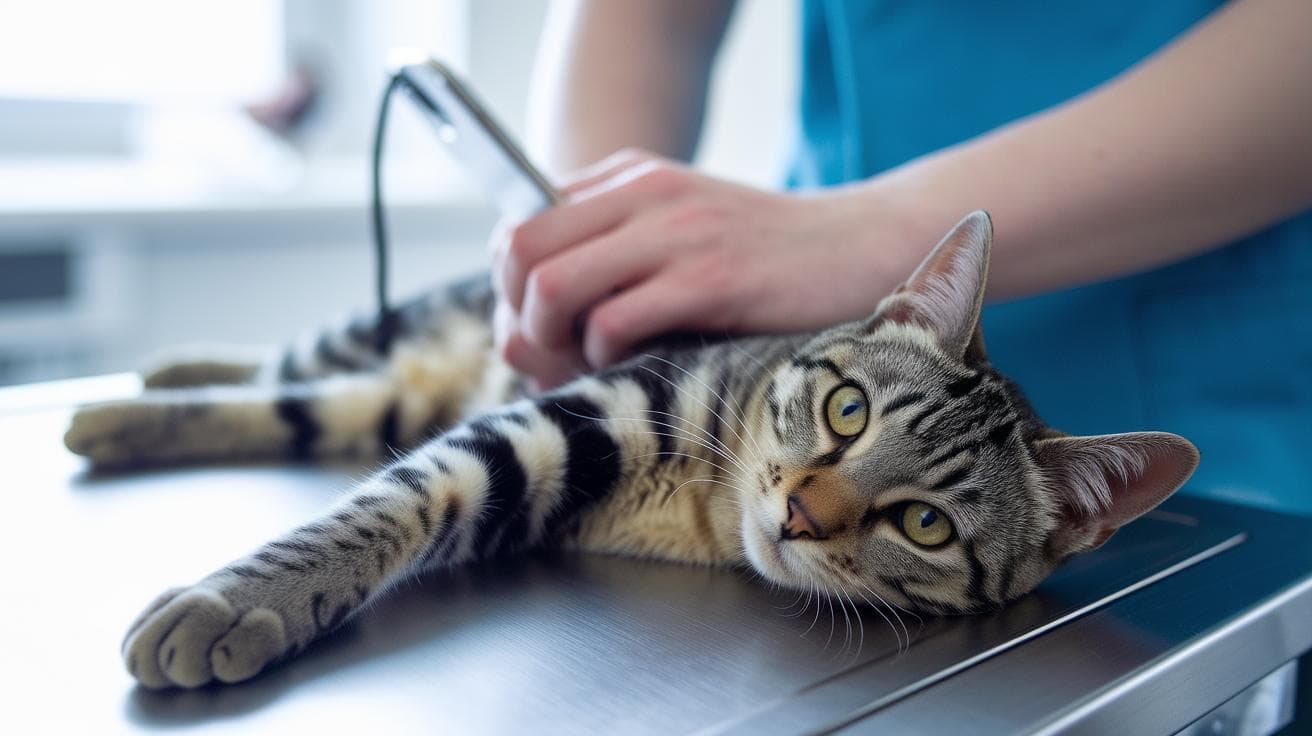
Ever watched your kitty’s whiskers twitch as she stalks a red dot? One moment she’s all playful, the next she’s napping more than usual with a bit of fever. FeLV (feline leukemia virus) can tiptoe in or pounce hard if her immune system (your cat’s germ-fighting crew) feels weak.
| Stage | Symptoms |
|---|---|
| Early | Ongoing fever, pale gums, mild tiredness, swollen lymph nodes (small germ-fighting glands) |
| Advanced | Severe anemia (low red blood cells), frequent infections, weight loss, lymphosarcoma (tumors in lymph tissue) |
These come-and-go signs can be easy to shrug off. A little cough or pale gums seems harmless. But don’t let FeLV sneak up on your furball.
Spotting leukemia early and heading to the vet for a check-up gives your cat the best chance to manage infections and anemia. A simple blood test now could mean more happy purrs tomorrow.
Worth every paw-print.
Diagnosing Feline Leukemia: Tests and Confirmation
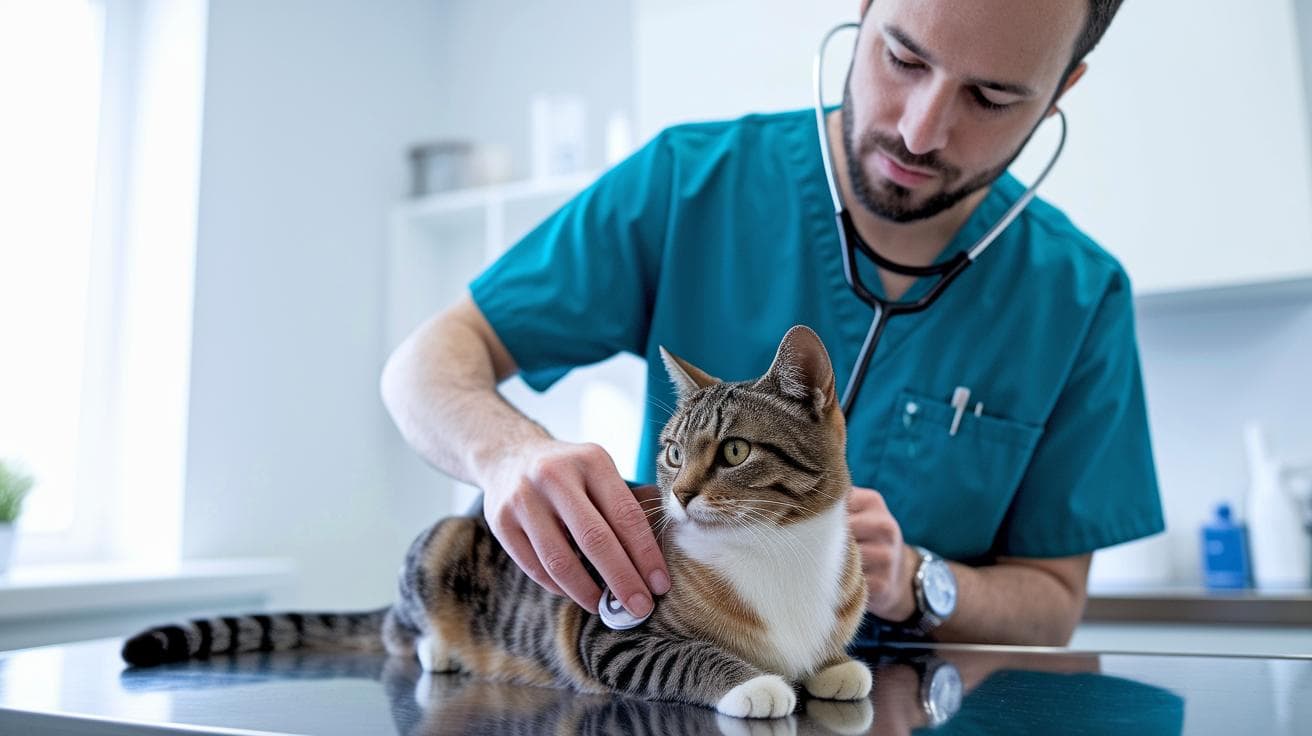
Catching FeLV early helps your cat stay comfortable and gives them the best chance to slow the illness. A simple check-up plan lets your vet spot the virus before your kitty feels really sick. Ever seen your cat’s whiskers twitch in the exam room? Follow-up tests can catch anything that slipped through.
Most vets start with ELISA (a quick blood test that checks for a virus protein called P27 antigen). It’s done right in the clinic, so you get fast, paws-itive results. But if ELISA turns up positive, they usually send the sample out for IFA (indirect immunofluorescent antibody assay), a test that uses glowing antibodies to see if the infected white blood cells really carry the virus.
Then there’s PCR (polymerase chain reaction, a test that makes copies of tiny bits of the virus’s genetic material). PCR is super sensitive. It can spot low-level or early infections, though sometimes it flags a short-term exposure instead of a lasting one. It’s like the detective that finds even the smallest clue.
So ELISA is best for quick answers. IFA helps confirm the news. And PCR tackles those tricky “did we get it or not” questions. It’s a tag-team approach to keep your cat healthy.
No test is perfect. Sometimes a cat that fought off the virus still shows a positive. Or a very early infection hides too well and gives a negative. If your vet has doubts, they may recommend retesting in a few weeks or before introducing a new feline friend. That way you can feel confident that your furry pal is truly FeLV-free.