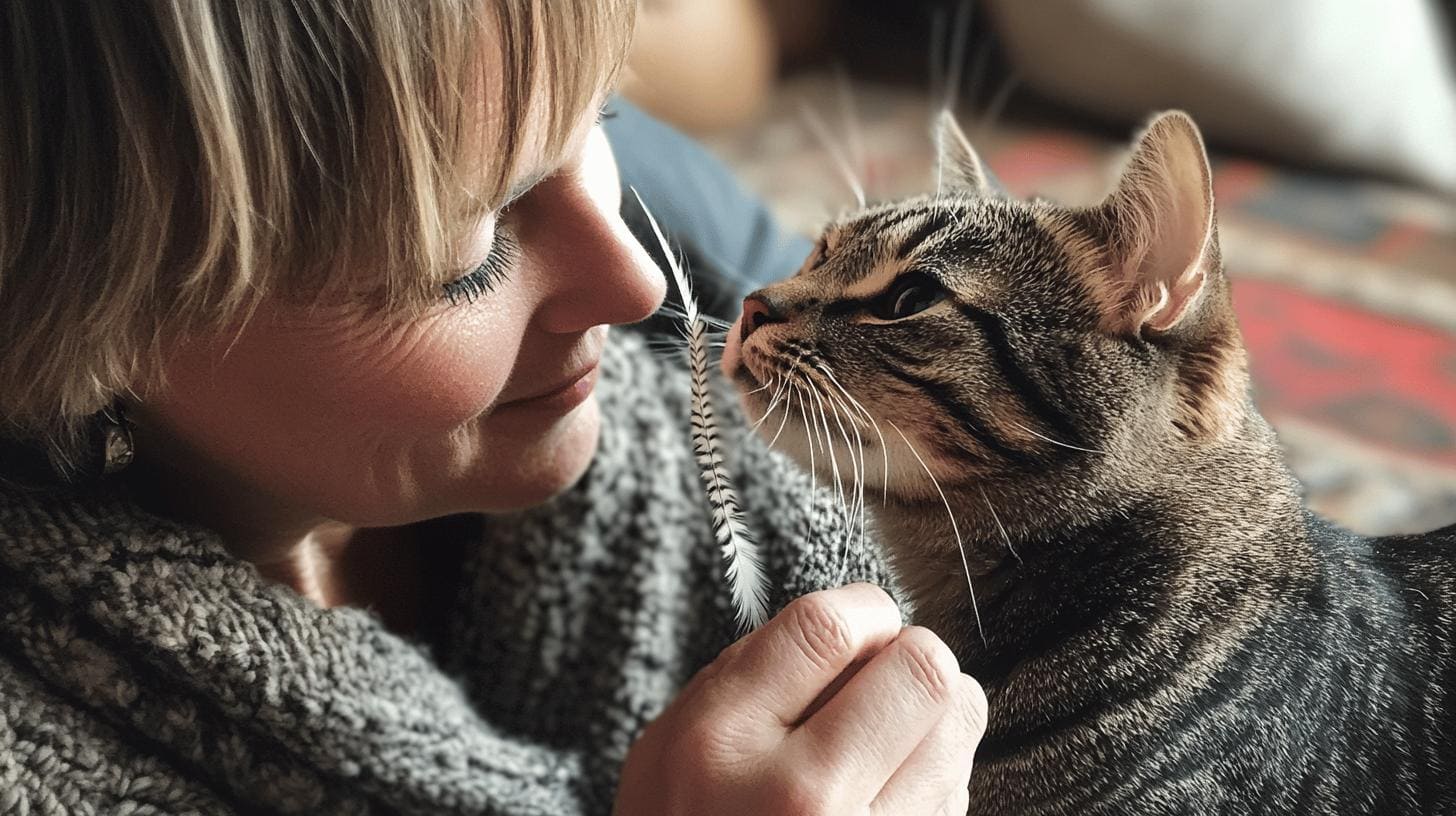
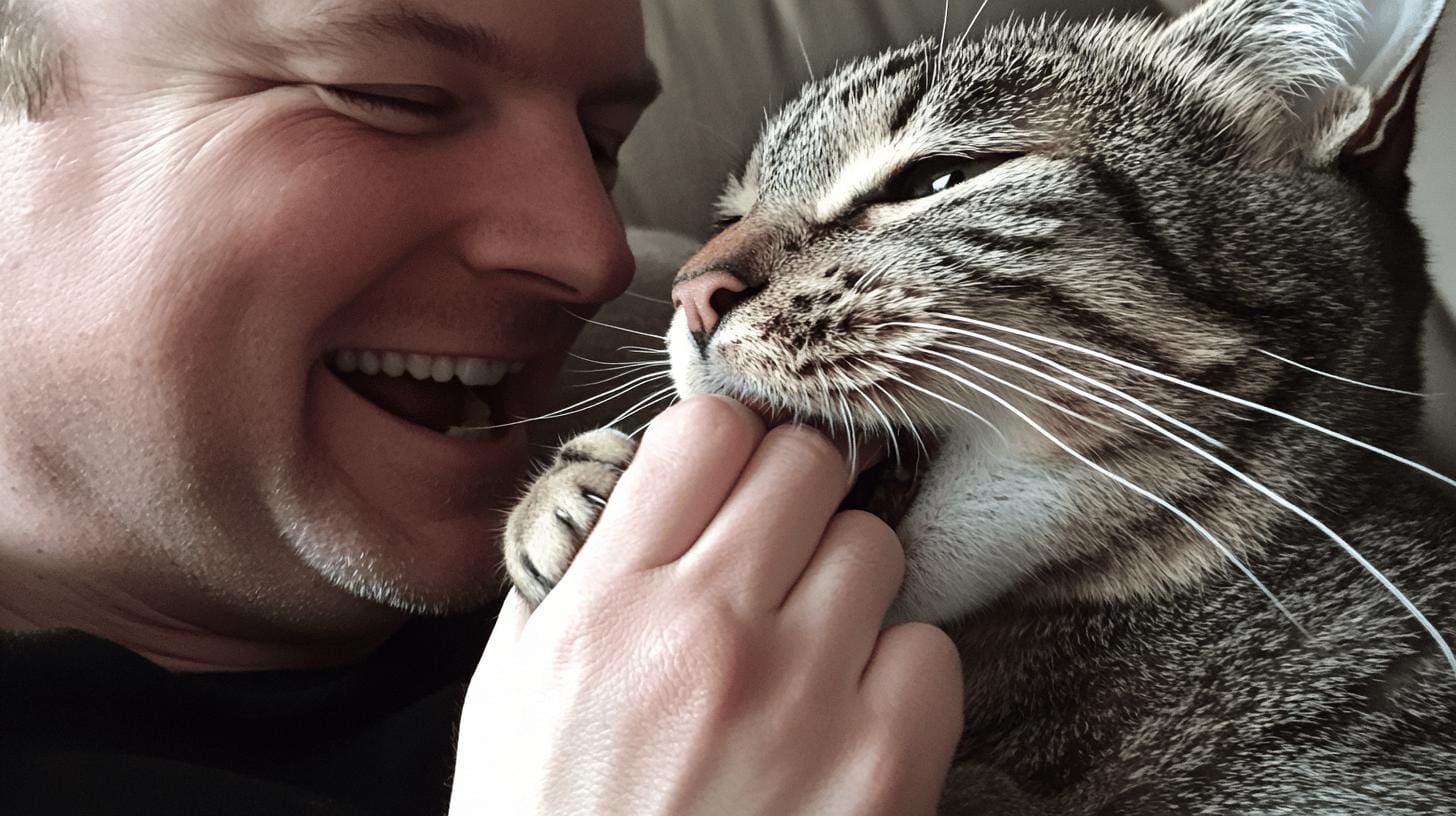
Why do cats bite? It’s a question that puzzles many cat owners and lovers. Biting behavior in cats can seem random or confusing, but there are clear reasons behind it. From playful nibbles to stress-induced chomps, understanding why cats bite can help you manage and redirect these behaviors.
Recognizing the causes—whether communication, play, or affection—means you can create a more peaceful home for you and your feline friend. Improve your cat's well-being and your bond by mastering the art of understanding feline biting behavior.
Understanding Why Cats Bite
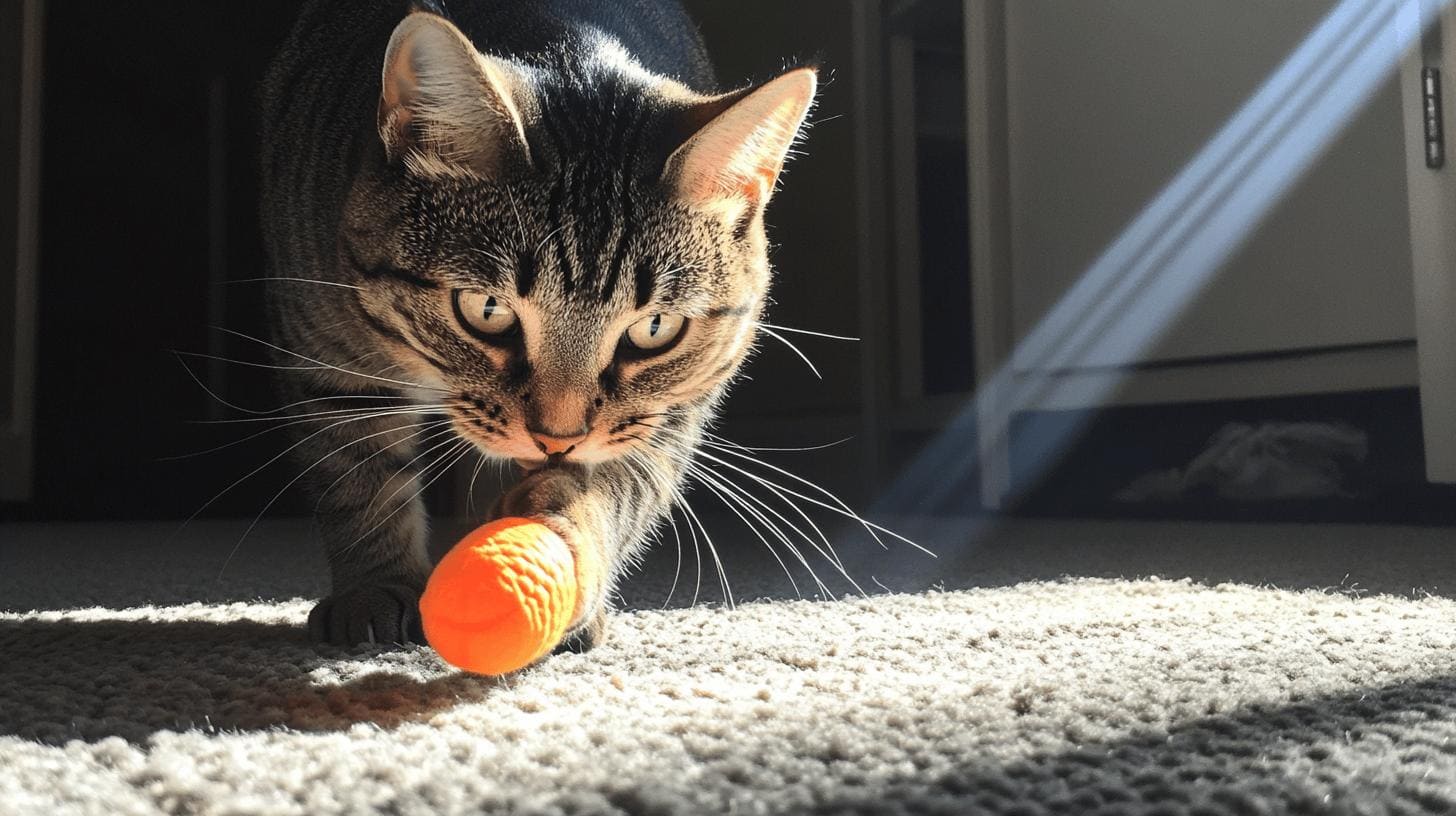
Cats bite for a variety of reasons, and understanding these can help us manage and reduce unwanted biting behavior. They may bite to communicate, during play, or as a form of affection. Sometimes, biting is a response to stress or overstimulation. Recognizing these behaviors is crucial. For instance, play biting often is linked to their natural hunting instincts, while love bites are gentle and usually start with licking.
Here are some specific reasons why cats might bite:
- Communication
- Play
- Affection
- Stress
- Overstimulation
- Hunting instincts
To address or prevent biting, it helps to identify the root cause. For play-related bites, offering toys that mimic prey can channel their hunting instincts appropriately. Recognizing when a cat is stressed or overstimulated can prevent bites by respecting their need for space.
Creating a safe and stress-free environment, along with understanding when a cat seeks affection or needs a break, can significantly reduce biting incidents. By tuning into their signals and providing suitable outlets, we can foster a more harmonious relationship with our feline friends.
Understanding Why Cats Bite
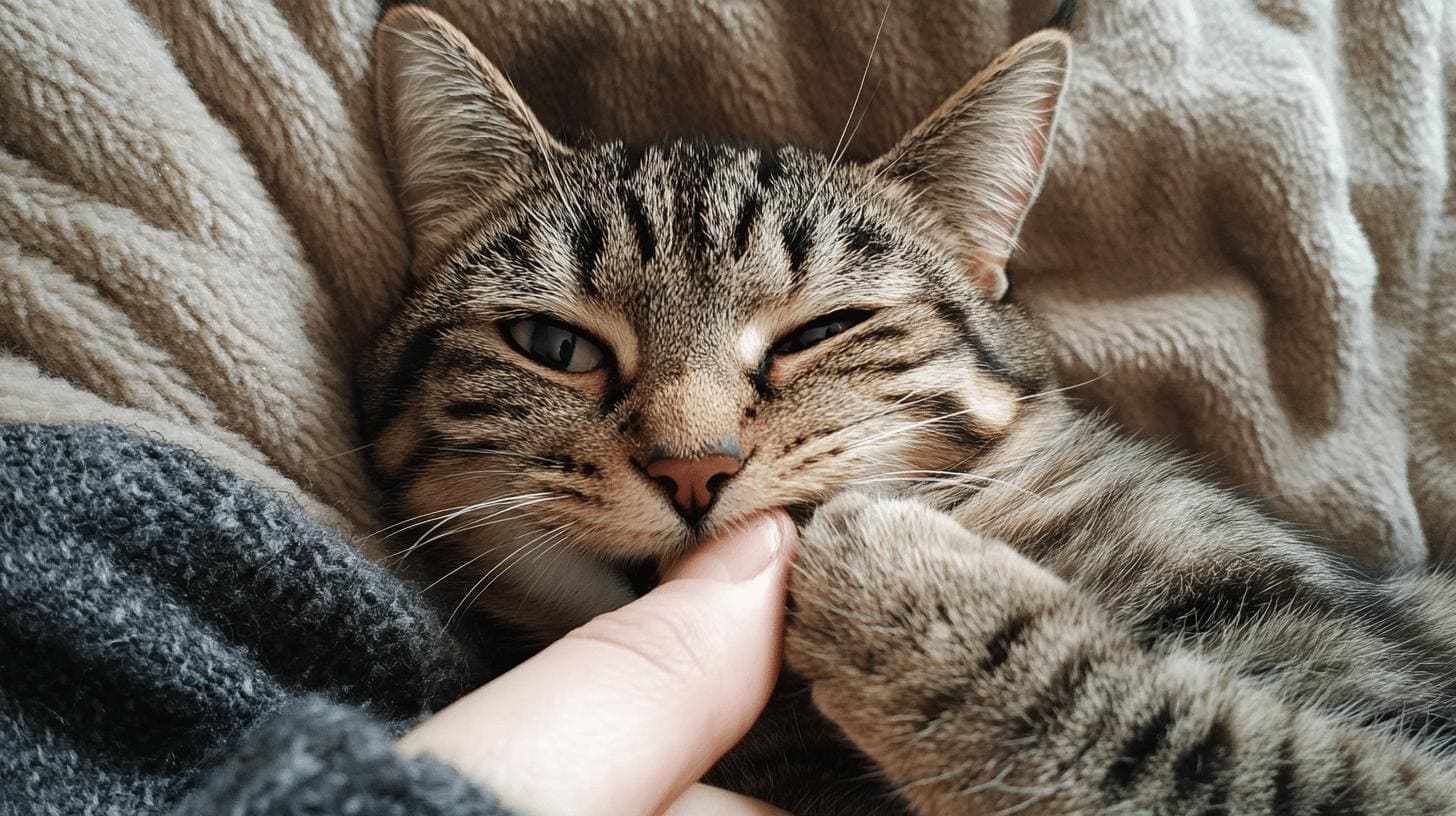
Playful biting is a common behavior, especially in kittens and young cats. These bites are part of their natural play as they mimic interactions they would have with littermates. Often gentle, playful bites might come with purring and licking. These "love bites" during cuddling or playtime show affection and indicate that your cat feels comfortable with you.
Recognizing the difference between playful and aggressive bites is key to fostering a healthy bond with your cat. By understanding their body language, you can create a safer, more understanding environment for both of you.
Recognizing Aggressive Biting
Aggressive biting can signal fear, anxiety, boredom, or frustration. Unlike playful bites, these can be sudden and intense. Look for signs such as a stiff body posture, dilated pupils, and ears flattened against the head. These behaviors often occur when a cat feels threatened or cornered. Understanding these signals is crucial for preventing bites and addressing the root cause of aggression.
Signs and Triggers of Cat Biting

Recognizing and responding to cat warning signals in real-time can prevent biting incidents. Pay close attention to a cat's body language, such as twitching tails and flattened ears. These are not just signs of discomfort; they are cues to modify your approach. For example, if you notice a twitching tail while petting, it might be time to pause and give your cat space.
Here are common triggers for cat biting:
- Twitching tail
- Flattened ears
- Sudden movements
- Prolonged petting
- Unfamiliar environments
To prevent bites, adapt your behavior by offering a calm and predictable environment. If you see these signals, stop what you're doing and give your cat room to feel safe. Using real-time observations and applying them can effectively reduce biting incidents, enhancing your relationship with your cat.