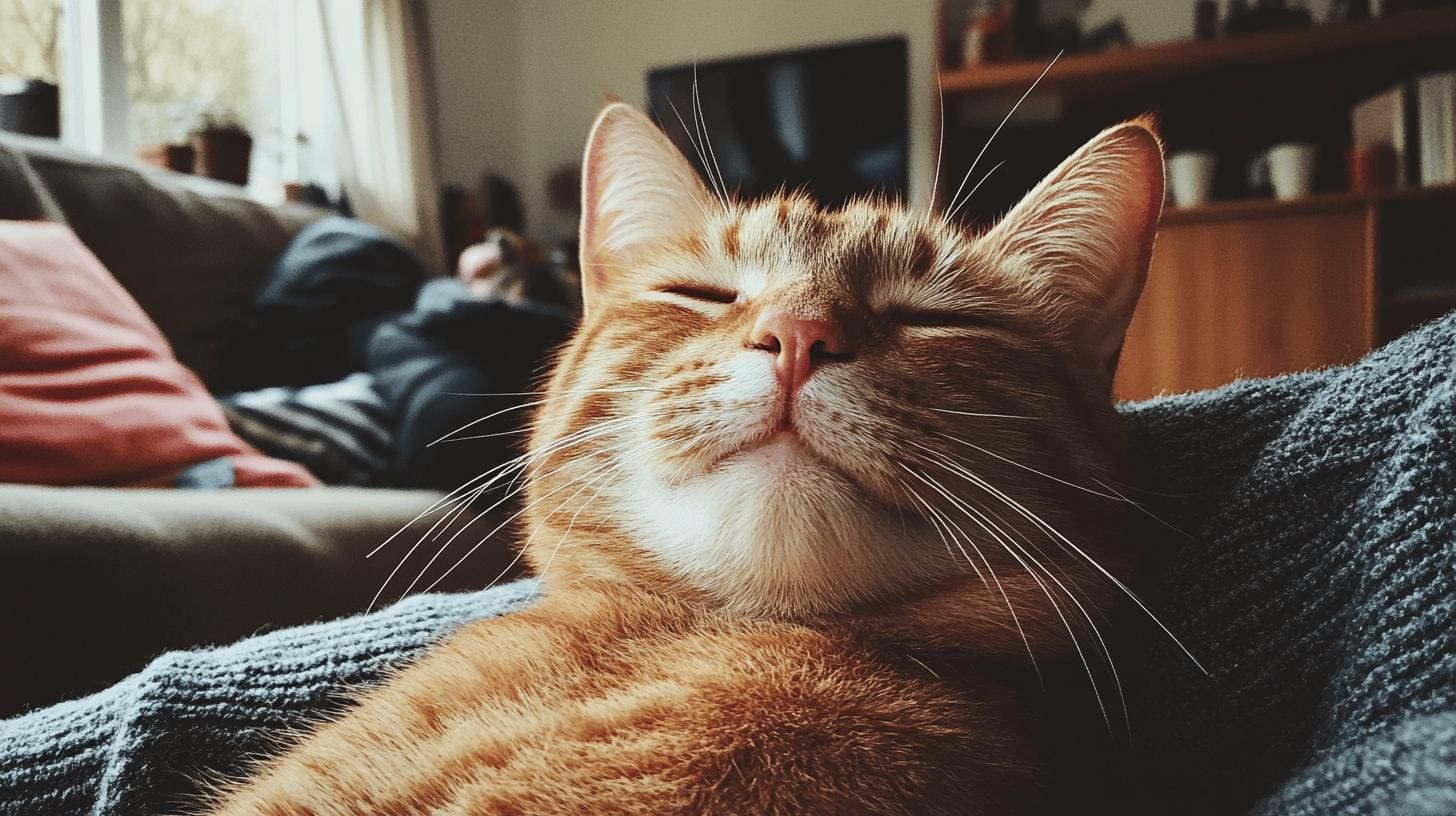
Ever wonder why your cat drools like a teething baby? It's cute until it isn't, and the surprise factor can throw any cat owner for a loop. Understanding whether your cat's drooling is a sign of bliss or a red flag for health issues can save you from unnecessary worry.
In this guide, we'll explore the common causes of cat drooling, from relaxed purrs to potential medical alerts, and help you determine when it's time to call the vet. Stay tuned to ensure your feline friend stays healthy and happy!
Common Reasons Why Cats Drool
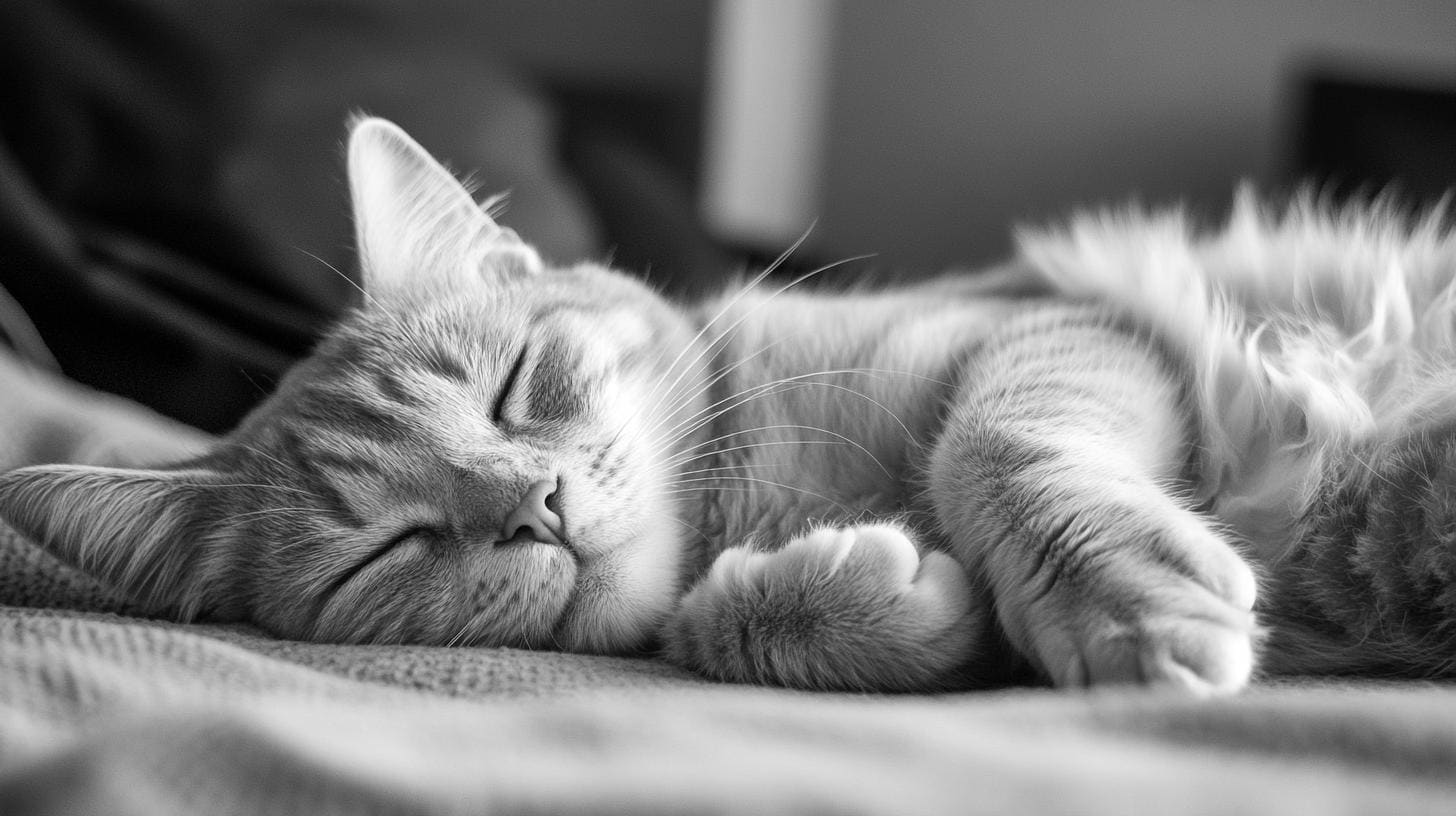
Cat drooling can be a normal behavior or signal a potential issue. Normal drooling often happens when cats are extremely relaxed, like during purring or kneading. It's a temporary situation that doesn't raise concerns. On the other hand, abnormal drooling might be excessive or prolonged and is often accompanied by other symptoms. This could involve bad breath, changes in eating habits, or unusual behavior, which might indicate a need for veterinary care.
There are several common causes behind why cats drool. These can include physical or emotional factors. Physical reasons often involve excitement or nausea, while emotional states might trigger drooling due to stress or relaxation. Exposure to toxins or foreign objects in the mouth can also lead to excessive salivation. Recognizing these general categories can help cat owners determine when drooling is normal or when it might require further attention.
- Relaxation
- Excitement
- Nausea
- Stress
- Exposure to toxins
Medical Causes of Cat Drooling
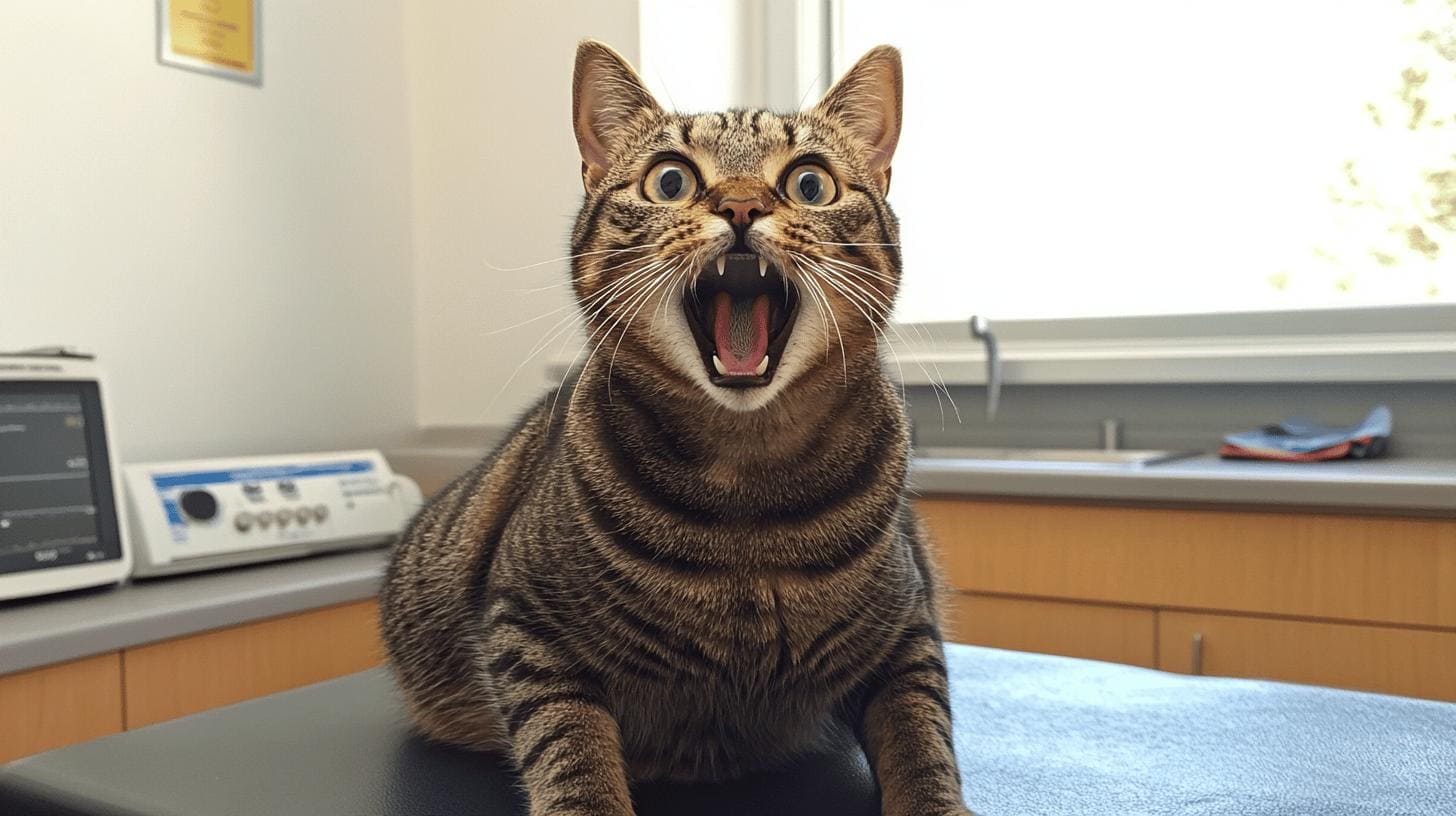
Drooling can often be traced back to dental issues in cats. Gum disease is a common culprit, where inflammation leads to discomfort and excessive salivation. Abscesses, which are collections of pus caused by bacterial infections, can also cause a cat to drool more than usual. These dental problems not only cause pain but can significantly impact a cat's overall health if left untreated. Regular dental check-ups are essential to catch these issues early and prevent them from escalating.
Oral infections are another significant medical cause of drooling. These infections might arise from bacteria, viruses, or fungi, leading to symptoms like mouth sores, swelling, and bad breath. Cats with oral infections may also show signs of difficulty eating, which can contribute to weight loss and further health complications. Quick veterinary attention is crucial to identify the infection type and administer appropriate treatment.
Beyond dental and oral issues, other medical conditions can provoke drooling. For instance, ingesting toxins or foreign objects can lead to sudden and severe drooling. Some household products, plants, or human foods are toxic to cats and can induce a drool response as the body tries to expel the harmful substance. Similarly, foreign objects lodged in the mouth can cause irritation and excessive salivation.
Understanding these medical causes helps in determining when drooling might be a sign of a more serious health issue. Always consider the accompanying symptoms and consult a veterinarian if you notice anything unusual or persistent.
| Medical Cause | Symptoms |
|---|---|
| Gum Disease | Inflamed gums, bad breath, difficulty eating |
| Abscesses | Swelling, pain, pus around teeth |
| Oral Infections | Mouth sores, swelling, difficulty eating |
| Toxin Ingestion | Sudden drooling, vomiting, lethargy |
Behavioral and Emotional Triggers for Drooling
Cats can be sensitive to their surroundings, and stress or anxiety often triggers drooling. This response is common when a cat is introduced to new environments, such as moving to a different home or meeting a new pet. In these situations, drooling is part of the cat's physical reaction to stress. Creating a calm and secure environment can help reduce these stress-induced responses.
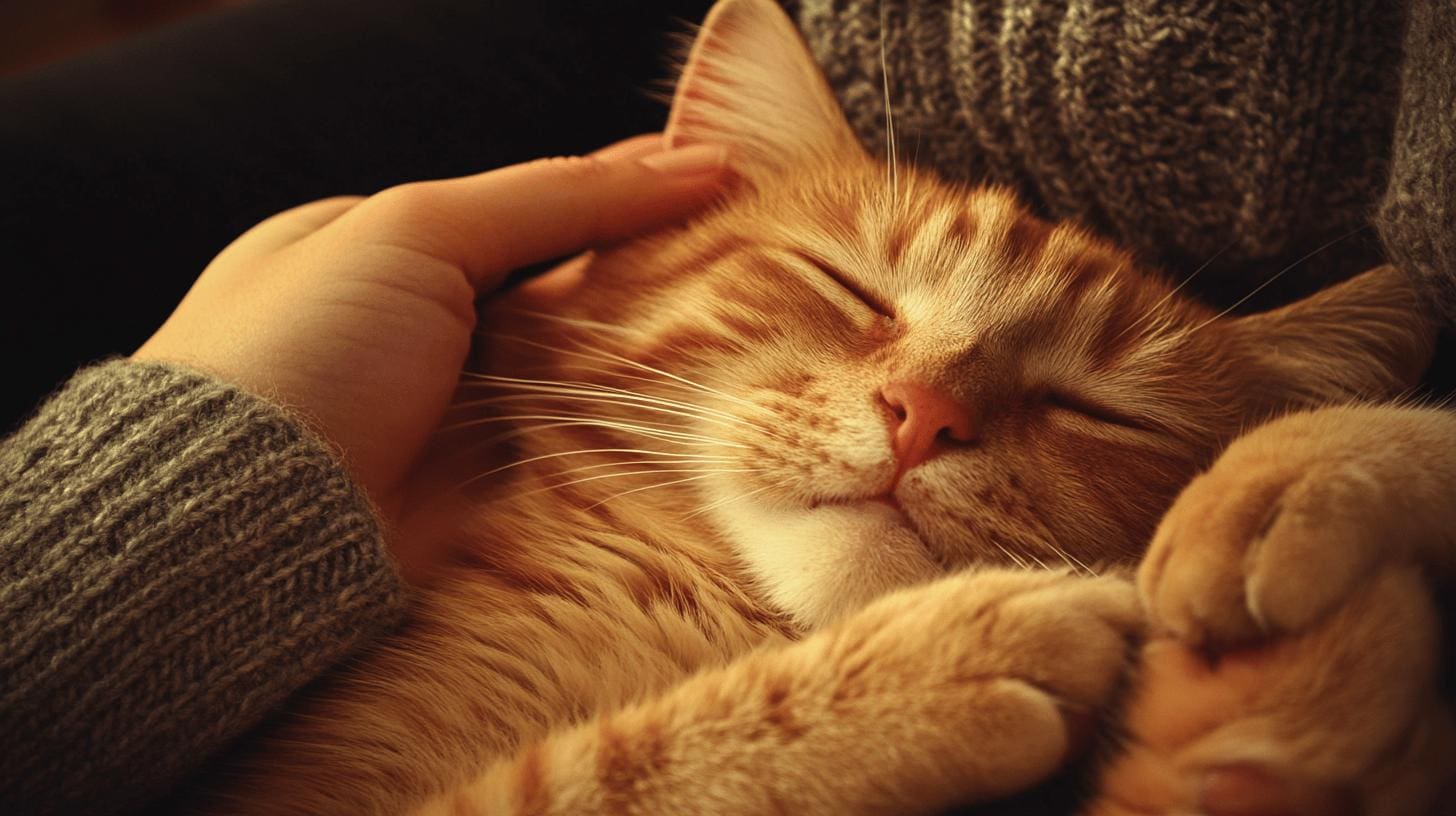
Drooling may also occur when a cat experiences happiness and contentment. For instance, your cat might drool while being petted or when purring on your lap. Such drooling is a positive sign, indicating that the cat feels relaxed and secure. This behavior is similar to drooling during kneading, which shows comfort and happiness.
- Stress from environmental changes
- Happiness during petting
- Anxiety in unfamiliar settings
- Excitement from stimuli