Is your cat suddenly leaving tiny white flakes everywhere, almost like a snowstorm on their fur? This might seem like a simple grooming issue, but it could be more than just a cosmetic concern. Cat dandruff can hint at several underlying problems. From dry skin due to low humidity to pesky parasites, understanding the real cause is key to finding relief for your feline friend. Let’s explore why dandruff happens and how you can help your cat sport a flake-free coat.
Understanding Why Cats Have Dandruff
Cat dandruff appears as tiny white flakes of dead skin scattered across their fur, often most noticeable on the back near the tail. This condition results from the shedding of skin cells, which is a natural process. However, when this shedding becomes excessive, it can lead to noticeable dandruff that might concern pet owners. While it may seem like only a cosmetic issue, dandruff could indicate underlying problems that need attention.
Environmental and health-related factors often contribute to dandruff in cats. Dry skin, often caused by low humidity levels, is a common trigger. Cats living in drier climates or spending most of their time indoors with heating systems may experience increased skin dryness. Other health issues such as skin infections or allergies can also result in dandruff. Addressing these problems often involves improving the cat's environment, such as using a humidifier, or treating any infections or allergies with appropriate veterinary care.
- Low humidity causing dry skin
- Skin infections
- Allergies
- Mites and parasites
- Poor grooming habits
Grooming habits play a significant role in the presence of dandruff. Older or overweight cats might struggle with self-grooming, leading to an accumulation of flakes. Additionally, mites and other parasites can cause skin irritation, resulting in dandruff. Regular grooming sessions can help distribute natural oils across the cat's coat, reducing dryness. It's also important to check for parasites and seek treatment if needed, as they can exacerbate skin conditions and lead to more severe dandruff issues.
Identifying Symptoms of Cat Dandruff
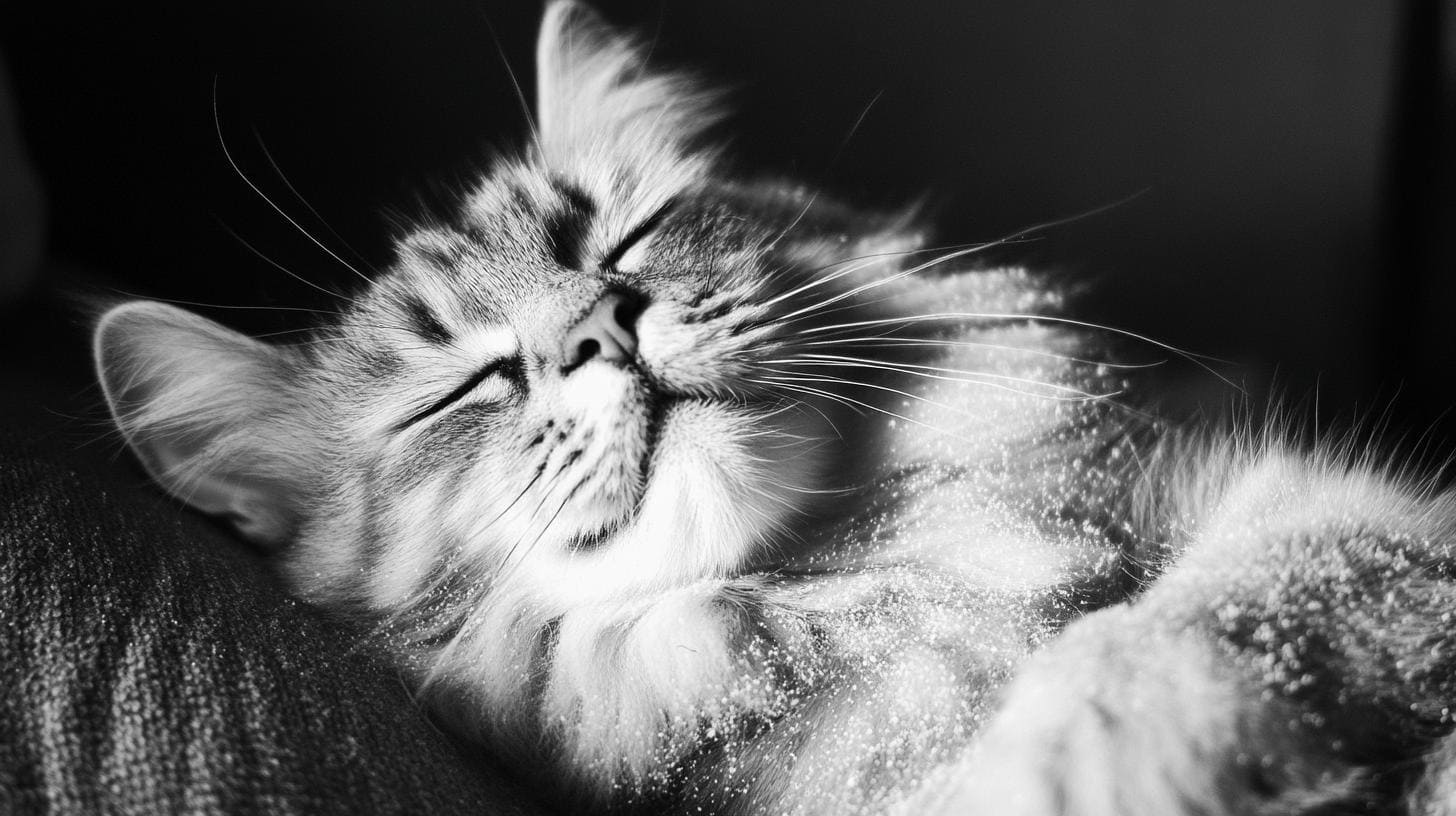
Understanding the appearance of cat dandruff is key to recognizing it early. Dandruff shows up as visible white flakes on a cat's fur, particularly noticeable against darker coats. These flakes are larger and more pronounced than the microscopic skin cells shed naturally, known as dander. Unlike dander, dandruff often accumulates in clusters and can be seen on furniture or bedding where the cat rests. Recognizing the difference between dandruff and normal shedding helps in identifying when there might be an underlying issue.
In addition to the flakes, symptoms of cat dandruff can include itchiness and a dull, lackluster coat. Cats with dandruff might scratch more frequently or seem uncomfortable, which can lead to further skin irritation. A coat that has lost its usual shine or appears greasy might also signal a problem. These symptoms could indicate more serious conditions, such as skin infections, parasites like mites, or systemic health issues such as diabetes.
- Persistent dandruff despite grooming
- Additional symptoms like skin irritation
- Indicators of parasites or infections
Treating and Managing Cat Dandruff
Identifying the root cause of cat dandruff is key to effective treatment. Addressing these underlying issues can lead to healthier skin and a more comfortable cat. Factors like poor diet, inadequate grooming, or a dry environment can contribute to dandruff. By tackling these elements, you can significantly reduce dandruff and improve your cat's overall well-being. Persistent or severe cases might indicate a deeper health concern, requiring professional veterinary intervention.
Dietary Improvements and Home Remedies
Nutrition plays a significant role in maintaining healthy skin and coat. A diet rich in omega fatty acids can enhance skin health and reduce dandruff. Consider incorporating foods or supplements high in omega-3 and omega-6 fatty acids into your cat's diet. These nutrients help keep the skin hydrated and reduce inflammation. Additionally, simple home remedies like regular brushing can help distribute natural oils across the coat, minimizing flakiness. Using a humidifier in your home can combat dry air, providing a more skin-friendly environment for your cat.
Grooming, Hygiene, and Environmental Adjustments
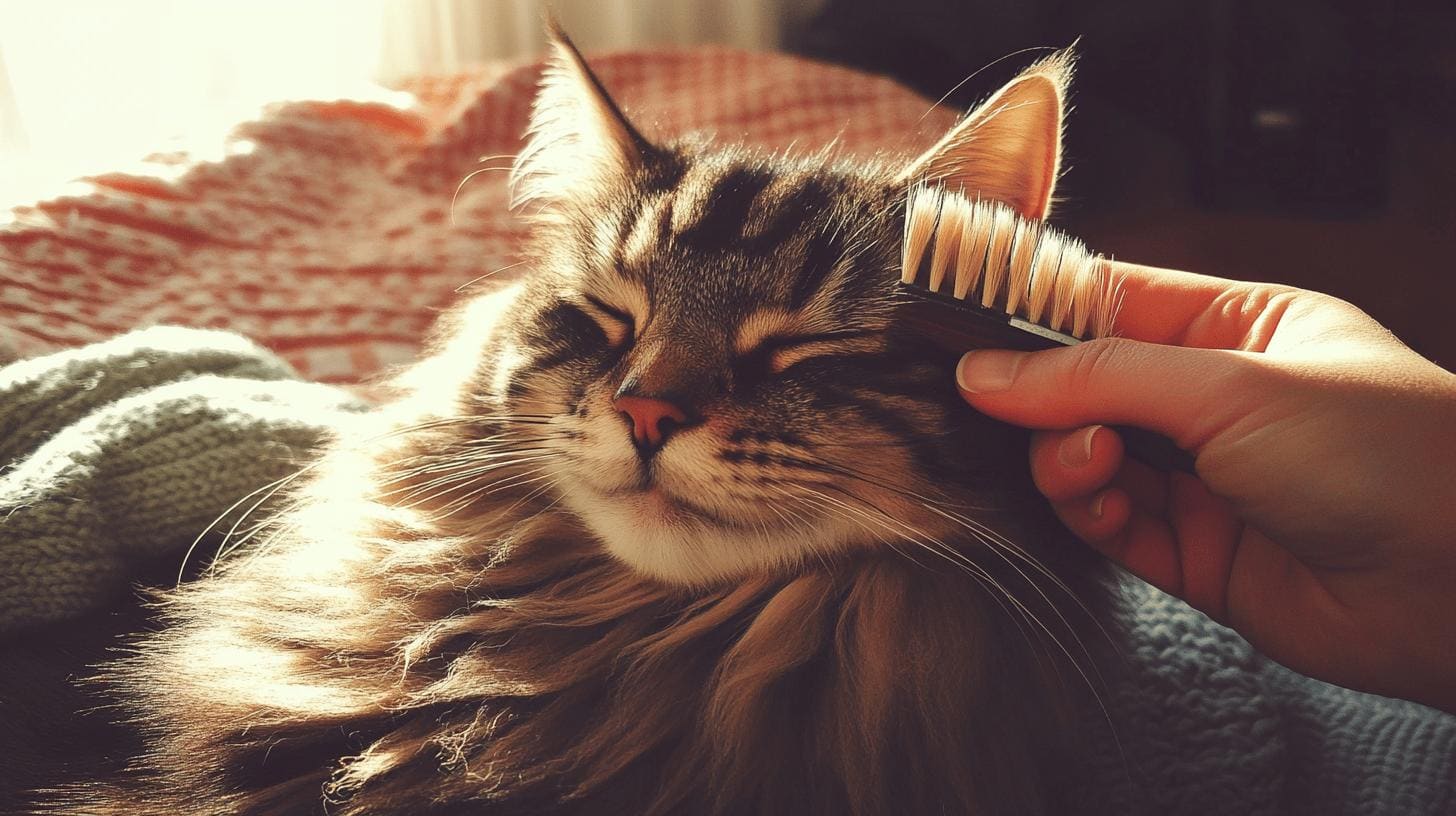
Regular grooming is essential for controlling dandruff in cats. Frequent brushing helps remove loose hair and dead skin cells, preventing them from accumulating as dandruff. It's also an opportunity to check for parasites or signs of skin issues. Proper grooming techniques, such as using a brush suitable for your cat's coat type, ensure effective removal of debris without irritating the skin. Environmental factors like dry indoor air can exacerbate skin dryness, so using a humidifier can help maintain optimal humidity levels, reducing the likelihood of dandruff.
Special Shampoos, Hydration, and Safe Use of Essential Oils
Using pH-balanced shampoos designed specifically for cats can also aid in treating dandruff. These shampoos help maintain the natural balance of your cat's skin while cleansing away dirt and flakes. Ensuring your cat stays well-hydrated is equally important, as dehydration can lead to dry skin. While some people consider using essential oils like lavender for their soothing properties, it's crucial to use them cautiously. Essential oils can be toxic to cats if not used correctly, so always consult a veterinarian before applying them.
| Treatment Option | Description |
|---|---|
| Dietary changes | Improve nutrition with omega fatty acids |
| Grooming | Regular brushing and cleaning |
| Special shampoos | Use pH-balanced products |
| Humidifiers | Improve air quality |
| Essential oils | Use cautiously due to potential toxicity |