Is your cat slimming down without explanation? Weight loss might seem harmless, but it can signal serious health concerns in our feline friends. Cats, especially as they age, can lose weight for hidden reasons that merit attention. It's vital to understand and act when you notice your cat's shrinking figure.
In this article, we will explore common causes like anxiety and dental issues. We'll also discuss solutions to help bring your furry friend's health back on track. Let's delve into why your cat may be shedding pounds and how to address it effectively.
Understanding Why Your Cat is Losing Weight
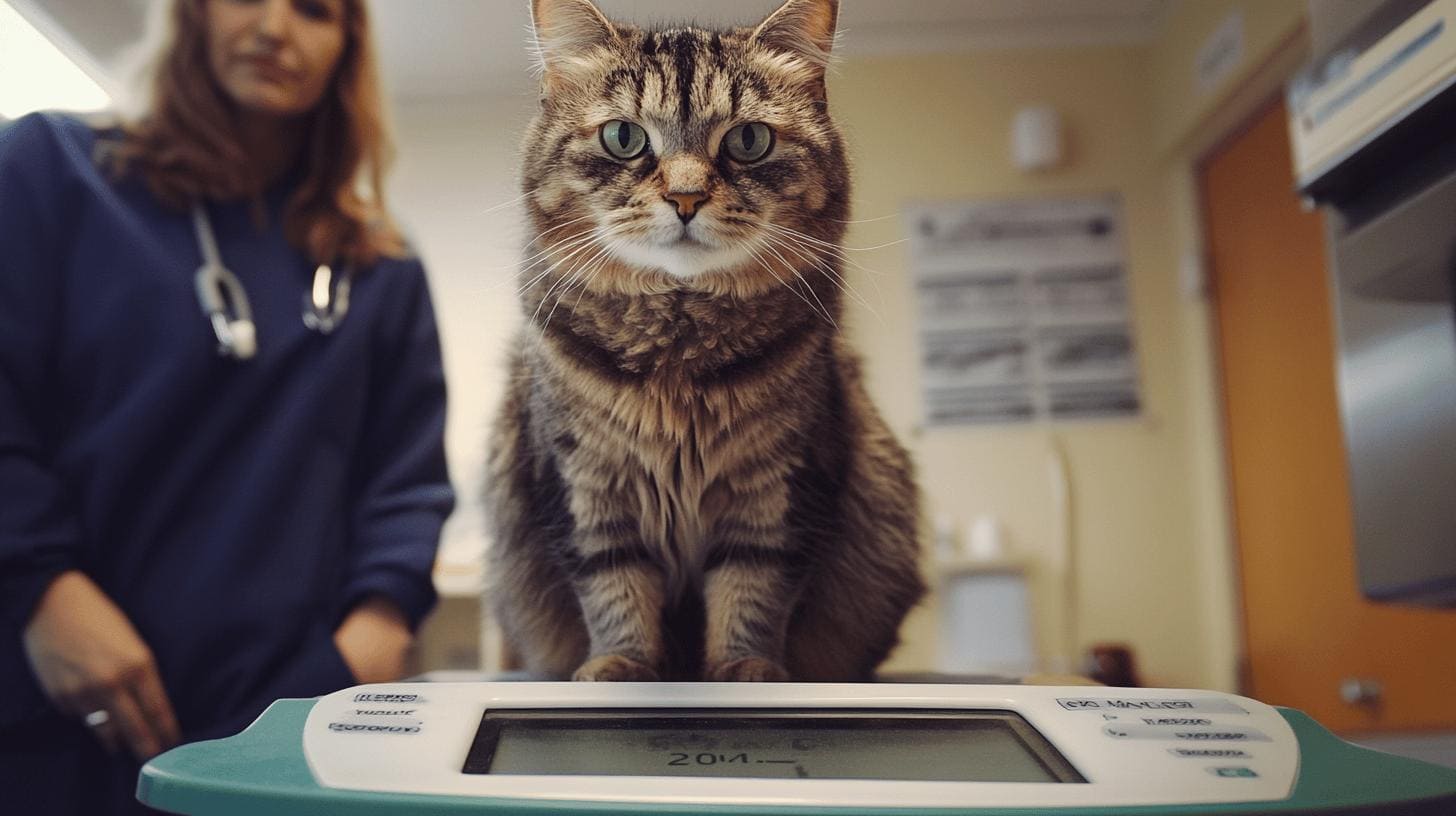
Unexplained weight loss in cats can be a red flag for serious health issues. It isn't just a minor concern; it could lead to conditions like hepatic lipidosis, a potentially life-threatening liver problem where stored fat overwhelms the liver's capacity. Cats, especially older ones, might lose weight for reasons that aren't immediately obvious. It's crucial to recognize that this is not something to overlook. Weight loss could signify an underlying health issue that requires immediate attention.
Here are some common causes of weight loss in cats:
- Anxiety, Stress, Depression
- Dental Problems
- Hyperthyroidism
- Diabetes
- Gastrointestinal Problems
- Cancer
- Organ Failure
- Inadequate Food Intake
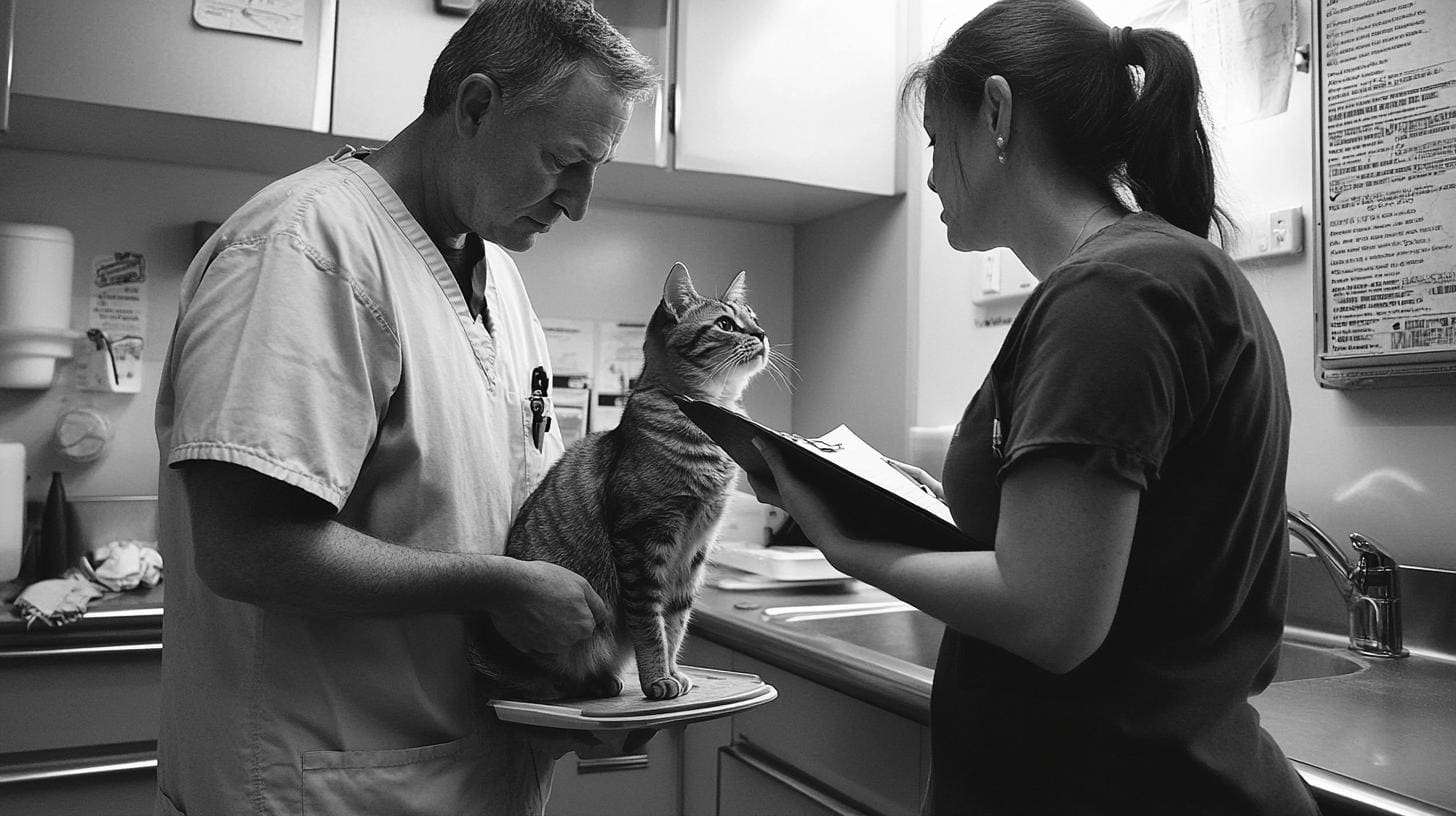
When your cat starts shedding pounds unexpectedly, it's important to dig deeper into potential causes. The solution often begins with a thorough examination by a veterinarian. They can help determine whether the weight loss is due to a medical problem or other factors. Consulting with your vet is not just advisable—it's essential. Early intervention can make a significant difference in your cat's health and well-being.
Medical Conditions Leading to Weight Loss in Cats
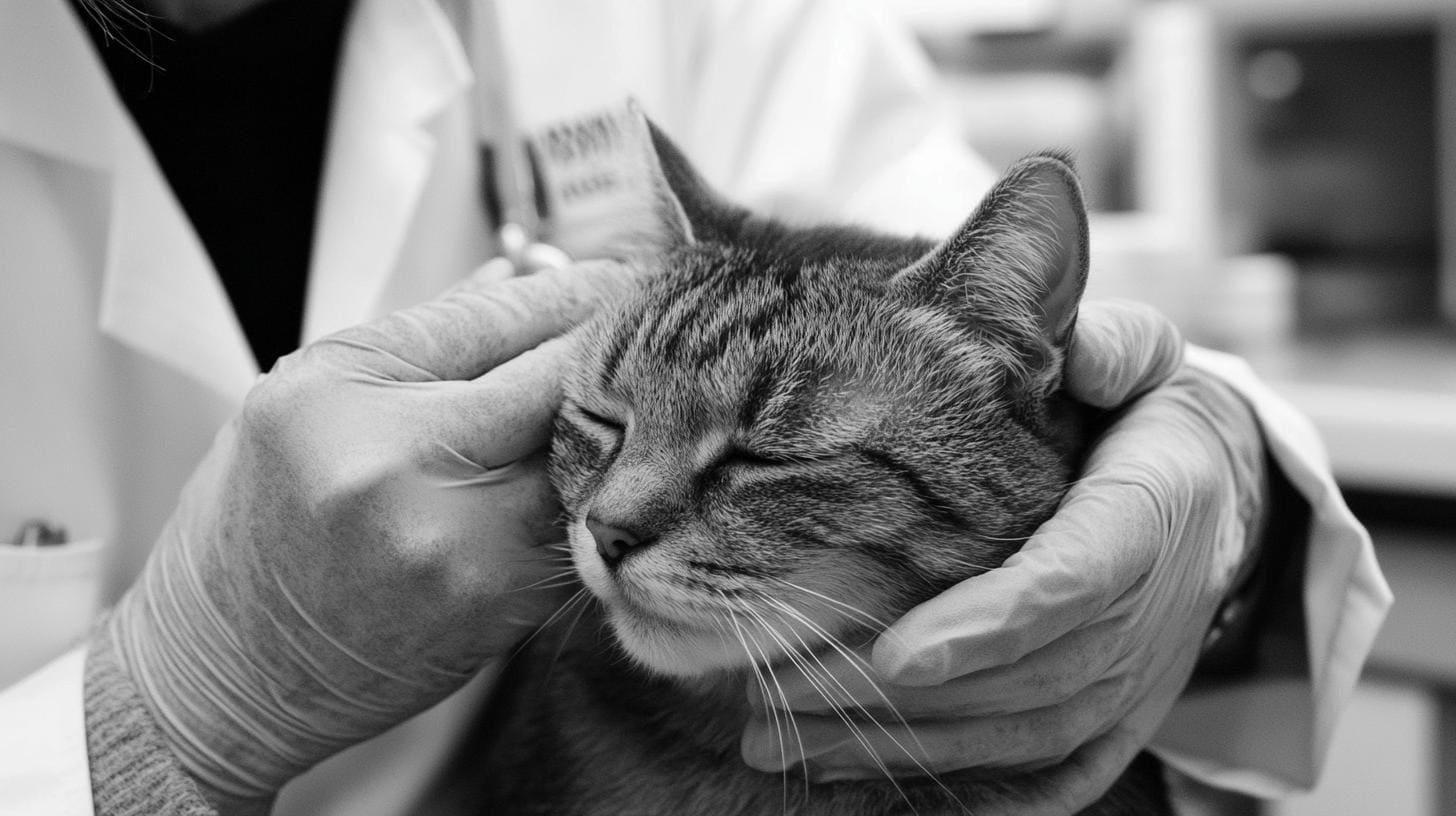
Several medical conditions can cause weight loss in cats, each requiring careful attention and timely intervention. Recognizing the signs early can be critical in managing your cat's health effectively. Let's explore these conditions and understand their impact on our feline friends.
Hyperthyroidism
Hyperthyroidism is a common condition in older cats, characterized by an overproduction of thyroid hormones. This leads to an increased metabolism, causing weight loss even though your cat might have a ravenous appetite. Other symptoms include increased thirst, hyperactivity, and frequent urination. If you notice these signs, it’s important to consult with your veterinarian for early diagnosis and treatment to manage the condition effectively.
Diabetes
Diabetes in cats is another serious medical issue that can result in weight loss. Cats with diabetes might drink more water and urinate more frequently. They can also appear lethargic and lose weight despite consuming a normal amount of food. This condition requires immediate veterinary care to prevent complications. Treatment often involves insulin therapy and dietary changes. Prompt intervention can stabilize your cat’s condition and prevent further health decline.
Gastrointestinal Issues
Gastrointestinal issues, such as inflammatory bowel disease (IBD), can lead to weight loss in cats. These conditions often cause chronic vomiting, diarrhea, and a decrease in appetite. Triggers for IBD can include food allergies or stress. If your cat is experiencing these symptoms, it’s crucial to seek veterinary advice. Identifying the underlying cause and adjusting your cat’s diet can help manage these issues effectively.
Chronic Kidney Disease
Chronic kidney disease is a frequent cause of weight loss in older cats. This condition affects the kidneys' ability to filter waste and balance fluids in the body. Symptoms include increased thirst, frequent urination, and weight loss. Regular veterinary check-ups are essential for early detection. Managing chronic kidney disease typically involves dietary changes and medication to slow the disease’s progression.
Regular veterinary visits can catch these issues before they become severe. If your cat is losing weight, don't wait—reach out to your vet to get to the root of the problem.
Environmental and Lifestyle Factors Affecting Cat Weight
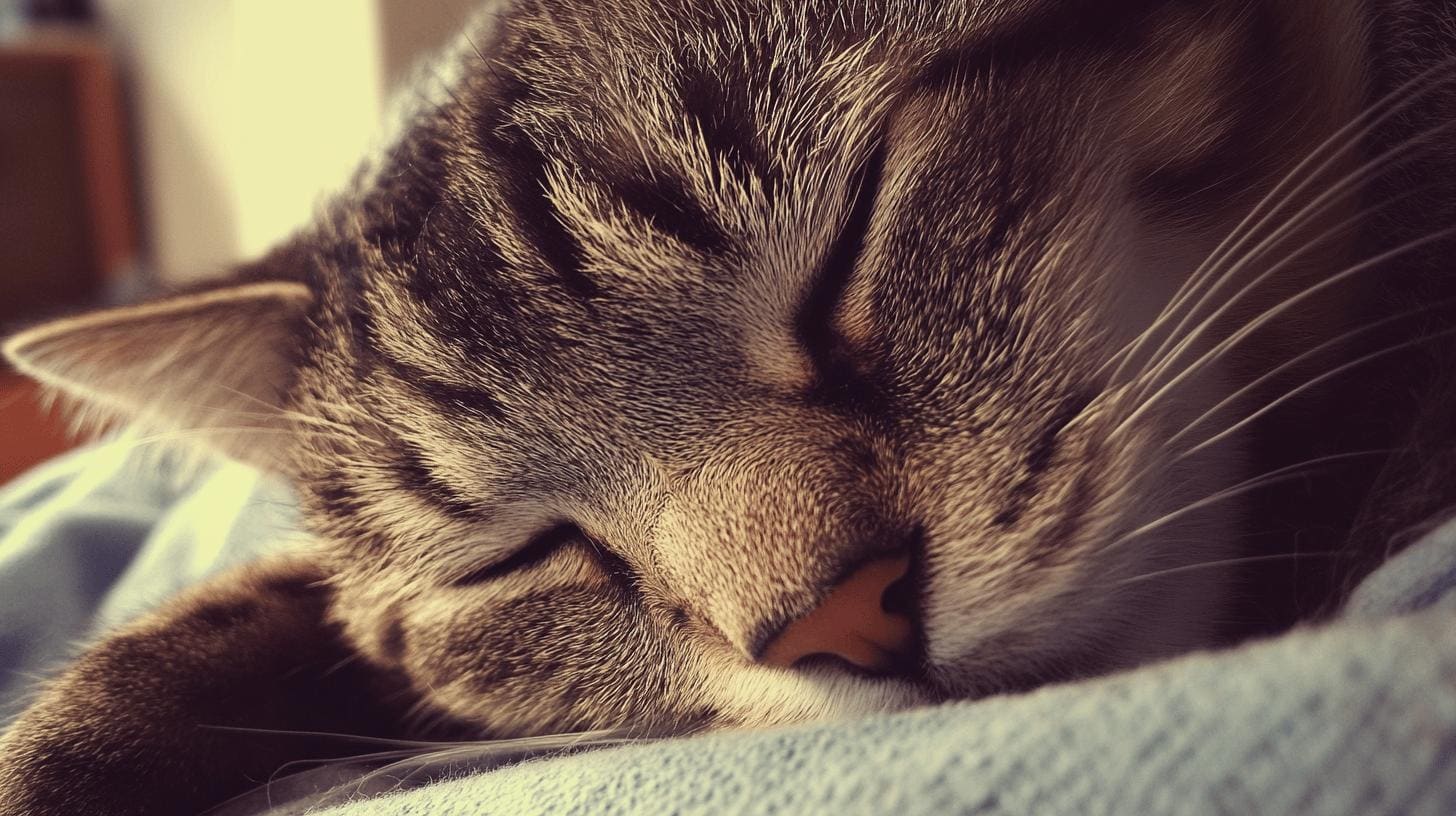
Cats can lose weight due to various environmental and lifestyle changes, not just medical issues. These non-medical factors can significantly impact a cat's health. For example, a cat may continue eating well but still lose weight. This can be puzzling and often points to changes in the cat's surroundings or daily routine.
Here are some lifestyle factors that may cause weight loss:
- Stress from environmental changes
- Dietary changes
- Reduced activity levels
- Poor nutrition quality
- Inconsistent feeding routines
Stress is a major player when it comes to weight loss in cats. Changes like a new pet, a move, or even rearranging furniture can stress a cat out. This stress can lead to a decrease in appetite or changes in how the cat processes food. Even if your cat is eating, stress can affect the body's ability to absorb nutrients properly.
Dietary changes can also lead to weight loss. Switching foods or altering feeding schedules might upset a cat's digestive balance. It's important to introduce any diet changes gradually to avoid digestive issues. If your cat seems to be losing weight but is still eating, consider whether any recent changes in their environment or diet might be the culprit.