
Ever wonder why cats lick each other? It's not just about cleanliness. This intriguing behavior, known as allogrooming, plays a big part in their social world. Cats lick each other to show affection and create strong bonds, much like a team working together toward a common goal. Some experts say it's essential for their health, helping them clean hard-to-reach places and remove pesky parasites. Understanding this can help us better appreciate these amazing animals and ensure our feline companions live happy, connected lives.
Understanding Why Cats Lick Each Other

Cats engage in a behavior known as allogrooming, which is when they groom other cats—and sometimes humans. This action is more than just a grooming routine; it's a way for our feline friends to show affection and establish strong social bonds. Allogrooming is commonly observed among bonded cats and within feline colonies, where it acts as a communal activity that reinforces friendships.
The reasons cats lick each other are primarily centered around affection and the strengthening of bonds. When one cat grooms another, it is often a sign of trust and camaraderie. Veterinary experts point out that this behavior serves multiple purposes. It helps cats clean areas they can't reach on their own, such as the top of the head. Additionally, mutual grooming aids in removing parasites like fleas and ticks, which is essential for their health. The act of grooming communicates a sense of belonging and acceptance within the group, making it a cornerstone of feline social behavior.
- Affection and bonding
- Social bonding
- Cleaning hard-to-reach areas
- Parasite removal
- Communication
Understanding why cats lick each other is important for cat lovers. It helps us appreciate the depth of their social interactions and the critical role grooming plays in their lives. By recognizing these behaviors, we can better support their well-being and create a more harmonious environment for our furry companions.
Social and Grooming Dynamics in Cats
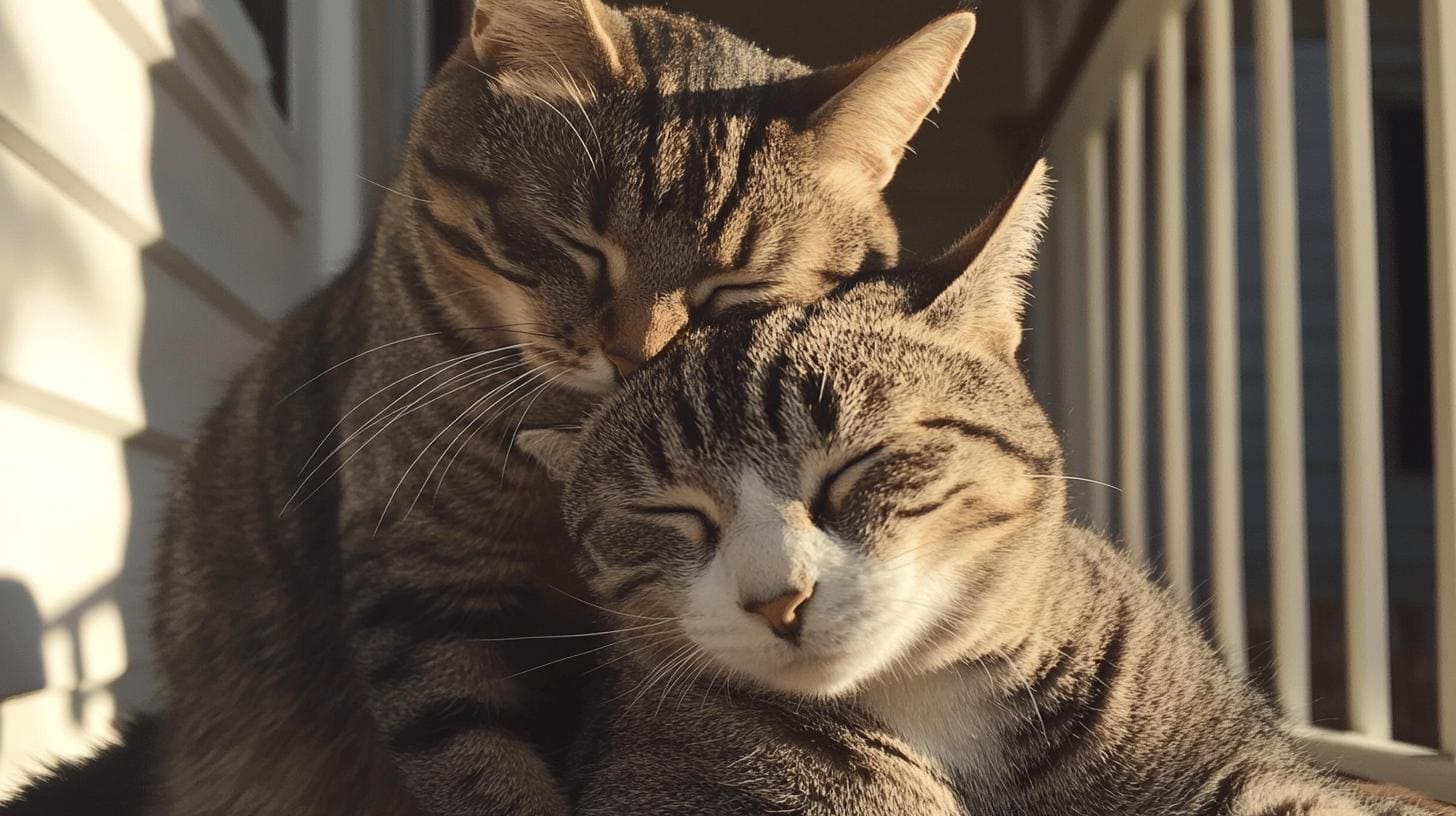
Cats dedicate a significant portion of their day, about 30 to 50 percent, to grooming. This behavior extends beyond personal hygiene, playing a crucial role in their social interactions and structure. Grooming helps maintain cleanliness and strengthens social bonds within cat communities. It allows cats to assist each other with hard-to-reach areas like the head, face, and ears, fostering cooperation and care among them.
Grooming as Hierarchy and Dominance
Grooming is not solely about staying clean; it can also indicate social hierarchy. In groups, dominant cats often initiate grooming with those of lower status. This behavior subtly asserts dominance, helping to establish and maintain social order. Understanding these dynamics is essential for maintaining peace in multi-cat environments, as it clarifies roles and reduces potential conflicts.
Social Interactions and Communication through Grooming
Grooming serves as an important means of communication and social interaction for cats. When cats groom each other, they engage in non-verbal communication that reinforces social bonds. This activity conveys messages of trust, acceptance, and cooperation, expressing comfort and familiarity within the group. It becomes an integral part of their social language, crucial for building harmonious relationships.
Recognizing these dynamics is vital for multi-cat households. Understanding grooming as both a form of communication and a reflection of hierarchy allows us to better interpret our cats' relationships and needs. This insight helps foster an environment where each cat feels understood and respected.
Health and Hygiene Benefits of Cat Grooming

Grooming is a key aspect of maintaining a cat's hygiene and health. Cats often engage in allogrooming, which enhances their cleanliness by reaching areas like the top of the head that are difficult to groom alone. This behavior not only keeps their fur clean but also promotes blood circulation and distributes natural oils, contributing to a shiny and healthy coat.
In addition to maintaining hygiene, grooming is vital for removing parasites such as fleas and ticks, especially in outdoor colonies. This collective effort in allogrooming reduces parasite-related health risks and contributes to longer life spans. By participating in mutual grooming, cats also strengthen their social bonds, which is beneficial for their mental well-being.
| Benefit | Description |
|---|---|
| Hygiene maintenance | Promotes cleanliness and healthy fur, enhances blood circulation and distributes natural oils |
| Parasite removal | Helps eliminate fleas and ticks, reducing health risks |
| Improved longevity | Contributes to longer life spans and strengthens social bonds |
