Ever wondered why your cat licks your hair? It might sound strange, but this quirky behavior is how cats show they care. When a cat licks your hair, they're treating you like one of their own, just like they groom fellow cats to bond and strengthen ties.
From kitten days, mother cats use grooming to express love, and your cat is doing the same with you. This unusual habit isn't just about licking — it's their emotional way of connecting and marking you as a beloved part of their family.
Why Cats Lick Your Hair: Exploring Affection and Emotional Connection
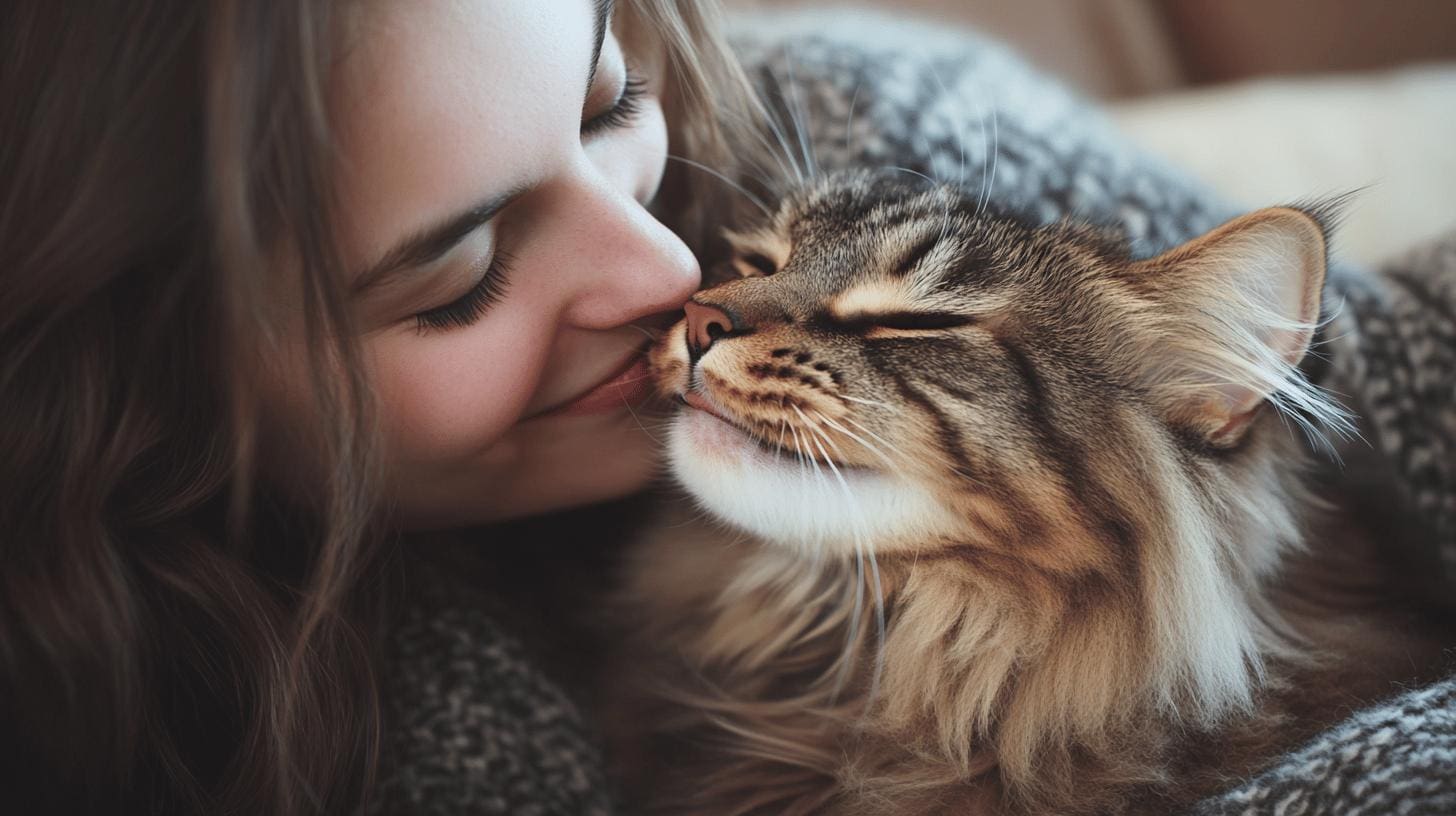
Cats licking your hair is often a sign of affection, similar to how they groom each other to show care and strengthen social bonds. When your feline friend decides to give your hair a good lick, it's their way of telling you that you're part of their family.
This behavior can be traced back to kittenhood when mother cats groom their young, reinforcing a sense of security and love. Cats extend this instinct to their human companions, making hair licking a method of expressing love and trust. By incorporating you into their grooming routine, cats are showing that they care for you deeply.
Scent marking is another reason why your cat might be interested in your hair. Cats have scent glands in their mouths, and when they lick you, they're marking you as part of their territory. This act of scent exchange strengthens their sense of ownership and connection. Just like rubbing against furniture or other objects in the home, licking your hair is a way for your cat to claim you as their own, mixing their scent with yours.
Hair licking can also be a way for cats to relieve stress or seek attention. The repetitive motion of licking may be soothing for them, helping them cope with anxiety or stressful situations. If your cat licks your hair and receives positive interaction, such as petting or talking, they might continue the behavior to engage with you. This attention-seeking behavior is a way for them to communicate their need for interaction, play, or even a little extra love.
While hair licking is generally harmless, it can become problematic if it turns obsessive. Excessive licking might indicate underlying issues such as a behavioral problem or a health concern like pica, where cats crave non-food items. It's important to pay attention to the frequency and intensity of the licking. If it becomes excessive, consult a veterinarian or animal behaviorist.
Here are some potential signs that hair licking might indicate a problem:
- Licking is frequent and intense
- The cat shows signs of stress or anxiety
- The behavior is accompanied by other unusual habits
- Your hair products seem to attract the cat excessively
- There are changes in the cat's overall grooming habits
Understanding the reasons behind your cat's hair licking can help you appreciate their affectionate gestures while ensuring their behavior remains healthy and balanced.
Health Implications: Is It Safe for Cats to Lick Your Hair?
When cats lick your hair, it might seem harmless, but it poses some risks. Cats might ingest hair, which can lead to digestive issues or hairballs. The scents and flavors in hair products can attract cats, but these substances aren't meant for ingestion. If a cat licks products like hairspray or gel, it could be exposed to harmful chemicals, leading to health concerns. Excessive licking might also indicate stress or pain, requiring attention if it becomes self-destructive.
For cat owners, there might be concerns about allergic reactions to cat saliva. Saliva can contain allergens that trigger reactions in sensitive individuals, leading to skin irritation or other symptoms. While a casual lick might not be problematic, repeated exposure could cause discomfort. Understanding these potential risks can help ensure the safety of both you and your feline friend.
| Risk | For Cats | For Owners |
|---|---|---|
| Ingestion of hair | Digestive issues | None |
| Exposure to hair products | Health concerns | None |
| Cat saliva | None | Allergic reactions |