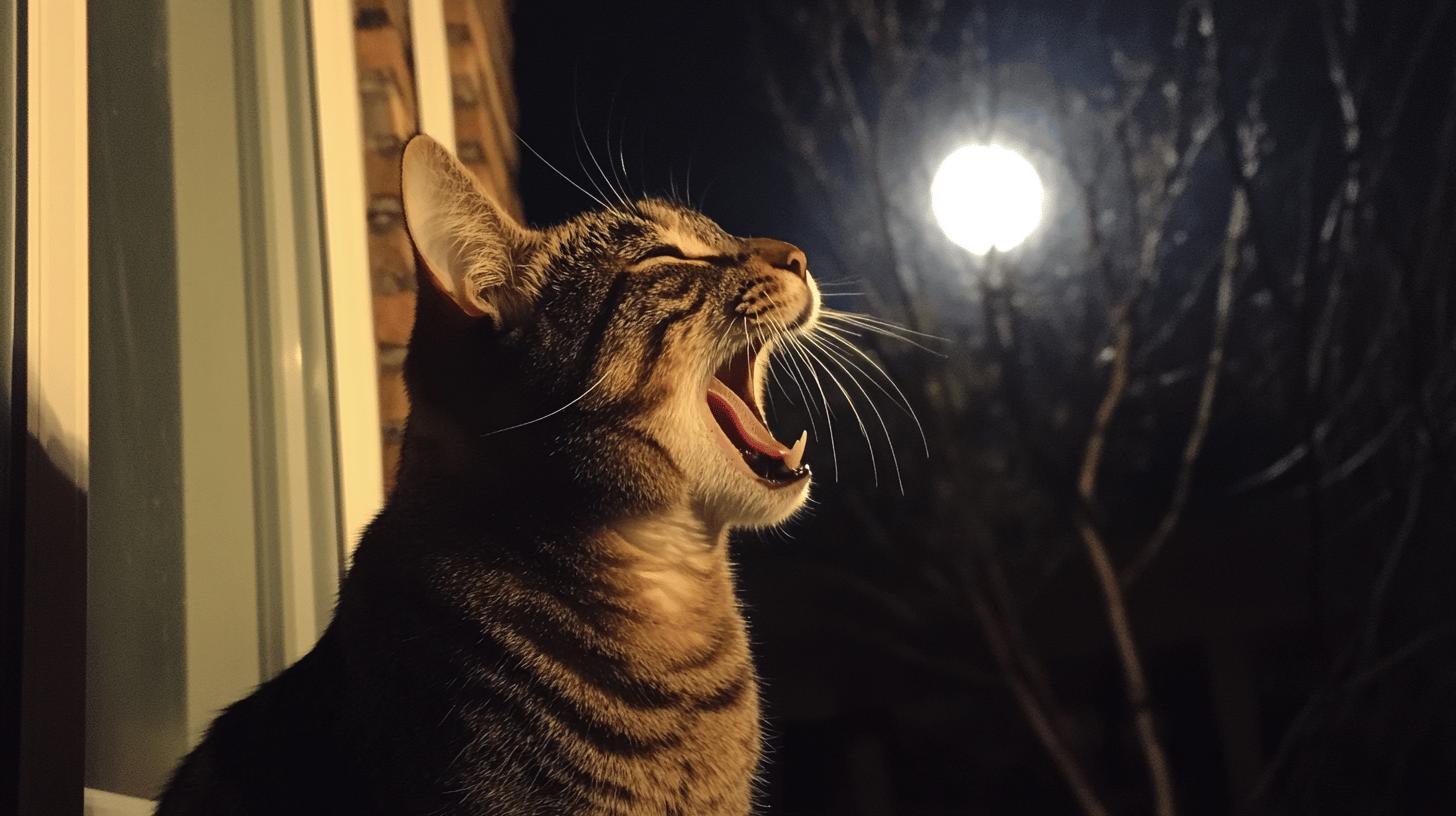
Ever wondered why your cat suddenly emits those strange noises that grab your attention? Cats have a language all their own, using a variety of vocalizations to express their thoughts and feelings. Whether it's a gentle purr, a demanding meow, or an unexpected yowl, each sound carries meaning. Understanding these mysterious sounds can deepen the bond between you and your furry friend. Dive into the world of feline vocalizations and discover what your cat's peculiar noises reveal about their emotions and needs.
Understanding Why Cats Make Weird Noises

Cats are known for their wide range of vocalizations, which are second only to birds among domestic pets. These sounds can communicate a variety of emotional states. From the soft, soothing purr to the sharp hiss, each noise serves as an expression of their feelings and intentions. Cats often use these vocalizations to express contentment, worry, fear, or anger. Understanding these sounds can help us better appreciate what our feline friends are trying to convey.
One of the most common noises cats make is the meow. This sound is primarily used to communicate with humans, signaling needs such as food, water, or attention. A cat's meow can vary in pitch and intensity, often indicating their level of urgency or desire. Meowing can also signal illness or loneliness, prompting us to pay closer attention to our cat's health and well-being. Recognizing the subtle differences in these vocalizations can offer insight into your cat's needs and emotions.
- Contentment
- Hunger
- Loneliness
- Fear
- Curiosity
Understanding the reasons behind these noises is important for improving communication with your cat. By recognizing the specific emotions or needs expressed through vocalizations, we can respond more effectively to our pets. Whether it's providing comfort to a fearful cat or addressing the needs of a lonely one, interpreting these sounds allows us to connect with our cats on a deeper level. This knowledge not only enhances our relationship with them but also ensures their emotional and physical well-being.
Common Cat Sounds and Their Meanings

Cats communicate with a range of sounds, each carrying specific meanings that help us understand their needs and emotions. Recognizing these vocalizations enhances our bond with our feline companions.
Meowing
Meowing is primarily used by cats to communicate with us. They meow to express needs like attention, food, or wanting to enter a room. The pitch and tone can vary; a loud meow might indicate hunger, while a softer one could be a friendly greeting.
Purring
Purring is a comforting sound often linked to contentment and relaxation. Cats purr when they are petted or in a peaceful spot. Interestingly, purring can also occur when they're anxious or in discomfort, serving as a self-soothing mechanism.
Chattering
Chattering is unique and stems from predatory excitement and frustration. Cats chatter when they watch birds or squirrels they can't reach. This sound involves rapid jaw movements and a series of quick, repetitive noises, reflecting their instinctual hunting drive.
Hissing
Hissing signals fear or aggression. Cats hiss when they feel threatened or cornered, often accompanied by an arched back and fluffed-up fur. Recognizing this sound helps us give them the space they need to feel secure.
- Communicating needs
- Expressing contentment
- Signaling frustration
- Indicating fear or aggression
Strange Cat Noises and When to Worry

Certain cat noises can raise concerns, particularly when they indicate potential health or behavioral issues. One such sound is yowling, a long, distressing noise that often signals discomfort or territorial disputes. Cats may yowl when they are in pain, feel threatened, or experience changes in their environment. Similarly, growling and snarling are alarming sounds that suggest anger or irritation. These noises typically mean a cat feels cornered or provoked, and it's best to give them space until they calm down. Recognizing these sounds helps us identify when our cats are experiencing stress or discomfort.
Knowing when to seek veterinary help is crucial for cat owners. If a cat's yowling or growling becomes frequent or is accompanied by other signs of distress, such as changes in appetite or behavior, it's a good idea to consult a vet. Persistent unusual noises could indicate underlying health issues that require attention. Monitoring your cat's vocal patterns and behaviors can provide valuable insights into their well-being, allowing you to address any concerns promptly.
- Yowling indicating discomfort or territorial issues
- Growling and snarling signaling anger or irritation
- Continuous vocalizations accompanied by behavioral changes