Ever wonder why it’s so crucial to vaccinate your cat? Imagine this: a world where your beloved feline is constantly at risk of falling prey to dangerous, avoidable diseases. Vaccines are not just medical shots; they’re a shield protecting cats from illnesses that can be contagious and life-threatening.
By vaccinating your cat, you’re not only keeping them safe but also helping to protect the wider cat community. Let’s explore how vaccines play a vital role in ensuring your cat’s health and safety.
The Importance of Vaccines for Cats
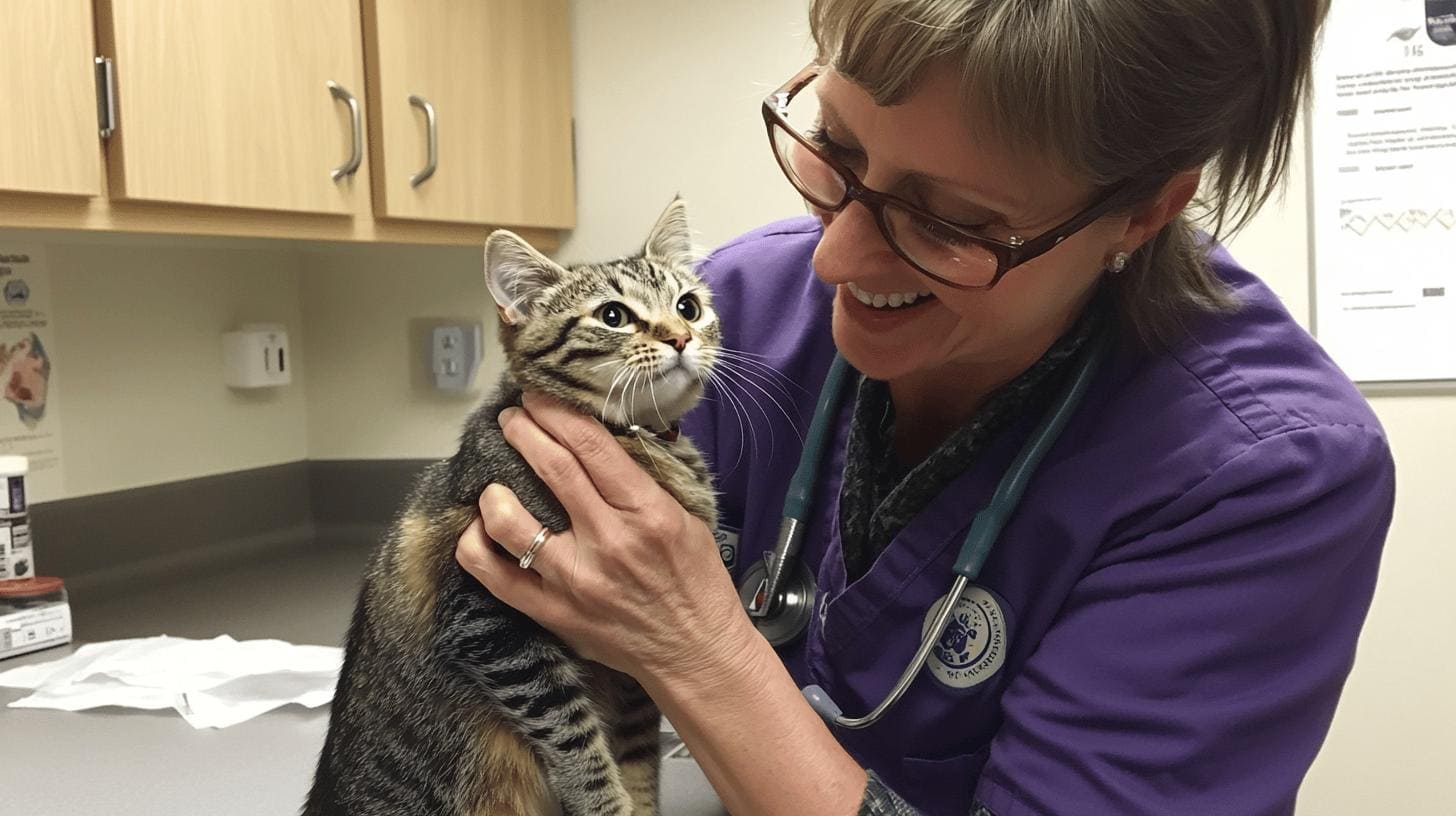
Vaccines play a crucial role in shielding our feline friends from serious diseases. Vaccinating your cat ensures they receive protection from infections that might otherwise lead to severe health issues or even death. Vaccines, particularly core vaccines, are a fundamental part of a cat’s health regimen.
They help prevent diseases that are not only highly contagious but also potentially life-threatening. By keeping your cat vaccinated, you contribute to what’s known as herd immunity, which helps protect not just your pet, but the broader feline community by reducing the spread of viruses.
- Protection against common diseases
- Prevention of disease outbreaks
- Reduced risk of severe illness
- Cost savings in veterinary care
- Contribution to community health
When it comes to cost, preventing disease through vaccination is often far more economical than treating an illness. A single vaccine can save hundreds, if not thousands, in potential veterinary bills for treatments related to preventable diseases.
Investing in vaccines not only ensures your cat’s long-term health but also proves to be a practical financial decision for any cat owner. This proactive approach helps maintain both your pet’s wellbeing and your peace of mind.
Recommended Vaccine Schedules for Cats
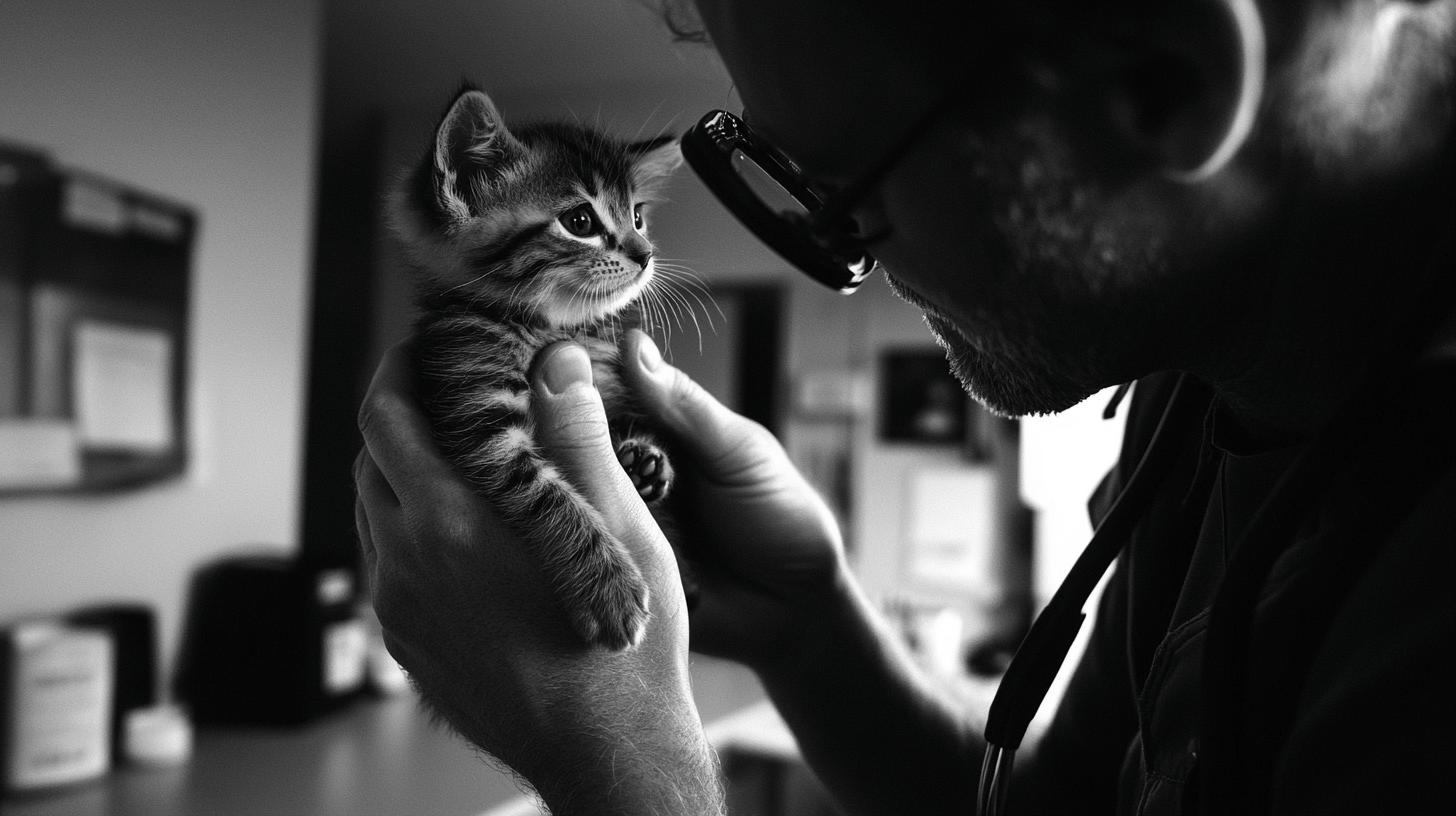
Keeping up with a cat vaccination schedule is essential for protecting your feline friend from preventable diseases. Adhering to the recommended timelines ensures that your cat develops and maintains the necessary immunity against various health threats.
For kittens, starting vaccinations early is crucial, as their young immune systems are still developing. Meanwhile, adult cats need regular booster shots to sustain their immunity levels over time. By following these schedules, you help safeguard not only your cat but also the broader feline community.
Kitten Vaccination Schedule
Kittens need their first round of vaccinations starting between six to eight weeks old. This early start is vital in building their initial defenses. They should continue to receive vaccinations every three to four weeks until they reach about 16 weeks of age.
This series typically includes core vaccines that protect against diseases like feline distemper, feline calicivirus, and feline herpesvirus. By the time they complete this vaccination schedule, usually between 12 to 16 weeks, kittens achieve full protection, which is crucial for their early life health.
Adult Cat Booster Shots
Once kittens grow into adults, maintaining their immunity requires regular booster shots. These boosters are typically needed annually or every three years, depending on the specific vaccine. Core vaccines often require yearly boosters, while others may have a longer interval.
It’s important for cat owners to consult with their veterinarians to determine the correct schedule and specific vaccines needed, as factors like lifestyle and geographic location can influence the recommendations.
Veterinarians play a key role in customizing vaccination schedules to suit each cat’s unique needs. They assess individual risk factors and adjust the frequency and type of vaccines accordingly. This ensures that every cat receives the right level of protection, tailored to their lifestyle and environment. Regular veterinary consultations are essential to keeping your cat’s vaccination schedule up-to-date and effective.
Core versus Non-Core Vaccines for Cats

Cats require vaccines to maintain their health and safety, and these vaccines fall into two main categories: core and non-core. Core vaccines are the foundation of feline vaccination and are essential for all cats.
These vaccines protect against severe and widespread diseases, such as feline distemper, feline calicivirus, and rabies. These diseases can affect cats regardless of whether they live indoors or outdoors, making core vaccines critical for every feline.
On the other hand, non-core vaccines, also known as lifestyle vaccines, are administered based on a cat’s individual lifestyle and risk factors. These vaccines are not universally required but may be necessary for certain environments or activities, like frequent outdoor exposure or contact with other animals.
| Vaccine Type | Description |
|---|---|
| Live Attenuated | Contains weakened versions of the virus to build immunity. |
| Inactivated | Contains killed virus particles to trigger immune response. |
| mRNA | Uses genetic instructions to teach cells to make a protein that triggers immunity. |
| Subunit | Contains specific parts of the virus to stimulate immunity. |
Veterinarians play a crucial role in determining which non-core vaccines a cat may need. They assess factors such as the cat’s age, health status, lifestyle, and potential exposure to diseases. By evaluating these elements, veterinarians can tailor a vaccination schedule that provides the most effective protection for each cat. This personalized approach ensures that all feline companions receive the right combination of core and non-core vaccines to safeguard their health.